In a significant philanthropic announcement, renowned tech entrepreneur Jeff Atwood, co-founder of Stack Overflow and Discourse, has committed half of his family’s remaining wealth over the next five years to long-term initiatives aimed at ensuring all Americans retain access to the American Dream. This substantial pledge follows immediate donations of $8 million to non-profit organizations addressing urgent needs across the United States. Atwood’s declaration underscores a deep concern over escalating economic disparities, challenges to democratic participation, and a perceived erosion of the core tenets of the American Dream, which he describes as being at an "unprecedented point in American history."
A Bold Philanthropic Commitment Amidst National Disquiet
Atwood’s philanthropic strategy diverges from conventional approaches, emphasizing both immediate relief and sustained, systemic change. His family has already distributed eight $1 million donations to various non-profit groups directly aiding those in acute need. While specific beneficiaries were not named in his initial statement, such organizations typically focus on areas like food security, housing assistance, healthcare access, and educational support, reflecting the immediate human cost of economic hardship.
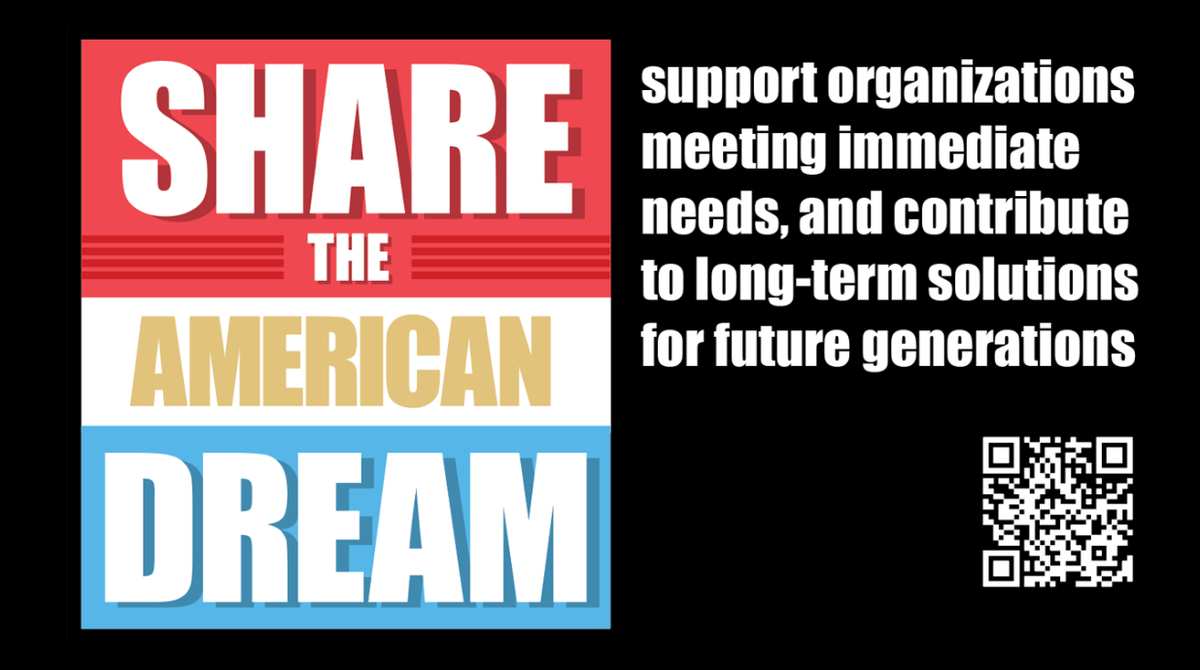
Beyond these initial contributions, the cornerstone of Atwood’s commitment is the pledge of half his remaining wealth within the next five years. This accelerated timeline stands in contrast to the traditional model of posthumous giving, as exemplified by figures like Warren Buffett, whose amended pledge now allocates his vast fortune to a charitable trust managed by his adult children upon his death. Atwood explicitly articulated his rationale for this proactive approach, stating, "I admire Buffett, but even having only a tiny fraction of his $325 billion fortune, to me this pledge was incomplete. When would this wealth be transferred?" He further clarified his intention to retain only enough wealth to provide his children with college educations and the means to purchase a home, reflecting a pragmatic parental concern for their future while prioritizing broader societal impact.
This move signals a growing trend among some successful individuals to channel significant wealth into societal betterment during their lifetime, driven by a sense of urgency regarding contemporary challenges. It also positions Atwood as a thought leader in a new wave of philanthropy, advocating for direct, impactful intervention rather than deferred legacy building.
The Personal Journey: From Hardscrabble Roots to Tech Luminary
Jeff Atwood’s path to substantial wealth and this profound philanthropic commitment is rooted in a personal narrative that closely mirrors the aspirational promise of the American Dream itself. He describes his parents as originating from "hardscrabble rural West Virginia and rural North Carolina," who "barely managed to claw their way to the bottom of the middle class" despite facing personal demons, including alcoholism. This challenging upbringing, marked by a parental divorce when Atwood was 16, ultimately led to a period of healing and personal growth that he credits with instilling in him the profound value of love and empathy. "They taught me how to fully, deeply receive love, and the profound joy of reflecting that love upon everyone around you," he recounted.

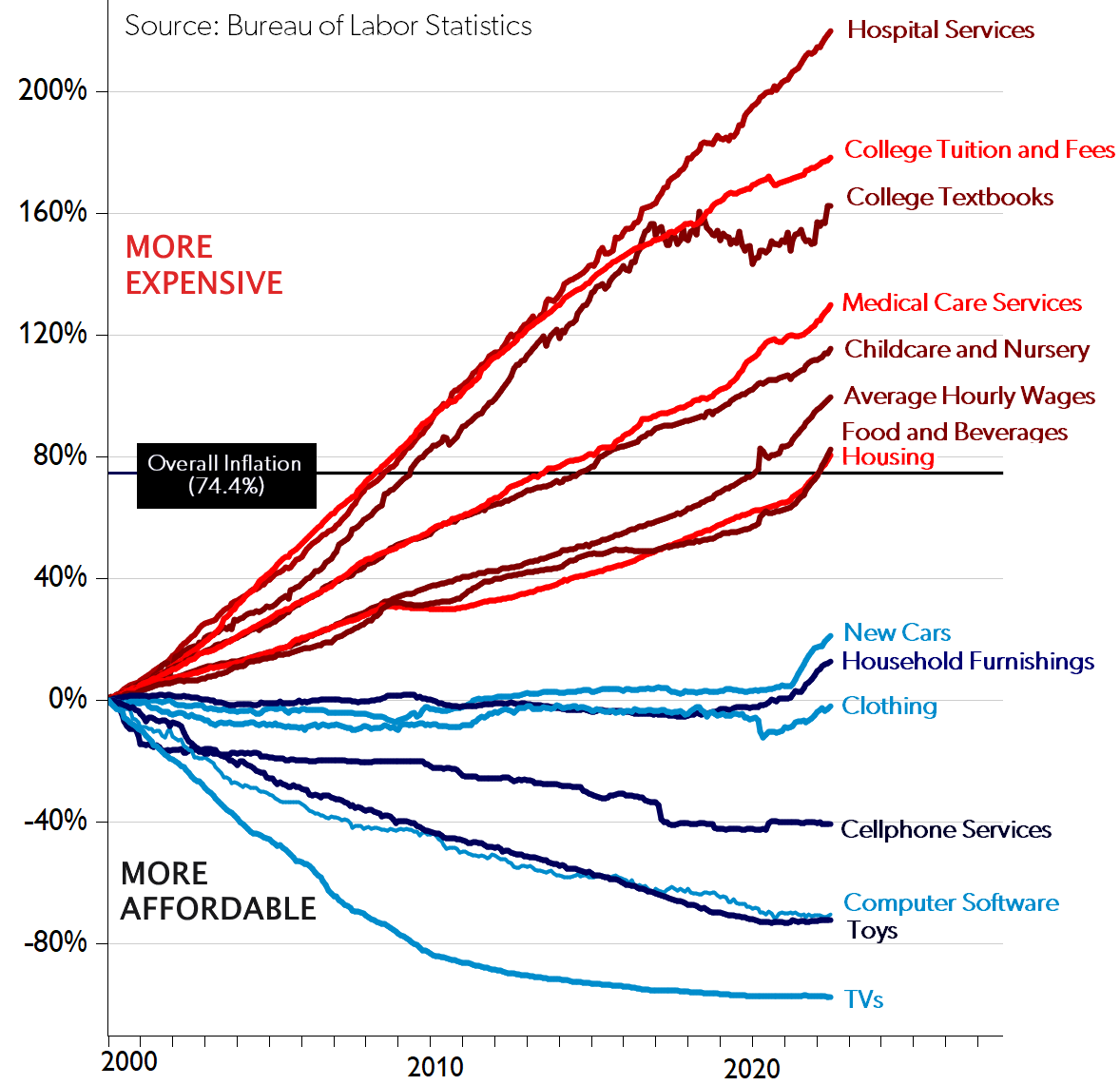
His educational journey further highlights the diminishing accessibility of the American Dream for many. Atwood attended public schools in Chesterfield County, Virginia, and graduated from the University of Virginia in 1992, an institution founded by Thomas Jefferson. During his college years, he worked as a part-time cashier at Safeway, earning the federal minimum wage, and relied on Pell grants, scholarships, and other part-time jobs to finance his education. At the time, annual in-state tuition at UVA was approximately $3,000. Today, that figure has soared to $23,000 per year – an eight-fold increase in three decades. This staggering rise in educational costs, alongside similar inflation in healthcare and housing, forms a central pillar of Atwood’s argument that these "huge cost increases… are not compatible with the American Dream."
Atwood’s professional success came through his pioneering work in the tech industry. In 2008, he co-founded Stack Overflow with Joel Spolsky, a Q&A website that rapidly became an indispensable resource for programmers worldwide. Stack Overflow championed a "digital democracy," utilizing ranked-choice voting for content and community moderator elections, creating a shared knowledge base under a Creative Commons license. Building on this experience, Atwood co-founded Discourse, an open-source platform designed for constructive, empathetic community discussions, also under Creative Commons. Discourse emphasizes democratic governance and strong moderation to enforce community-agreed boundaries, aiming for "digital democracy and empathy, for everyone." He asserts that these ventures were always "projects for the public good that happen to be corporations," allowing him to achieve wealth through "hard work and good luck," a realization that he initially perceived as the culmination of his own American Dream.
However, Atwood’s journey took a reflective turn after accumulating significant wealth. He candidly admits that this affluence began to "unintentionally distance my family from other Americans," leading to a disconnect from the everyday financial struggles faced by many. He states, "I no longer bother to look at how much items cost, because I don’t have to." This profound observation led to a realization that the more wealth one attains, the more glaring the inequalities in society become. His sentiment culminates in the stark declaration that being a billionaire is, "for lack of a better word, unamerican," aligning with a growing public discourse on extreme wealth concentration.

The turning point for Atwood’s philanthropic awakening was a public high school theater performance of S.E. Hinton’s "The Outsiders." The play’s iconic line, "stay gold," resonated deeply, revealing to him that "staying gold" fundamentally meant "sharing the American Dream," a concept further reinforced by the director’s program notes emphasizing "resilience, empathy, and unity." This artistic experience solidified his commitment to not just achieving the dream, but actively ensuring its accessibility for others.
The Eroding American Dream: Economic and Democratic Disparities
Atwood’s pledge is a direct response to what he perceives as a crisis of the American Dream, exacerbated by profound economic and political challenges. The economic data he cites paints a sobering picture of rising inequality. Between 2012 and 2021, the share of wealth held by the top 1% of Americans increased from 24% to 30%. Globally, the top 1% now control nearly twice as much wealth as the rest of the world combined. This concentration of wealth directly contradicts the ideal of broad-based prosperity and upward mobility that traditionally defines the American Dream.
Beyond wealth, the escalating costs of fundamental necessities like education, healthcare, and housing present formidable barriers. The eight-fold increase in state college tuition since 1992 means that for many, a path to higher education—once a reliable gateway to the middle class—is now financially out of reach without incurring debilitating debt. This situation undermines the very notion of equal opportunity.
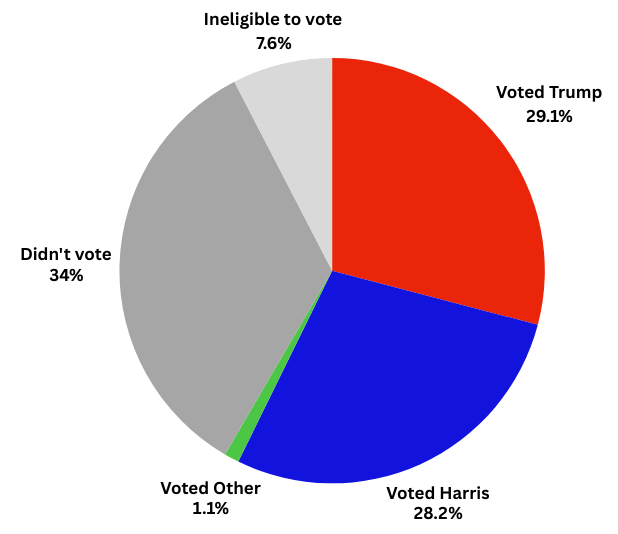
The democratic fabric of the nation is another key area of Atwood’s concern. The 2024 United States presidential election highlighted significant issues with voter participation and representation. A staggering 34% of eligible adults did not vote, and an additional 7.6% were ineligible (primarily non-citizens and individuals with felony convictions). This means 42% of American adults had no say in the election, raising questions about the legitimacy and inclusiveness of the democratic process. Atwood attributes this low turnout to a combination of factors, including potential voter suppression, gerrymandering-induced indifference, and a pervasive feeling among citizens that their vote no longer matters.
To address these systemic issues, Atwood advocates for concrete electoral reforms:
- Making Election Day a national holiday: To remove barriers to voting related to work schedules.
- Universal mail-in voting: To increase accessibility and convenience for all eligible citizens.
- Adopting ranked-choice voting: To ensure all votes carry more weight and foster broader representation, a system he successfully implemented in Stack Overflow’s digital democracy.
He also stresses the importance of strengthening democratic institutions, including state and local election boards and the Federal Election Commission, to safeguard the fairness and integrity of elections.

Political Polarization and the "Path of Love"
A critical element of Atwood’s analysis is the crippling effect of political polarization, which he notes is at "historically high levels and rising." This deep ideological divide, particularly within a two-party system, has rendered government "slower and slower at delivering change." He points to the 26th Amendment in 1971, which lowered the voting age to 18, as the last meaningful constitutional amendment passed in over 50 years, illustrating the current legislative paralysis. This environment raises a fundamental question: "Do we all still believe in the same American Dream?"
Atwood invokes powerful cultural and historical references to frame this dilemma. He alludes to Jimi Hendrix’s iconic rendition of "The Star-Spangled Banner" at Woodstock, interpreting it as a capture of the "distortion" of American ideals. He also references Martin Luther King Jr.’s philosophy of love over hate, citing Radio Raheem’s monologue from "Do the Right Thing" and King’s sermons on "loving your enemies." For Atwood, the American Dream itself contains both "the path of hate, and the path of love," and the nation is constantly choosing between them. His family’s pledge is explicitly directed towards an "American Dream founded on love," signaling a commitment to fostering unity, empathy, and shared prosperity.
Broader Implications and a Call to Action
Jeff Atwood’s announcement carries significant implications for both the philanthropic landscape and the broader national dialogue about the future of the United States. His public declaration, coupled with the immediate and long-term financial commitments, serves as a powerful call to action for other wealthy individuals to re-evaluate their own roles in addressing societal challenges. By actively investing in systemic change during his lifetime, Atwood challenges the traditional models of charitable giving and encourages a more engaged, immediate form of philanthropy.
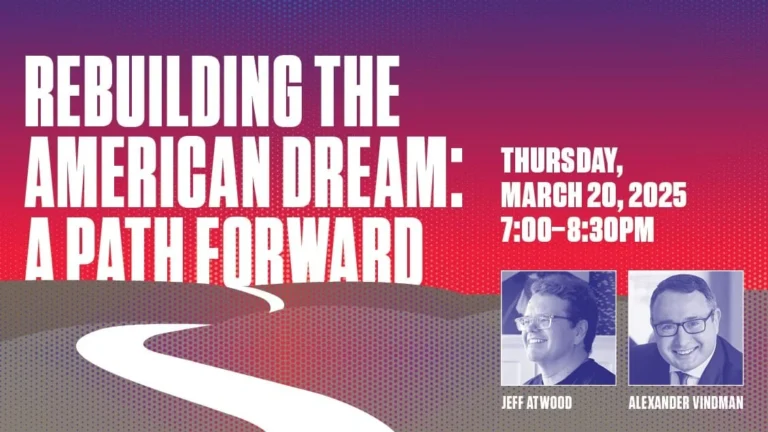
His focus on "empowering others" and collaborating on solutions suggests a desire to foster a collective movement rather than merely acting as a singular benefactor. The mention of his upcoming Cooper Union talk, co-presented with Alexander Vindman, further indicates a commitment to public discourse and education on these critical issues, aiming to galvanize broader participation in "Sharing the American Dream." This public engagement, alongside his continued contributions to open-source platforms like Discourse that promote constructive dialogue, reinforces his belief in the power of collective action and digital democracy to bridge divides and foster a more equitable future.
The emphasis on "good trouble," a phrase popularized by civil rights icon John Lewis, encapsulates Atwood’s philosophy: that achieving true American ideals may require challenging existing norms and structures. His belief in the ideals behind the American Dream, despite the continuous struggle to live up to them, underscores a profound optimism tempered by a clear-eyed assessment of the obstacles.
As the United States grapples with widening economic gaps, deep political divisions, and an increasingly digital existence, Atwood’s initiative offers a tangible example of how private wealth can be strategically deployed to support democratic reforms, address social inequalities, and rekindle the promise of the American Dream for all. His message is a blend of personal reflection, data-driven analysis, and an impassioned plea for a return to fundamental values: "Stay gold, America." His follow-up blog post, "Let’s Talk About The American Dream," promises further details on the specific long-term efforts his family will support, providing a roadmap for those inspired to join in this crucial endeavor. This ambitious undertaking aims to demonstrate that even in an era of profound challenges, the core promise of America—life, liberty, and the pursuit of happiness for all—remains a worthy and achievable aspiration.
About the Author