
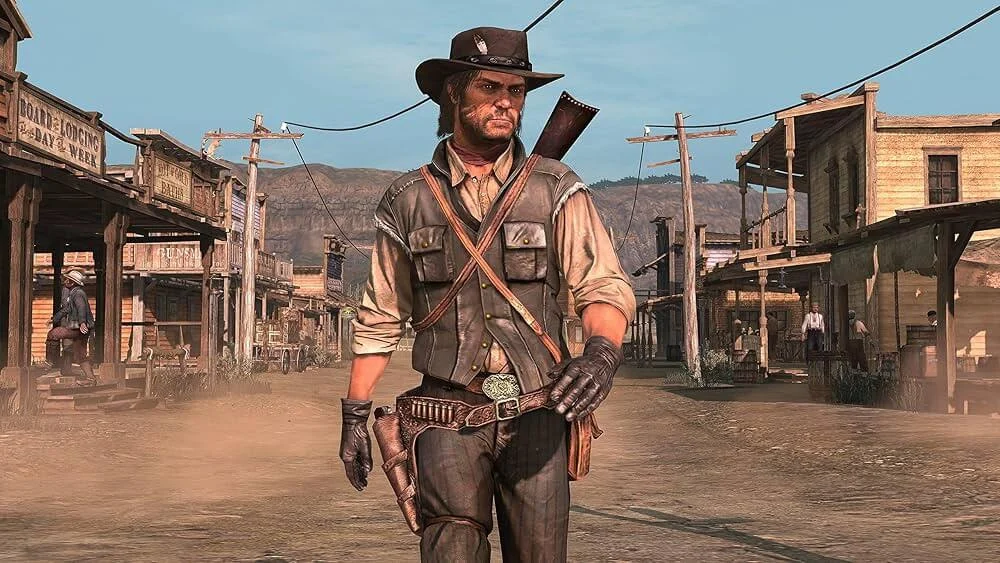
Rockstar Games, a studio synonymous with groundbreaking open-world experiences, solidified its reputation as a master storyteller of the American frontier with the release of Red Dead Redemption in 2010. This action-adventure title not only achieved universal critical acclaim, boasting an impressive 95 on Metacritic, but it also carved out a unique space in the gaming landscape by effectively capturing the essence of the Wild West’s twilight years. Beyond its meticulously rendered dusty towns, expansive plains, and intense gunfights, the game’s true strength lay in its nuanced exploration of loyalty, freedom, the inexorable pull of the past, and the profound cost of attempting to outrun one’s history. The recognition of its exceptional writing, highlighted by the "Best Dialogue" award from the GANG Awards, underscored the meticulous craftsmanship behind every word spoken within its vast, unforgiving world. This article revisits the most impactful quotes from the original Red Dead Redemption, examining how they contribute to its powerful narrative and enduring legacy.
Contextualizing the Frontier: The American West in 1911
Red Dead Redemption is set in 1911, a pivotal period marking the definitive end of the American frontier as commonly romanticized. This era was characterized by rapid industrialization, the tightening grip of federal law, and the gradual disappearance of the lawless, untamed territories that defined the Old West. Railroads were expanding, automobiles were emerging, and the telegraph was connecting distant settlements, fundamentally altering the way of life for those who had thrived on its wild edges. This historical backdrop is crucial to understanding the game’s narrative depth. It portrays a world in transition, where the values and codes of outlaws and frontiersmen were clashing with the burgeoning modernity and the iron fist of government oversight. This tension between tradition and progress, freedom and control, is a foundational element woven into the game’s dialogue and character arcs.
The Genesis of a Masterpiece: Rockstar’s Vision for the West
Rockstar Games, known for the Grand Theft Auto series, brought its signature blend of open-world design, compelling narrative, and dark humor to the Western genre. Red Dead Redemption was a significant undertaking, developed by Rockstar San Diego over five years. The game utilized a proprietary engine, the Rockstar Advanced Game Engine (RAGE), to create a sprawling, dynamic world that felt alive. The ambition was not merely to create a sandbox for gunfights but to craft a deeply personal and tragic story within an authentic historical setting. Critical reception immediately highlighted the game’s technical prowess, environmental storytelling, and, most importantly, its narrative and character development. With over 23 million copies sold by 2017, Red Dead Redemption proved that a mature, character-driven Western could resonate profoundly with a global audience, setting new benchmarks for storytelling in video games.
Narrative Core: John Marston’s Odyssey of Forced Redemption
The central premise of Red Dead Redemption revolves around John Marston, a former outlaw coerced by federal agents into hunting down his old gang members. In 1911, Marston has attempted to abandon his violent past, settling down with his wife, Abigail, and son, Jack, on a ranch. This fragile peace is shattered when agents Edgar Ross and Archer Fordham kidnap his family, forcing John to become their reluctant instrument of justice. His mission: track down Bill Williamson, Javier Escuella, and ultimately, Dutch van der Linde, the men with whom he once rode.
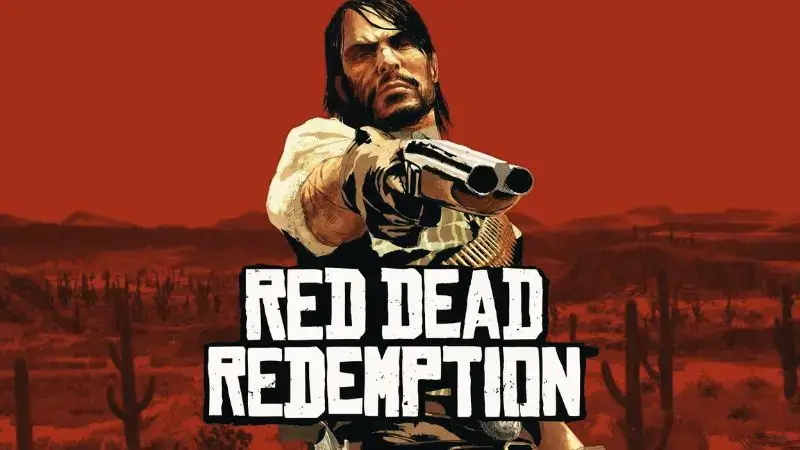
John’s journey takes him across the fictional states of New Austin and West Elizabeth, and into Nuevo Paraíso in Mexico, encountering a diverse cast of characters who embody various facets of the fading frontier. The narrative brilliantly subverts the typical revenge story, instead delving into profound questions of redemption and punishment. Players soon discover that the game is less about simple retribution and more about the inescapable nature of a blood-stained past, the sacrifices true redemption demands, and the self-perpetuating cycle of violence. This complex conflict infuses every conversation with weight and transforms a quest for vengeance into a deeply personal odyssey for John’s soul and family.
The Power of the Spoken Word: Crafting Iconic Dialogue
The dialogue in Red Dead Redemption is not merely functional; it is integral to the game’s artistic success. Written with a keen ear for period-appropriate vernacular and a deep understanding of character psychology, the script serves multiple purposes: it advances the plot, reveals character depth, injects humor, and underscores the game’s overarching themes. From John Marston’s laconic observations to the grandiose pronouncements of Dutch van der Linde, each line is carefully constructed to resonate with the player. The game’s writers expertly balanced gritty realism with moments of poetic reflection, ensuring that the conversations felt authentic to the harsh realities of the Wild West while still delivering profound emotional impact. This commitment to superior writing is a significant factor in the game’s lasting appeal and its ability to provoke thought long after the credits roll.
Voices of the Frontier: Key Character Quotes and Their Resonance
The characters of Red Dead Redemption are brought to life not just by their actions but by their words. Their dialogue offers windows into their souls, their struggles, and their place in a changing world.
John Marston
As the protagonist, John Marston is a man of few words, yet his dialogue is sharp, honest, and often imbued with a dry, weary humor. A former member of Dutch van der Linde’s gang, his past haunts him, fueling his desperate desire to protect his family and forge a peaceful life. His lines often reflect his pragmatism, his regret, and his unwavering determination.
- "People don’t forget. Nothing gets forgiven."
- This quote encapsulates John’s profound understanding of the irreversible nature of his past. It highlights the game’s central theme that true escape from one’s history is often an illusion, setting a somber tone for his journey.
- "I ain’t no hero. I’m just a man who’s trying to get his family back."
- Marston’s self-assessment reveals his humility and his core motivation. He isn’t driven by grand ideals but by a primal, relatable desire for family, making his struggles all the more human.
- "Revenge is a fool’s game."
- This line, spoken by a man forced into a quest that often feels like revenge, is laden with irony and foreshadowing. It speaks to the futility of endless cycles of violence, a concept central to the game’s tragic conclusion.
- "We’re all just trying to get by."
- A simple yet profound statement that universalizes the struggles of the characters in the harsh frontier. It hints at the moral ambiguities of the world, where survival often blurs the lines between right and wrong.
- "Some things you can’t outrun."
- Another poignant reflection on the inescapable past, particularly relevant to John’s inability to truly leave his outlaw life behind, no matter how hard he tries.
Jack Marston
John’s son, Jack, is introduced as a mild-mannered, intelligent boy who harbors a deep belief in his father’s capacity for good, despite his violent history. His character arc, especially his transformation after the events of the main story, is one of the most tragic and powerful elements of the game.
- "Are you gonna be a good man, papa?"
- This innocent question from Jack cuts to the heart of John’s struggle for redemption. It’s a plea for hope and a reflection of the profound impact a father’s actions have on his son’s perception.
- "You killed my father!"
- Jack’s declaration to Edgar Ross in the "Redemption" epilogue is a gut-wrenching moment. It marks his tragic descent into the very cycle of violence his father tried to escape, signifying the failure of John’s quest for a peaceful future for his family.
- "I’m gonna be a writer, Papa. Or maybe a cowboy, like you."
- This line, spoken early in the game, highlights Jack’s youthful dreams and the conflicting influences on his life. It tragically foreshadows the path he ultimately takes, not as a writer, but as a cowboy seeking vengeance.
Edgar Ross
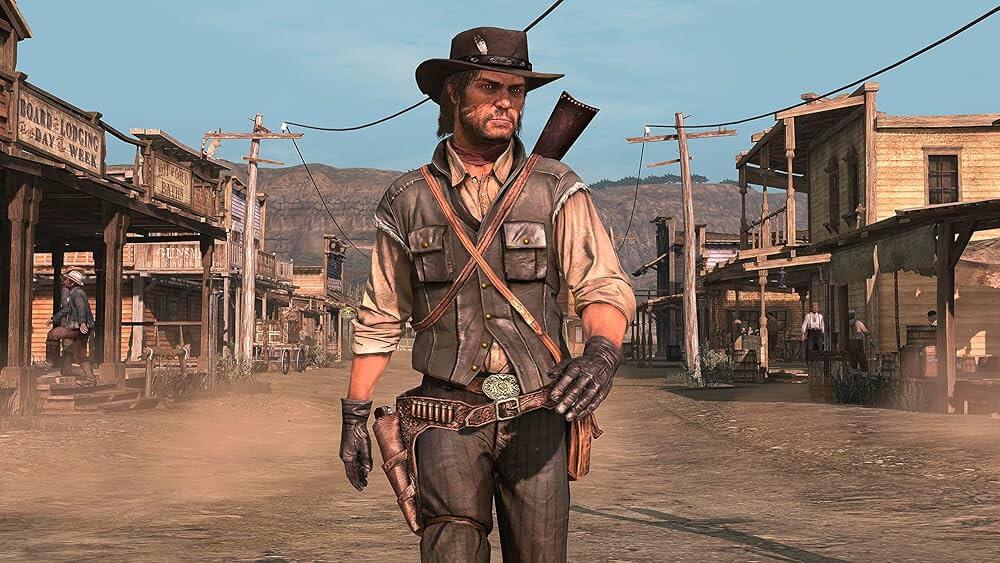
Federal Agent Edgar Ross serves as the primary antagonist, a cynical and manipulative figure who embodies the cold, calculated cruelty of the burgeoning modern state. His methods betray the justice he purports to uphold, making him a morally ambiguous character who represents the oppressive force against the remnants of the old world.
- "You’re a relic, Marston. A ghost from a bygone era."
- Ross’s assessment of John is cutting and accurate. It highlights the game’s theme of the fading frontier and positions John as a symbol of a world that is being systematically dismantled by figures like Ross.
- "You can’t fight progress, Marston. It always wins."
- This statement encapsulates Ross’s belief in the inevitability of the new order and his role in establishing it. It’s a stark reminder of the forces John is up against, forces that are larger and more powerful than any individual outlaw.
- "There ain’t no such thing as ‘good’ or ‘bad’ men, Marston. Just men who do what they gotta do."
- Ross’s cynical philosophy mirrors John’s own pragmatic view of survival but lacks Marston’s underlying moral compass. It reveals the amoral nature of the federal agents and the brutal pragmatism of the new era.
Other Memorable Voices
The supporting cast of Red Dead Redemption is equally rich, with characters who contribute significantly to the game’s atmosphere and thematic depth.
- Dutch van der Linde: "We can’t fight change. We can’t fight gravity. We can’t fight nothing. My whole life, all I ever did was fight."
- Dutch’s lament reflects the despair of a man who once championed freedom but is now overwhelmed by the forces of modernity and his own declining ideals. It’s a poignant admission of defeat from a once-charismatic leader.
- Abraham Reyes: "The truth, like gold, is to be found everywhere, if you dig for it."
- Reyes, a revolutionary, offers philosophical insights that resonate with John’s quest for understanding and truth amidst the chaos.
- Nigel West Dickens: "Ah, the irony! A man of medicine, forced to peddle snake oil."
- Dickens’ self-aware humor adds levity while also subtly commenting on the desperation and charlatanism prevalent in the fading frontier.
Lighter Moments: A Glimmer of Humor Amidst the Darkness
Despite its often grim themes, Red Dead Redemption also masterfully weaves in moments of dry humor and comedic relief, proving that even in the harshest landscapes, humanity finds reasons to smile or scoff.
- "I’d rather be shot than listen to that woman talk any longer."
- A typical John Marston line, showcasing his dry wit and impatience with verbose characters, providing a brief, relatable moment of exasperation.
- "You’re an American. You don’t have to explain yourself to anyone."
- This quip often comes from a minor character and serves as a humorous jab at national stereotypes and individualistic pride, a lighthearted commentary on the American spirit.
- "I shot him in the leg! He’ll be fine. Probably."
- This line, often delivered after a less-than-lethal engagement, adds a touch of dark humor to the game’s violent encounters, showing the casual brutality and pragmatic mindset of the era.
Beyond the Words: The Game’s Enduring Legacy
The dialogue in Red Dead Redemption is far more than just spoken lines; it is the backbone of its narrative, the heart of its characters, and a significant contributor to its enduring cultural impact. These quotes, whether bitter, beautiful, or outright funny, serve as poignant reminders of a world on the cusp of profound change and the individuals caught in its wake. The game’s intricate script elevated video game storytelling, proving that the medium could tackle complex themes with the nuance and depth typically associated with literature or film.
Red Dead Redemption‘s influence can be seen in subsequent narrative-driven games, which increasingly prioritize compelling characters and sophisticated dialogue. Its success paved the way for more ambitious narratives in gaming, including its own critically acclaimed prequel, Red Dead Redemption 2, which further explored the origins of Dutch’s gang and the tragic trajectory of its members. The dialogue, steeped in themes of family, loyalty, justice, and the inescapable past, ensured that John Marston’s story resonated deeply with players, cementing Red Dead Redemption as a timeless classic in the annals of video game history. It remains a testament to the power of well-crafted words to transform a mere game into a profound artistic experience.
About the Author







