The landscape of personal computing is undergoing a profound transformation, moving beyond the relentless pursuit of raw processing speed to an era defined by intelligent design, efficiency, and miniaturization. This sentiment, articulated by prominent tech blogger and software developer Jeff Atwood, author of the widely read "Coding Horror," marks a significant pivot in the PC hardware industry. Atwood, known for his incisive commentary on technology trends, observes that after years of what felt like incremental and "boring" upgrades, the true innovation now lies in packing maximum power into minimum physical space, signaling that "the PC is over" in its traditional, bulky form.
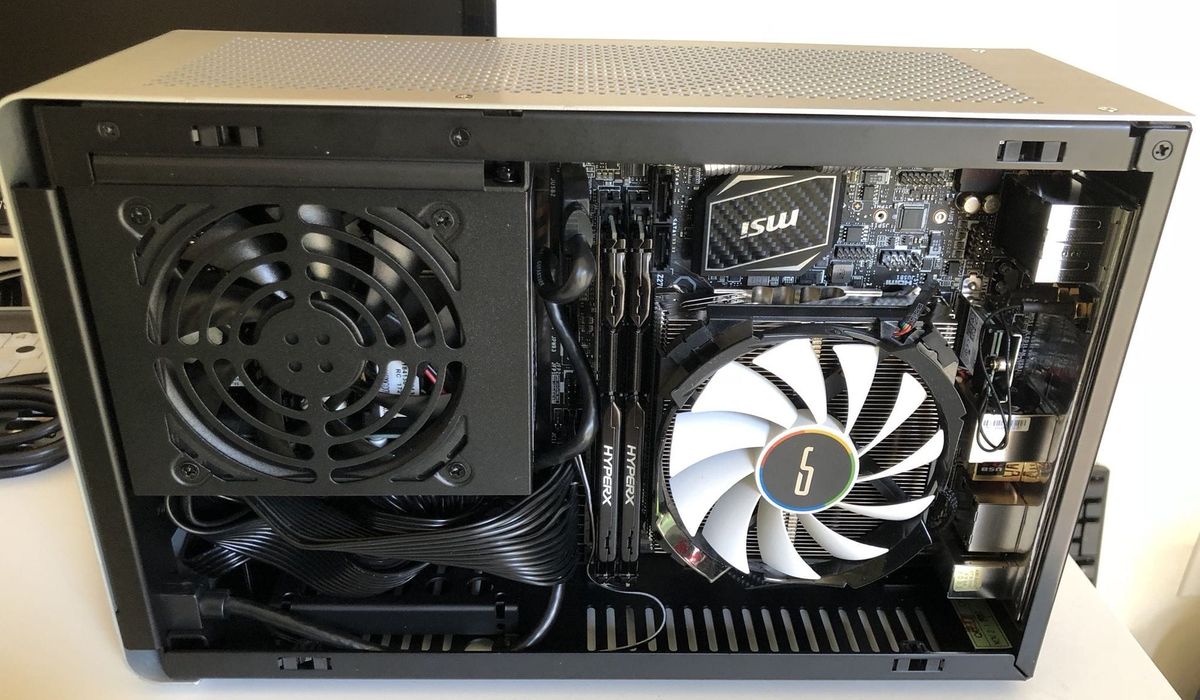
For many years, the personal computer industry was characterized by a seemingly endless cycle of larger cases accommodating more powerful, often hotter, components. From the towering beige boxes of the 1990s to the elaborate, multi-fan, liquid-cooled behemoths of the 2000s, bigger often meant better, or at least, more capable. However, as Atwood points out, his own prolonged upgrade cycle—keeping the same PC case since 2011 and a major system overhaul only in 2015—underscores a shift. The once exhilarating ritual of a full system upgrade has become less frequent for many enthusiasts, suggesting a maturity in PC technology where performance gains are now sufficient for most users for longer periods. This trend aligns with broader market observations that while individual component performance continues to advance, the overall user experience for everyday tasks has reached a point of diminishing returns for general consumers, leading to less frequent hardware refreshes.
The Rise of Small Form Factor (SFF) Computing

The current frontier of innovation, according to Atwood, is the burgeoning Small Form Factor (SFF) PC market. SFF refers to desktop computers built into cases significantly smaller than conventional ATX towers, often leveraging mini-ITX motherboards. This movement prioritizes compactness, aesthetics, and portability without compromising on performance. The goal is to deliver "maximum power in minimum size," a design philosophy that resonates with modern living spaces and the desire for unobtrusive technology.
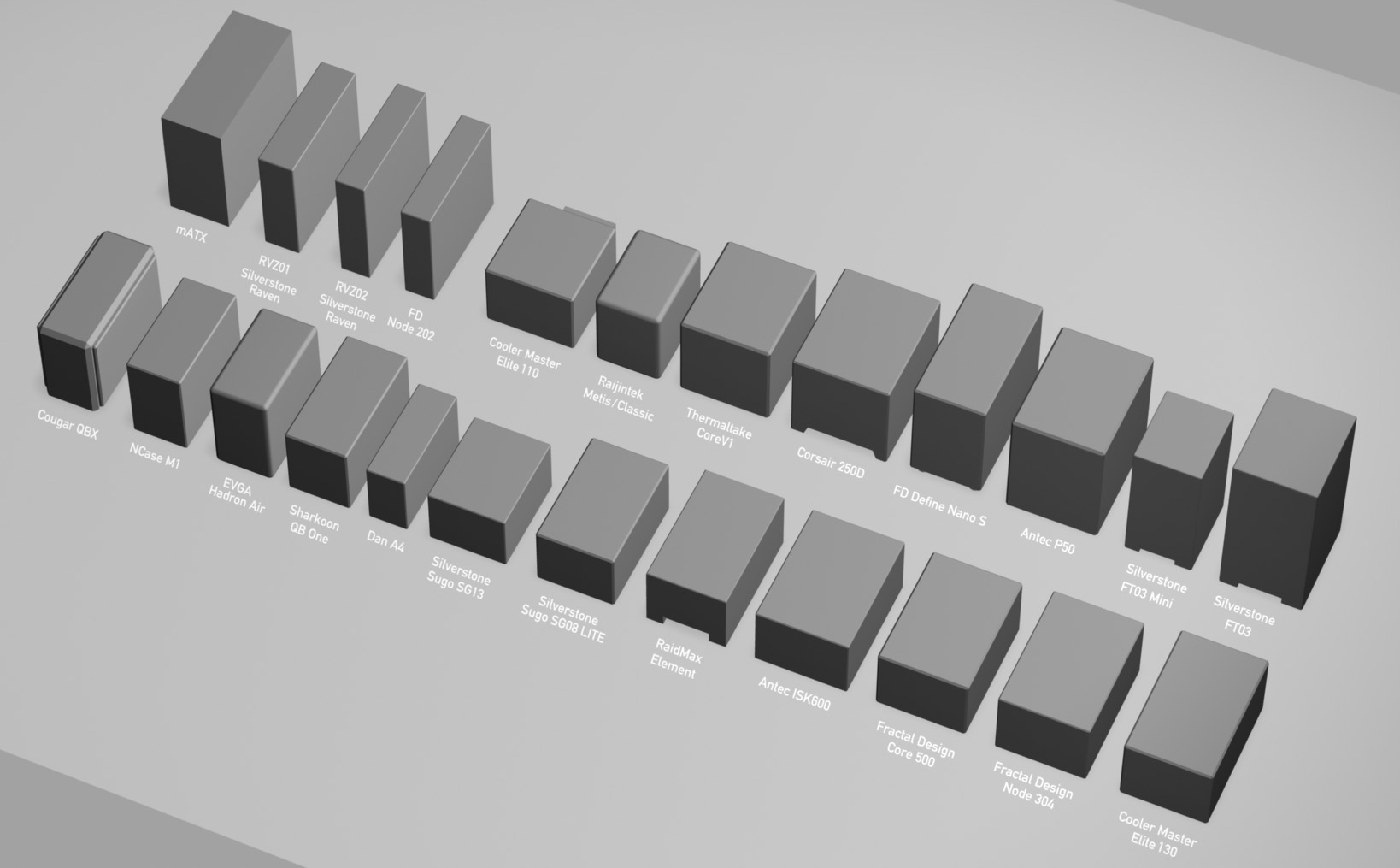
Atwood’s latest personal build exemplifies this shift, as he explored several leading SFF cases. Among his top choices were the Dan A4 SFX and the Streacom DA2. The Dan A4 SFX, a marvel of engineering, boasts an incredibly compact volume of just 7.3 liters. To put this into perspective, a PlayStation 4 Pro occupies 5.3 liters, and an Xbox One S measures 4.3 liters. This means the A4 SFX offers substantially more than twice the computational power of a modern console in a footprint only about 50% larger, a remarkable feat of component density and thermal management. Other notable SFF contenders he referenced include the Silverstone RVZ02/ML08 (12.2 liters) and the nCase M1 (12.6 liters), both highly regarded in the SFF community for balancing size and capability.
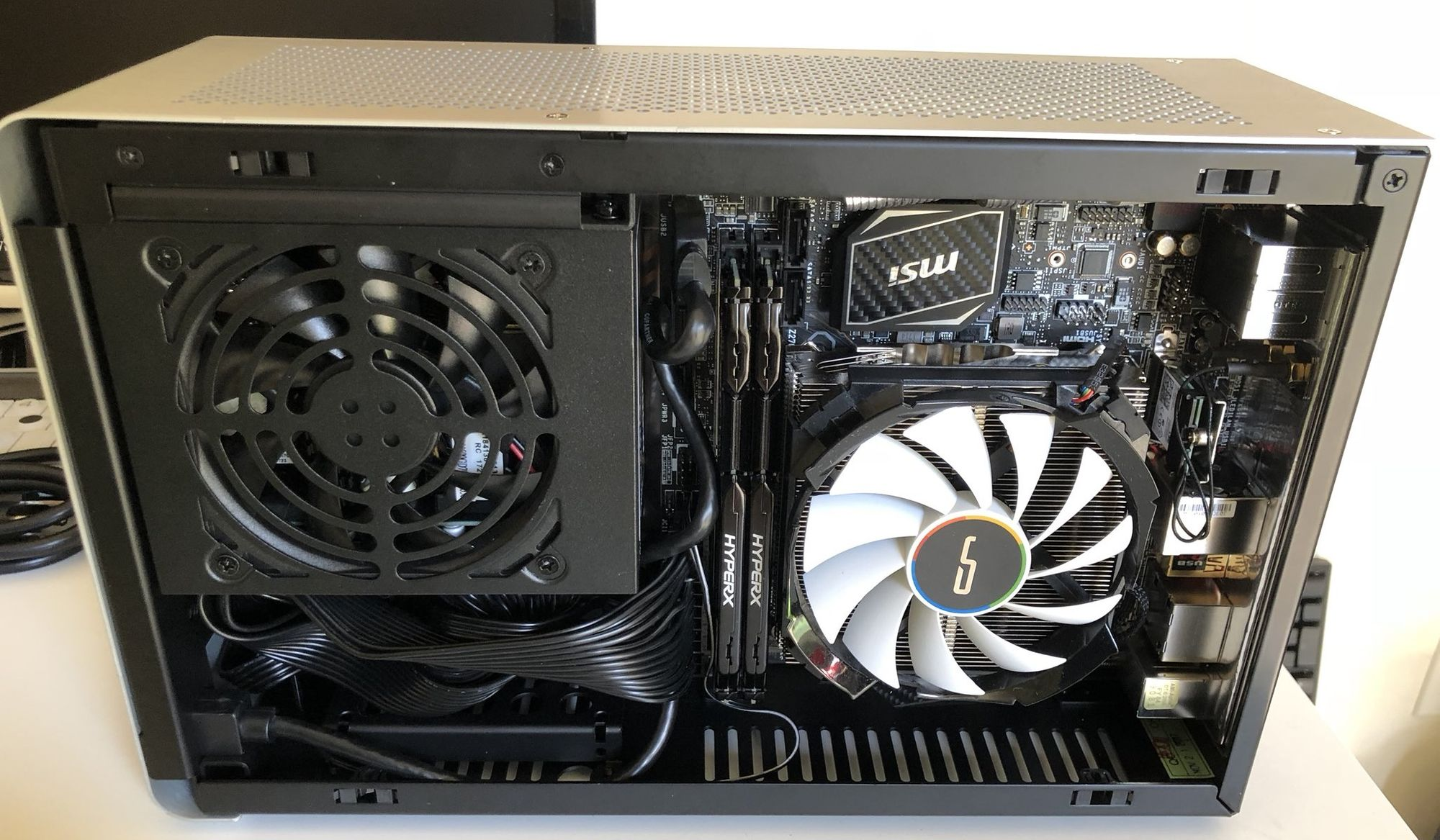
Ultimately, Atwood chose the Streacom DA2 for his primary system, a slightly larger SFF case at 17.5 liters. His decision highlights a crucial consideration in SFF building: while ultra-compact cases like the Dan A4 SFX are impressive, they often impose significant constraints on cooling powerful, high-end components. The DA2, with its comparatively generous internal volume, offers more flexibility for managing the thermal output of flagship CPUs and GPUs, ensuring stability and optimal performance under sustained loads. This pragmatic choice underscores that while miniaturization is key, practical considerations like effective cooling remain paramount for a truly high-performance system.
A Deep Dive into the Streacom DA2 and Modern PC Building
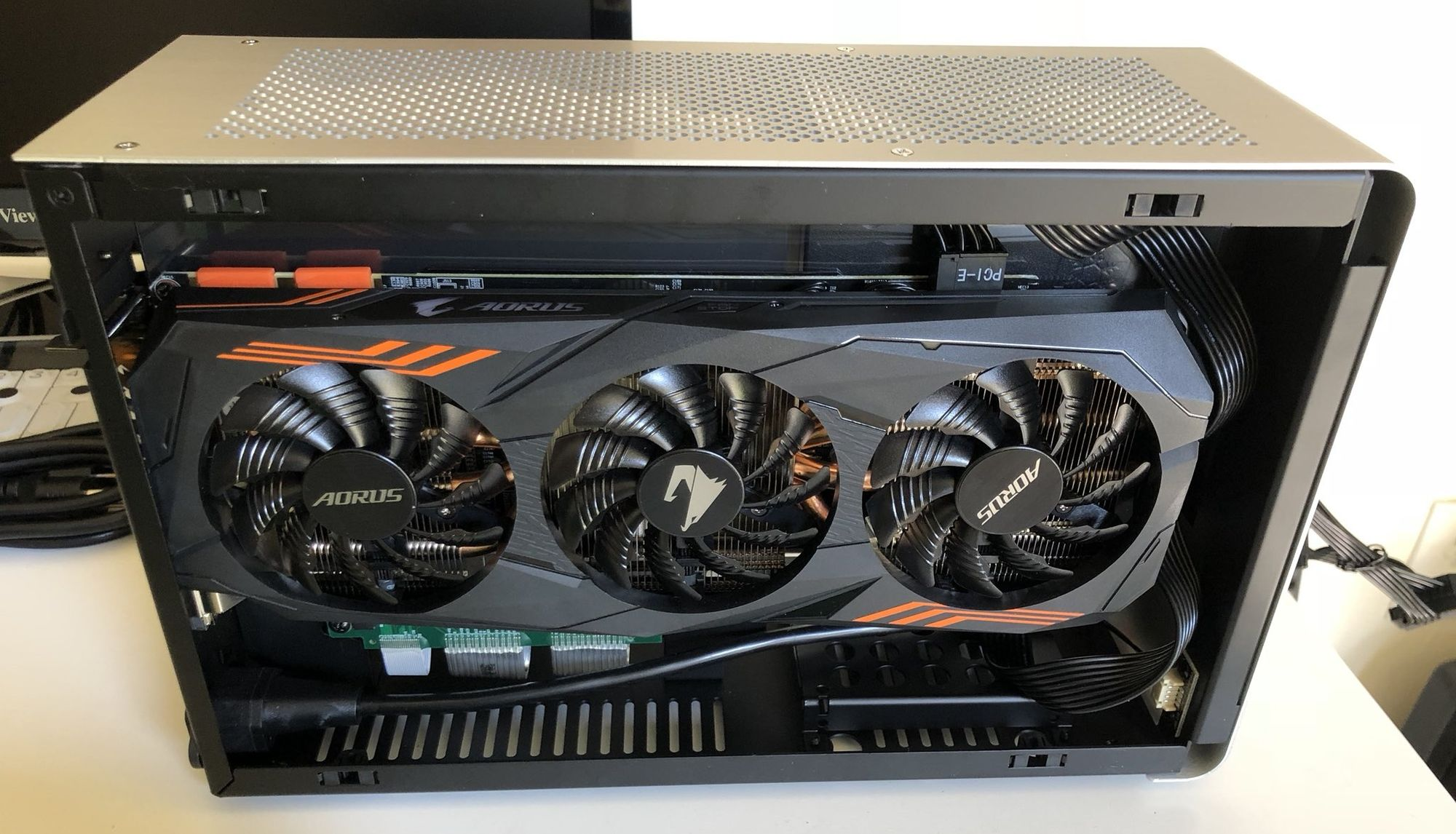
The Streacom DA2 case, chosen by Atwood, embodies the innovative spirit of the SFF movement. Its design features a hybrid open-air approach, with ventilation at the top and bottom, and a highly versatile internal bracket system. This modular interior allows builders to configure components in numerous ways, optimizing for specific hardware choices and cooling requirements. The manual for the DA2 showcases the extensive bracket mounting options, which are easily adjustable using a clever captured nut and bolt design, simplifying the often-fiddly process of SFF assembly.
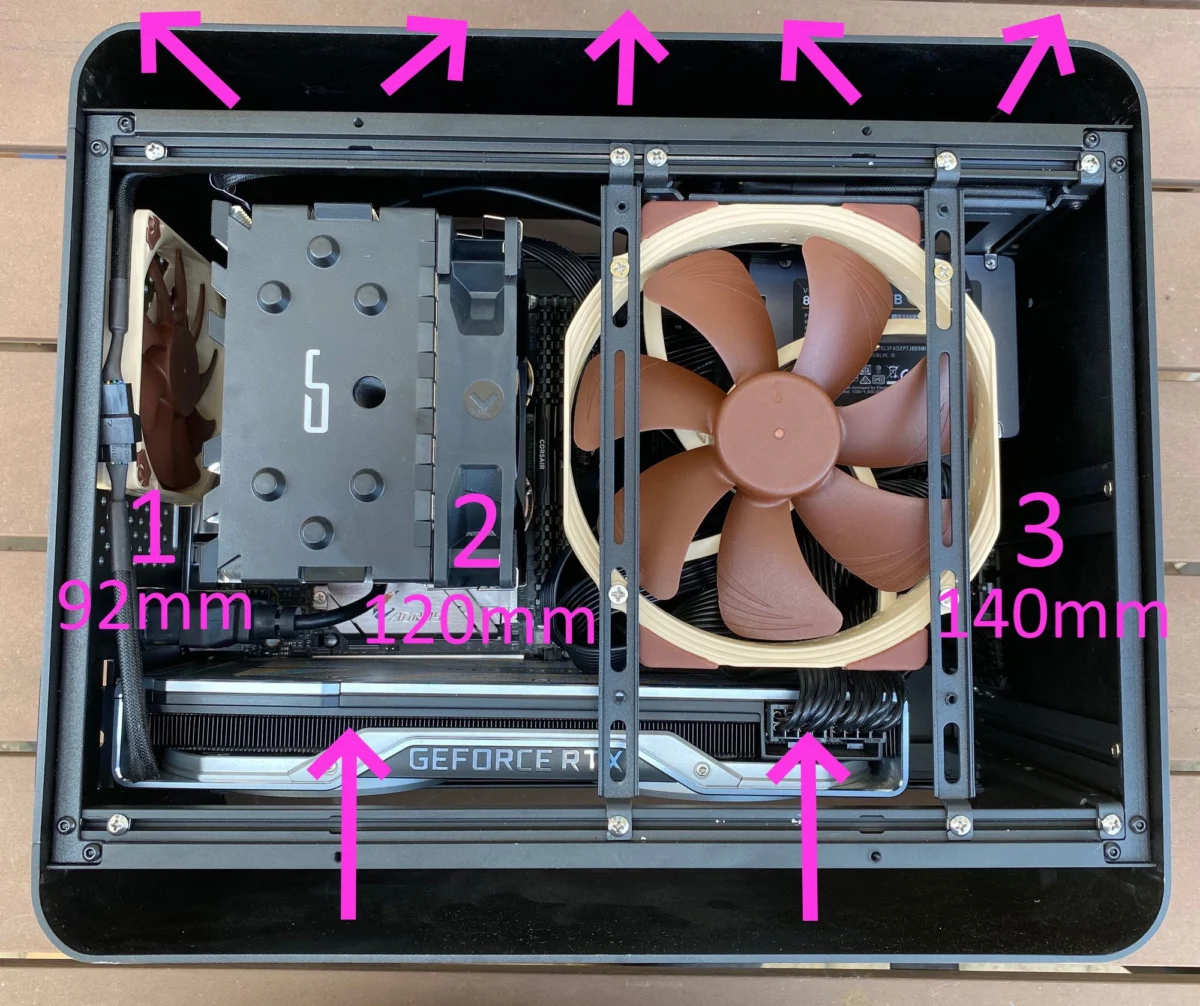
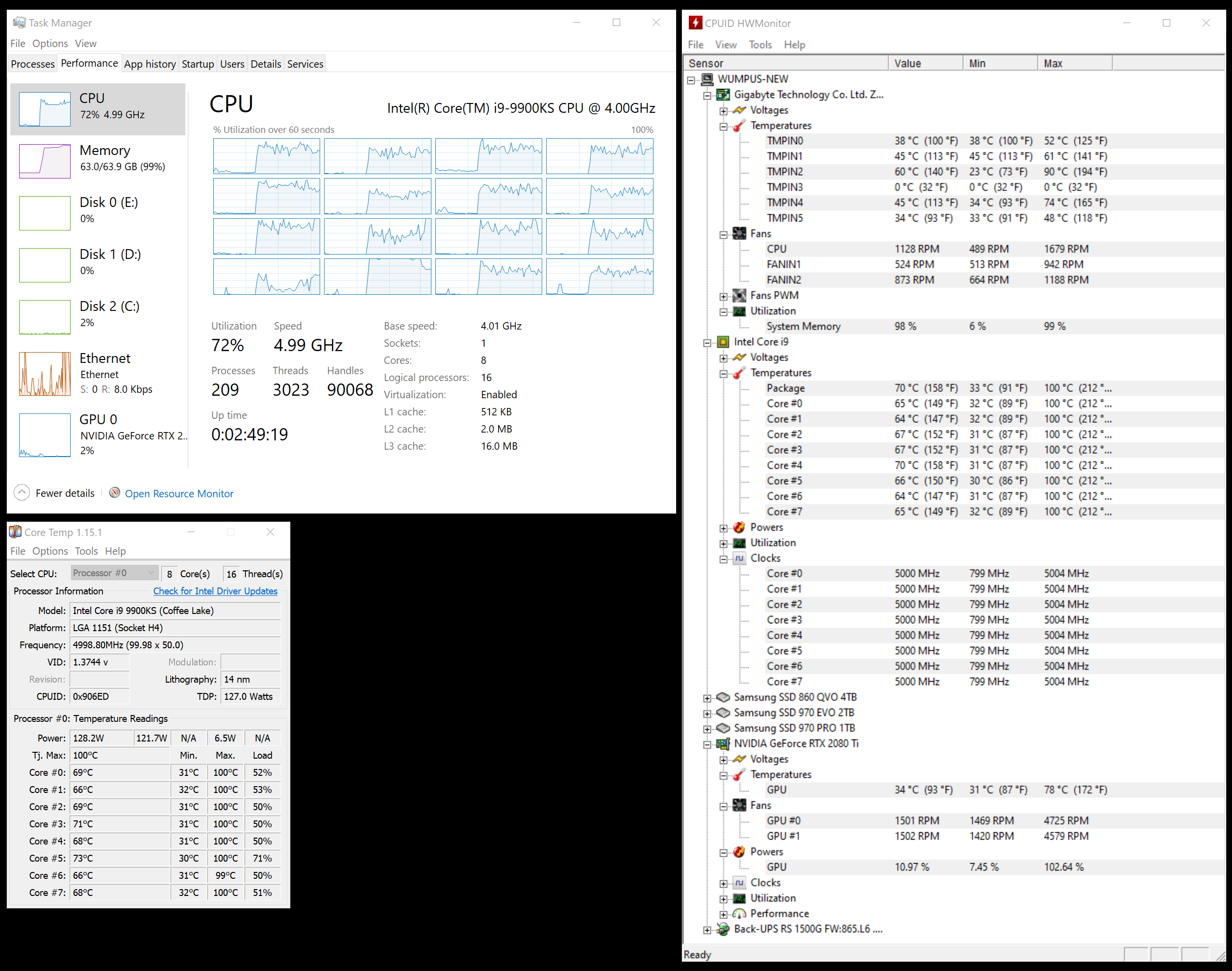
A critical discovery during Atwood’s build process involved optimizing airflow within the DA2. He found that removing the pre-installed acrylic pieces with mesh dust filters from the top and bottom panels dramatically improved temperatures. This modification allowed the case to "breathe" more effectively, compensating for the DA2’s solid front panel which lacks direct air intake. This practical insight offers valuable guidance for other builders, emphasizing that in SFF systems, every cubic millimeter of airflow potential must be leveraged, especially when pushing high-performance components. His recommended configuration includes three fans, strategically placed to ensure optimal thermal dissipation for both the CPU and GPU.
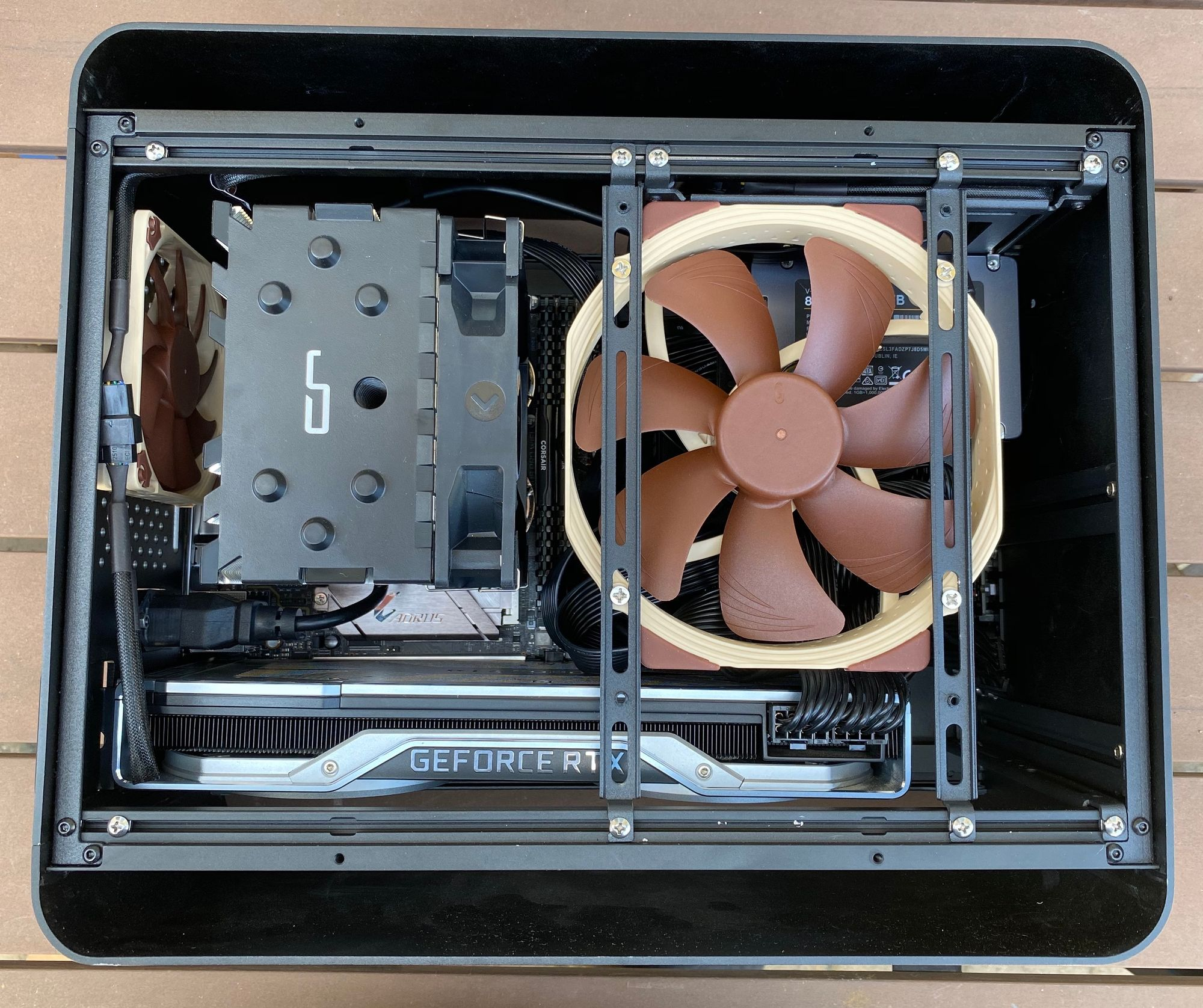
Atwood’s new system represents a significant leap from his 2015-2017 build, which featured a slightly overclocked Intel Core i7-7700K. While specific component models for his current build are not detailed, he notes that it offers double the CPU cores, faster clock rates, improved instructions per cycle (IPC), double the system memory, and two M.2 slots for NVMe solid-state drives, compared to his previous single M.2 slot. These upgrades are characteristic of modern high-end systems, which typically feature multi-core CPUs from Intel (e.g., Core i7/i9) or AMD (e.g., Ryzen 7/9), paired with powerful graphics cards from NVIDIA (e.g., RTX 40-series) or AMD (e.g., Radeon RX 7000-series), along with 32GB or 64GB of DDR4 or DDR5 RAM. Such configurations demand robust cooling solutions, even within the constraints of an SFF case.
Thermal Management and Stability in SFF Builds
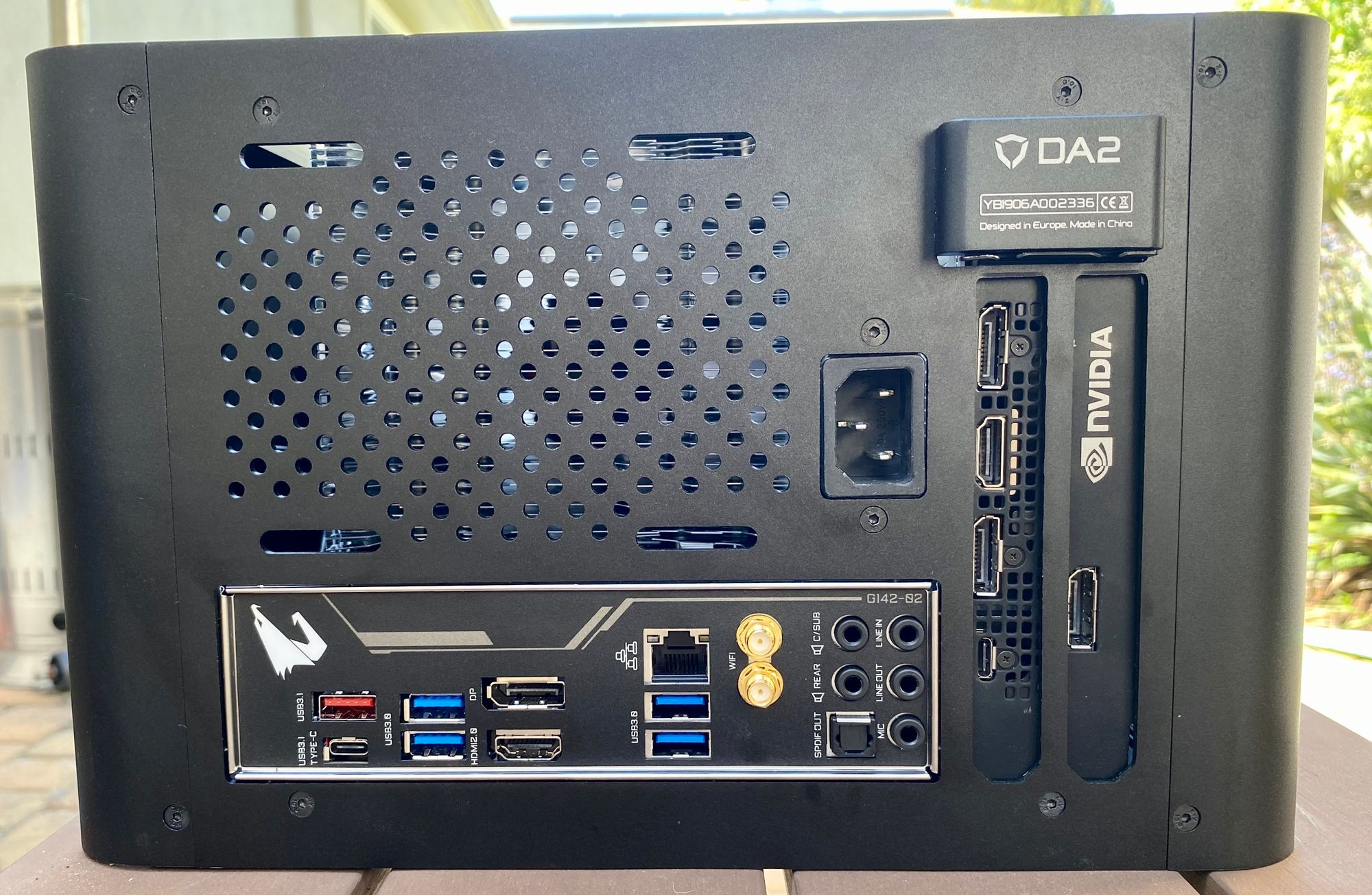
Thermal management is arguably the biggest challenge and area of innovation in SFF computing. Cramming powerful, heat-generating components into a confined space requires meticulous planning and efficient cooling solutions. Atwood’s rigorous "burn-in testing" of his new machine, a standard practice for ensuring system stability under heavy load, attests to the importance of thermal validation. He acknowledges that for those who anticipate sustained, full CPU and GPU loads, water cooling might become a necessity due to the inherent space limitations of SFF cases. While Atwood himself expresses a preference for air cooling due to past "traumatic cooling fluid leaks," the option for custom or all-in-one (AIO) liquid cooling solutions is often integrated into SFF case designs, allowing enthusiasts to push performance boundaries further. The Streacom DA2, for instance, can accommodate a 140mm radiator, enabling effective liquid cooling for high-TDP (Thermal Design Power) components.
The broader implications of Atwood’s observations extend to the accessibility of PC building. He notes that constructing a modern PC is "easier than it has ever been." The modular nature of components, simplified cabling, and user-friendly designs of motherboards and cases have significantly lowered the barrier to entry for new builders. With M.2 drives, RAM, CPUs, and coolers being relatively straightforward to install on the motherboard before it’s even placed in the case, the assembly process has become more streamlined. This ease of construction, combined with the aesthetic appeal of SFF, could draw a new generation of users into the world of custom PC building, moving away from pre-built systems that often lack the personalization or optimal component choices desired by enthusiasts.
Broader Impact and Future Implications
The growing popularity of SFF PCs represents a significant market trend and a response from hardware manufacturers to evolving consumer preferences. Companies like Dan Cases, Streacom, and nCase are at the forefront of this movement, designing cases that challenge conventional notions of desktop size. The existence of niche manufacturers like Yuel Beast Designs, which offers unique open-air SFF designs like the Motif Monument, further illustrates the vibrant and innovative ecosystem surrounding compact computing.
This shift has several implications for the future of personal computing:
- Aesthetics and Integration: SFF PCs are designed to be more visually appealing and seamlessly integrate into modern living and working environments. Their smaller footprint means they are less intrusive and can blend into minimalist setups, home theaters, or compact office spaces without dominating the desk.
- Performance Density: The SFF movement pushes component manufacturers to innovate in terms of power efficiency and heat dissipation. The demand for powerful yet cool-running CPUs, GPUs, and power supplies is driving advancements that benefit the entire industry.
- Portability (Limited): While not truly mobile like laptops, SFF PCs offer a degree of portability that traditional towers do not. They are easier to transport to LAN parties, different rooms, or even between residences, making them ideal for users who need a powerful desktop experience in multiple locations.
- Market Segmentation: SFF caters to a distinct segment of users who value a balance of performance, aesthetics, and space efficiency. This includes gamers, content creators, and professionals who require high computational power but prefer a compact setup.
- Sustainability: A smaller physical footprint can potentially lead to more efficient use of materials in manufacturing and shipping, aligning with broader trends towards more sustainable technology.
In conclusion, Jeff Atwood’s latest PC upgrade journey is more than just a personal project; it serves as a microcosm of a larger industry paradigm shift. The era of "boring" upgrades focused solely on raw speed is giving way to a more sophisticated phase of innovation centered on intelligent design and spatial efficiency. The rise of high-performance Small Form Factor PCs, capable of delivering immense power in incredibly compact packages, is not merely a niche trend but a significant indicator of the future direction of personal computing. As technology continues to evolve, the ability to "pack all that power into less than 20 liters of space" will likely define the next decade of desktop innovation, making powerful computing more accessible, aesthetically pleasing, and integrated into our daily lives than ever before.
About the Author