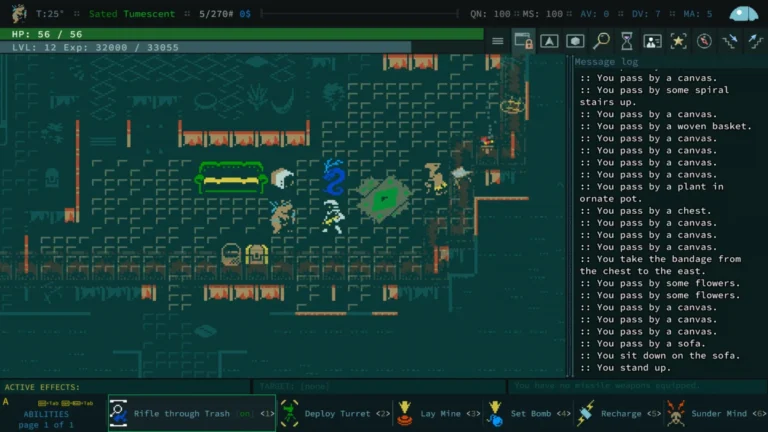
The vast and intricate tapestry of video game history is woven with decades of relentless innovation, stretching from the rudimentary digital experiments of OXO (1952) and Tennis for Two (1958) to the breathtaking complexity of modern blockbusters like Monster Hunter: World (2018) and the eagerly anticipated Black Myth: Wukong (2024). This monumental journey has seen the creation of an estimated five million video games globally, a number that continues to swell annually, presenting an ever-present challenge for game designers: how to conceive and execute truly fresh, engaging, and impactful interactive experiences.
Innovation in game design rarely springs from an entirely blank slate. More often, it manifests as a brilliant reimagining of established systems, a creative "thinking outside the box" that pushes existing boundaries while remaining acutely aware of technical limitations and production realities. The most successful video game design ideas are those that craft systems capable of responding dynamically to player choices, actively encourage experimentation, and support a meaningful, satisfying sense of progression. This article delves into a curated selection of proven game design philosophies and practical approaches, offering insights into creating games that are both deeply engaging for players and realistically implementable for developers.
The Genesis of Interactive Worlds: A Brief History of Game Design
The rudimentary beginnings of video games in the mid-20th century laid the groundwork for an industry that would eventually eclipse traditional entertainment mediums. OXO, a digital tic-tac-toe game developed by A.S. Douglas for his Ph.D. thesis at the University of Cambridge, demonstrated the potential for human-computer interaction. A few years later, in 1958, William Higinbotham’s Tennis for Two, displayed on an oscilloscope at Brookhaven National Laboratory, captivated visitors with its simple yet compelling physics-based gameplay, becoming one of the earliest examples of an electronic game designed purely for entertainment. These early pioneers, operating with extremely limited hardware, were forced to innovate within severe constraints, inadvertently establishing a core principle of game design: creativity thrives within boundaries.
As technology advanced through the arcade boom of the 1970s and 80s, the console wars, the rise of PC gaming, and the subsequent indie revolution, design challenges evolved. Early games focused on high scores and simple loops, while later titles began to explore narrative, complex mechanics, and expansive virtual worlds. The fundamental goal, however, remained constant: to create an experience that resonates with the player. The transition from purely technical demonstrations to commercially viable entertainment required designers to understand not just what was possible, but what was fun and engaging.
The Imperative of Player-Centric Design
Modern game design transcends mere technical proficiency; it aims to evoke emotion, stimulate thought, and encourage exploration. While relying on established tropes can provide a quick path to development, truly memorable games distinguish themselves through a fresh perspective or a unique angle. This necessitates drawing inspiration from successful design paradigms and understanding the underlying principles that make them work. The ultimate measure of a game’s success often lies in its ability to foster a profound connection with its audience, transforming passive consumption into active participation and discovery.
Ten Foundational Pillars of Modern Game Design
The following design concepts represent powerful frameworks that have consistently delivered compelling player experiences, demonstrating how thoughtful innovation can redefine interactive entertainment.
1. Knowledge as Progression: Rethinking Time Loops
Traditional time loop mechanics often focus on players retaining tangible assets like stronger equipment or increased stats upon each reset. However, a more profound and engaging approach emphasizes the retention of knowledge. When players carry forward their understanding of the game world, its secrets, and its intricate systems, each loop transforms from repetitive grinding into an opportunity for strategic re-evaluation and deeper discovery. This fosters a unique form of progression where intellectual mastery becomes the primary reward.
Consider Outer Wilds, a critically acclaimed title where the entire solar system resets every 22 minutes. The player’s ship and inventory reset, but their accumulated knowledge of planetary phenomena, ancient alien ruins, and the underlying mystery persists. Every discovered clue, every solved puzzle, unlocks new pathways and informs subsequent cycles, allowing players to navigate the universe more efficiently and piece together a grand narrative. This design powerfully illustrates that knowledge, in itself, can be the most rewarding form of progression, encouraging players to think, deduce, and truly inhabit the role of an explorer. Industry critics widely lauded Outer Wilds for its innovative approach, highlighting how it redefined narrative delivery within a time-loop framework, leading to widespread discussion on player agency and emergent storytelling.

2. Asymmetrical Multiplayer: Dynamics of Disparity
The conventional wisdom in multiplayer game design often dictates perfectly balanced roles and equal abilities to ensure fair competition. However, asymmetrical multiplayer design deliberately introduces varied information, distinct abilities, and disparate objectives among players or teams. This intentional imbalance creates unique interactions that demand adaptation, strategic thinking, and often, enhanced teamwork. The core challenge lies in making every role feel valuable and enjoyable, despite their inherent differences.
Dead by Daylight exemplifies this principle with its 4v1 survival horror format. One powerful Killer hunts four Survivors, each with entirely distinct goals, abilities, and perspectives. The Killer aims to sacrifice the Survivors, while the Survivors must repair generators and escape. The tension and replayability of the game stem not from equal power levels, but from the dynamic interplay between these opposing systems. Players must constantly adapt to the unique strengths and weaknesses of their roles and their opponents, leading to unpredictable and thrilling encounters. This model has proven immensely popular, demonstrating that well-executed asymmetry can create deep strategic layers and foster a vibrant, engaged community, influencing a new wave of multiplayer titles exploring similar divergent gameplay experiences.
3. Environmental Storytelling: Narrative Through Immersion
While lengthy cutscenes can effectively deliver narrative information, players often retain details more vividly when they discover them organically within the game world. Environmental storytelling leverages visual details—level design, objects, architecture, graffiti, and character models—to subtly reveal lore, past events, and character motivations without interrupting gameplay. This approach immerses players deeper into the world, rewarding their curiosity and critical observation skills.
The Dark Souls series is a masterclass in environmental storytelling. Its fragmented narrative rarely explains its lore directly; instead, players piece together the cryptic history of its decaying world through the placement of enemies, the architecture of ruined castles, the melancholic descriptions of items, and the subtle cues embedded in its desolate landscapes. This method encourages players to actively engage with the world, fostering a sense of mystery and depth that traditional exposition might fail to achieve. The success of Dark Souls underscored the power of indirect narrative, influencing countless subsequent titles to adopt more subtle, immersive storytelling techniques, with players often forming communities dedicated to deciphering intricate lore.
4. Dynamic Difficulty Adjustment (DDA): Tailoring the Challenge
A fixed difficulty setting, while straightforward, often fails to provide an optimal experience for all players. Dynamic Difficulty Adjustment (DDA) is a system that modifies certain gameplay elements—such as enemy numbers, health, damage, or item drop rates—based on a player’s real-time performance. This intelligent adaptation ensures that the game maintains a consistent sense of challenge, preventing frustration for struggling players and boredom for those excelling, without making the experience feel overtly unfair or manipulated.
Left 4 Dead, Valve’s cooperative first-person shooter, famously employs an "AI Director" that monitors player performance and adjusts enemy encounters, item placement, and environmental hazards accordingly. If players are performing well, the Director might increase the frequency of special infected or spawn hordes in unexpected locations. Conversely, if players are struggling, it might provide more health packs or reduce enemy pressure. This system keeps each session unpredictable and tense, providing a "movie-like" experience where the pacing ebbs and flows with player skill. DDA has been praised for enhancing replayability and making games more accessible to a wider audience, though its implementation requires careful calibration to avoid player detection and maintain a sense of organic challenge.
5. Skill-Based Execution: Mastery Over Metrics
Games that prioritize player execution over numerical upgrades often deliver a more profound sense of satisfaction. Systems built around precise timing, strategic positioning, and meticulous input create a direct feedback loop where improvement is a result of practice and understanding, rather than simply grinding for higher stats or better gear. This approach fosters a deep sense of accomplishment as players visibly refine their abilities.
Sekiro: Shadows Die Twice stands as a testament to skill-based design. Its combat system emphasizes perfectly timed parries, deflections, and precise attacks to break an enemy’s posture rather than simply depleting a health bar. Victory is contingent upon mastering the intricate dance of combat mechanics, learning enemy patterns, and reacting with split-second precision. This focus on player mastery cultivates a powerful connection between the player’s actions and the game’s outcomes, making each triumph feel earned and deeply rewarding. The game received critical acclaim for its uncompromising yet fair combat, inspiring a renewed appreciation for demanding, skill-centric gameplay in the action genre.
6. Non-Linear Exploration: Empowering Player Agency
Effective game design grants players the freedom to explore at their own pace while simultaneously ensuring meaningful progress. Non-linear design encourages curiosity and rewards players for revisiting areas with newly acquired abilities, tools, or knowledge. This contrasts with strictly linear experiences by offering multiple paths, hidden secrets, and interconnected environments that invite players to chart their own course.
Hollow Knight, a critically lauded Metroidvania, excels in delivering a profound sense of freedom within a structured progression system. Players can explore vast, interconnected caverns and forgotten cities in almost any order, with new areas becoming accessible as they unlock movement abilities (like double jump or dash) or discover hidden passages. This approach empowers players to forge their own adventure, yet still guides them towards key objectives and boss encounters. The intricate world-building and rewarding exploration in Hollow Knight demonstrate how non-linear design, when meticulously crafted, can enhance replayability, foster a sense of discovery, and create a truly memorable journey. Its success highlighted the enduring appeal of the Metroidvania genre when executed with masterful world design and player agency.
7. Narrative-Gameplay Integration: Cohesive Experiences
For a game to be truly immersive and memorable, its story must be reinforced by its gameplay mechanics. This principle, often referred to as avoiding "ludonarrative dissonance," dictates that player actions and the game’s core loops should align seamlessly with its overarching themes and narrative. When gameplay and narrative work in concert, they deliver deeper meaning, context, and emotional resonance.
Papers, Please, a unique puzzle simulation game, perfectly illustrates narrative-gameplay integration. Players assume the role of an immigration inspector in a fictional totalitarian state, meticulously checking documents against an ever-changing rulebook. The monotonous, bureaucratic gameplay directly mirrors the oppressive and dehumanizing atmosphere of the regime. The ethical dilemmas faced by the player—whether to follow strict rules, accept bribes, or help desperate individuals—are presented through the very act of processing documents, forcing players to confront the moral weight of their decisions within the game’s core mechanics. This profound integration garnered widespread critical praise, demonstrating that even seemingly mundane tasks can become powerful narrative tools when aligned with thematic intent.

8. Verticality in Level Design: Expanding Spatial Dynamics
Level design often prioritizes horizontal movement and combat, but incorporating verticality can create significantly more dynamic and strategic gameplay. Expanding how players move, fight, and explore in three dimensions introduces new tactical possibilities, encourages multi-directional engagement, and adds layers of risk-reward decisions. This approach transforms environments from flat arenas into complex, layered spaces.
The first-person shooter Titanfall revolutionized its genre by integrating wall-running, double jumps, and giant mech combat into its core design. This vertical mobility allowed players to navigate maps in unprecedented ways, flanking enemies from above, escaping dangerous situations by scaling buildings, and engaging in fast-paced, fluid combat that transcended traditional ground-level skirmishes. The emphasis on verticality not only made gameplay more exhilarating but also opened up vast strategic depth, allowing for creative player expression and unique tactical maneuvers. The game’s influence can be seen in subsequent shooters that have adopted enhanced movement systems, recognizing the value of multi-dimensional combat.
9. Genre Blending: Harmonizing Diverse Mechanics
The fusion of elements from multiple genres can yield remarkably fresh and engaging experiences. The key to successful genre blending lies in ensuring that the combined systems complement each other naturally, creating a cohesive whole rather than a disconnected collection of mechanics. This approach prioritizes seamless integration over simply stacking disparate features.
Supergiant Games’ Hades is a quintessential example of masterful genre blending. It combines the procedural generation and high replayability of a rogue-lite dungeon crawler with a compelling, character-driven narrative and relationship-building elements typically found in visual novels or RPGs. Each death, a common mechanic in rogue-lites, serves to advance the story and character interactions, creating a unique synergy where gameplay and narrative evolve together. This elegant integration ensures that every run, successful or not, contributes to a larger, unfolding story, making the experience far more engaging than a pure rogue-lite might be. Hades was widely celebrated for its innovative storytelling and addictive gameplay loop, proving that disparate genres can be harmoniously combined to create something greater than the sum of its parts.
10. Deep Single-Concept Design: Focus and Refinement
While variety can be appealing, building a game around a single, well-developed core concept and exploring its depths can lead to unparalleled polish and clarity. This focused approach prioritizes refinement and mastery of a few central mechanics over the breadth of many features. It’s about extracting maximum complexity and emergent gameplay from a simple premise.
Portal, Valve’s groundbreaking puzzle game, is an iconic example of deep single-concept design. The entire experience revolves around a single mechanic: creating two interconnected portals on surfaces. From this deceptively simple premise, the game constructs an increasingly complex series of puzzles, environmental challenges, and even narrative beats. The genius lies in how Portal continually introduces new ways to interact with and understand this core mechanic, pushing its boundaries without ever introducing superfluous elements. The game’s success demonstrated that a well-executed, deeply explored core mechanic can sustain an entire game, offering profound challenges and a highly polished experience that resonates with players.
Cultivating Originality: Practical Approaches for Game Designers
While the pursuit of absolute originality can be daunting, genuinely impactful games often arise from the intelligent combination, refinement, and exceptional execution of familiar ideas. For aspiring and established designers alike, a practical path to cultivating original game design involves several key strategies:
- Deconstruct and Analyze: Before building, dismantle. Play a wide variety of games and critically analyze why certain mechanics work or fail. Understand the underlying systems, player psychology, and feedback loops. What problems did a particular game solve? What opportunities did it miss?
- Draw Inspiration Broadly: Don’t limit inspiration to other video games. Look to films, literature, art, history, psychology, board games, and real-world systems. A unique mechanic might emerge from applying a concept from an entirely different domain to interactive entertainment. For instance, the intricate political systems in many strategy games often draw from historical governance models.
- Focus on the Core Loop: What is the fundamental cycle of player activity in your game? Identify this "core loop" early and ensure it is inherently satisfying and repeatable. A strong core loop is the backbone of player engagement.
- Prototype Early and Iterate Often: Ideas sound great on paper, but their true potential is revealed through implementation. Rapid prototyping allows designers to test core mechanics quickly, gather feedback, and identify flaws or unexpected opportunities. This iterative process is crucial for refining concepts.
- Understand Player Psychology: What motivates players? What creates a sense of accomplishment, challenge, or wonder? Designing for specific emotional responses and psychological triggers can make a game far more impactful. Consider concepts like "flow state," mastery curves, and intrinsic vs. extrinsic motivation.
- Embrace Constraints: Technical limitations, budget restrictions, or team size can often be powerful catalysts for creativity. Instead of seeing them as obstacles, view them as parameters that force innovative solutions. The ingenuity of early game designers stemmed directly from their severe technical constraints.
- Prioritize Player Feedback: Once a prototype is playable, solicit feedback from target audiences. Observe how players interact with the game, listen to their suggestions, and adapt the design accordingly. This user-centered approach is vital for identifying pain points and enhancing the overall experience.
- Challenge Assumptions: Don’t be afraid to question established tropes or conventional wisdom. Why is it done this way? Is there a better, more interesting approach? Sometimes the most innovative ideas come from breaking an unwritten rule.
- Refine, Don’t Just Add: It’s often more beneficial to deepen existing mechanics or polish core features than to continually add new, unrefined ones. A game with a few perfectly executed systems will often outperform one with many half-baked ideas.
The Future of Game Design: Balancing Innovation and Feasibility
With millions of video games having graced digital platforms throughout the years, the notion of absolute originality in game design is often a romanticized ideal. Game designers are, in essence, co-creators, continually building upon, remixing, and refining the vast lexicon of interactive experiences. The most successful game design ideas, therefore, do not necessarily reinvent the entire medium but rather offer novel ways for players to interact with established systems, solve familiar problems, and experience virtual worlds with renewed perspective.
The success stories of legendary game designers like Shigeru Miyamoto (creator of Mario, Zelda), Satoshi Tajiri (creator of Pokémon), and Jonathan Blow (designer of Braid, The Witness) underscore a critical truth: brilliant concepts alone are insufficient. Their games triumphed because their brilliant ideas were tempered by a deep understanding of player psychology, technical feasibility, and the emerging trends of their time. Miyamoto’s focus on joyful movement and intuitive controls, Tajiri’s vision of collecting and battling digital creatures, and Blow’s dedication to minimalist puzzle design all exemplify innovation grounded in practical application and player empathy.
Ultimately, inspiring game design ideas only realize their purpose when imagination is meticulously balanced with the realities of production and technical feasibility. Starting with a strong core loop, prototyping early and often, and rigorously refining based on player feedback are not merely development steps; they are the crucible in which abstract concepts are forged into engaging, practical, and enduring interactive masterpieces. The continuous pursuit of this balance is the enduring challenge and the ultimate reward of game design.
About the Author