The extended reality (XR) industry is entering a pivotal transition phase as major technology conglomerates recalibrate their hardware portfolios and software ecosystems. This week, the market witnessed a convergence of strategic announcements, ranging from Samsung’s formal entry into the smartglasses sector via the Android XR platform to Meta’s definitive timeline for the discontinuation of its most successful hardware to date, the Quest 2. These developments, coupled with supply chain volatility and high-profile corporate investigations, signal a maturation of the spatial computing market as it pivots toward wearable AI and high-end enterprise solutions.
Samsung and the Rise of Android XR Smartglasses
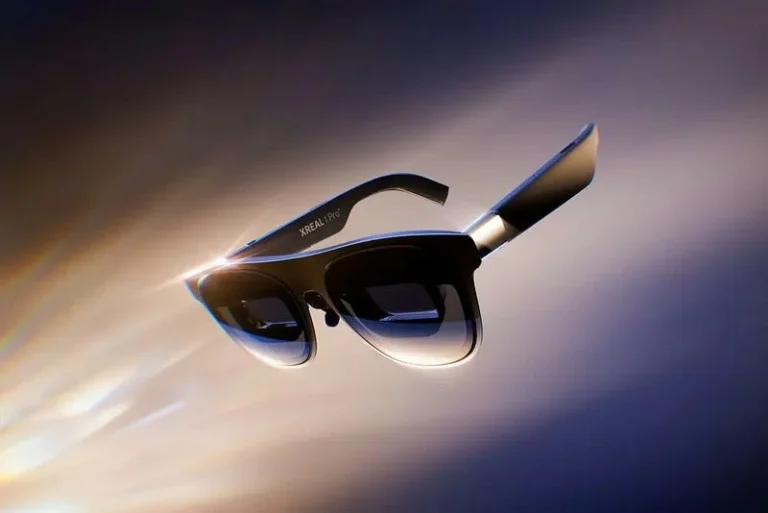
Following months of industry speculation, the first wave of smartglasses powered by Google’s Android XR operating system is prepared for commercial release. Samsung, acting as the primary hardware partner in this ecosystem, is leveraging established lifestyle brands to bridge the gap between technology and fashion.
Warby Parker has officially announced that it will begin accepting preorders for its integrated smartglasses on November 12, with shipping scheduled to commence during the upcoming holiday season. This move places Samsung and Google in direct competition with Meta’s Ray-Ban collaboration. Simultaneously, the luxury eyewear brand Gentle Monster has slated a December launch for its own iteration of the hardware. To distinguish its product in a crowded market, Gentle Monster has engaged Academy Award-winning actor Joaquin Phoenix for a high-concept promotional campaign. Unlike traditional tech marketing, the initial trailers focus on aesthetic and avant-garde "cool" rather than technical specifications, suggesting a strategy aimed at the high-fashion demographic rather than early tech adopters.
Initial reports indicate these devices will focus on audio-centric features and AI integration, mirroring the functionality of the third-generation Ray-Ban Meta glasses. Analysts suggest that the success of these devices will depend heavily on the seamlessness of the Android XR interface and its ability to provide utility without the bulk of traditional head-mounted displays.

The End of an Era: Meta Sunsets Quest 2 and Quest Pro
In a move that marks a generational shift for virtual reality, Meta has confirmed the total discontinuation of the Quest 2 and the Quest Pro. While both devices had already begun to see a reduction in retail availability, Meta’s latest developer roadmap provides a concrete timeline for the cessation of software support.
According to the company’s developer blog, feature development for the Quest 2 and Quest Pro will conclude with the release of v213, expected to reach all devices by March 2027. Subsequent OS features, platform capabilities, and APIs will be exclusive to the Quest 3, Quest 3S, and future iterations. Furthermore, Meta will stop accepting new application submissions for these legacy devices after December 2027.
The Quest 2 remains the most successful VR headset in history, with estimated sales exceeding 25 million units. Launched at a highly competitive price point during the global pandemic, it became the de facto entry point for consumer VR. However, the transition poses a significant challenge for Meta: retaining the millions of users currently on the Quest 2 platform. Industry observers suggest that Meta may need to implement aggressive pricing strategies for the Quest 3S to prevent a mass exodus of its user base, particularly younger demographics who may be priced out of the higher-end Quest 3 hardware.
Pico Space Pro and the Competitive High-End Market
Pico, the XR subsidiary of ByteDance, is also preparing for a significant hardware launch. Internal sources and reliable industry leaks indicate that the Pico Space Pro (previously developed under the codename Project Swan) is scheduled for a December 2 unveiling.
The Space Pro is expected to be a premium offering, with a projected price point in the $2,500 range, placing it in direct competition with the Apple Vision Pro. A key differentiator for the Space Pro is expected to be the integration of ByteDance’s proprietary generative AI models. These models reportedly focus on world-building and video generation, potentially allowing users to create immersive environments in real-time through voice or text prompts. This launch is seen as a critical test for Pico, which previously delayed hardware releases to refine its software ecosystem and AI capabilities.

Steam Frame and the Expansion of PCVR
While the standalone market undergoes shifts, the PCVR segment is seeing unexpected growth from Valve’s Steam Frame. Just one month after its release, the Steam Frame has captured 5.49% of the SteamVR user base, according to the latest Steam Hardware Survey. This adoption rate significantly outpaces the launch trajectory of the Valve Index.
The success of the Steam Frame is attributed to its versatility. Valve has noted that a substantial portion of the user base utilizes the headset not only for dedicated VR titles but as a high-fidelity virtual monitor for traditional "flat-screen" gaming. This trend highlights a growing demand for wearable displays that can replace high-end physical monitors, providing a portable, giant-screen experience for standard PC gaming.
Geopolitical Turmoil and Supply Chain Constraints
The broader technology sector is currently grappling with a high-profile investigation involving NVIDIA CEO Jensen Huang. Reports from American intelligence agencies have alleged that Huang was involved in an affair with a woman suspected of being a Chinese intelligence operative. NVIDIA has launched an internal investigation into the matter to determine if sensitive corporate information or strategic AI roadmaps were compromised.
The potential fallout from this investigation is significant. NVIDIA is the cornerstone of the current AI and XR hardware market; any leadership instability could have ripple effects across global markets. This comes at a time when the "AI bubble" is facing increased scrutiny due to massive capital expenditures and slower-than-expected returns on investment for some of the industry’s largest players.
Compounding these corporate issues is a worsening global chip and memory crisis. Team Group CEO has issued a warning that the demand for High Bandwidth Memory (HBM) in AI data centers is cannibalizing the supply for consumer electronics. This shortage has already impacted the availability of high-end graphics cards, with the RTX 5080 and 5090 models reportedly being diverted to enterprise and data center clients, leading to significant price hikes and stock shortages in the consumer market.

Innovations in Mixed Reality UX and Open Source Assets
Despite corporate and supply chain challenges, technical innovation continues at the developer level. Renowned UX designer Greg Madison recently unveiled "Sphenomenon," a mixed reality application for the Apple Vision Pro that utilizes a standard physical gym ball as a tactile interface. By mapping virtual objects and haptic responses to the physical sphere, Sphenomenon demonstrates a "perfect blend" of the real and virtual, allowing users to interact with digital content through a familiar physical medium. Madison has announced intentions to open-source the code, potentially paving the way for new standards in tactile MR interaction.
In a similar vein of industry support, Epic Games has announced that the full Quixel Megascans library is now free for all users. This move provides developers with access to thousands of high-fidelity environmental assets, which can now also be used for training AI models, further lowering the barrier to entry for high-quality XR content creation.
Conclusion and Future Outlook
The XR industry is currently defined by a move away from "experimental" hardware toward functional, AI-integrated wearables. The entry of Samsung and Google into the smartglasses space provides a much-needed counterweight to Meta’s dominance, while the sunsetting of the Quest 2 forces a market-wide migration to more powerful, mixed-reality-capable hardware. However, the shadow of supply chain shortages and geopolitical tensions remains a significant hurdle. As the industry moves toward 2025, the focus will likely shift from hardware specifications to the utility of integrated AI and the sustainability of the underlying silicon supply chain.
About the Author