A decade has passed since the whimsical world of LittleBigPlanet 2 first invited players to create, play, and share. This milestone anniversary prompts a deep dive into the game’s sonic landscape, specifically its licensed soundtrack, a crucial element that contributed significantly to the game’s unique identity and player experience. The original article offers a personal reflection from a member of the sound team, detailing the curated playlists and the decision-making process behind track selection. This enriched report expands upon those insights, providing a more comprehensive, journalistic examination of the soundtrack’s development, its thematic evolution, and its lasting impact.
Genesis of a Sonic Tapestry: From Concept to Completion
The development of LittleBigPlanet 2‘s soundtrack was an intricate process, building upon the foundation laid by its predecessor while charting a new course. Unlike the first game, which was broadly themed around "a journey around the world," LittleBigPlanet 2 embraced a more ambitious and abstract concept: "science through the ages" or "science fiction through the ages." This thematic shift presented both opportunities and challenges for the audio team. While the art department found rich inspiration in these concepts, the music selection required a more nuanced approach to translate abstract ideas into tangible sonic experiences.
The original article highlights that the licensed soundtrack was intentionally designed to complement, rather than replicate, the original score. The game’s internal music, composed by the development team, focused on characterization, drama, and narrative exposition. In contrast, the licensed music was tasked with establishing the mood, tone, and thematic resonance of the various in-game environments and gameplay mechanics. This division of labor allowed for a more focused and impactful use of licensed tracks, ensuring they served a specific purpose within the game’s overall audio design.

Thematic Evolution and Creative Challenges
The core challenge for the sound team was to weave a diverse musical palette that reflected the "science through the ages" theme without succumbing to generic pastiche. A key directive established early in development was to limit the electronic component of the soundtrack to "no more than 50%." This decision was strategic, acknowledging that player-created levels would likely embrace a wider range of musical styles, and therefore, the core licensed soundtrack needed to offer a more varied foundation to inspire and support these diverse creative outputs. The goal was to retain the "unexpected" edge that characterized the first game’s soundtrack while forging a distinct identity for LittleBigPlanet 2.
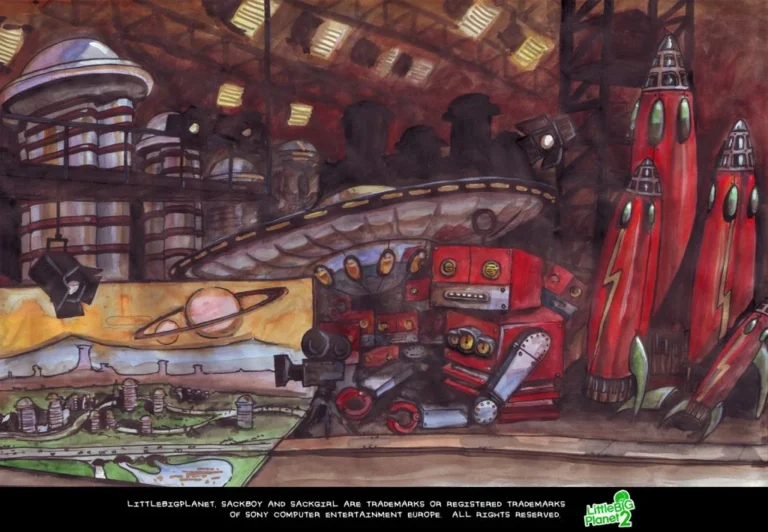
This creative tension is evident in the development timeline. As early as May 2009, during the game’s pre-production phase, a music montage video was created. This video synchronized concept art for different game areas with work-in-progress licensed music ideas. This innovative approach served as a crucial early milestone, allowing the team to visualize and audibly experience potential directions. While only one track from this initial montage, Ladytron’s "Ghosts," ultimately made it into the final game, the process was invaluable for establishing a collective understanding of the project’s sonic aspirations. Artists like Squarepusher and Röyksopp were also considered at this stage, demonstrating an early exploration of genres that would inform the final selection.
The distinction between linear video and interactive gameplay posed a significant hurdle. Music that resonated powerfully in a static visual context might not translate effectively to the dynamic pacing and interactivity of a game. The original article acknowledges this by noting that music concept videos, while invaluable for inspiration and communication, do not fully replicate the experience of gameplay. This underscores the iterative nature of game audio development, where initial ideas are refined and adapted as the game takes shape.
Curated Soundscapes: The Playlists Unveiled
The anniversary provides an opportune moment to re-examine the curated playlists, which offer a glimpse into the extensive sonic exploration undertaken for LittleBigPlanet 2.

1. The LittleBigPlanet 2 Licensed Soundtrack
This playlist comprises the familiar tracks that players experienced within the final game. It’s important to note that LittleBigPlanet 2‘s licensed library also encompassed all licensed music from LittleBigPlanet 1 to ensure backward compatibility for player-created levels. However, for clarity and focus, these were excluded from this specific compilation. A discrepancy of eight tracks on the Spotify playlist is attributed to the inclusion of specific instrumental, remix, or edited versions of songs that were unique to the game and not readily available through official streaming channels. The prevalence of these custom edits highlights the bespoke nature of game audio licensing, where exclusive versions are often required to perfectly match gameplay and narrative needs.
2. The LittleBigPlanet 2 Alternate Universe Soundtrack
This collection represents a fascinating "what if" scenario, featuring tracks that were considered for inclusion but ultimately did not make the final cut. The vast majority of these selections were omitted due to creative choices made during development, reflecting the project’s evolving artistic direction. The original article mentions a single instance where a desired track could not be licensed, a regrettable omission that highlights the often-unpredictable nature of music licensing negotiations. The presence of tracks on both YouTube and Spotify that are not available on the other service further emphasizes the unique licensing landscape of game music, where rights can be fragmented across platforms.
3. The LittleBigPlanet 2 ‘Brief Says No’ Soundtrack
This playlist showcases tracks that, while musically compelling and thematically relevant on some levels, did not align with the project’s increasingly refined creative brief. Many of these were explored in the early stages of development, demonstrating how the core vision for the game’s audio evolved over time. As the development team honed the game’s narrative and gameplay mechanics, certain musical ideas were either set aside or found to lack the necessary energy to support active gameplay. Nevertheless, these tracks represent valuable explorations of sonic territory and are deemed worthy of recognition for their intrinsic merit.
Collaboration and the Sony Music Licensing Partnership
The process of curating LittleBigPlanet 2‘s soundtrack was a testament to extensive collaboration. While initial music suggestions often originated from within the development team at Media Molecule (Mm), the scope of review and consideration expanded significantly with the involvement of Sony’s music licensing department. This partnership, which intensified closer to the game’s announcement, proved instrumental in broadening the pool of available music and refining the selection process.

Key individuals at Mm, including Dan, John, and Rex, played pivotal roles in sourcing and suggesting tracks. Rex, in particular, is credited with the inspired recommendation of Passion Pit’s "Sleepyhead" for the game’s announcement trailer. This track, with its dynamic ebb and flow and distinctive pitched-up vocals, perfectly captured the celebratory and forward-looking tone of the trailer, even if its energy profile wasn’t an exact fit for in-game gameplay. This decision exemplifies a common challenge in game development: balancing the need for impactful marketing material with the functional requirements of the game itself. The eventual placement of "Sleepyhead" in the game’s end credits provided a fitting tribute to its iconic role in the announcement.
Beyond the core development team, numerous other individuals contributed valuable suggestions. Alex, Costa, Jim, Jonatan, Mark, Martin, and Tom from Mm, along with external collaborators like Martin Hewett from Sony and Jo from Sony, all played a part in shaping the soundtrack. This broad-based input underscores the understanding that music is a vital component of a game’s identity, and fostering a collective sense of ownership over its sonic direction can lead to richer and more resonant results. The original article aptly describes this as a "real team effort."
Navigating Licensing Complexities and Timeline Adjustments
The licensing process for LittleBigPlanet 2 was not without its challenges. Securing the rights to use music in a commercial product is a complex and often time-consuming endeavor. The original article reveals that some crucial tracks were not cleared until as late as October 2010, a mere three months before the game’s eventual release in January 2011. This delay necessitated a strategic decision to postpone the game’s launch from the critical Christmas market to January 2011. The rationale behind this decision was sound: the game required additional development time to reach the desired level of polish and quality.
The extended timeline, while impacting the release schedule, proved beneficial for the soundtrack. It allowed for the finalization of licensing for several key pieces of music. The anecdote of a track taking six months to clear, with no apparent reason beyond the inherent bureaucratic pace of some licensing bodies, highlights the unpredictable nature of this aspect of game development. The need for an "overprovision" of suitable music—having more viable options than ultimately required—is a standard practice in licensed soundtrack development, providing crucial "Plan B" alternatives should primary choices fall through.

The Enduring Legacy of LittleBigPlanet 2‘s Sound
The decade-long anniversary of LittleBigPlanet 2 serves as a powerful reminder of the profound and lasting impact that music can have on a player’s experience. The original article concludes with touching player comments, expressing how the game and its soundtrack were integral to their childhoods and continue to be a source of enjoyment. This enduring connection speaks to the power of music to evoke memories, emotions, and a sense of community, transcending the confines of the gaming platform itself.
As gaming platforms age and become less accessible, the ability of a game’s soundtrack to live on independently becomes increasingly significant. The music from LittleBigPlanet 2, carefully curated and thoughtfully integrated, has achieved this. It continues to resonate with players, invoking memories of the game’s vibrant community and its unique creative spirit. The contribution of the licensed artists, through their diverse and evocative music, was instrumental in shaping LittleBigPlanet 2 into the distinct and beloved experience it remains. The game’s sonic identity, a tapestry woven from creative vision, collaborative effort, and meticulous licensing, stands as a testament to the power of sound in crafting unforgettable virtual worlds.
About the Author