The Extended Reality (XR) sector, encompassing Virtual, Augmented, and Mixed Reality, is currently facing a period of perceived stagnation characterized by repetitive discourse, derivative product development, and a cyclical narrative that some industry veterans describe as a developmental plateau. Despite significant capital investment and hardware iterations over the past decade, the industry continues to grapple with the same fundamental challenges regarding mainstream adoption, use-case diversification, and the long-predicted "iPhone moment" that has yet to materialize in a manner comparable to mobile computing. This phenomenon of repetition, often referred to within professional circles as an industry-wide "Groundhog Day," suggests that while technical specifications improve, the underlying value propositions and market debates remain largely unchanged since the modern revival of VR began in the early 2010s.
A Chronology of XR Development and the Five-Year Horizon
The modern trajectory of XR can be traced back to the 2012 Oculus Rift Kickstarter, which reignited global interest in immersive technology. By 2015, the industry was characterized by high levels of optimism, with 2016 frequently cited as the "Year of VR." During this period, early use cases, such as enterprise training and basic gaming experiences, were met with significant enthusiasm. However, a decade later, the narrative surrounding these applications has become increasingly formulaic. Enterprise VR training, once a novel concept, is now a standard industry offering, yet it is often presented in marketing materials with the same revolutionary zeal as it was in 2015, leading to a sense of "innovation fatigue" among long-term observers.

Central to this chronological stagnation is what has been termed "Vitillo’s Law of Technology," a concept suggesting that the arrival of mainstream XR is perpetually forecasted to be "five to ten years" away. This timeframe serves as a strategic buffer; it is near enough to maintain investor interest and consumer anticipation, yet distant enough to shield forecasters from the immediate consequences of inaccurate predictions. This rolling window of expectation has remained a constant fixture in the industry for over twelve years, even as headsets have transitioned from tethered PC peripherals to standalone spatial computers.
Supporting Data on Market Penetration and Content Trends
Data from market intelligence firms such as IDC and Canalys indicate that while the installed base of VR and AR headsets has grown, it remains a fraction of the smartphone market. For instance, while Meta’s Quest 2 achieved sales estimated at over 20 million units, recent reports suggest a decline in active monthly usage compared to traditional gaming consoles or mobile devices. This discrepancy highlights a persistent issue: the "utility gap." In private professional discourse, a recurring theme is the lack of daily-use necessity; even those working within the XR field frequently admit to not using the technology for personal or productive purposes on a daily basis.
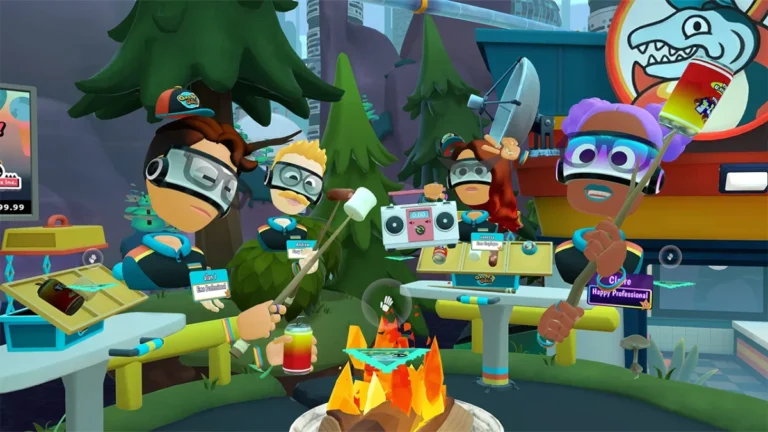
Content trends further illustrate this repetitive cycle. The XR software market is currently saturated with specific genres, notably rhythm games, physics-based "Gorilla Tag" clones, and meditation applications. While these titles often achieve short-term financial success, they contribute to a perception of a derivative ecosystem. Occasional breakthroughs, such as the mixed reality mechanics of "Laser Dance" or the zero-gravity locomotion of "Echo Arena," offer glimpses of original innovation. However, the volatility of the market is evidenced by the fact that even highly acclaimed studios, such as those behind "Echo Arena" or "Batman: Arkham Shadow," have faced closures or significant restructuring shortly after delivering high-quality content, suggesting an unstable economic foundation for high-end development.

Hardware Convergence and the Vision Pro Influence
The evolution of XR hardware has recently shifted from a "Quest-centric" model to a "Vision Pro-centric" model. Following the success of the Meta Quest line, the market was flooded with standalone headsets attempting to replicate Meta’s price point and functionality. However, with the launch of the Apple Vision Pro in early 2024, the industry has pivoted toward "spatial computing," a term that many manufacturers have adopted to rebrand existing technologies.
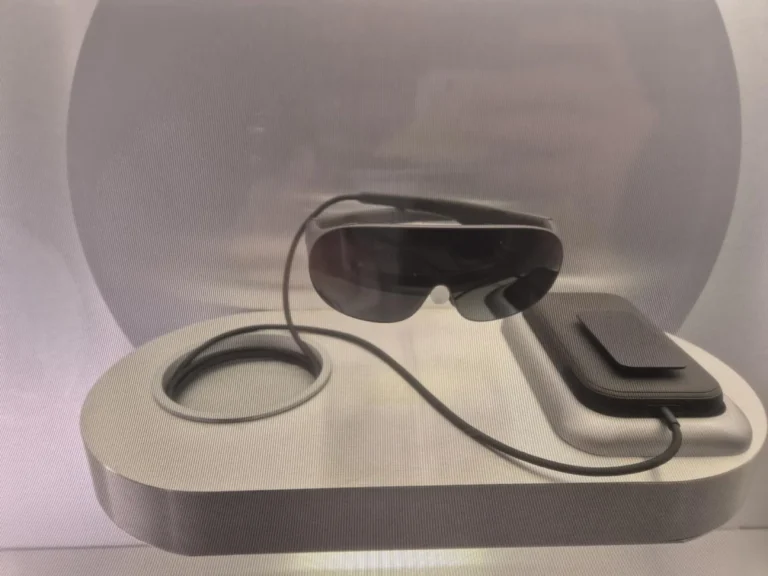
Current hardware development trends show a distinct move toward "Vision Pro clones," characterized by high-resolution passthrough, eye-tracking, and gesture-based "pinch" navigation. This convergence suggests that rather than diversifying, hardware manufacturers are coalescing around a single design philosophy. This trend raises concerns regarding affordability and accessibility, as many of these new devices target a premium price bracket that remains out of reach for the average consumer, thereby extending the timeline for mainstream adoption once again.
Official Responses and Industry Sentiment
The role of Meta Platforms Inc. remains a central point of contention within the industry. Proponents argue that Meta’s multi-billion dollar annual investment in Reality Labs is the primary engine keeping the XR industry viable, subsidizing hardware costs and funding developer ecosystems. Conversely, critics point to the company’s "under-cost" strategy as a barrier that prevents smaller competitors from entering the market, while also raising significant privacy concerns regarding biometric data and environmental mapping.

In response to the perceived stagnation, some industry leaders have called for a shift in focus from "headset sales" to "meaningful engagement." However, the discourse is increasingly complicated by the rise of generative AI. There is growing concern that AI-generated content may exacerbate the problem of repetition by flooding the market with low-effort, derivative articles and applications that parrot existing ideas rather than proposing new ones. This "echo chamber" effect threatens to dilute the quality of professional discourse and further entrench the industry in its current cyclical state.
Broader Impact and the Path Toward Genuine Innovation
The broader implication of this repetitive cycle is a gradual loss of enthusiasm among the "early adopter" community and professional developers. For the industry to break the "Groundhog Day" cycle, it may require a departure from incremental hardware updates and a return to fundamental research and development.
Emerging technologies, such as Galvanic Vestibular Stimulation (GVS)—which uses electrical impulses to inner ear nerves to simulate motion and reduce motion sickness—represent the type of foundational innovation that could redefine the user experience. Technologies like those developed by Neural Balance Innovations suggest that the next leap in XR may not come from higher resolution displays or thinner lenses, but from haptic and physiological integrations that solve long-standing barriers like nausea and lack of presence.

In conclusion, while the XR industry remains a field of immense potential, it is currently navigating a period of significant narrative and functional redundancy. Breaking this cycle will require the industry to move beyond the "five-to-ten-year" prediction model and focus on creating indispensable daily utility that transcends the current reliance on gaming and isolated enterprise training modules. Until then, the industry remains in a state of "spatial waiting," repeating the same debates and product cycles while waiting for a true paradigm shift.
About the Author