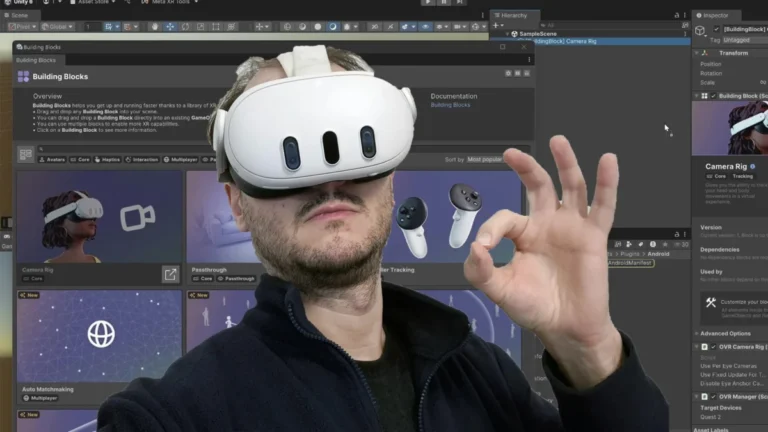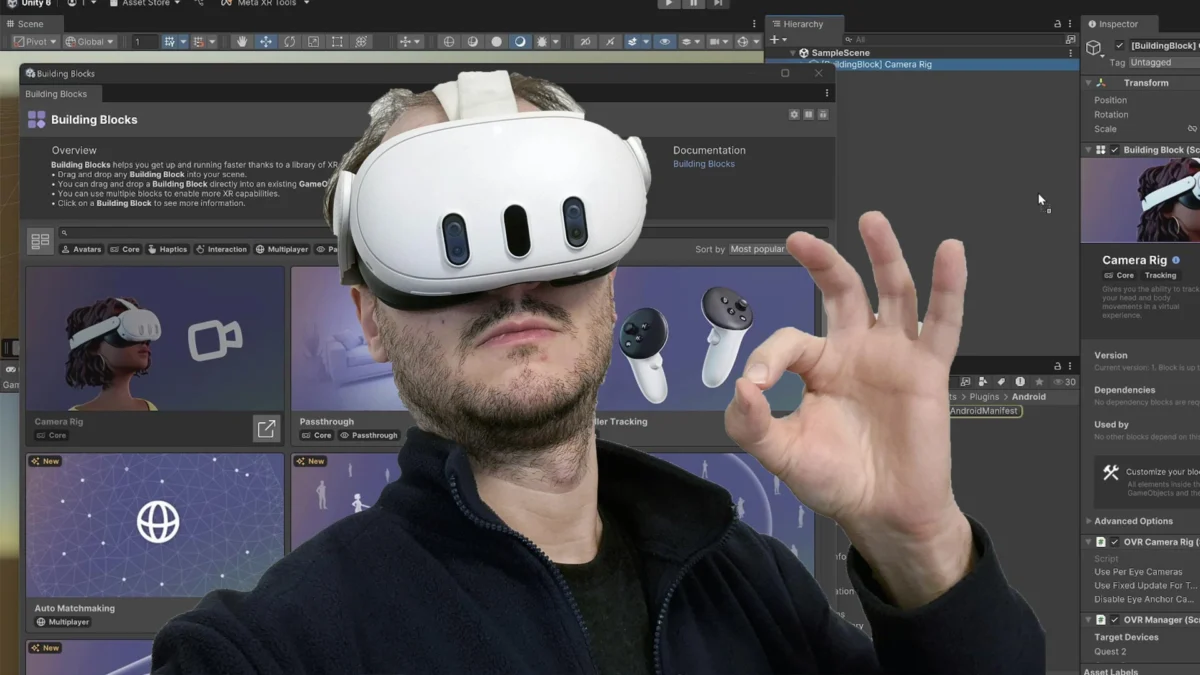
The extended reality (XR) industry entered a pivotal phase in late August 2026, marked by significant hardware performance updates, cultural milestones in mainstream gaming, and a complex restructuring of major industry players. Meta Platforms Inc. has introduced a substantial software-driven performance boost for the Quest 3 headset, while Rockstar Games’ latest preview for Grand Theft Auto VI (GTA VI) has provided a high-profile cultural endorsement of virtual reality (VR) technology. These developments occur against a backdrop of institutional shifts, including strategic layoffs at veteran studios and a reported internal push at Meta to integrate artificial intelligence (AI) into its workforce management.
Technical Breakthroughs in Meta Quest 3 Display Performance
In a move that has surprised industry analysts, Meta has released a software update for the Quest 3 that significantly increases the device’s maximum refresh rate. The headset, which previously targeted 90Hz and 120Hz for most applications, now supports a standard maximum of 207Hz. Furthermore, the company has enabled a developer mode setting that allows the refresh rate to reach 240Hz, a figure that surpasses nearly all consumer-grade VR hardware currently on the market.
This increase in frame rate is intended to enhance the smoothness of immersive environments and reduce the latency between user movement and visual feedback, which is a primary factor in mitigating motion sickness. However, technical experts note that the hardware requirements for rendering at 207Hz or 240Hz are immense. Most native Quest 3 applications currently struggle to maintain a consistent 90Hz or 120Hz while utilizing high-fidelity graphics. Consequently, the immediate beneficiaries of this update are likely to be productivity apps with simple geometries or PC-linked experiences.
Virtual Desktop, a prominent third-party application for streaming PC content to VR headsets, has already announced a 144Hz beta mode to leverage this new capability. By offloading the rendering workload to a powerful companion PC, Virtual Desktop can provide a more fluid experience than standalone mobile processors. To access these extended frame rates, users must be running HorizonOS version 2.7 or later on a Quest 3 device.
Cultural Integration: VR in the Grand Theft Auto VI Gameplay Preview
The cultural visibility of virtual reality received a significant boost with the release of an extended gameplay video for Grand Theft Auto VI. Rockstar Games, a studio known for its meticulous attention to contemporary social detail, included a sequence depicting a character using a VR headset in a domestic setting. The device shown in the footage bears a strong resemblance to early standalone headsets, such as the original Oculus Quest.

While the depiction in the trailer focuses on a specific, adult-oriented use case for the technology, its inclusion in the most anticipated video game of the decade is viewed by analysts as a "mainstream" validation of the medium. Rockstar Games has a limited but notable history with VR, having previously released L.A. Noire: The VR Case Files. The presence of VR in GTA VI has also sparked speculation within the modding community. Historically, high-profile PC releases from Rockstar have been adapted for VR by third-party developers, and the eventual PC release of GTA VI is expected to follow this trend, potentially offering a full-scale immersive version of the game’s sprawling environment.
Industry Volatility: Layoffs and Strategic Pivots
Despite technical and cultural gains, the XR industry continues to face economic headwinds, often referred to as the "VR Winter." Schell Games, a premier VR development studio responsible for hits such as Among Us VR and the I Expect You To Die series, announced its first round of layoffs in its 24-year history. The studio reduced its workforce by 10%, citing a broader disinvestment in VR content by major platform holders like Meta.
In response to the tightening market, Schell Games has signaled a shift in its development strategy. The company plans to move away from a small number of high-budget, long-term projects in favor of a larger volume of smaller, experimental titles. This "lean" approach is designed to allow the studio to test market viability more rapidly and minimize financial risk in an uncertain consumer environment.
Simultaneously, a report from Reuters has shed light on a controversial internal initiative at Meta known as "Project OT" (Organization Transformation). According to the report, Meta CEO Mark Zuckerberg explored the use of AI to automate significant portions of the company’s workforce. The project allegedly aimed to reduce headcount by over 60% in certain departments by substituting human employees with AI-driven workflows. The initiative reportedly faced internal resistance and was ultimately stalled as current AI capabilities proved insufficient to handle the complexities of human roles.
Hardware Privacy and Safety Standards
Meta is also addressing ongoing concerns regarding the privacy of its Ray-Ban Meta smartglasses. Following reports that users were successfully disabling or covering the privacy LED—a light that signals when the glasses are recording—Meta has released a firmware update to counteract these modifications. The glasses now feature enhanced sensors designed to detect tampering with the LED; if the light is obstructed, the camera functionality is automatically disabled.
A Meta spokesperson emphasized that the company will continue to release iterative updates to stay ahead of malicious attempts to bypass safety features. To complement these technical fixes, Meta has launched a public education campaign using billboards in major cities to inform the public about the privacy LED’s function. This move aims to build public trust in wearable camera technology, which has faced scrutiny regarding its potential for surreptitious recording.

Research and Development: The Future of Spatial Content
Innovation in content creation continues to evolve through academic and corporate research. One of the most significant developments this week is the "4DAnyone" project, which utilizes 4D Gaussian Splatting (4DGS) to create volumetric videos from simple, monocular smartphone footage. Traditionally, volumetric capture required expensive multi-camera rigs and specialized studios. The 4DAnyone system infers skeletal poses and visual data from a single point of view to reconstruct a 3D person that can be viewed from any angle.
While still in the research phase, this technology suggests a future where high-quality volumetric content is accessible to general consumers. This aligns with broader industry trends toward "Spatial Intelligence," a field focused on teaching AI to understand and reconstruct 3D environments.
Broader Market Outlook and Emerging Patents
The competitive landscape for XR hardware is also shifting at the executive level. Reports indicate that Apple’s new hardware lead, John Ternus, is prioritizing AI integration over the expansion of the Vision Pro headset line. This suggests a potential cooling of Apple’s immediate ambitions in the high-end spatial computing market as the company focuses on broader ecosystem enhancements.
On the hardware innovation front, ARM has submitted a patent for a system that uses ultrasound waves to stimulate the vestibular system, potentially offering a hardware-based solution to motion sickness. Additionally, Google is reportedly developing a live translation feature for its upcoming Android-based XR glasses, positioning the company to compete directly with Meta’s smartglasses in the productivity and utility sectors.
As the industry moves toward the heavy launch period of September and October, these developments highlight a sector that is simultaneously maturing technically while struggling to find a stable economic and social footing. The transition from enthusiast hardware to mainstream cultural staple remains the primary challenge for XR leaders heading into 2027.
About the Author