The ability to reliably save and load game data is a foundational pillar of modern interactive entertainment, directly influencing player engagement and the scope of game design. Unreal Engine 5 (UE5) addresses this critical requirement with its robust, integrated SaveGame system, offering developers a streamlined and highly accessible solution for managing game state persistence. This built-in functionality simplifies what has historically been a complex aspect of game development, enabling creators to easily store and retrieve player progress, world states, and other essential data to local files with minimal overhead, thereby democratizing advanced game mechanics for a broader range of developers.
The Evolving Landscape of Game Data Persistence
Historically, implementing save and load functionalities presented significant challenges for game developers. Early game save mechanisms were often rudimentary, sometimes involving manual note-taking by players or simple password systems. As games grew in complexity, so did the demands on save systems. Developers faced hurdles such as ensuring data integrity across various platforms, managing different types of data structures (from simple integers to complex object states), and preventing corruption that could lead to frustrating player experiences. The process typically involved intricate serialization and deserialization routines, often requiring significant custom coding and debugging, which diverted valuable resources from core gameplay development.
The advent of more sophisticated operating systems and higher player expectations for seamless progression has necessitated increasingly robust solutions. Modern players expect their progress, inventory, character stats, and even dynamic world changes to be accurately preserved and retrievable at any point. This shift has pushed game engines to integrate more comprehensive and user-friendly persistence frameworks. Unreal Engine’s SaveGame system represents a significant step in this evolution, providing a standardized, engine-level solution that abstracts away much of the underlying complexity, allowing developers to focus on the game’s narrative and interactive elements.
Unreal Engine’s SaveGame System: A Technical Overview
At its core, the UE5 SaveGame system leverages a dedicated SaveGame class, a specialized Blueprint or C++ class designed for the explicit purpose of data serialization. This class acts as a container for all variables that a developer wishes to persist. Any data stored within instances of this SaveGame class can be effortlessly written to and read from a binary file on the user’s machine. This file-based approach ensures that game states remain consistent even after the application is closed and reopened.
The versatility of the SaveGame class is a key advantage. It supports the serialization of almost every common variable type found within Unreal Engine, including fundamental types like integers, booleans, and strings, as well as more complex structures such as vectors, rotators, custom structs, and even arrays of these types. This broad compatibility means developers are rarely constrained by the system’s limitations when deciding what data to save. For instance, a game might save a player’s exact Vector position, their current health (an integer), inventory items (an array of structs), and the status of completed quests (a map of booleans or strings).
File storage locations are standardized across platforms for ease of management:
- Windows: Data is typically stored within the Local Appdata folder, respecting operating system conventions for application-specific data.
- MacOS: Files reside in
Library/Application Support, a common directory for application data on Apple’s desktop OS. - Linux: Data is located in
/home/username/.local/share, adhering to the FreeDesktop.org XDG Base Directory Specification for user-specific data.
This cross-platform consistency simplifies deployment and debugging for developers targeting multiple operating systems.
Streamlined Development Workflow via Blueprints
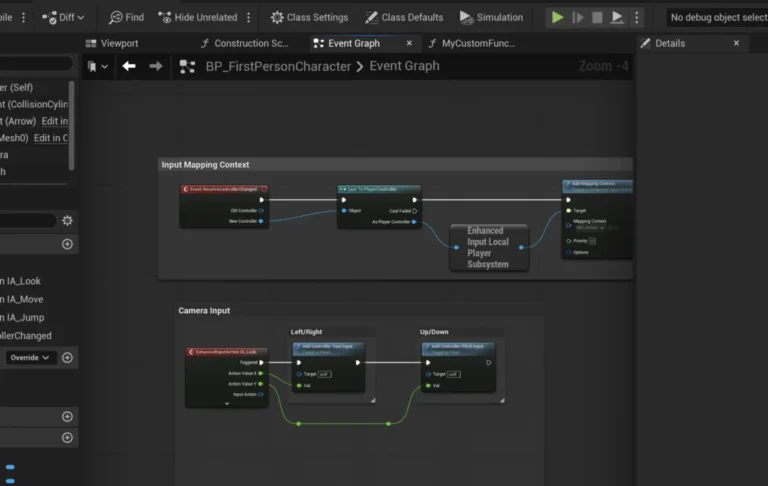
One of the most impactful aspects of the SaveGame system is its deep integration with Unreal Engine’s Blueprint visual scripting system. This allows developers, even those without extensive programming backgrounds, to implement sophisticated save/load logic. The process is conceptually straightforward:

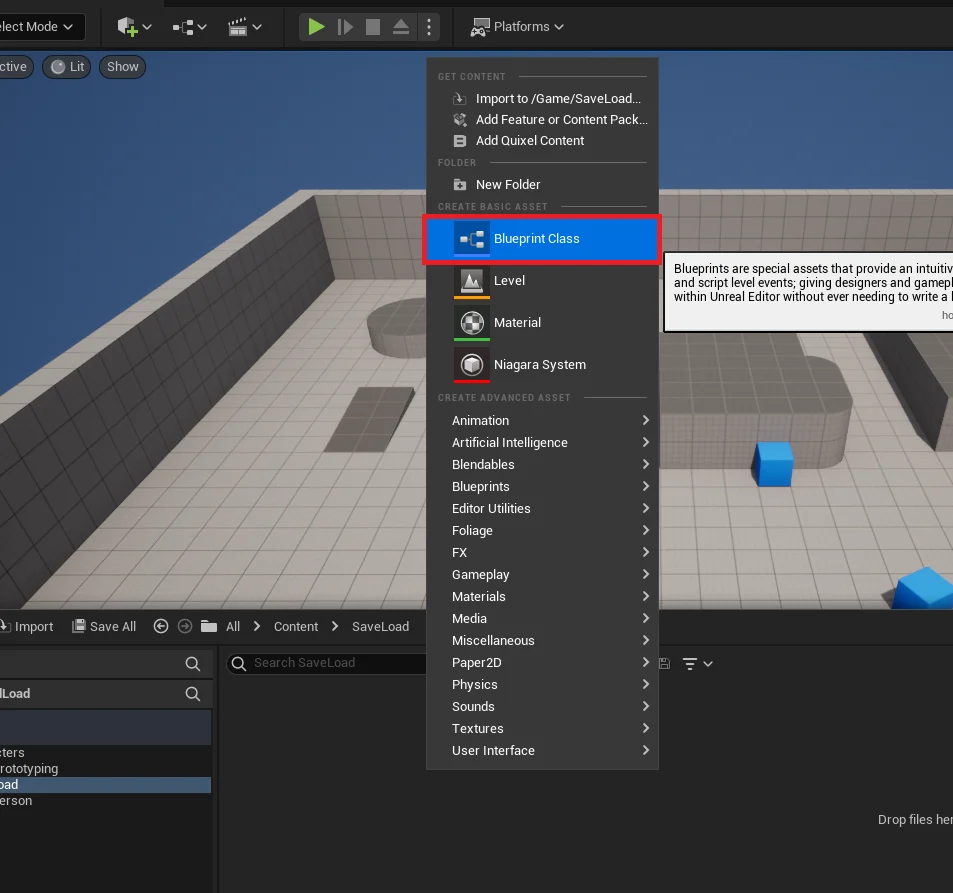
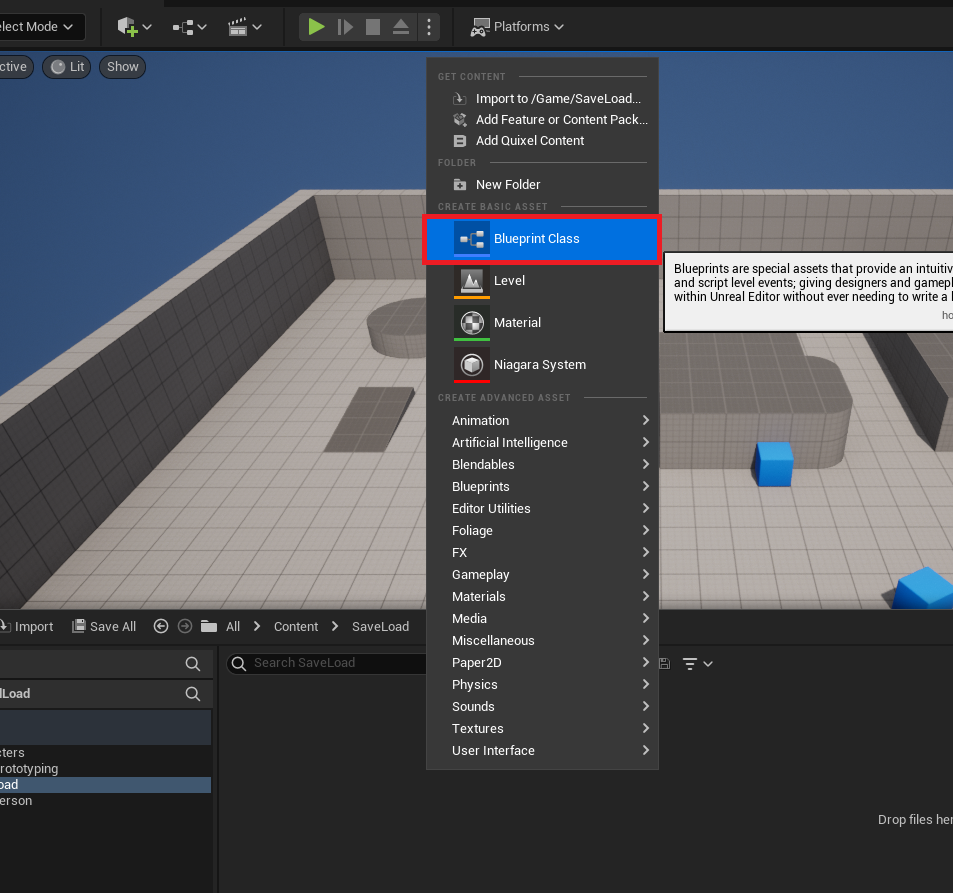
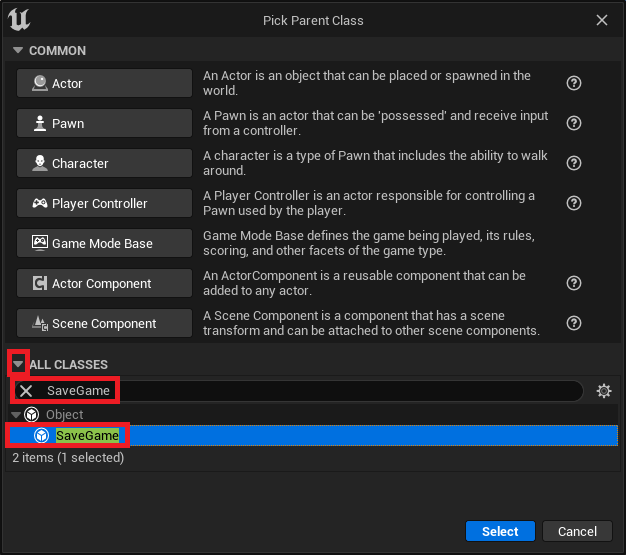
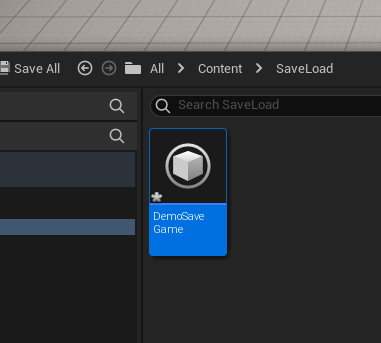
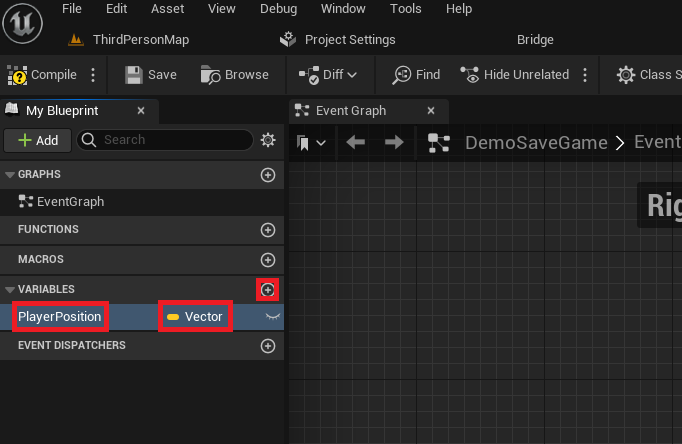
- Defining the Save Data Structure: Developers begin by creating a custom
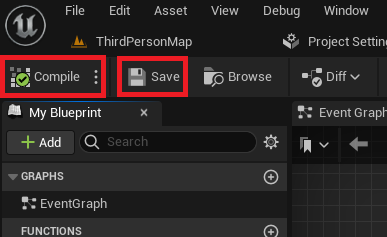
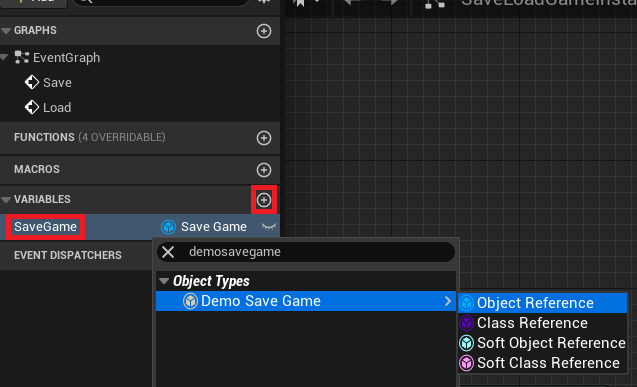
SaveGameBlueprint class. Within this class, they declare all the variables that need to be saved. For example, a common variable might bePlayerPosition(aVector) to track the player’s last known location. This modular approach keeps save data neatly organized and separate from gameplay logic. - Integrating Logic into the Game Instance: The
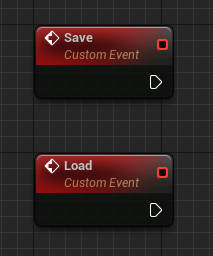
Game Instanceis a crucial component in Unreal Engine, existing for the entire lifetime of the game application, even across level loads. This makes it an ideal central hub for managing save/load operations. Developers create custom events within theirGame InstanceBlueprint, such as "Save" and "Load," to encapsulate the persistence logic. A reference to the customSaveGameobject is also stored here, providing global access to the saved data. - Conditional Loading and Creation: Upon a "Load" event trigger, the system first checks for the existence of a save file using the
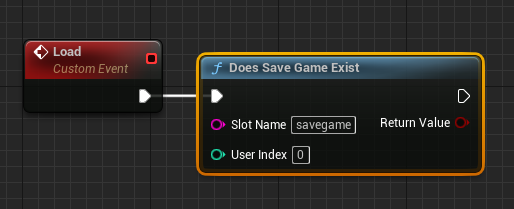
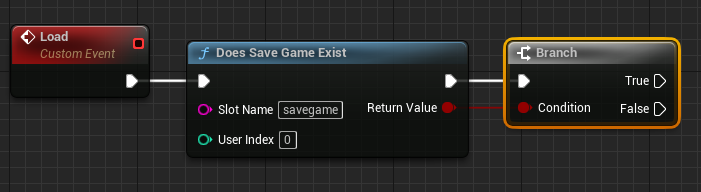
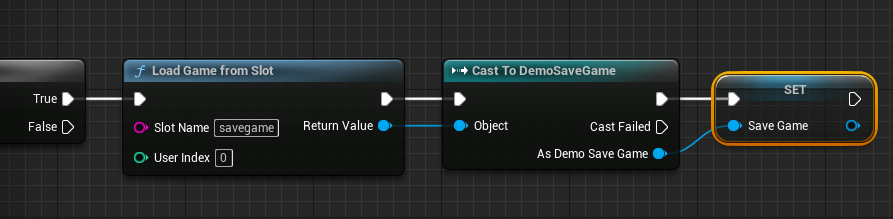
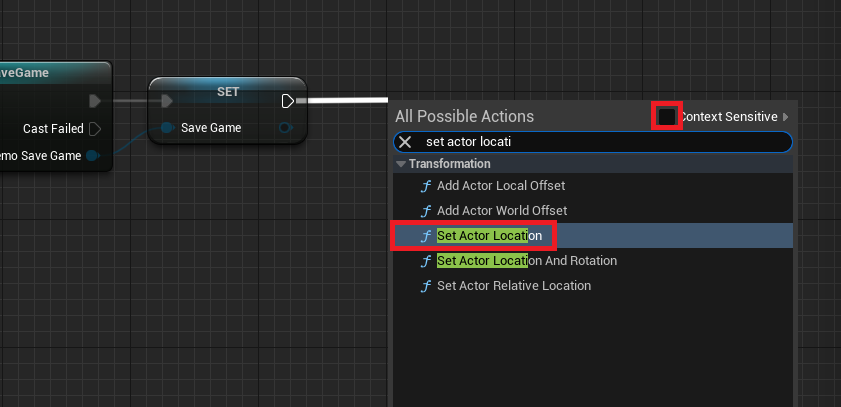
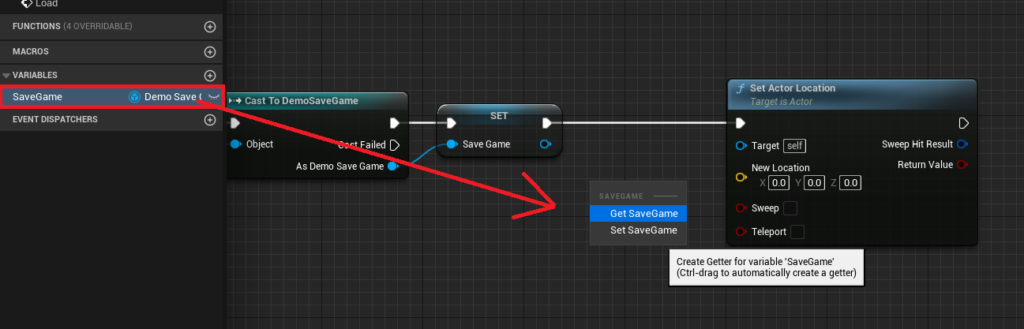
Does Save Game Existnode, identified by a unique "Slot Name." This is a vital step for robust error handling and initial game launches. If a save file exists, the system loads it viaLoad Game From Slot, casts it to the customSaveGameclass, and populates theGame Instance‘sSaveGamevariable with the retrieved data. This data can then be used to restore the game state, such as setting the player character’s location usingSet Actor Location. - Handling New Game Scenarios: If no save file is found (the "False" branch of the
Does Save Game Existcheck), the system intelligently creates a newSaveGameobject usingCreate Save Game Object. This ensures that new players start with a fresh save state, and theGame Instanceis correctly initialized with a validSaveGamereference. - Saving Data to Disk: The "Save" event orchestrates the writing of current game data to the file. It first validates that the
SaveGameobject reference in theGame Instanceis valid. If it is, current game state values (e.g., the player character’sActor Location) are retrieved and assigned to the corresponding variables within theSaveGameobject. Finally, eitherSave Game to SlotorAsync Save Game to Slotis called to write theSaveGameobject to the specified file. The choice between synchronous (Save Game to Slot) and asynchronous (Async Save Game to Slot) saving is a performance consideration; asynchronous saving is preferred for large datasets to prevent frame rate drops or hitches during the save operation, ensuring a smoother player experience.
This structured approach, visualized and managed through Blueprints, significantly reduces the barrier to entry for developers and accelerates the implementation phase of save/load features.

Impact on Game Development and Player Experience
The implications of Unreal Engine 5’s streamlined SaveGame system extend across the entire game development lifecycle and directly enhance the player experience:
- Developer Efficiency and Focus: By providing a ready-to-use, robust system, Epic Games empowers developers to spend less time on boilerplate save/load code and more time innovating on core gameplay mechanics, narrative design, and world-building. This efficiency is particularly valuable for independent developers and smaller studios with limited resources, allowing them to compete with larger teams in terms of feature richness. Industry reports often highlight that complex technical implementations, like custom save systems, can consume up to 10-15% of a project’s technical budget. UE5’s solution significantly reduces this overhead.
- Enhanced Player Satisfaction: Players benefit immensely from reliable and consistent save functionality. The peace of mind that their progress is secure fosters longer play sessions and encourages deeper engagement. Features like quick saving, auto-saving, and multiple save slots become easier to implement, catering to diverse player preferences and reducing frustration from lost progress. The system’s robustness minimizes the risk of corrupted save files, a common complaint that can severely impact a game’s reputation.
- Facilitating Complex Game Mechanics: A dependable save system is a prerequisite for games featuring persistent worlds, branching narratives, player choices with long-term consequences, and dynamic environmental changes. Without a solid foundation for data persistence, implementing such intricate mechanics would be prohibitively difficult. UE5’s SaveGame system thus unlocks greater creative potential for developers.
- Democratization of Development: The Blueprint-centric approach of the SaveGame system aligns with Epic Games’ broader philosophy of making game development accessible. It allows designers and technical artists, who may not be proficient in C++, to directly contribute to and manage game persistence, fostering cross-disciplinary collaboration and accelerating iteration cycles.
- Industry Standards and Best Practices: By offering a robust, integrated solution, Unreal Engine sets a high standard for data persistence in game development. This encourages consistent best practices across projects built on the engine, contributing to overall quality and stability in the gaming ecosystem. The flexibility to choose between synchronous and asynchronous saving, for example, demonstrates an understanding of modern game performance requirements, allowing developers to optimize for different data loads without needing to re-engineer core logic.
Conclusion
Unreal Engine 5’s built-in SaveGame system stands as a testament to the engine’s commitment to developer-centric design and robust functionality. By abstracting the complexities of data serialization and file management into an accessible Blueprint-compatible framework, it significantly lowers the barrier to entry for implementing essential persistence features. This not only boosts developer efficiency but also directly translates into a superior player experience, marked by reliable progress saving and the enablement of more intricate and engaging game worlds. As the demands for sophisticated and persistent interactive experiences continue to grow, Unreal Engine 5’s SaveGame system will undoubtedly remain a cornerstone feature, empowering creators to focus on innovation and deliver truly memorable gaming adventures.
About the Author