The landscape of virtual and augmented reality is undergoing a significant transition as Valve Corporation officially moves to discontinue the Valve Index, its long-standing flagship PC-based virtual reality (VR) headset. This decision, punctuated by a 20% inventory clearance discount on the headset, controllers, and base stations, signals a pivot toward the company’s next-generation hardware, the Steam Frame. While the discontinuation was anticipated given the device’s age, the move has prompted widespread concern within the enthusiast community regarding the future of high-precision "Lighthouse" tracking technology.
The Sunset of the Valve Index and the Lighthouse Ecosystem
The Valve Index, launched in 2019, was for years considered the gold standard for high-fidelity PC VR. Its departure from the market represents more than just the end of a hardware cycle; it marks a potential decline for the SteamVR tracking ecosystem, colloquially known as Lighthouse tracking. Unlike the "inside-out" tracking used by modern headsets like the Meta Quest series, which utilizes built-in cameras, the Lighthouse system relies on external base stations to sweep the room with infrared lasers. This method remains the industry benchmark for sub-millimeter accuracy and reduced latency, making it a favorite for "hardcore" gamers and simulation enthusiasts.
The discontinuation of the Index means Valve is no longer manufacturing the primary hardware that supports this ecosystem. This creates a supply-chain vacuum for third-party manufacturers such as Bigscreen and Pimax, whose high-end headsets often ship without controllers or tracking stations, assuming users already own Valve-branded peripherals. While HTC Vive has confirmed it will continue to manufacture and sell its own compatible base stations, and companies like Shiftall are developing proprietary SteamVR-tracked controllers, the "average consumer" entry point for Lighthouse tracking has effectively vanished. Analysts suggest the technology may now retreat into a high-cost niche, serving only the most premium enterprise sectors and location-based entertainment venues.
The Evolution of the Steam Frame and Project Plano
As the Index fades, Valve is focusing its resources on the Steam Frame, its newer mobile-integrated VR solution. Recent software updates have demonstrated Valve’s commitment to optimizing this platform. The release of SteamOS 0.4 has reportedly improved battery efficiency by approximately 12%, addressing one of the primary criticisms of the device. Furthermore, Valve has taken an unusually open-source approach by releasing the full Computer-Aided Design (CAD) files for the Steam Frame, allowing third-party developers and hobbyists to create custom accessories and hardware modifications.
Leaked internal code has also revealed a high-performance successor or variant codenamed "Plano." Technical specifications suggest that Plano may feature dual OLED displays with a resolution of 3,552 × 3,840 per eye and a refresh rate capability of up to 120Hz in experimental modes. To manage the high processing demands of such resolutions on the Snapdragon 8 Gen 3 chipset, the device is expected to utilize "Foveated Scaling." This technology uses eye-tracking to render the user’s focal point at maximum resolution while upscaling the peripheral areas, thereby preserving battery life without sacrificing perceived visual clarity. Industry timelines suggest that if Plano moves beyond the experimental phase, a commercial launch would likely occur no earlier than late 2027.

Market Volatility and the Status of PlayStation VR 2
Simultaneously, Sony’s commitment to the VR market has come under renewed scrutiny following the delisting of the PlayStation VR 2 (PSVR 2) from the official PlayStation Direct store in the United States. Users attempting to access the product page were met with "404 Error" messages, indicating the page had been removed rather than just listed as "out of stock." While the device remains available in European territories, the sudden removal in the North American market has sparked rumors that Sony Interactive Entertainment (SIE) may have ceased production.
This development follows Sony’s recent divestment of several XR-related patents to Meta. Although these patents did not originate directly from the SIE gaming division, the combination of hardware delisting and intellectual property sales suggests a strategic retreat from the consumer VR space. Sony has yet to issue a formal statement regarding the PSVR 2’s status, leaving the platform’s future dependent on its existing library and third-party support.
The Integration of AI in Augmented Reality Wearables
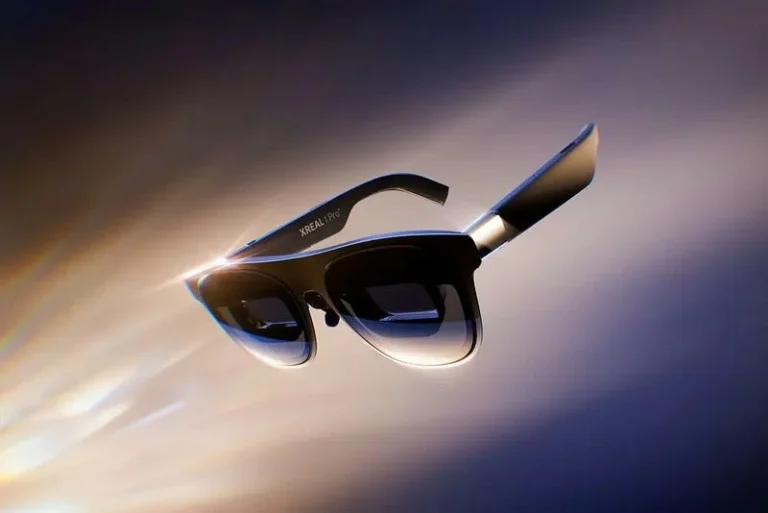
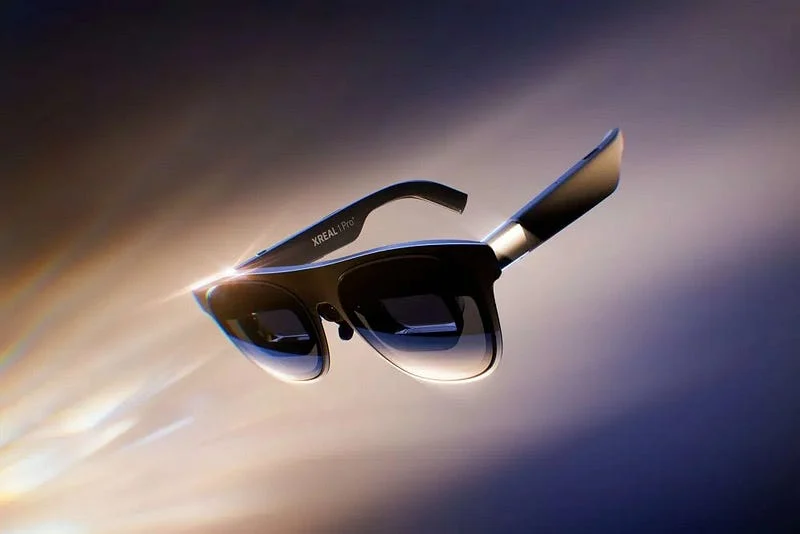
The broader XR industry is increasingly merging with artificial intelligence (AI), as evidenced by several new hardware announcements. XREAL has unveiled the 1 Pro+, an iterative update to its AR glasses. The new model increases maximum brightness to 1,200 nits and introduces AI-driven High Dynamic Range (HDR) processing to enhance image vividness. This trend of "AI-enhanced" visuals is becoming a standard marketing pillar for AR manufacturers looking to bridge the gap between niche gadgets and daily-wear spectacles.
In China, Alibaba has entered the market with its N1 and N1 Pro AI glasses. Notably, these devices lack a traditional heads-up display, functioning instead as audio-and-camera-centric wearables similar to the Ray-Ban Meta glasses. However, Alibaba has differentiated its product by including eye-tracking technology. This allows the integrated AI to "see" exactly what the wearer is focused on, providing context-aware information and enabling iris-based biometric security for digital payments. Priced at approximately $332, the N series represents a push toward affordable, AI-first wearables that prioritize utility over immersive visuals.
Software Shifts and the "Vibecoding" Movement
The shift in hardware is mirrored by changes in the software development landscape. Unity Technologies recently announced "Unity Spark," a web-based engine designed for "vibecoding"—a process where developers use natural language AI prompts to generate game logic and assets. While the tool aims to democratize game creation, it has sparked debate within the professional community regarding the quality and originality of AI-generated content.
Conversely, Microsoft has continued its retreat from the "Metaverse" concept by discontinuing Immersive Events within Microsoft Teams. This marks the final phase of the sunsetting of Microsoft Mesh, a framework once touted as the future of corporate remote collaboration. Microsoft’s departure from this space highlights a broader industry trend where companies are moving away from abstract social VR environments in favor of practical, AI-assisted productivity tools.

Independent Innovation and Open-Source Alternatives
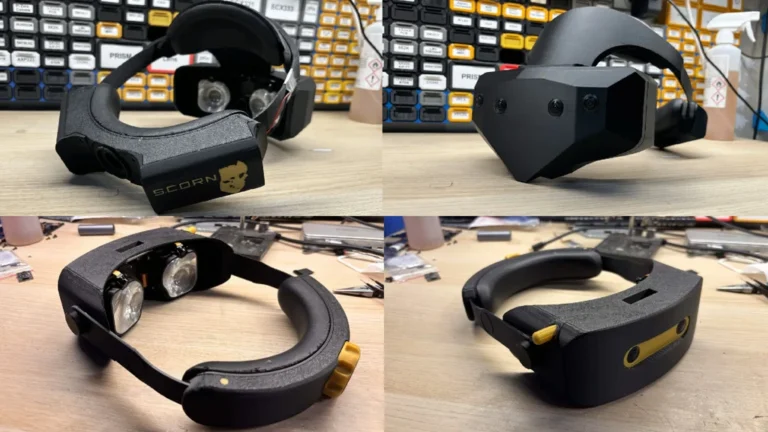
Despite the consolidation of major players, independent hardware development continues through platforms like Kickstarter. Walker Dev Industries has launched a campaign for the "Vector Gear" and "Andromeda" headsets, which utilize the open-source XRUIOS operating system. The Andromeda model boasts a 2560×2560 resolution per eye and integrated eye tracking, positioned as a high-end alternative for users who wish to avoid the closed ecosystems of Meta or Sony.
The project reflects a growing segment of the VR community that prioritizes hardware sovereignty and data privacy. However, like many independent hardware ventures, the project faces significant logistical hurdles, with an estimated shipping date of May 2027. The success of such projects will be a litmus test for whether the VR market can sustain a "third-way" between massive corporate platforms and discontinued enthusiast hardware.
Industry Implications and Future Outlook
The current state of the XR market is defined by a move toward convergence. The discontinuation of the Valve Index signifies the end of the "tethered" era for the average consumer, as the industry gravitates toward standalone headsets that offer the flexibility of mobile processing with the option for wireless PC connectivity.
The integration of AI into AR glasses suggests that the next phase of growth will not be driven by "presence" in virtual worlds, but by "assistance" in the physical world. As Valve prepares its next hardware moves and Sony’s future remains opaque, the vacuum left by the Index will likely be filled by a mix of high-end boutique headsets and mass-market AI wearables. The transition period between 2026 and 2028 will be critical in determining whether high-fidelity PC VR remains a viable consumer category or transitions entirely into a specialized professional tool.
About the Author