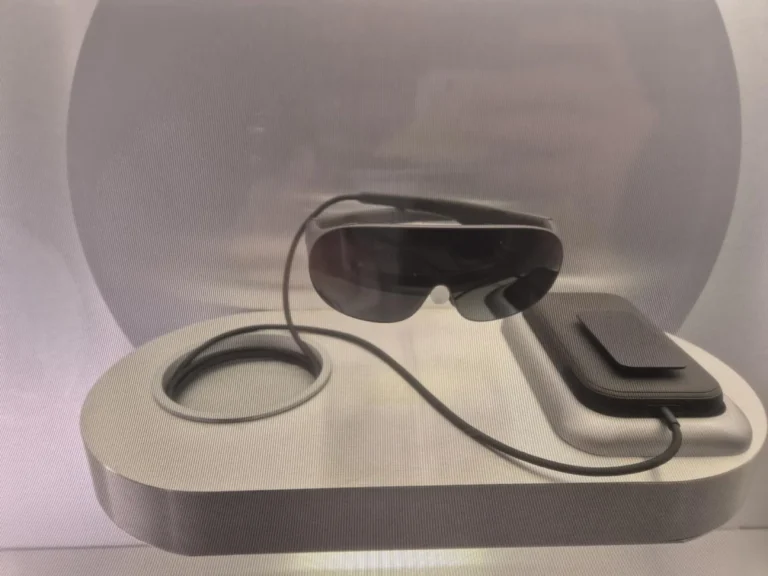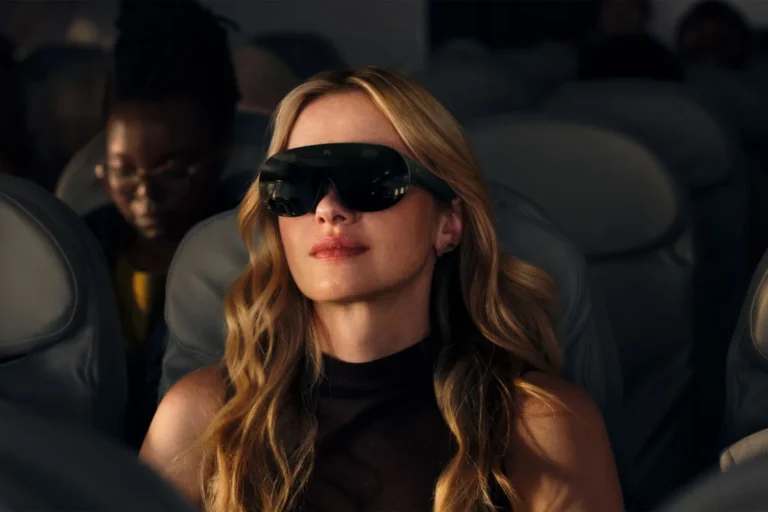
The extended reality (XR) industry is currently navigating a period of significant transition, marked by high-stakes hardware rumors, advancements in spatial computing software, and a shifting economic landscape for developers. Central to recent industry discourse is Valve’s anticipated "Steam Frame" headset, a device that represents the company’s next major step in the hardware sector following the 2019 release of the Valve Index. Recent logistical updates suggest that the launch of the Steam Frame is approaching, as reports indicate new shipments of hardware units have arrived at Valve’s distribution centers.
Valve Steam Frame: Verification Standards and Market Positioning
As Valve prepares for the Steam Frame’s market entry, the company has refined its "Steam Frame-verified" program, a certification process designed to ensure software compatibility and performance consistency. Recently, Valve adjusted the minimum performance requirements for this badge. To earn verification, a VR title must now maintain a minimum of 72 frames per second (fps) at a resolution of at least 1,728 × 1,728 pixels per eye. This adjustment, initially noted by industry analysts in mid-2024, suggests a strategic balance between high-fidelity visual output and the processing constraints of modern hardware. Notable additions to the verified catalog include the community-developed Half-Life 2 VR mod, signaling Valve’s continued support for community-driven content.
However, the most significant point of contention regarding the Steam Frame involves its projected retail price. Prominent industry insiders and leakers, including Tyler McVicker, have suggested a potential launch price of $1,500. While Valve has not officially confirmed these figures, the speculation has sparked a debate regarding the headset’s target demographic. A $1,500 price point would position the Steam Frame as a premium prosumer device, competing more directly with the Apple Vision Pro or high-end enterprise headsets than with consumer-grade products like the Meta Quest 3. Market analysts suggest that while a high price may limit mass-market adoption, the device is likely to find a dedicated audience among VR enthusiasts and professional users who prioritize the open-platform nature and ergonomic innovations Valve is expected to introduce.
The Role of AI in the Proliferation of VR Mods
The PCVR (Personal Computer Virtual Reality) ecosystem is witnessing a surge in "flat-to-VR" modifications, largely fueled by advancements in artificial intelligence that streamline the porting process. Independent developers are increasingly bringing legacy and modern non-VR titles into the spatial medium, with recent examples including a project to port the original Unreal Tournament.

Despite the technical achievements of these projects, their impact on the broader XR market remains a subject of analysis. Data suggests that these mods primarily serve a highly specialized niche. For instance, high-profile mods for titles such as Cyberpunk 2077 have seen download numbers in the range of 2,000 to 5,000 units—a fraction of the millions of users in the general gaming population. Industry experts point to "cognitive overload" as a potential barrier; the rapid release of multiple mods can fragment the user base and dilute the marketing impact of any single project. Furthermore, the high cost of VR-ready PCs continues to keep the PCVR segment isolated from the broader standalone VR market, which is currently dominated by Meta’s more affordable, self-contained hardware.
Connectivity and Software Infrastructure Developments
In the realm of software utility, Virtual Desktop has introduced wired USB support for Meta Quest headsets. This update addresses a long-standing grievance within the community regarding the stability of Meta’s official "Quest Link" software. Quest Link, which facilitates PCVR streaming via tethered or wireless connections, has been criticized for frequent crashes and a perceived lack of maintenance from Meta, leading some users to label it as "abandonware."
Virtual Desktop’s new tethered support provides a high-performance alternative for users with NVIDIA graphics cards who require a stable, low-latency connection. While third-party solutions often struggle with passing through proprietary data—such as advanced hand-tracking or mixed-reality environmental data—for development purposes, the addition of a wired option is seen as a vital improvement for general gaming and productivity.
Hardware Diversification: Smartglasses and Lightweight AR
The augmented reality (AR) and smartglasses sector continues to expand with the launch of the Viture Pro 2. Priced at $300, the device aims to balance portability with visual performance. The Viture Pro 2 features:
- Weight: 63 grams (a reduction from the previous model).
- Field of View (FOV): 50 degrees.
- Resolution: Full HD (1080p).
- Refresh Rate: 120Hz.
- Brightness: 1,600 nits.
Simultaneously, the crowdfunding landscape remains a significant, albeit controversial, engine for hardware development. Projects like the URXR One and Memomind have recently secured over $1 million in funding via Kickstarter. While these successes demonstrate consumer appetite for lightweight AR solutions, industry observers remain cautious, noting that many successful campaigns involve hardware that has already reached the late stages of production, using the platform more for marketing and pre-orders than for fundamental research and development.

Enterprise Integration and Surgical Advancements
The utility of XR in professional environments is being validated by new research and framework releases. A recent study involving the Apple Vision Pro found that the use of spatial computing in surgical settings could improve surgeon efficiency by up to 19%. By overlaying critical data and internal imaging directly onto the surgeon’s field of view, the headset reduces the need for clinicians to look away from the patient to consult external monitors.
In the enterprise software space, NVIDIA has released the public beta of its "XR AI" framework. This open-source solution allows corporations to integrate large language models (LLMs) with smartglasses. Key features include:
- Local Processing: AI models run locally on workstations to ensure data privacy and security.
- Cross-Platform Client: A frontend application compatible with mobile devices and AR glasses like the TCL RayNeo X3 Pro.
- Real-Time Interaction: Users can engage in voice-based queries about their physical environment, processed via the glasses’ camera feed.
Corporate Shifts and Security Challenges
The broader XR ecosystem is also contending with changes in corporate policy and hardware security. Unity, a dominant game engine in the VR space, has reportedly introduced new fees for the internal deployment of applications. This move follows previous controversial changes to Unity’s pricing structure and signals a continued effort by the company to monetize enterprise and industrial use cases of its software.
On the security front, the Meta Quest 3 recently faced a brief vulnerability when the community discovered an exploit providing root access to the device’s operating system. Meta moved quickly to patch the exploit, highlighting the ongoing tension between "right-to-repair" enthusiasts who seek greater control over their hardware and the manufacturer’s need to maintain a secure, closed ecosystem for content protection and safety.
Investment and Market Consolidation
Strategic investments continue to shape the future of XR components. ZEISS recently led a €2.2 million investment round in SeeTrue Technologies, a Finnish startup specializing in advanced eye-tracking solutions. SeeTrue’s technology is notable for its low power consumption and "lifetime calibration," which allows eye-tracking to function accurately for a user after a single initial setup. ZEISS’s interest in this technology underscores the critical role eye-tracking will play in the next generation of AR and VR devices, particularly for foveated rendering and intuitive user interfaces.

Furthermore, the secondary market for XR intellectual property is active, evidenced by Beyond Frames selling the publishing rights to Combat Waffle’s gaming portfolio for $1 million. This transaction reflects the growing value of established VR franchises as the industry matures.
As the industry looks toward the VR Games Showcase scheduled for August 12, the focus remains on whether upcoming software can match the technical potential of the hardware currently in development. While hardware like the Steam Frame and Viture Pro 2 push the boundaries of what is possible, the long-term health of the XR ecosystem will depend on sustainable developer business models and the transition of spatial computing from a niche interest into a mainstream utility.
About the Author