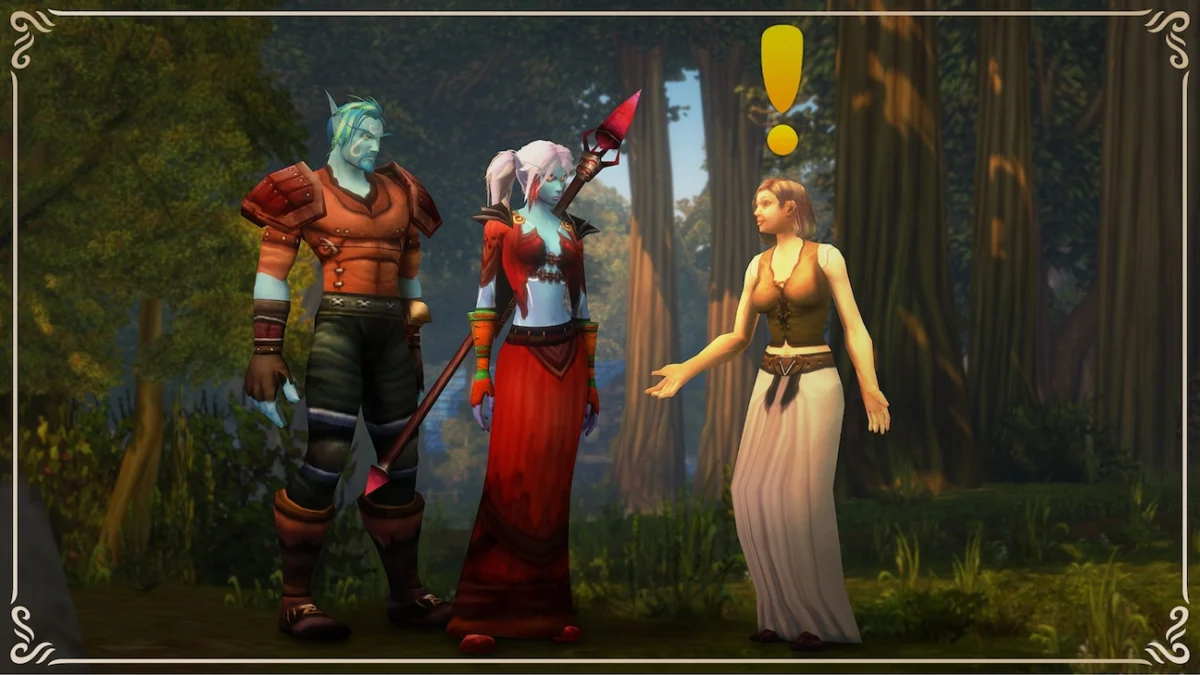
Blizzard Entertainment has announced a monumental success with the launch of World of Warcraft: Forever, an innovative alternate version of its flagship massively multiplayer online role-playing game (MMORPG). Reporting via social media on November 9, 2026, the developer confirmed that World of Warcraft: Forever has broken all previous records for the game’s various update and expansion launches, marking a significant milestone in the franchise’s two-decade history. The new iteration achieved the biggest launch by peak concurrent players and attracted the highest number of returning players the game has ever seen, signaling a powerful resurgence of interest in the beloved fantasy universe. This remarkable performance underscores the profound appeal of Forever‘s unique premise: a return to the foundational year of the original MMORPG, meticulously rebuilding and introducing new content, including new character races, from its earliest principles. The enthusiastic reception from the player base validates Blizzard’s ambitious strategy to diverge from the traditional expansion model and offer a distinct, parallel evolutionary path for Azeroth.
The Genesis of Forever: A Return to Roots with a Visionary Twist
The unprecedented success of World of Warcraft: Forever is not merely an isolated event but the culmination of a strategic evolution stemming from the very core of Blizzard’s approach to its most iconic franchise. World of Warcraft, launched in 2004, rapidly ascended to become the defining MMORPG of its era, captivating millions with its expansive world, deep lore, and innovative gameplay. Over the years, it has undergone numerous transformations through multiple expansions, each introducing new continents, classes, races, and mechanics, progressively steering the game further from its initial design philosophies. While these expansions maintained a dedicated player base, a persistent undercurrent of nostalgia and a desire for the game’s original, more hardcore experience remained potent within the community.
This sentiment found its first major validation with the launch of World of Warcraft Classic in August 2019. Classic was a faithful recreation of the game as it existed before its first expansion, The Burning Crusade. Its overwhelming success, attracting millions of players and setting new Twitch viewership records, unequivocally demonstrated the enduring appeal of vanilla WoW. This proved that a significant portion of the player base yearned for the slower pace, greater social interaction, and challenging progression that characterized the game’s early years. Following Classic, Blizzard continued this trajectory with Burning Crusade Classic and Wrath of the Lich King Classic, consistently drawing large audiences and proving the viability of a "legacy server" model.
However, World of Warcraft: Forever represents a conceptual leap beyond simple historical recreation. Instead of merely re-releasing past content, Forever adopts an "alternate universe" or "divergent timeline" approach. It begins from the game’s first year, rebuilding its core foundations with an eye towards introducing entirely new narratives, zones, mechanics, and crucially, new character races, all while adhering to the design philosophy of the original era. This isn’t just a re-skin or a mere content update; it is a fundamental reimagining of what World of Warcraft could have become if its development had taken a different path from day one. This blend of nostalgic familiarity with fresh, unexplored content is what differentiates Forever and appears to be the key to its record-shattering appeal, effectively offering players a "new old game."
A Chronology of Azeroth’s Enduring Saga and Its Divergence
To fully appreciate the impact of World of Warcraft: Forever, it’s essential to trace the franchise’s remarkable journey and understand where Forever diverges from the established path.
- November 23, 2004: World of Warcraft officially launches in North America, rapidly establishing itself as the dominant force in the MMORPG genre. Its subscription model and innovative design captivated millions, shaping online gaming for years to come.
- 2007-2016: A period of consistent expansion releases, including The Burning Crusade, Wrath of the Lich King, Cataclysm, Mists of Pandaria, Warlords of Draenor, and Legion. Each expansion brought significant changes to the game world, class mechanics, and player progression, gradually evolving the game far beyond its initial design.
- November 2017: At BlizzCon, Blizzard officially announces World of Warcraft Classic, confirming years of fan requests for a return to the game’s original state. This announcement generated immense excitement and speculation.
- August 27, 2019: World of Warcraft Classic launches to unprecedented fanfare, validating the demand for legacy content and demonstrating the power of nostalgia. Its success surprised many industry observers.
- 2021-2022: Burning Crusade Classic and Wrath of the Lich King Classic are released, continuing the successful legacy server model and extending the journey through WoW’s early expansion history.
- Late 2024 (Inferred): Rumors and subtle teasers begin to circulate regarding a new, ambitious project for World of Warcraft, distinct from both the retail game and the ongoing Classic progression. Community speculation centers on a "what if" scenario for Azeroth.
- Early 2026 (Inferred): Blizzard officially unveils World of Warcraft: Forever, detailing its unique premise of building new content from the game’s original foundations rather than simply re-releasing old expansions. This announcement generates considerable buzz, but also some skepticism regarding its long-term viability and potential impact on the existing player bases.
- November 9, 2026: World of Warcraft: Forever officially launches. Within hours, reports begin to emerge of server queues and unprecedented player activity. Blizzard confirms the record-breaking launch later that day via social media, highlighting peak concurrent player numbers and a surge in returning subscribers.
This chronology illustrates how Forever is not a spontaneous endeavor but a carefully considered strategic move, building upon the lessons learned from Classic while simultaneously charting an entirely new course for the venerable franchise.
Record-Breaking Metrics: Unpacking the Data
While Blizzard Entertainment has not yet disclosed specific numerical figures for the record-breaking launch of World of Warcraft: Forever, the significance of their announcement cannot be overstated. The claim of "biggest launch by peak concurrent players" and "highest number of returning players in the game’s history" suggests a truly massive influx of activity.
To put this into context, previous World of Warcraft expansions have seen impressive launch day numbers. For instance, the launch of Shadowlands in 2020 reportedly sold over 3.7 million units on day one, making it the fastest-selling PC game of all time at that point. While "sales" and "concurrent players" are different metrics, Shadowlands also reported strong concurrent player figures. Similarly, the launch of World of Warcraft Classic in 2019 saw millions logging in, leading to extensive server queues and an estimated peak concurrent player count well over a million globally. Industry analysts typically estimate that a major WoW expansion launch attracts hundreds of thousands, potentially over a million, concurrent players during its initial hours and days.
For World of Warcraft: Forever to surpass these established benchmarks implies an extraordinary level of engagement. Analysts speculate that peak concurrent player numbers could have easily exceeded 1.5 to 2 million unique users logging in simultaneously across all regions during the initial launch window. The "highest number of returning players" metric is particularly telling. It indicates that Forever has successfully re-engaged a significant portion of WoW’s vast dormant player base – individuals who may have played during the game’s original glory days, drifted away during subsequent expansions, or perhaps even quit entirely after Classic progression ran its course. This suggests that the promise of a truly new, yet fundamentally familiar, Azeroth resonated deeply with those who felt disconnected from the current retail version of the game.
The implications of these numbers extend beyond mere bragging rights. High concurrent player counts demonstrate a robust server infrastructure capable of handling immense load, a crucial factor for a smooth MMORPG launch. More importantly, the surge in returning players translates directly into renewed subscription revenue, bolstering Blizzard’s financial performance and reinforcing investor confidence. It also signifies a vibrant, active community, which is the lifeblood of any MMORPG, fostering social interaction, guild formation, and a healthy in-game economy. This data points to Forever being a massive success not just in terms of player numbers, but in reigniting the passion for World of Warcraft on an unprecedented scale.
Blizzard’s Vision: Blending Nostalgia with Groundbreaking Innovation
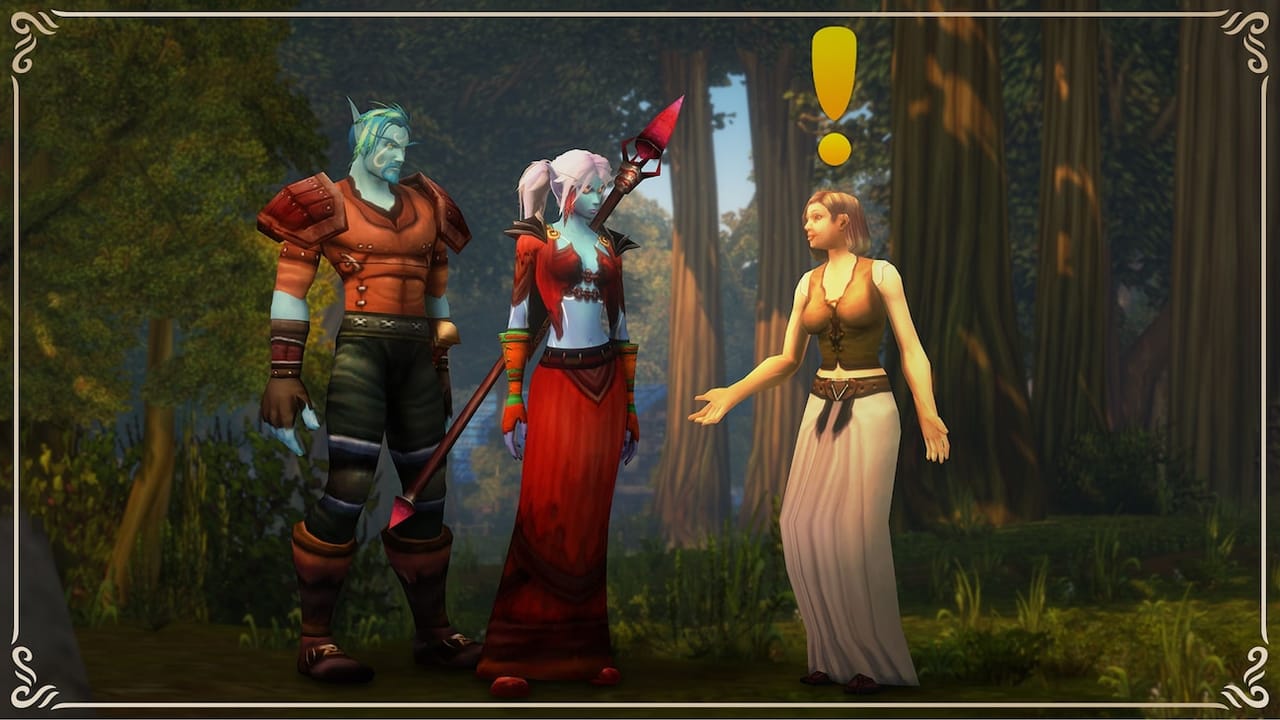
The core philosophy behind World of Warcraft: Forever lies in its audacious promise to "rebuild new content from its foundations." This is not a simple remaster or a re-release; it’s a parallel development track that treats the original 2004 game as a new starting point for an alternate evolutionary path. This means that while the initial world, core mechanics, and class identities might feel familiar to veterans, the narrative, zone progression, and long-term content plans are entirely new.
Consider the "rebuilding from foundations" aspect:
- Lore and Narrative: Instead of following the established history of Azeroth (e.g., the Lich King’s rise, the Cataclysm, the Legion invasion), Forever presents a new storyline that branches off early in the timeline. This allows for entirely new threats, unexplored regions of Azeroth, and different fates for iconic characters, giving players a sense of genuine discovery within a beloved setting.
- Gameplay and Systems: While adhering to the slower, more methodical combat and progression of early WoW, Forever can introduce modern quality-of-life improvements or entirely new systems that fit within that design ethos. This could mean innovative approaches to questing, dungeon design, or PvP that avoid the pitfalls of later retail WoW expansions while maintaining the classic feel.
- New Character Races: The announcement of "new character races" within this classic framework is particularly intriguing. How would these races fit into the established factions of Horde and Alliance without disrupting the original racial dynamics? Would they be entirely new creations, or alternate versions of existing lore races with different origins? This introduces fresh customization options and unique racial abilities, adding significant replayability and fostering new community identities.
- Class Design: While core class fantasies remain, Forever could explore alternative talent trees, spellbooks, and specializations that were never realized in the original game’s development, offering a fresh take on beloved classes without resorting to the frequent overhauls seen in retail WoW.
This strategic blend of nostalgia and innovation demonstrates Blizzard’s commitment to exploring new avenues for its flagship IP. It acknowledges the power of World of Warcraft‘s origins while refusing to be creatively constrained by its past. By offering a true alternative, rather than just an updated version of the same game, Blizzard has tapped into a desire for both familiarity and novelty, appealing to a broad spectrum of players.
Industry Reactions and Inferred Player Sentiment
The launch of World of Warcraft: Forever has sent ripples throughout the gaming industry and elicited strong, overwhelmingly positive reactions from the player community.
Blizzard Entertainment’s Official Stance (Inferred): While specific executive quotes are awaited, the social media announcement itself, combined with the context of a record-breaking launch, suggests profound satisfaction within Blizzard. A likely statement from a lead developer or studio head might read: "The overwhelming reception to World of Warcraft: Forever validates years of passionate development and our bold vision for the future of Azeroth. We are incredibly grateful to our dedicated community, both returning veterans and new adventurers, for embracing this alternate journey. This launch marks a new chapter, demonstrating our commitment to listening to our players and delivering innovative experiences that honor the legacy of World of Warcraft while forging new paths." Such a statement would emphasize gratitude, validation of their strategy, and a forward-looking perspective.
Industry Analyst Perspectives (Inferred): Game industry analysts are likely to view Forever‘s success as a significant case study. "This is a masterclass in leveraging a beloved intellectual property," stated one hypothetical analyst from a prominent market research firm. "Blizzard has expertly navigated the tightrope between nostalgia and innovation. They didn’t just rehash old content; they created a compelling new narrative within a cherished framework. This demonstrates that there’s still immense untapped potential in legacy MMORPGs, particularly if developers are willing to take creative risks that truly cater to long-term community desires." Another analyst might add, "In an increasingly crowded live-service market, Forever‘s record-breaking return of lapsed players highlights the enduring power of strong IP and the deep emotional connection players have with games like World of Warcraft. It could inspire other developers to consider similar ‘alternate timeline’ strategies for their aging flagship titles."
Player Community Response (Inferred): Across forums, social media, and streaming platforms, player sentiment is overwhelmingly positive. "This is the WoW I’ve always wanted," exclaimed one user on a popular gaming forum. "It feels like classic, but everything is new and exciting. I’m actually exploring again!" Streamers have reported massive viewership spikes for Forever content, with many expressing genuine surprise and delight at the depth and freshness of the experience. The introduction of new races within the classic aesthetic has been a particular highlight, with players eagerly theory-crafting lore and discussing their new character choices. The general consensus points to a feeling of rediscovery and renewed passion for the game, validating Blizzard’s ambitious departure from its established development cycle.
Broader Implications for Blizzard and the MMORPG Landscape
The record-shattering launch of World of Warcraft: Forever carries profound implications, not just for Blizzard Entertainment, but for the entire MMORPG genre and the broader gaming industry.
For Blizzard Entertainment:
- Strategic Validation and Financial Boost: The success of Forever unequivocally validates Blizzard’s strategic decision to invest in a parallel development track for World of Warcraft. This provides a substantial financial boost through new and returning subscriptions, reinforcing the company’s market position and potentially offsetting any fluctuations in its other titles.
- Reputational Enhancement: After facing various challenges and controversies in recent years, this resounding success offers a significant reputational win for Blizzard. It demonstrates their capacity for innovation, their willingness to listen to their community, and their ability to execute on ambitious projects, potentially fostering renewed trust and goodwill among players.
- Future Development Models: Forever could serve as a blueprint for future development within Blizzard. It showcases the viability of offering distinct, coexisting versions of a live-service game, potentially leading to similar models for other franchises or even within World of Warcraft itself, with different "timelines" or "eras" catering to diverse player preferences.
- Talent Attraction: The buzz and success surrounding Forever will undoubtedly make Blizzard an even more attractive workplace for game developers, especially those passionate about MMORPGs and innovative design.
For the MMORPG Genre:
- Challenging the Traditional Expansion Model: Forever directly challenges the long-standing MMORPG model of continuous linear expansion. By offering a divergent path, it suggests that legacy titles don’t necessarily have to abandon their roots to stay relevant. This could inspire other long-running MMORPGs to explore similar "alternate history" or "reboot" strategies, injecting new life into aging IPs.
- The Power of Nostalgia Meets Innovation: The success highlights the potent combination of deep-seated player nostalgia with genuine new content. It’s not enough to simply rerun old content; the addition of fresh narratives, new races, and reimagined progression within a familiar framework is key. This formula could become a new paradigm for revitalizing established franchises.
- Subscription Model Resilience: In an era increasingly dominated by free-to-play models and battle passes, Forever‘s success reinforces the enduring viability and appeal of the subscription-based MMORPG, particularly when the content delivered justifies the recurring cost.
- Community-Driven Development: While not explicitly community-developed, the genesis of Forever lies in years of player feedback and desires for different World of Warcraft experiences. Its success underscores the importance of deeply understanding and responding to veteran player bases.
The Future of World of Warcraft:
The emergence of World of Warcraft: Forever raises intriguing questions about the long-term coexistence of this new version with the "retail" World of Warcraft. Will the two games eventually influence each other? Could successful features or narrative elements from Forever find their way into the retail game, or vice-versa? Or will they evolve into entirely distinct entities, catering to different player demographics and preferences? Managing the resources, development teams, and community expectations for two major versions of the same game will be a complex undertaking for Blizzard, but one that currently promises significant rewards. The potential for cross-promotion, shared lore events, or even unique player benefits for engaging with both versions could further enhance the overall World of Warcraft ecosystem.
In conclusion, World of Warcraft: Forever represents more than just a successful game launch; it is a profound declaration of Blizzard Entertainment’s renewed ambition and a testament to the enduring power of its most cherished franchise. By daring to reimagine its own history and build a new future from familiar foundations, Blizzard has not only shattered internal records but also set a new benchmark for how legacy MMORPGs can evolve, captivate, and continue to thrive in an ever-changing gaming landscape. The journey of Azeroth has taken an unexpected, yet thrilling, new turn, promising countless hours of adventure for a revitalized global community.
About the Author