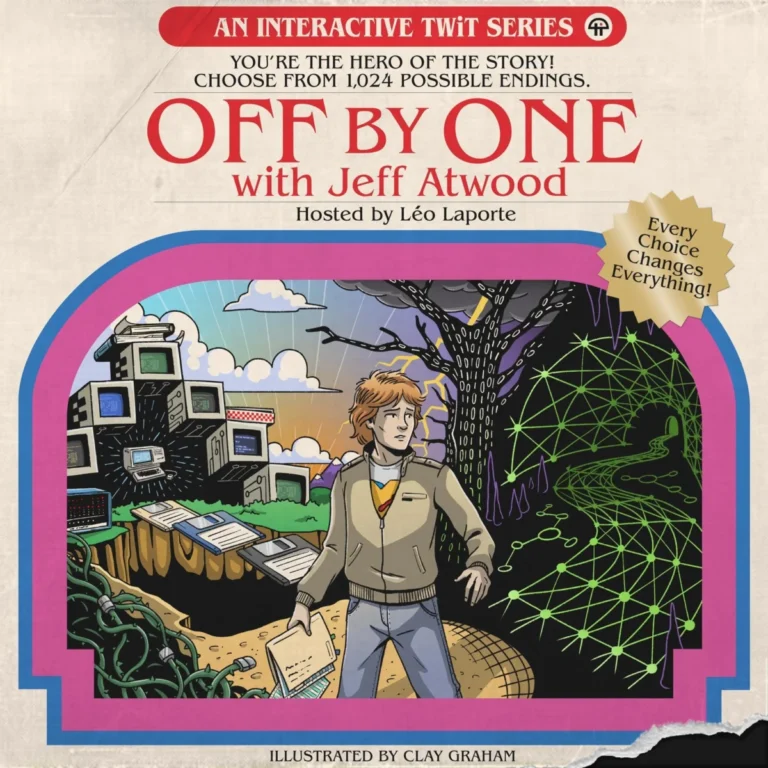
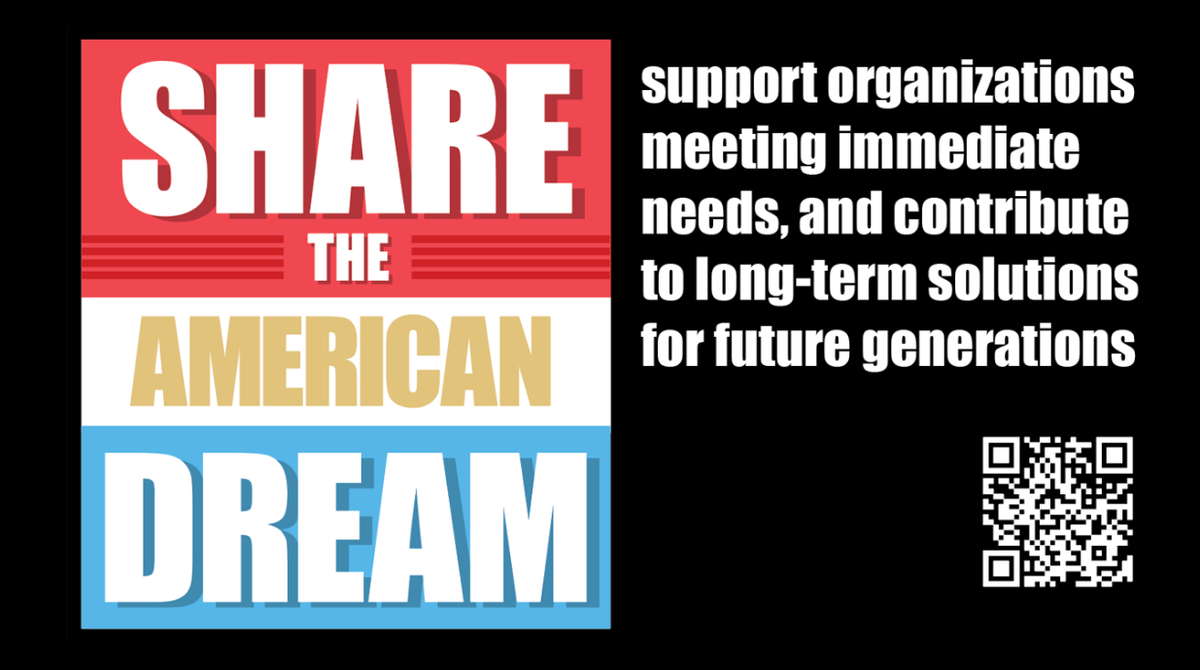
Jeff Atwood, co-founder of the influential tech platforms Stack Overflow and Discourse, has announced a significant philanthropic commitment: his family will pledge half of their remaining wealth over the next five years to safeguard and revitalize the American Dream. This long-term initiative follows an immediate distribution of eight $1 million donations to nonprofit organizations addressing urgent societal needs. Atwood’s decision stems from a deep concern that the nation is at an "unprecedented point in American history" where the foundational promise of the American Dream risks being lost amidst growing wealth inequality, escalating costs of essential services, and profound political polarization.
A Personal Journey Fueling Public Philanthropy
Atwood’s journey from humble beginnings to tech entrepreneurship forms the bedrock of his philanthropic vision. He recounts a childhood shaped by the "hardscrabble rural" origins of his parents in West Virginia and North Carolina, who, despite personal struggles including alcoholism, instilled in him the profound value of love and human connection. His path through public education in Chesterfield County, Virginia, culminated in graduation from the University of Virginia in 1992, an institution founded by Thomas Jefferson. This period was marked by financial struggle, with Atwood working part-time as a Safeway cashier at federal minimum wage, supplementing income with Pell grants and scholarships to cover what was then an annual tuition of approximately $3,000. This personal experience contrasts sharply with today’s landscape, where in-state tuition at the same university has soared to $23,000 annually, an eightfold increase in just three decades. This drastic rise in educational costs, alongside similar escalations in healthcare and housing, serves as a stark example of the systemic barriers now confronting many aspiring Americans.

Atwood’s professional life saw him co-found Stack Overflow in 2008 with Joel Spolsky, a Q&A platform that rapidly became an indispensable resource for programmers worldwide. He describes Stack Overflow as a "digital democracy," built on principles of community-driven content ranking and moderator elections utilizing ranked-choice voting, fostering a shared Creative Commons knowledge base. Following this success, he co-founded Discourse, an open-source tool designed to facilitate constructive and empathetic online discussions, emphasizing community-agreed boundaries and moderation. These ventures, he notes, represent "projects for the public good that happen to be corporations," embodying an American ideal of innovation and shared progress.
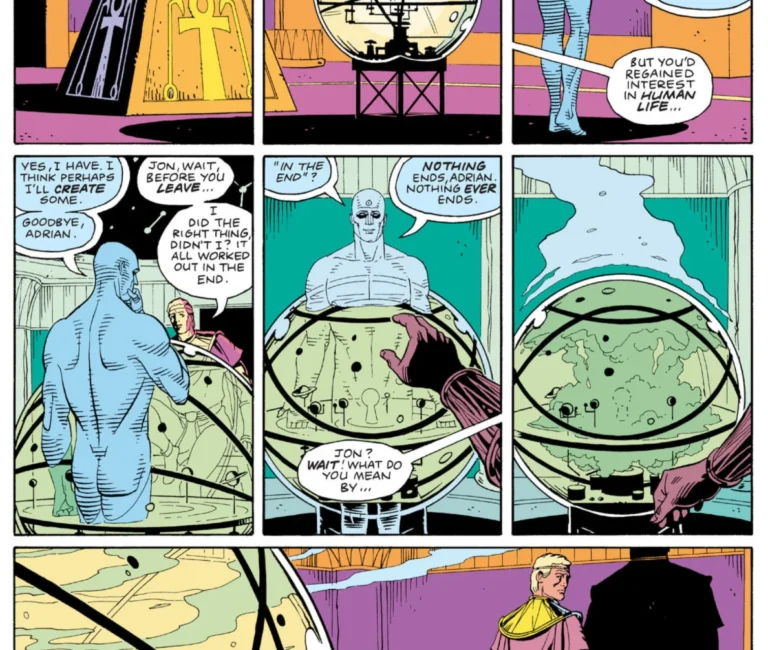
Despite achieving considerable financial success—earning "millions of dollars"—Atwood realized that personal wealth accumulation alone did not fulfill the true spirit of the American Dream. An impactful viewing of "The Outsiders" at his son’s high school led to a reinterpretation of the iconic phrase "stay gold," understanding it to mean "sharing the American Dream." This revelation underscored a belief that the dream’s essence lies not merely in individual achievement but in ensuring its accessibility for all.

The Erosion of the American Dream: A Data-Driven Analysis
Atwood’s concerns are supported by various socioeconomic indicators painting a picture of a nation grappling with widening disparities and democratic challenges.
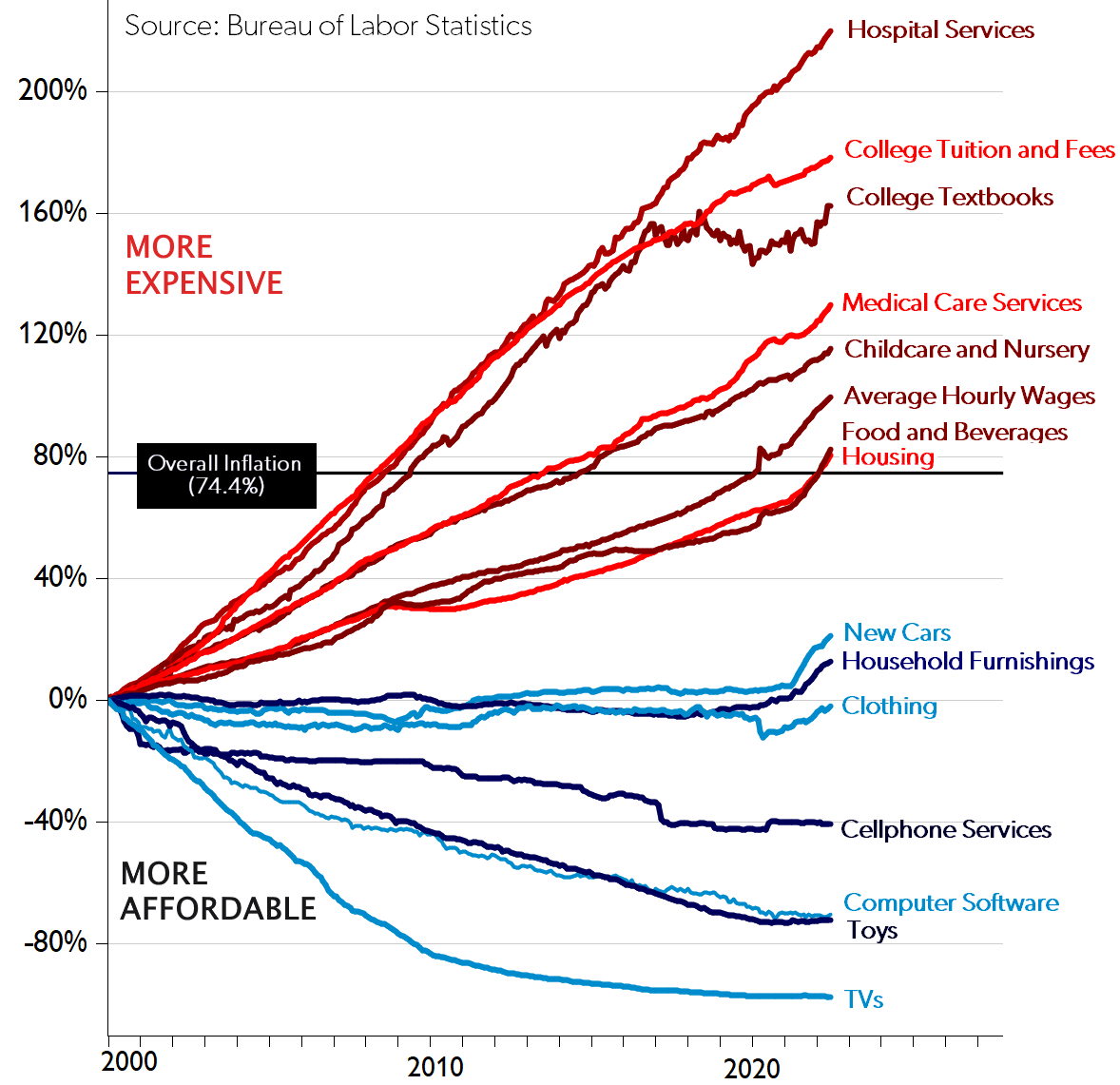
- Economic Inequality: The article highlights a concerning trend in wealth distribution. In 2012, the top 1% of Americans held 24% of the nation’s wealth; by 2021, this figure had climbed to 30%. Globally, the top 1% now possess nearly twice as much wealth as the rest of the world combined. This concentration of wealth, Atwood argues, is "unamerican," creating a profound disconnect between the affluent and the majority. The rising costs of education, healthcare, and housing further exacerbate this inequality, making the traditional pathways to upward mobility increasingly difficult for many. For instance, the average cost of college tuition across the U.S. has risen by over 169% since 1980, significantly outpacing wage growth and contributing to a staggering national student loan debt exceeding $1.7 trillion.
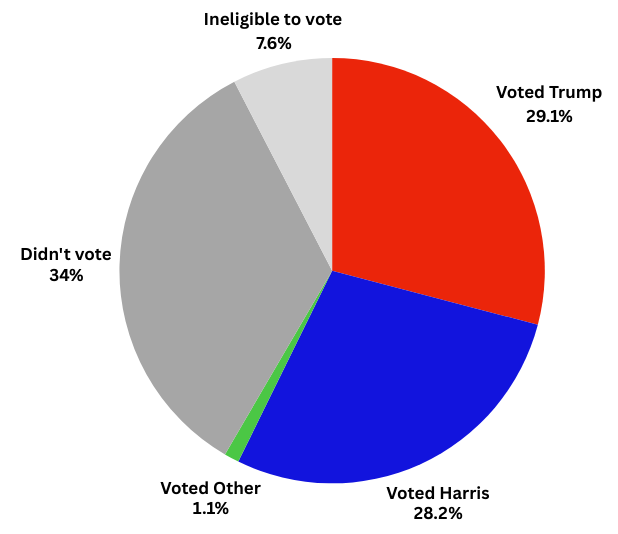
- Civic Engagement and Democratic Health: The 2024 United States presidential election serves as a critical backdrop to Atwood’s reflections. Data indicates that 34% of eligible adults did not exercise their right to vote, while an additional 7.6% were ineligible due to factors such as non-citizenship or felony convictions. This means a significant 42% of American adults had no direct say in the election’s outcome. Atwood points to potential systemic issues like voter suppression and gerrymandering, alongside voter indifference, as contributing factors. He advocates for electoral reforms such as making Election Day a national holiday, universal mail-in voting, and adopting ranked-choice voting to ensure greater representation and engagement. The current state of political polarization, which is at historically high levels, further compounds these challenges, rendering government action slower and less effective. The last meaningful constitutional amendment, the 26th, which lowered the voting age to 18, was passed in 1971, highlighting the legislative gridlock.
- The Philosophical Divide: Atwood delves into the philosophical underpinnings of the American Dream, referencing its articulation in the Declaration of Independence by Thomas Jefferson: "Life, Liberty and the pursuit of Happiness." He acknowledges the continuous struggle to live up to these ideals, citing Jimi Hendrix’s iconic 1969 Woodstock rendition of "The Star-Spangled Banner" as a powerful illustration of the dream’s historical distortions. He questions whether a polarized nation still shares a common vision of this dream, emphasizing the choice between "the path of hate" and "the path of love," ultimately pledging his family’s wealth to an "American Dream founded on love."
The Philanthropic Pledge: A New Model for Wealth Distribution
Atwood’s philanthropic approach draws inspiration from, yet distinguishes itself from, traditional models like Warren Buffett’s Giving Pledge. While admiring Buffett’s commitment to donate over 99% of his wealth to philanthropy, Atwood questions the timing and structure of such pledges, especially after Buffett amended his plan to distribute wealth to a charitable trust run by his adult children. Atwood emphasizes the urgency of active, timely distribution, stating, "It is now time to allocate half the wealth I was so fortunate to be dealt within the next five years, not just for my own family, but for all my fellow Americans." He clarifies that his family will retain sufficient wealth to ensure his children’s college education and homeownership, recognizing the challenges of modern parenthood.
The initial eight $1 million donations were directed towards addressing immediate needs, underscoring a commitment to direct, impactful aid. The subsequent pledge of half his remaining wealth will support longer-term efforts, for which Atwood intends to advise and empower others working towards similar goals. He acknowledges that "there is no single solution" and advocates for collaborative efforts.
Implications and Future Outlook
Atwood’s substantial pledge and accompanying critique of current societal trends carry several implications:
- A Call for Immediate Action from the Wealthy: By acting decisively and publicly, Atwood sets a precedent for other successful entrepreneurs to actively deploy their wealth during their lifetime, rather than deferring it to future generations or trusts. This could inspire a more dynamic and engaged form of philanthropy within the tech sector and beyond.
- Reframing the Role of Business in Society: His emphasis on Stack Overflow and Discourse as "projects for the public good" despite being corporations challenges the purely profit-driven narrative of capitalism. It suggests a vision where entrepreneurial success is intrinsically linked to societal benefit and responsibility.
- Highlighting Systemic Failures: Atwood’s analysis of rising costs, wealth inequality, and democratic shortcomings serves as a powerful, data-backed indictment of existing systemic issues. His philanthropic efforts, while significant, implicitly underscore the need for governmental and policy-level interventions to truly address these challenges.
- Promoting Empathy and Digital Civility: His focus on "digital democracy and empathy" through Discourse extends beyond the tech world, advocating for a fundamental shift in how individuals interact, especially in increasingly digital spaces. This commitment to fostering understanding is crucial in an era of heightened online polarization.
Atwood’s initiative is not merely a financial commitment but a profound statement on the moral obligation of wealth and the urgent need to restore the promise of the American Dream for future generations. He plans to further detail the long-term efforts his family will support in a follow-up blog post and will co-present a "Rebuilding the American Dream: A Path Forward" talk with Alexander Vindman at Cooper Union on March 20th. His message resonates as a powerful call for collective action, urging Americans to "Stay gold" by actively participating in the "Sharing the American Dream," emphasizing love and unity as the bedrock of a fairer, more inclusive society.
About the Author