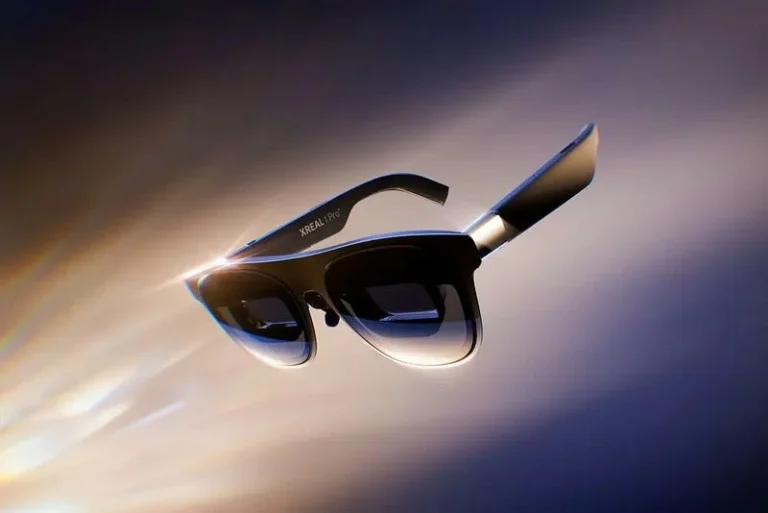
XREAL has officially confirmed the pricing and launch details for its Aura augmented reality (AR) glasses, marking a significant milestone in the competitive spatial computing market. The Aura headset will be available in two primary configurations: a model featuring 12GB of RAM and 256GB of storage priced at $1,279, and a high-performance unit with 16GB of RAM and 512GB of storage retailing for $1,499. While the company has opened the completion of purchases for reservation holders, the launch has been marred by a strategic retreat from several major international markets.
XREAL Aura Launch and Regional Market Contraction
The deployment of the XREAL Aura is currently restricted to four primary regions: the United States, Canada, Japan, and South Korea. In a move that has drawn significant criticism from the global developer and enthusiast community, XREAL announced that it would no longer fulfill orders for the European Union and Australia. Customers in these excluded regions who previously placed reservations are being issued full refunds.
In an official statement, XREAL attributed this decision to "regional optimization," stating that additional time is required to ensure a localized experience regarding language, infrastructure, and app ecosystems. However, industry analysts suggest that the pivot may be influenced by stringent European Union regulations, particularly the EU AI Act, which imposes rigorous transparency and safety requirements on AI-driven features such as those powered by Google’s Gemini, which are integrated into the Aura platform.
The $1,279 entry price positions the Aura as a direct competitor to Meta’s high-end mixed reality offerings. By pricing the device slightly below the anticipated threshold of competing premium headsets, XREAL appears to be targeting "prosumers" who prioritize optical clarity and AR-specific ergonomics over the broader mixed-reality capabilities of bulkier VR-style headsets.

Pimax Crystal Pro and the Spation Computing Ecosystem
Parallel to XREAL’s news, Pimax has unveiled its latest hardware roadmap, introducing the Pimax Crystal Pro and the Spation mini-PC. The Crystal Pro is engineered specifically for high-fidelity wireless PC VR, featuring a resolution of 2,880 x 2,880 pixels per eye and a 120Hz refresh rate. To facilitate low-latency data transmission, Pimax introduced the 60G AirLink antenna, which claims to provide uncompressed image quality with a latency of just 2ms.
The Crystal Pro is priced at $1,399, with the 60G AirLink accessory available for $599. A bundled package is offered at $1,899. Accompanying the headset is the Spation, a specialized mini-PC designed to act as a dedicated "Steam Machine" equivalent for the VR era. The Spation will be configured with high-end graphics cards, including the AMD RX 9070 XT or the NVIDIA RTX 5070 Ti.
This announcement comes as Pimax undergoes a corporate rebranding, shifting its visual identity from its traditional green color scheme to a new blue aesthetic. While the specifications are industry-leading, Pimax has not yet set firm shipping dates, a move consistent with the company’s history of prioritizing technical milestones over rigid release schedules.
Logistical Challenges for Valve’s Steam Frame
While Pimax and XREAL move forward with new hardware, Valve’s "Steam Frame" project is reportedly facing significant logistical hurdles. Recent reports indicate that new reservations for the device now list shipping dates as far out as 2027. The delay has sparked discussions regarding Valve’s manufacturing capacity and its reliance on external partners for large-scale hardware distribution. The extended timeline may impact the device’s relevance, as competing headsets from Meta and Pimax are expected to iterate their hardware multiple times before the Steam Frame reaches the majority of consumers.
The Impact of Community-Driven VR Porting: Titanfall 2
The software landscape of XR has seen a significant shift this week with the release of a comprehensive VR mod for the critically acclaimed first-person shooter Titanfall 2. The mod has received universal praise for its ease of installation and the seamless integration of VR mechanics into a game originally designed for flat screens.

The success of the Titanfall 2 VR mod has reignited a debate within the industry regarding the necessity of "VR-native" development. While native titles like Half-Life: Alyx offer unparalleled interaction, the enthusiastic reception of ported high-budget (AAA) games suggests that depth of content and production value may be more critical to user retention than native spatial design. This trend highlights a potential path for the industry: leveraging existing high-quality intellectual properties to fill the content gap while native VR development continues to mature.
Enterprise Expansion and Regulatory Proposals
Meta has signaled a renewed focus on the enterprise sector with the announcement of the Oakley Meta Vanguard glasses. Unlike previous iterations focused on lifestyle and athletics, the Vanguard features clear lenses and meets Z87 and Z87+ safety standards for impact resistance. This move suggests Meta is positioning its smartglasses for use in industrial, construction, and medical environments where eye protection is mandatory.
However, the proliferation of smartglasses is meeting regulatory resistance in some regions. In Norway, lawmakers have proposed a temporary ban on smartglasses in public spaces, citing privacy concerns regarding the devices’ ability to record video and audio discreetly. This legislative movement mirrors early pushback against Google Glass and indicates that the social acceptance of wearable cameras remains a significant hurdle for the industry.
Industry Leadership Transitions and Corporate Milestones
The XR media landscape is also seeing a transition as Road To VR, a leading publication in the sector, celebrates its 15th anniversary. Founded by Ben Lang prior to the landmark Oculus Kickstarter, the outlet has been a primary source of investigative journalism in the field. Concurrent with the anniversary, Ben Lang announced he is stepping down as Executive Editor to join the smartglasses manufacturer Viture. Scott Hayden, a long-time contributor to the site, has been named the new Executive Editor.
In the startup space, Sesame—a company led by Oculus co-founders Brendan Iribe and Nate Mitchell—is reportedly preparing for a 2027 launch of high-end AI smartglasses. Eschewing traditional partnerships with mass-market eyewear brands, Sesame is collaborating with Japanese designers to focus on a premium aesthetic and sophisticated, natural-language AI interactions.

Hardware Supply Chain and Technical Updates
In the PC hardware sector, reports suggest NVIDIA may be shifting its production focus away from the GeForce RTX 5090 to prioritize more profitable AI data center chips. This shift could result in a supply drought for high-end VR enthusiasts, with rumors suggesting the RTX 5080 (24GB) may become the de facto flagship for the gaming market.
On the software side, Meta’s HorizonOS is receiving a Public Test Channel (PTC) update that significantly overhauls 2D window management. The update includes a QR code reader for easier onboarding and the return of classic Home environments. Additionally, data miners have discovered evidence of a new "Cinema Environment" designed to optimize movie viewing on both the Quest series and Meta’s upcoming dedicated VR glasses.
Chronology of Major XR Events (Q4 2024 – 2027)
- October 2024: XREAL opens Aura purchases for US, Canada, Japan, and Korea; refunds issued for EU/Australia.
- November 11, 2024: Apple to host "XR Storytellers" event in Cupertino to discuss immersive production.
- December 2024: Scheduled "Upload VR Showcase" to highlight upcoming software titles.
- Q1-Q2 2025: Anticipated shipping of Pimax Crystal Pro and Spation mini-PC.
- 2027: Expected launch window for Sesame AI glasses and widespread shipping of Valve’s Steam Frame.
The current state of the XR industry reflects a period of intense hardware diversification and regional fragmentation. While technical capabilities continue to advance at a rapid pace, regulatory hurdles in Europe and logistical bottlenecks in global shipping remain the primary obstacles to universal adoption.
About the Author