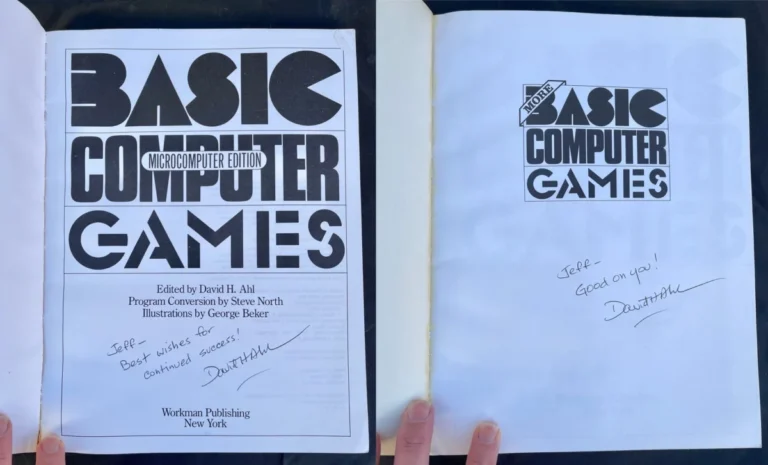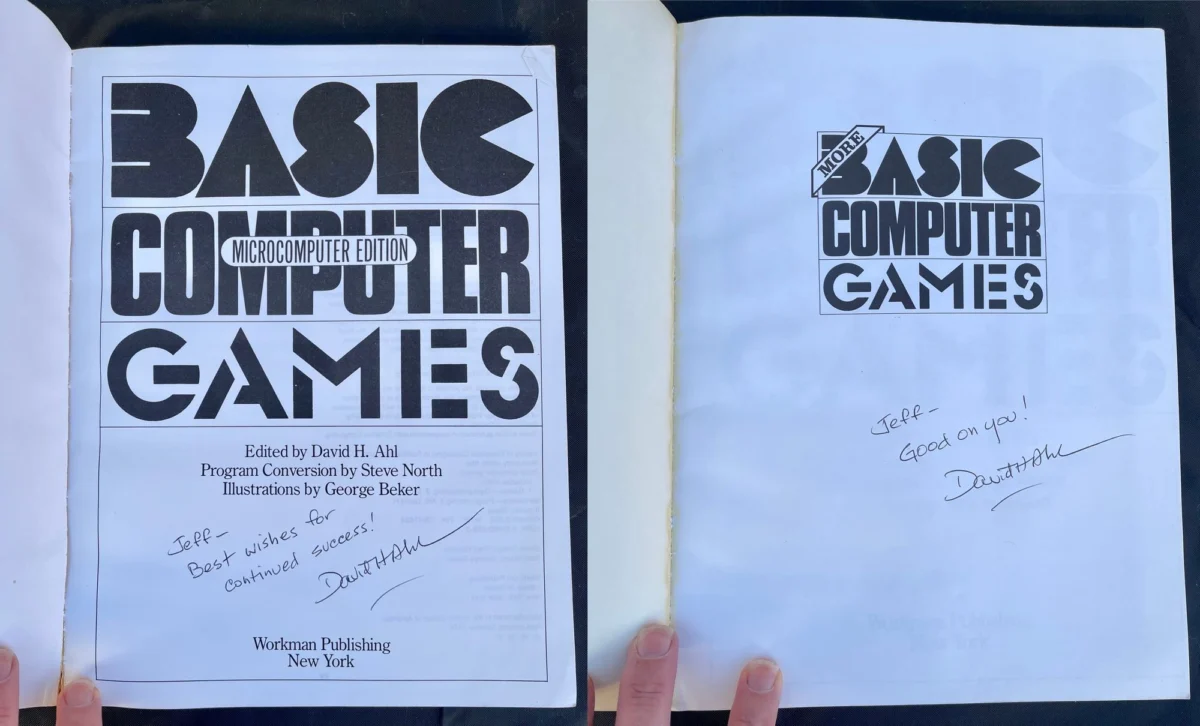
A pivotal artifact of early computing, the seminal book "101 BASIC Computer Games," is undergoing a comprehensive modernization initiative led by renowned programmer and Stack Overflow co-founder Jeff Atwood. This ambitious project aims to translate the classic, foundational games that once introduced an entire generation to programming into a suite of modern, memory-safe languages, breathing new life into these digital relics for contemporary audiences and future generations. The collaborative effort, hosted on GitHub, seeks to preserve the historical essence of these programs while demonstrating evolved programming practices, with a philanthropic incentive to support diversity in technology.
The Dawn of Personal Computing and a Programming Bible
The landscape of computing in the 1970s and early 1980s was starkly different from today’s intuitive graphical user interfaces. Early personal computers, far from offering a "fancy schmancy desktop," famously booted directly to a command line. This Spartan interface was the gateway to interaction, where users communicated with their machines through text-based commands. For many, the ability to make these nascent machines perform any task beyond basic system functions hinged on manual input. Without the readily available software libraries or app stores of today, users often had to type entire programs line by line from printed sources. It was within this context that "101 BASIC Computer Games," authored by David H. Ahl, emerged as an indispensable guide and a de facto programming textbook.
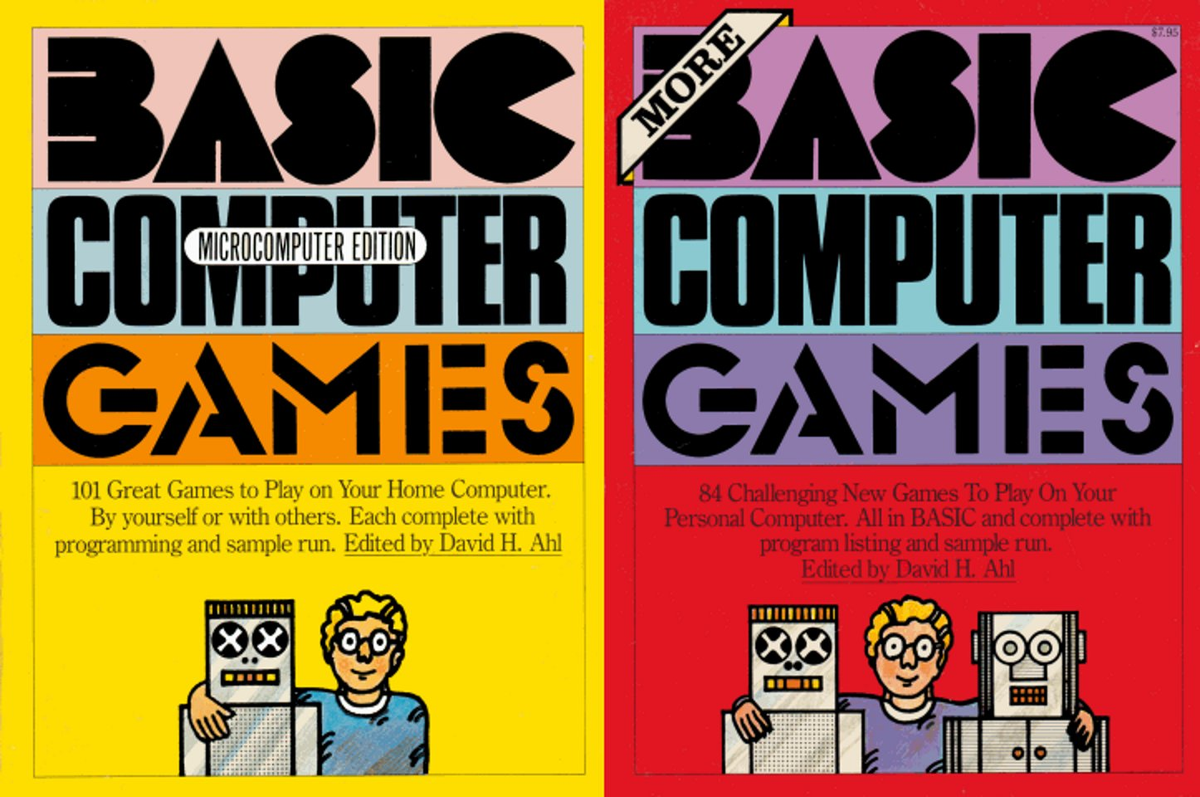
Published initially by Digital Equipment Corporation (DEC) in 1973 and later by Ahl himself, the book became an unlikely bestseller, offering a collection of games written in BASIC (Beginner’s All-purpose Symbolic Instruction Code). These programs, ranging from simple text adventures like "Civil War" to mathematical challenges and simulations, provided a tangible way for enthusiasts to engage with their computers. Jeff Atwood, the driving force behind the current modernization, credits this book, along with its sequel, as foundational to his entire professional career, reflecting a sentiment shared by countless programmers who began their journey by meticulously keying in code from its pages. The experience of typing programs by hand, often debugging inevitable typos without sophisticated development environments, was a rite of passage that instilled a deep understanding of programming logic and syntax in early adopters.
David H. Ahl: A Pioneer’s Vision
The story of "101 BASIC Computer Games" is inextricably linked to its visionary author, David H. Ahl, a true pioneer in making computing accessible to the masses. Before the widespread availability of microcomputers, Ahl, then working at DEC, recognized the immense potential of personal computing and the need for educational materials. He compiled these BASIC games, many of which originated from university mainframes and minicomputers, into a single anthology. His foresight was remarkable, considering the limited installed base of computers capable of running BASIC programs at the time.
Ahl’s commitment to democratizing computing extended beyond the book. In 1974, he founded Creative Computing Magazine, one of the earliest and most influential publications dedicated to personal computers. His journey to launch the magazine was a testament to entrepreneurial spirit and dedication. Leaving DEC, Ahl poured his personal resources and "sweat equity" into the venture, undertaking myriad tasks from editing and writing to layout and distribution. Famously, with only 600 initial subscribers, he printed 8,000 copies of the first issue, personally labeling and distributing 7,400 unsolicited copies to libraries and schools across the country. This audacious move helped ignite interest in computing and laid the groundwork for a burgeoning industry. The magazine served as a vibrant hub for the nascent computing community, sharing programs, hardware reviews, and ideas, further cementing the importance of books like "101 BASIC Computer Games" as practical guides for its readers.

The impact of "101 BASIC Computer Games" was nothing short of historic. Despite the scarcity of personal computers in its early years, the book quickly became a phenomenon. It went into a second printing, selling 10,000 copies, a staggering number that, as Ahl noted, "was far more books than there were computers around, so people were buying three, four, five of them for each computer." Its popularity only grew with the advent of affordable home computers like the Apple II, Commodore 64, and TRS-80 in the late 1970s and early 1980s. This unprecedented demand led "101 BASIC Computer Games" to become the first computer book in history to sell over a million copies, solidifying its status as a cultural touchstone and an essential gateway to programming for an entire generation.
The Enduring Appeal of BASIC
BASIC’s ascendancy as the dominant language for early personal computing was no accident; it was designed with simplicity and accessibility at its core. Developed at Dartmouth College in the mid-1960s by John G. Kemeny and Thomas E. Kurtz, BASIC aimed to provide a user-friendly programming language for students outside of science and mathematics fields. Its syntax was relatively straightforward, resembling natural English, and its interpretive nature meant that programs could be run line by line, offering immediate feedback – a stark contrast to the compiled languages prevalent in academic and industrial settings.
When microcomputers began to appear on the market in the late 1970s, BASIC was the natural choice for their built-in operating environments. Many early home computers "booted to BASIC," meaning that upon powering on, the user was greeted by a BASIC interpreter prompt, ready to accept commands or run programs. This direct interaction fostered experimentation and learning. For a generation, BASIC was synonymous with "programming," serving as the primary tool for creating everything from simple utilities to complex games. Its reliance on line numbers and ubiquitous GOTO statements, while now considered poor practice, allowed for easy control flow in simple programs, making it incredibly approachable for beginners. The language’s low barrier to entry was crucial in democratizing access to computing, empowering hobbyists and students to become creators rather than mere consumers of technology. This era, characterized by hands-on interaction and self-taught programming, laid the groundwork for the digital revolution that followed.
The Need for a Modern Revival
While "101 BASIC Computer Games" remains a cherished historical artifact, the original BASIC code reflects the programming paradigms of a bygone era. A previous attempt in 2010 to "modernize" these programs using SmallBasic fell short of truly updating them for contemporary practices. As Jeff Atwood observed, these ports often merely stripped away line numbers without addressing fundamental structural issues, such as the pervasive use of GOTO statements, which create "spaghetti code" and hinder readability and maintainability. Crucially, the absence of subroutines (or functions/methods in modern parlance) in many original BASIC programs meant that logic was often duplicated or scattered, making the code difficult to follow and refactor. Subroutines, widely regarded as one of the greatest inventions in computer science, enable modularity, reusability, and clearer program structure—elements entirely missing from the "modernized" SmallBasic examples.
Atwood’s vision for a true modernization extends beyond superficial changes. It seeks to embody the original spirit of BASIC—simplicity and accessibility—but within the framework of modern programming principles. This means restructuring the games to utilize contemporary concepts such as functions, object-oriented programming (where applicable), and clear control flow, moving away from the linear, imperative style of original BASIC. The emphasis is on translating the logic of these games into code that is not only functional but also educational for today’s developers, demonstrating how classic algorithms can be implemented using best practices. This initiative aims to serve as a bridge, showing how programming has evolved while celebrating its foundational texts.
The Project Takes Shape: A Collaborative Endeavor
Driven by this profound respect for computing history and a desire to make it relevant for the present, Jeff Atwood reached out to David H. Ahl, the original author, to seek permission for this ambitious undertaking. Ahl, recognizing the value of preserving and updating his seminal work, enthusiastically granted his approval, paving the way for the project’s official launch. This collaboration between the past and the present underscores the continuity of innovation in the tech world.

The modernization project is hosted on GitHub, embodying the spirit of modern open-source collaboration. Atwood has invited the global programming community to contribute to updating the original 101 BASIC games into a curated selection of memory-safe, general-purpose scripting languages. Initially, a list of languages was proposed, which has since been refined to ensure alignment with the project’s core tenets of memory safety and widespread applicability. The current target languages include Python, JavaScript, Ruby, C#, Go, Swift, Rust, Kotlin, and Lua. The inclusion of languages like Rust, known for its strong memory safety guarantees, and Lua, a lightweight and efficient scripting language that recently cracked the TIOBE index’s top 20, highlights a commitment to modern best practices and language diversity. The decision to remove languages like Pascal (due to its inability to guarantee memory safety in all contexts) further reinforces this commitment.
To galvanize community involvement and inject a philanthropic element, Atwood has pledged to donate $5 to Girls Who Code for every functioning program submitted in each of the 10 indicated languages by the end of 2022. Girls Who Code is a non-profit organization dedicated to closing the gender gap in technology, making this initiative a dual-purpose endeavor: preserving computing history while fostering future talent. The project encourages programmers worldwide to engage in a collaborative effort, a stark contrast to the solitary experience of typing code from a book in the 1980s. Furthermore, recognizing the scale of the undertaking, Atwood is actively seeking project co-owners to help organize and steer this community-driven effort, ensuring its sustained success and broad impact. Detailed guidelines and a discussion forum have been established to facilitate contributions and address questions, fostering a vibrant and supportive environment for participants.
Bridging Generations: Preserving Digital Heritage and Inspiring New Coders
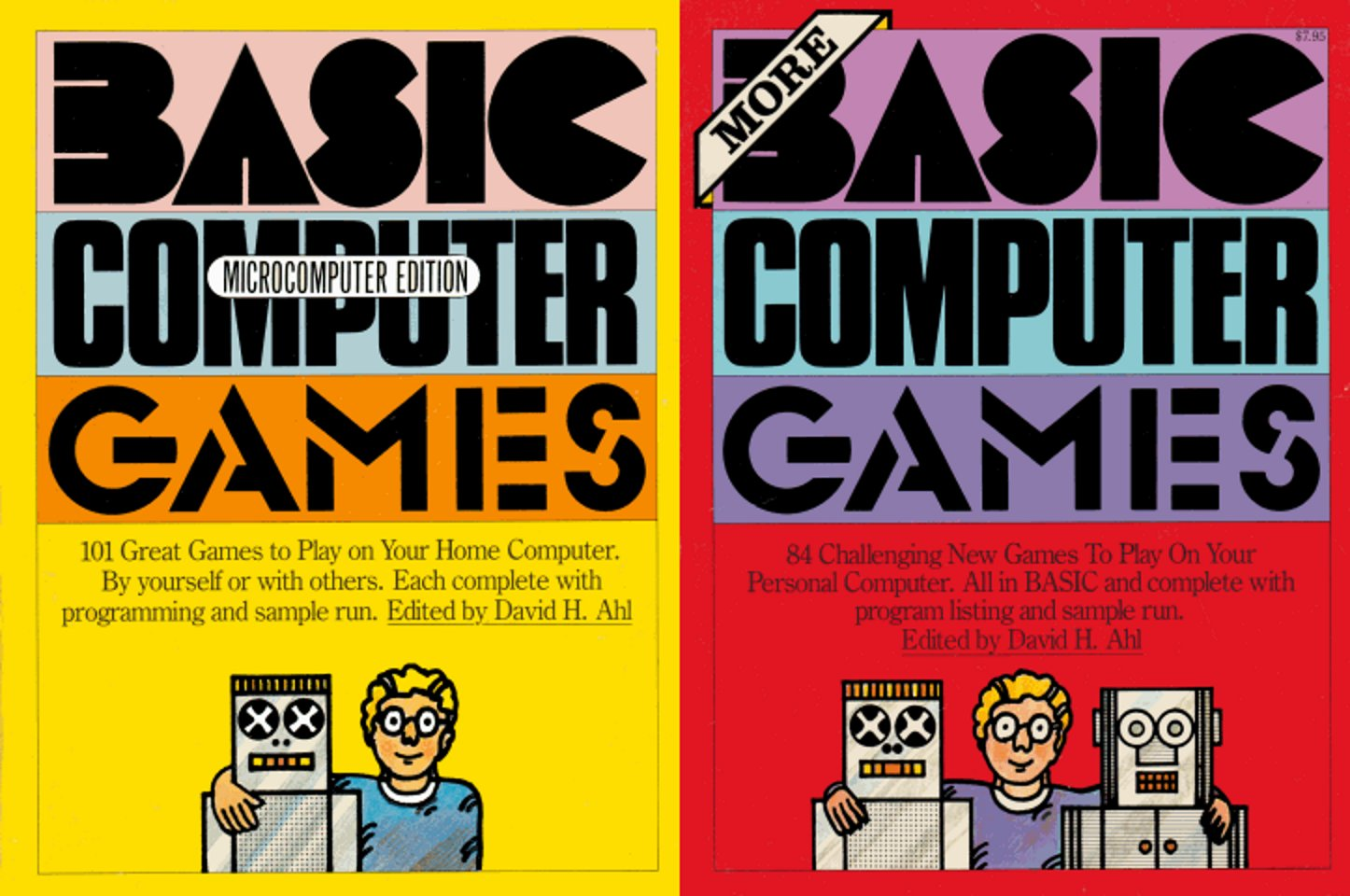
The modernization of "101 BASIC Computer Games" transcends a mere code translation; it is a critical act of digital heritage preservation. These primitive games, while not winning awards for gameplay or sophisticated programming by today’s standards, are invaluable artifacts of early computing. They represent the nascent stages of interactive software, offering a window into the creative limitations and ingenuity of a time when computing resources were scarce and user interfaces rudimentary. Preserving them in modern, accessible forms ensures that future generations of programmers, historians, and enthusiasts can experience and study the foundational elements that shaped the digital world. The project also retains the original artwork by George Beker, adding another layer of historical authenticity and charm.
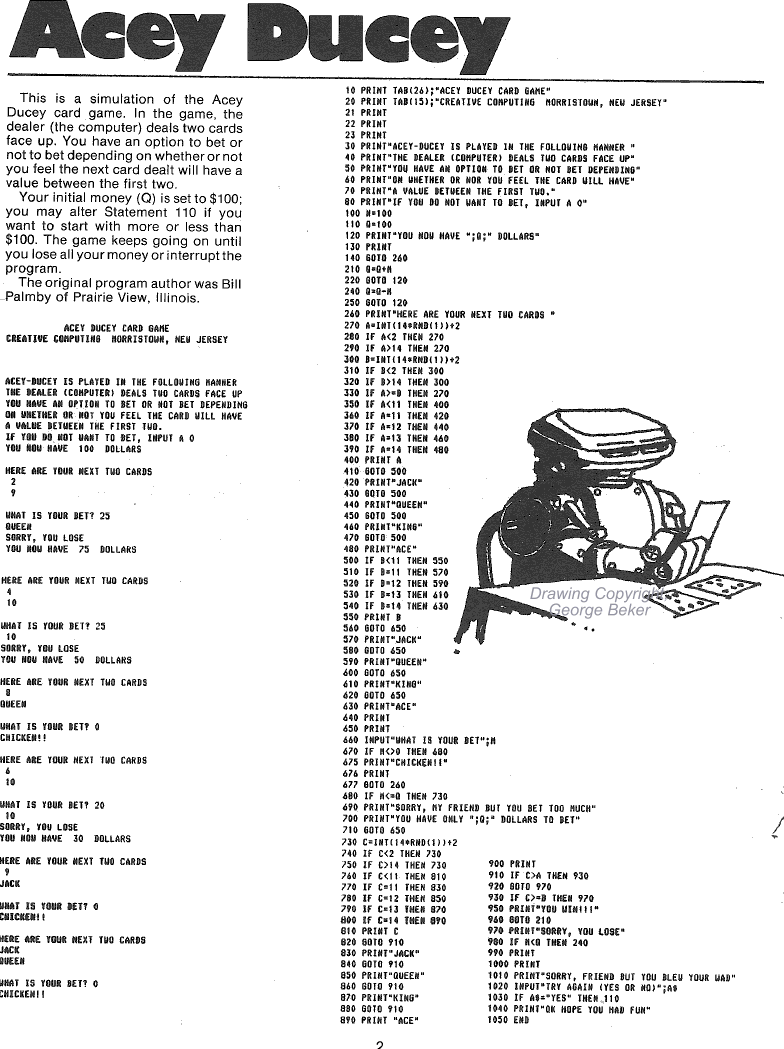
Beyond preservation, the initiative serves as a powerful educational tool. By presenting these classic games in diverse modern languages, the project allows new programmers to explore historical algorithms and game mechanics while simultaneously learning contemporary language features and best practices, such as modular design and the effective use of subroutines. It offers a unique pedagogical opportunity to compare and contrast programming styles across decades, highlighting the evolution of software engineering. The collaborative nature of the GitHub project itself is a lesson in modern development, teaching participants about version control, open-source contribution, and teamwork—skills essential in today’s tech industry. This collective effort transforms the solitary act of learning from a book into a global, interactive experience, mirroring the interconnectedness of modern programming.
The project also taps into a deep well of nostalgia for veteran programmers, inviting them to revisit their coding roots and contribute to a legacy that profoundly impacted their careers. It fosters a sense of community, bridging the generational gap between those who learned on command lines and those who grew up with graphical interfaces. Ultimately, this initiative is a powerful reminder that "this stuff is supposed to be fun." It celebrates the joy of creation, the satisfaction of making a machine respond to your commands, and the timeless appeal of simple, engaging games.
Conclusion
As the digital world continues its rapid evolution, the project to update "101 BASIC Computer Games" stands as a testament to the enduring power of foundational texts and the collaborative spirit of the programming community. It is an invitation to engage with one of the most influential books in computing history, to honor its legacy, and to ensure its continued relevance for 2022 and beyond. By combining historical preservation with modern technical rigor and a commitment to social impact, Jeff Atwood’s initiative offers a unique opportunity for developers worldwide to contribute to a meaningful endeavor. This new year’s resolution for the tech community promises not only to safeguard a piece of digital heritage but also to inspire the next wave of innovators, connecting the pioneers of computing with its future architects.
About the Author