New York City — In a compelling address at the historic Cooper Union’s Great Hall, a venue renowned for hosting pivotal American discourse, tech visionary and philanthropist Jeff Atwood unveiled a sweeping initiative aimed at revitalizing the American Dream. Flanked by Lieutenant Colonel Alexander Vindman, a figure emblematic of duty and integrity, Atwood announced a "Pledge to Share the American Dream," committing half of his remaining wealth over the next five years to long-term foundational efforts, spearheaded by a Guaranteed Minimum Income (GMI) program in economically disadvantaged rural communities.
The event, held in the same hall where Abraham Lincoln delivered his influential "Right Makes Might" speech, and where figures like Frederick Douglass and Susan B. Anthony championed social change, served as a powerful backdrop for Atwood’s call to action. His speech resonated with the spirit of collective responsibility, urging Americans to confront soaring wealth inequality and ensure equitable access to fundamental opportunities. Lt. Col. Vindman’s presence underscored the patriotic imperative of safeguarding democratic ideals, aligning with Atwood’s vision of a shared national promise.

Redefining the American Dream for a New Era
Atwood began by exploring the essence of the American Dream, first articulated by historian James Truslow Adams in 1931 amidst the Great Depression. Adams envisioned not merely material prosperity, but "a land in which life should be better and richer and fuller for everyone, with opportunity for each according to ability or achievement… a dream of social order in which [everyone] shall be able to attain to the fullest stature of which they are innately capable, and be recognized by others for what they are, regardless of the fortuitous circumstances of birth or position."
Driven by a profound concern for the nation’s direction, Atwood embarked on a personal quest in November to understand what these words mean to contemporary Americans. His inquiry culminated in a deeply personal blog post, "Stay Gold, America," published on January 7th. The title, inspired by S.E. Hinton’s novel The Outsiders, reflects Atwood’s epiphany during a high school play adaptation: the true meaning of "stay gold" lies in sharing the American Dream. He argued that individual achievement is incomplete until its benefits are extended to fellow citizens, transforming a personal pursuit into a collective aspiration.

A Multi-Faceted Philanthropic Pledge
The "Pledge to Share the American Dream" is structured in two parts: immediate relief and long-term systemic change. In the short term, Atwood’s family has made significant philanthropic contributions, distributing $8 million across eight diverse nonprofit organizations. These include:
- Team Rubicon: Providing disaster relief by uniting the skills of veterans with first responders.
- Children’s Hunger Fund: Distributing food and other aid to children and families in need.
- PEN America: Defending free expression and human rights through literature.
- The Trevor Project: Offering crisis intervention and suicide prevention services to LGBTQ+ youth.
- NAACP Legal Defense and Educational Fund: Fighting for racial justice through litigation, advocacy, and education.
- First Generation Investors: Teaching high school students from underserved communities how to invest.
- Global Refuge: Supporting refugees, asylum seekers, and other vulnerable migrants.
- Planned Parenthood: Providing reproductive healthcare services and information.
Beyond these social impact organizations, Atwood also channeled millions into reinforcing critical technical infrastructure. Donations were made to entities like Wikipedia, The Internet Archive, The Common Crawl Foundation, and Let’s Encrypt, alongside pioneering independent internet journalism and several crucial open-source software projects. This commitment reflects Atwood’s background in technology and his belief in open access to information as a cornerstone of an equitable society. He encouraged all Americans to contribute, however they can, to organizations effectively assisting those in need.
Confronting the "Second Gilded Age"
Atwood emphasized that immediate fixes are insufficient to address the systemic challenges facing the nation. His long-term commitment, pledging half of his remaining wealth over the next five years, is dedicated to ensuring fair access to the American Dream for all. This resolve stems from his own experience, rising from deep poverty in rural West Virginia and North Carolina to a middle-class upbringing in Virginia, aided by a solid public education and an affordable state university degree from the University of Virginia—an institution deeply rooted in Thomas Jefferson’s revolutionary ideals of "Life, Liberty, and the pursuit of Happiness."
His concern about wealth concentration in America intensified after observing a 2012 video illustrating the extreme disparities. This led him to draw parallels with the "First Gilded Age" of the late 1800s, a period marked by rapid industrialization, vast fortunes, hazardous working conditions, and violent labor disputes such as the Homestead Strike of 1892. During that era, immense wealth was accumulated by a few, while the majority struggled with insecurity and exploitation.
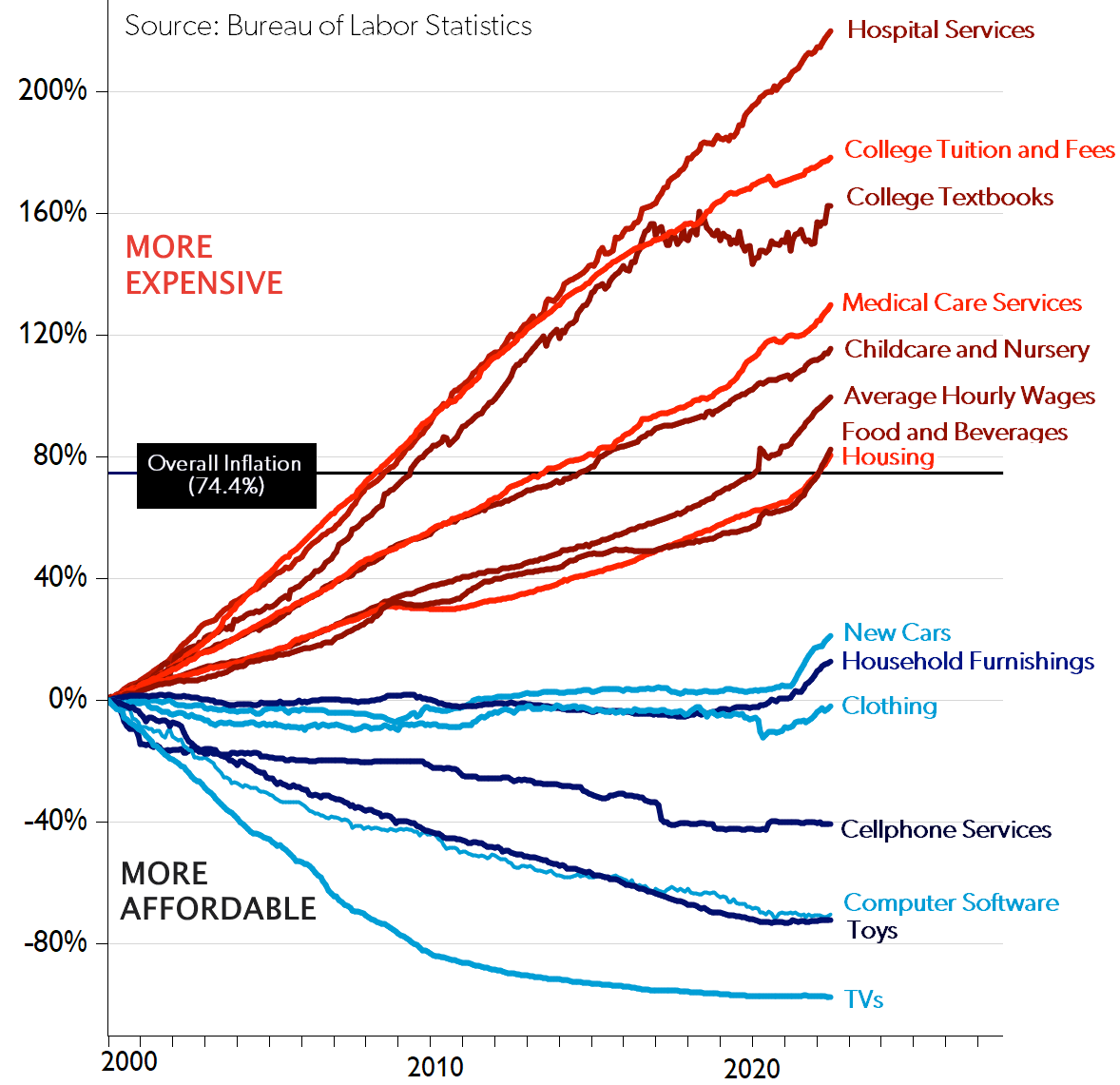
Today, Atwood contended, the nation has entered an even more extreme phase, which he terms the "Second Gilded Age." As of 2021, the top 1% of households controlled 32% of all wealth, while the bottom 50% possessed a mere 2.6%. This concentration has only intensified in recent years, surpassing even the peaks of the late 19th century. This new reality, he argued, blocks the path to the American Dream for millions. Unaffordable education burdens individuals with crippling debt, inaccessible healthcare creates financial catastrophe, and a lack of affordable housing denies families the stable foundation necessary for growth. These barriers trap individuals, preventing them from building careers, pursuing education, starting businesses, or even choosing where to raise their families. The pursuit of happiness, once a fundamental right, has become an "endless task" for too many.
"We are denying people any real chance of achieving the dream that we promised them – that we promised the entire world – when we founded this nation," Atwood asserted. "It is such a profound betrayal of everything we ever dreamed about."
Guaranteed Minimum Income: A Path Less Traveled
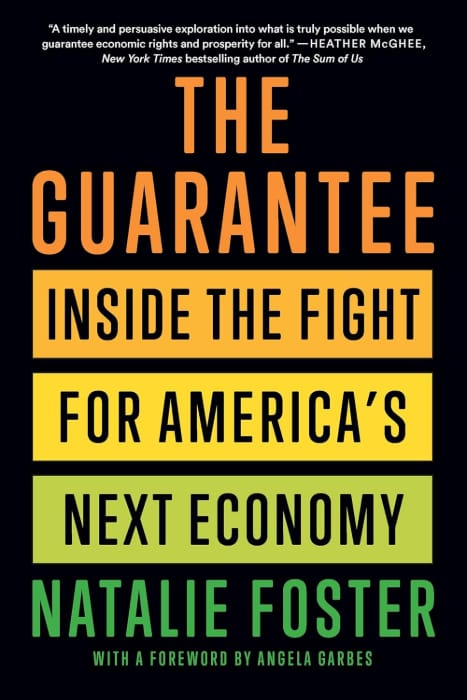
To address this profound betrayal, Atwood advocated for a bold, long-term solution: a Guaranteed Minimum Income (GMI). Inspired by Natalie Foster, co-founder of the Economic Security Project, Atwood sees GMI as a way to unlock "vast amounts of untapped American potential" by providing a stable foundation in the poorest areas of the country. This concept, while seemingly radical to some, has deep roots in American history and has been implemented in various forms for decades.
- 1797: Thomas Paine proposed a retirement pension funded by estate taxes, planting an early seed for social safety nets.
- 1935: The Social Security Act, a cornerstone of Franklin D. Roosevelt’s New Deal, provided guaranteed income for retirees. Before its implementation, half of all seniors lived in poverty; today, that figure is around 10%.
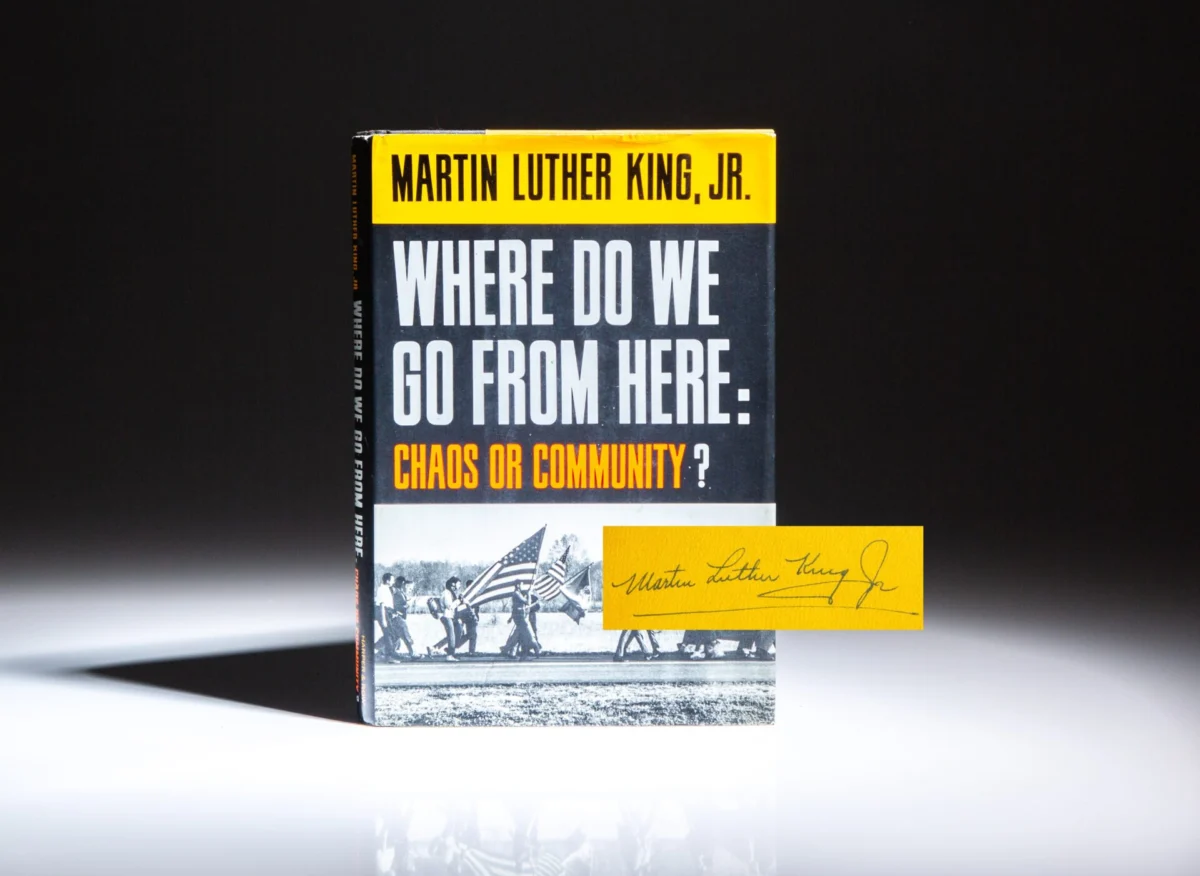
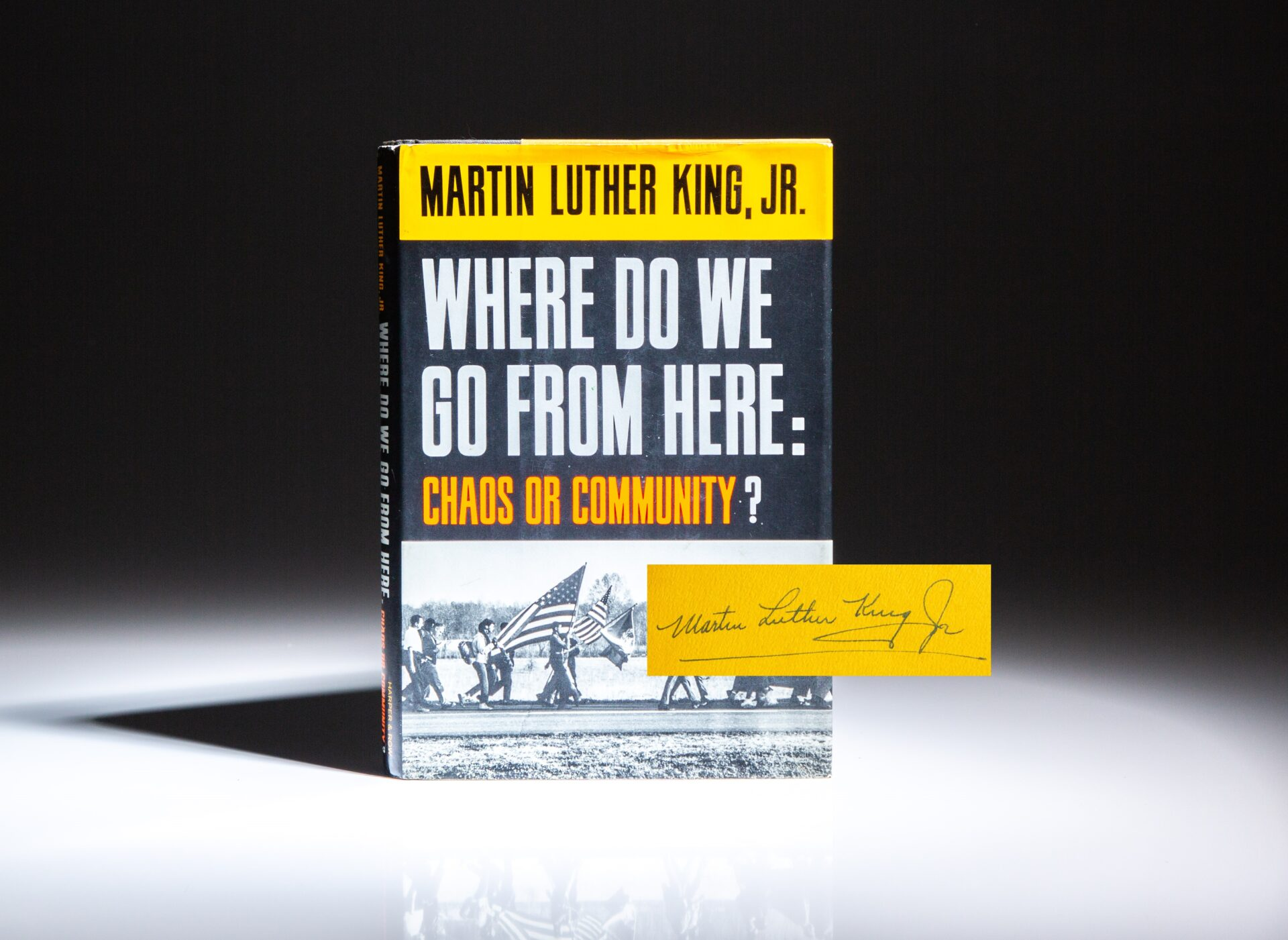
- 1967: Martin Luther King Jr., in Where Do We Go From Here: Chaos or Community?, made a moral case for Universal Basic Income (UBI), arguing that direct cash disbursements were the simplest and most effective way to combat economic insecurity and inequality.
- 1972: Congress established the Supplemental Security Income (SSI) program, providing direct cash assistance to low-income elderly, blind, and disabled individuals, enabling them to cover essential needs. Currently, over 7.3 million Americans receive SSI benefits.
- 1975: The Earned Income Tax Credit (EITC) was introduced, benefiting working-class parents and lifting millions out of poverty, including 3.4 million children in 2023. The Census Bureau identifies it as the second most effective anti-poverty tool after Social Security.
- 2019: Michael Tubbs, then-mayor of Stockton, California, launched the Stockton Economic Empowerment Demonstration, providing 125 residents with $500 per month in unconditional cash payments for two years. The program demonstrated improved financial stability, increased full-time employment, and enhanced well-being among recipients, debunking common myths about such initiatives.
Atwood, referencing Robert Frost’s "The Road Not Taken," declared that GMI represents the "path less traveled by" – a simpler, more practical, and scalable approach to economic security with minimal bureaucracy.
Launching a New GMI Initiative in Rural America
To execute this vision, Atwood’s initiative is partnering with GiveDirectly, a leader in GMI studies in the U.S., and OpenResearch, which recently completed the largest and most detailed GMI study in the country in 2023. Together, they will launch a new GMI initiative specifically targeting rural American communities.
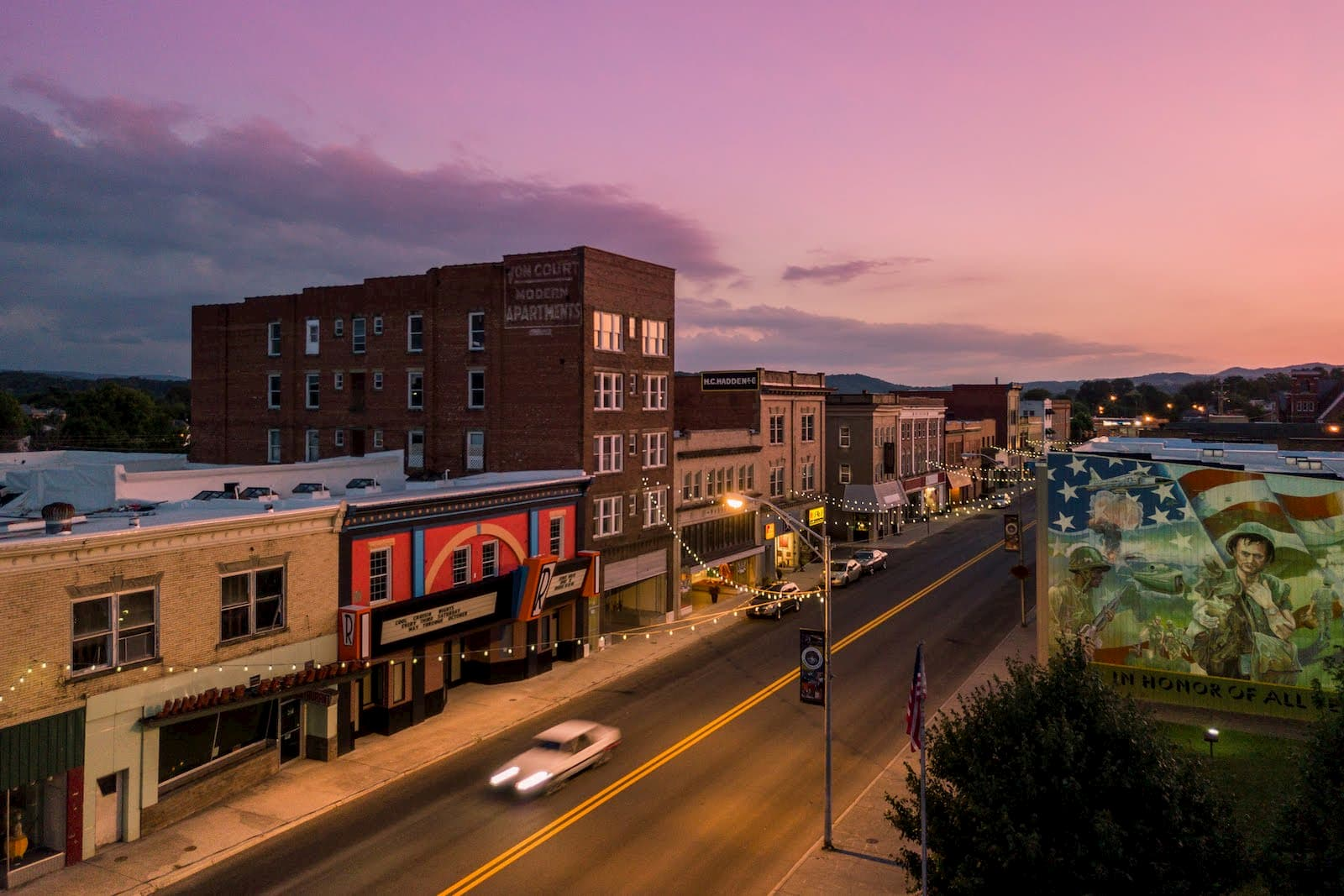
The focus on rural areas is strategic. These regions consistently exhibit higher poverty rates, fewer job opportunities, lower wages, and worse access to essential services like healthcare and education. Long-standing pockets of poverty in places like Appalachia, the Mississippi Delta, and American Indian reservations highlight the persistent challenges. For instance, counties such as Oglala Lakota, SD (55.8% poverty rate), and McDowell, WV (37.6% poverty rate), face extreme economic hardship, far exceeding urban averages. Furthermore, rural areas’ smaller, more contained populations offer ideal conditions for conducting tightly controlled studies, allowing for careful scaling and continuous improvement of GMI programs.
The initiative will work closely with existing local groups, offering outreach and mentorship to opt-in study participants, fostering a spirit of "teamwork between Americans." Veterans are envisioned to play a crucial role, leveraging their leadership skills and community commitment to support and execute GMI programs, ensuring they reflect core American values of self-reliance and community service. Partnerships with established community organizations—churches, civic groups, community colleges, and local businesses—will integrate GMI studies with existing support systems, enhancing their effectiveness.
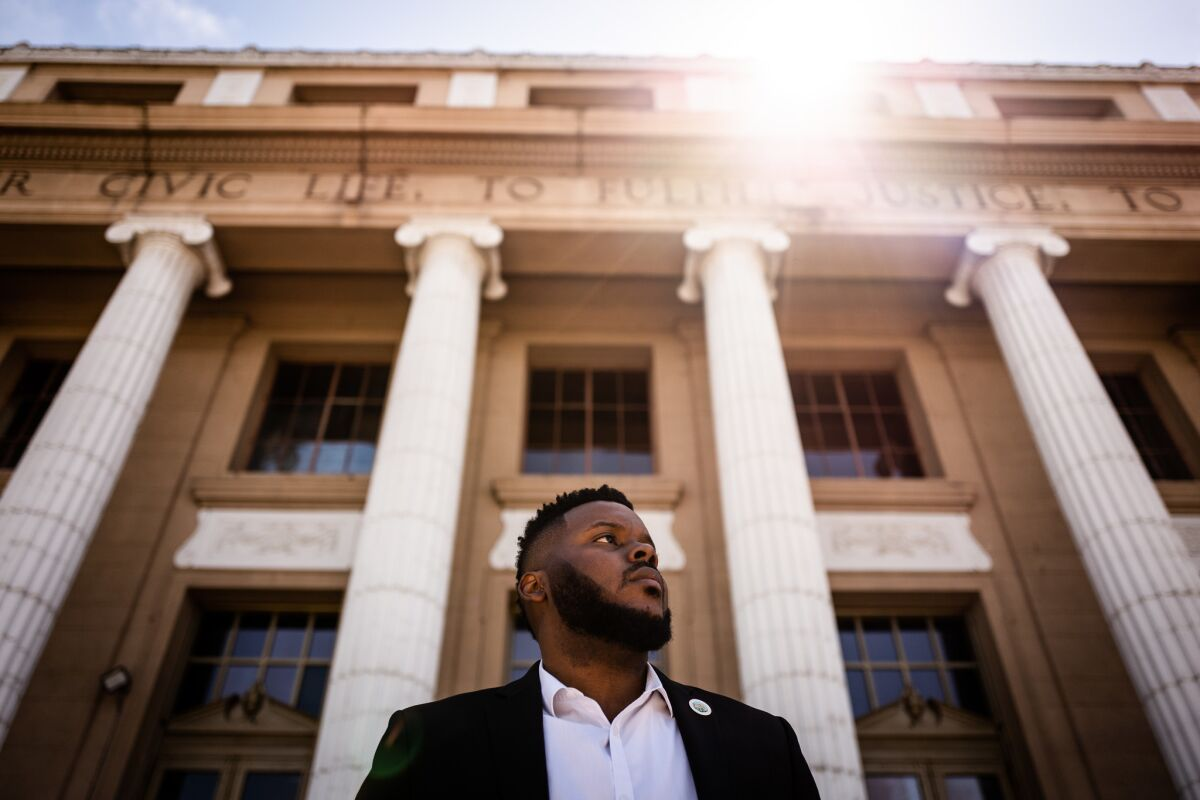
GiveDirectly and OpenResearch will meticulously gather extensive data, measuring key indicators such as employment rates, entrepreneurial activity, educational attainment, health outcomes, and community engagement. Regular interviews with participants will provide qualitative insights, ensuring programs are continually adapted to meet community needs.
Economic Security as the Bedrock of Democracy
Atwood passionately argued that economic security is not merely about individual well-being but serves as the "bedrock of democracy." When individuals are freed from the constant worry of survival—feeding their families, securing healthcare, or finding shelter—they gain the "room to breathe" and the "freedom" to pursue their aspirations. This freedom extends to raising children, starting businesses, choosing employment, volunteering, and critically, participating fully in the democratic process through their vote.
"This isn’t about ideology or government. It’s about us, as Americans, working together to invest in our future – possibly the greatest unlocking of human potential in our entire history," Atwood proclaimed. He emphasized that even a modest amount of money can be "incredibly transformational" for those in poverty, allowing them to move beyond mere survival and realize their inherent potential.
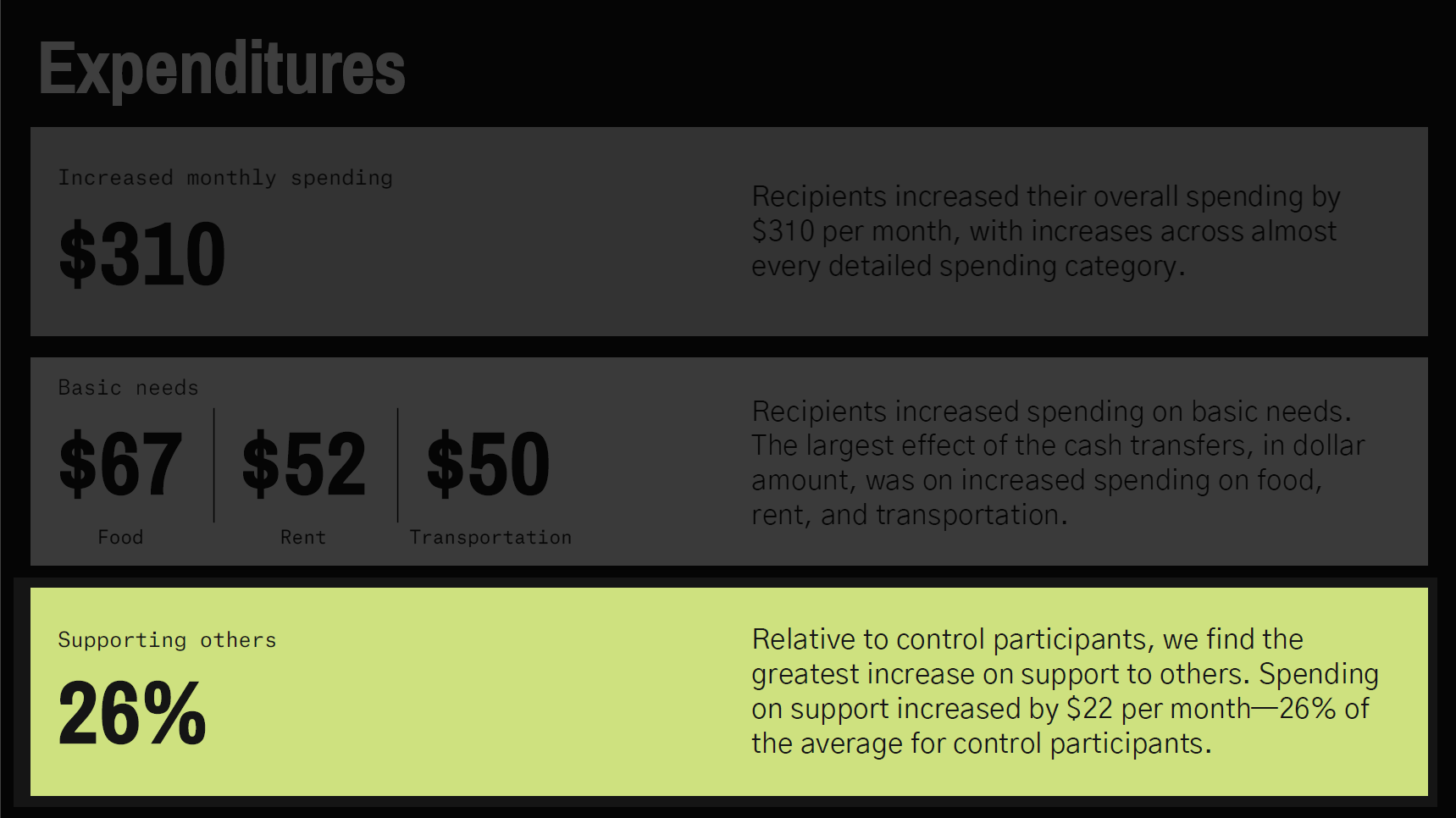
He connected this vision to the flexible and evolving nature of American democracy, citing the Declaration of Independence as an incomplete but malleable framework designed for continuous improvement. The power of opportunity, he stressed, lies not in individual gain but in its ability to foster connections and strengthen bonds within communities. The 2023 OpenResearch UBI study notably revealed that recipients consistently share their newfound resources with others in desperate need, demonstrating the inherent communal spirit GMI can unlock. "Equality is connection, and connection is more valuable than any product any company will ever sell you," Atwood declared.
A Legacy of Activism: The Spirit of Aaron Swartz
Atwood concluded his address by invoking the legacy of Aaron Swartz, a precocious programmer and activist who co-founded Reddit and contributed to crucial internet technologies like RSS feeds. Swartz championed universal access to information, believing that publicly funded research and legal documents should be freely available to all. His efforts to liberate academic articles from JSTOR, driven by a commitment to information equality, led to aggressive federal prosecution and ultimately, his tragic suicide at age 26. Swartz’s story, Atwood noted, became a powerful symbol against prosecutorial overreach and a rallying cry for open access and digital rights.
"Aaron pursued what was right for we, the people," Atwood stated. "He chose to build the public good despite knowing there would be risks. He chose to be an activist. I think we should all choose to be activists, to be brave, to stand up for our defining American principles."
Atwood left the audience with two key requests: to contribute to organizations helping those in need, and to join his family in this "grand experiment to share our American Dream." With his family committing $50 million to the GMI endeavor, he envisioned a future where collective action could amplify this impact manifold. "Decades from now, people will look back and wonder why it took us so long to share our dream of a better, richer, and fuller life with our fellow Americans," he concluded, reaffirming his belief that everyone deserves a fair chance at "Life, Liberty, and the pursuit of The American Dream."
About the Author