Jeff Atwood, the renowned co-founder of Stack Overflow and author of the popular "Coding Horror" blog, has announced a substantial philanthropic commitment totaling $71 million to address systemic poverty in the United States. This significant pledge, representing half of his remaining personal wealth, will primarily fund the Rural Guaranteed Minimum Income Initiative (RGMII), an ambitious project focused on implementing and studying direct cash transfer programs in underserved rural counties across the nation. This long-term endeavor builds upon an initial $21 million in immediate aid distributed to various non-profit organizations earlier this year, marking a comprehensive effort to "Share the American Dream" and foster economic equity.
A Year of Philanthropic Evolution: From Immediate Aid to Systemic Change
The genesis of Atwood’s sweeping philanthropic initiative traces back to January 2025, when he first invited Americans to join a "pledge to Share the American Dream." This pledge outlined two core tenets: immediate support for organizations effectively assisting those most in need, and a five-year commitment to longer-term efforts aimed at ensuring the American Dream remains fair and attainable for future generations.
In the initial phase of this commitment, Atwood and his family swiftly responded to urgent needs, contributing $1 million to eight carefully selected nonprofit charities. The escalating severity of immediate crises prompted a rapid expansion of this direct aid, with an additional $13 million donated within a few months, bringing the total short-term contributions to $21 million. These funds were directed towards critical services, addressing immediate humanitarian and social welfare needs across various communities.
However, Atwood recognized that a purely reactive approach to societal challenges, akin to "firefighting," would ultimately prove unsustainable. The need for systemic, preventative measures became increasingly apparent. This realization propelled his focus towards the second, longer-term aspect of his pledge: investing in fundamental improvements to create conditions where such crises are less prevalent. It was this strategic shift that led to the commitment of an additional $50 million, earmarked for addressing the root causes of economic disparity and fostering sustainable pathways out of poverty.

The Philosophical Underpinnings: "From Those to Whom Much Is Given"
At the core of Atwood’s philanthropic pivot is a profound personal reflection on wealth and responsibility. He cites a particular quote from Mary Gates, mother of Microsoft co-founder Bill Gates: "From those to whom much is given, much is expected." This sentiment, delivered in a specific historical context, resonated deeply with Atwood and his wife, Betsy. The couple, having experienced significant financial success, particularly following the $1.8 billion acquisition of Stack Overflow by Prosus in 2021, grappled with the question: "When, exactly, is enough?"
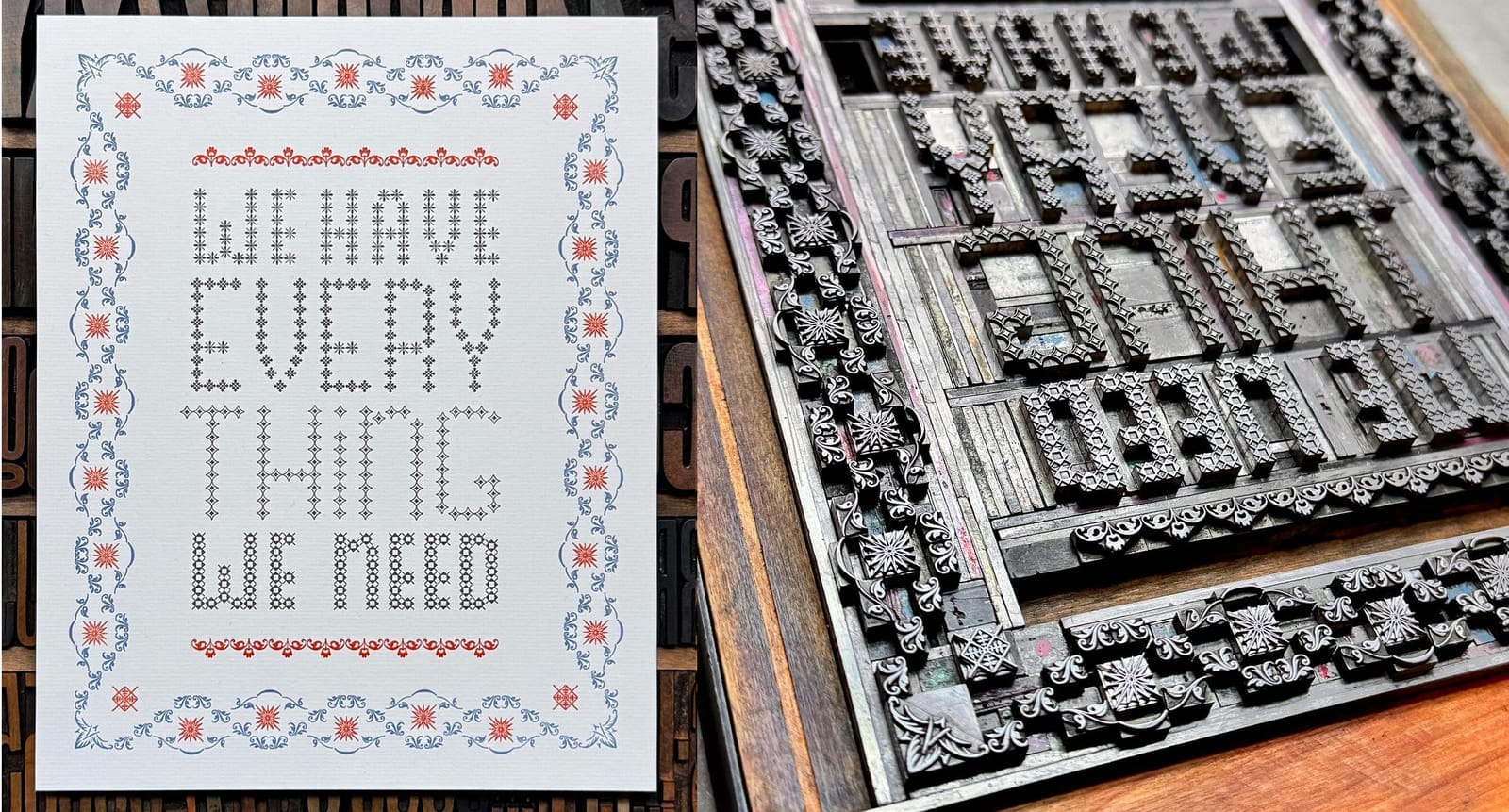
Betsy Atwood articulated their shared philosophy on a recent podcast, stating, "We have everything we need! That’s how I’ve always phrased it to [our children]. That, I think, extends [to our philanthropy]. We have everything we need; how do we make sure everybody has what they need?" This powerful question underscores their belief that access to basic necessities—comfortable housing, sufficient food, and healthcare—should be a universal opportunity. This perspective highlights a fundamental re-evaluation of personal wealth, shifting its purpose from accumulation to a tool for broad societal upliftment.
This ethical framework guided their search for impactful, long-term solutions. Initially, Atwood had speculated on various approaches, including the founding of a new research organization inspired by the RAND Corporation but modernized like Lever for Change, aimed at identifying "a realistic, achievable path toward preserving the American Dream for everyone." By March 2025, extensive research and deliberation led to a consensus on the most promising path: the implementation of Guaranteed Minimum Income (GMI) programs.
Guaranteed Minimum Income: A Targeted Approach to Poverty Alleviation
The decision to champion Guaranteed Minimum Income (GMI) as the primary long-term strategy reflects a data-driven approach to philanthropy. GMI is presented as an evolved iteration of Universal Basic Income (UBI). While UBI typically involves providing a regular, unconditional cash payment to all citizens regardless of income, GMI strategically directs financial aid to those most in need, with a particular emphasis on families experiencing generational poverty. This targeted approach aims to maximize impact and efficiency by channeling resources to populations facing the most acute economic vulnerabilities.

Research and pilot programs globally have consistently demonstrated the positive effects of direct cash transfers. Studies have shown that recipients often use these funds to cover essential needs such as food, housing, and healthcare. Beyond basic sustenance, GMI programs have been linked to improved physical and mental health outcomes, reduced crime rates, increased educational attainment for children, and enhanced financial stability. Contrary to common misconceptions, many studies indicate that recipients often continue to work or even use the funds to pursue education or entrepreneurial ventures, rather than reducing their labor participation. For instance, a meta-analysis of over 20 cash transfer programs in various countries found significant improvements in food security, health, and children’s schooling, with no systematic evidence of increased spending on "temptation goods" like alcohol or tobacco.
The personal testimony of individuals like Stacy D., a mother of five from West Virginia and a recipient of a RISE program (an example of a direct cash transfer initiative), powerfully illustrates the immediate, tangible benefits. Stacy’s account highlights the precariousness of life in poverty, where a vehicle breakdown can sever access to work, childcare, and basic necessities, and where a simple request for help can be impossible due to lack of local support networks. Her experience underscores how a guaranteed income can provide the crucial buffer needed to navigate unforeseen challenges and stabilize a family’s foundation, allowing them to rebuild and thrive.
Launching the Rural Guaranteed Minimum Income Initiative (RGMII)

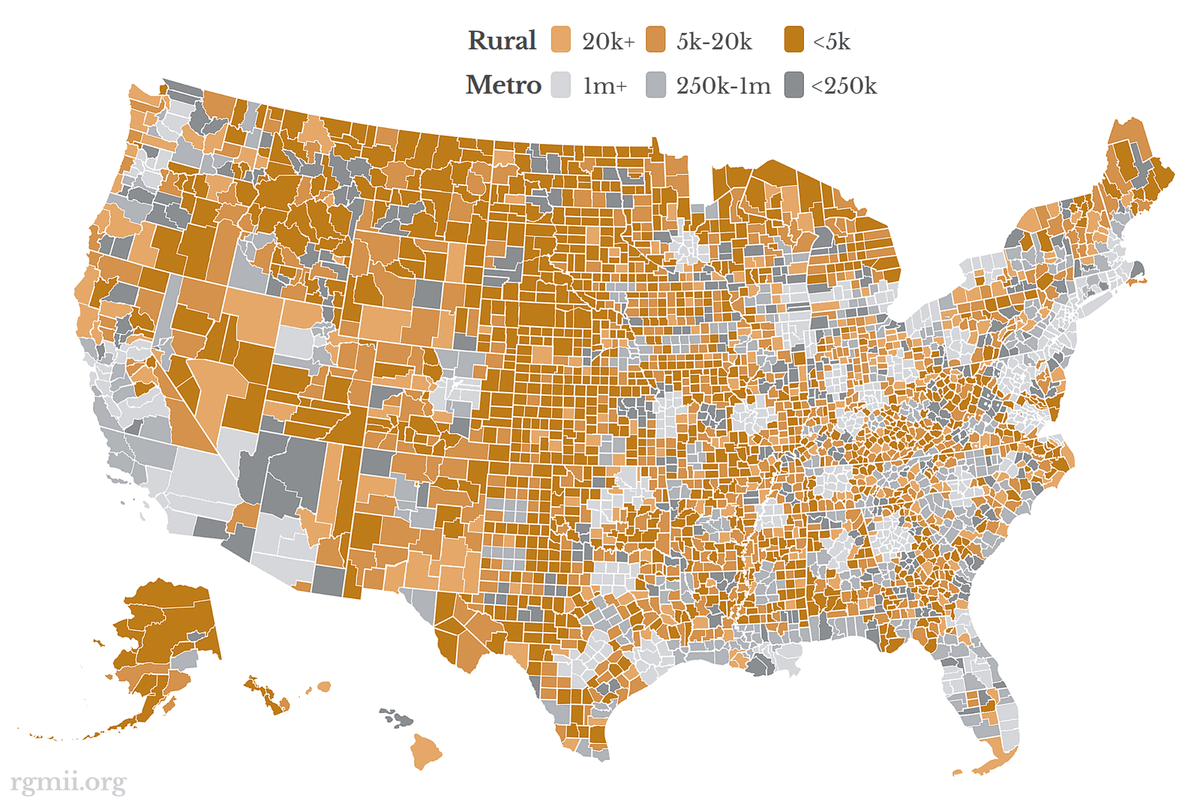
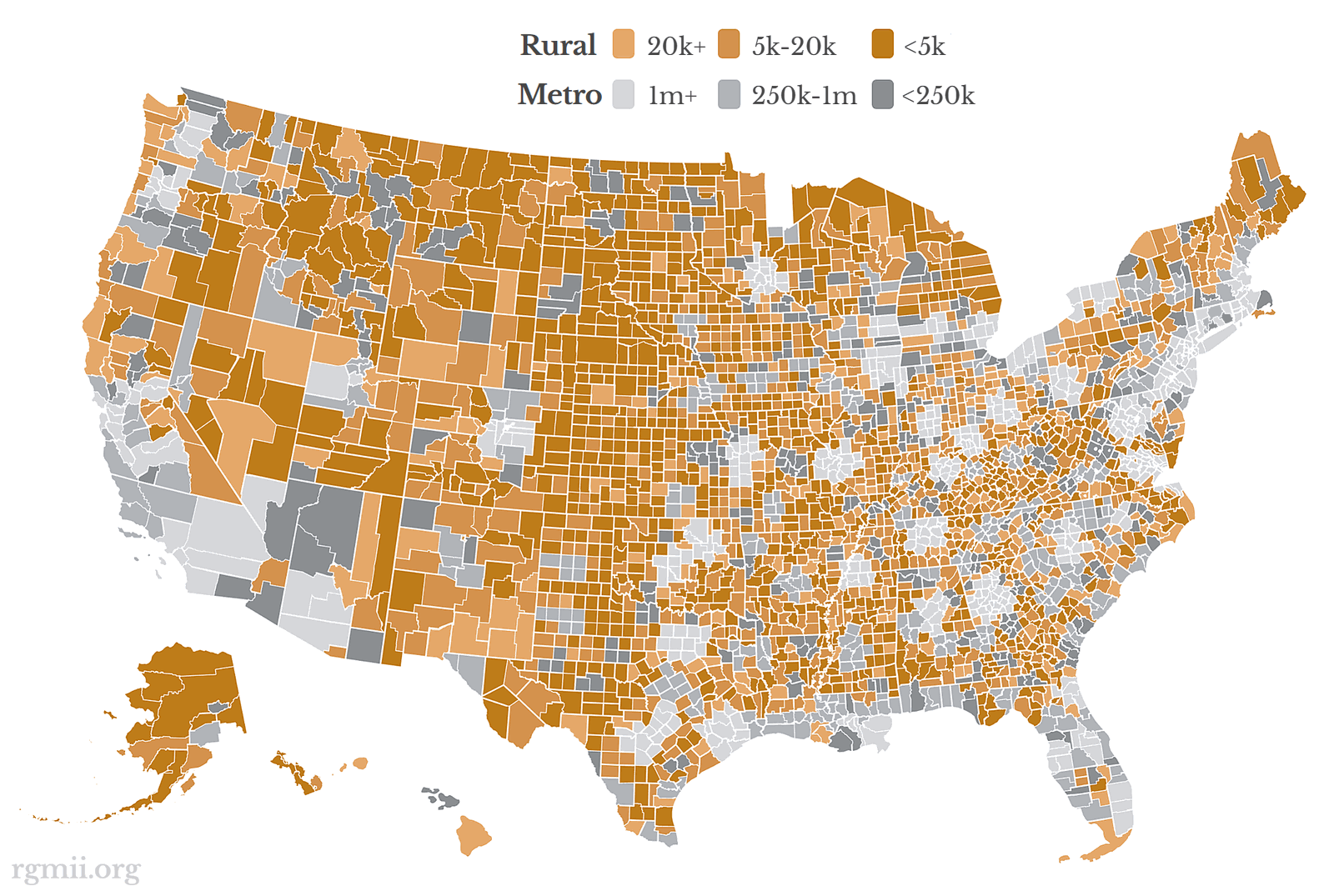
With the strategic direction firmly established, Atwood moved swiftly to operationalize his vision, launching the Rural Guaranteed Minimum Income Initiative (RGMII) under the umbrella of rgmii.org. This initiative is designed to be highly focused and impactful, targeting rural counties for several strategic reasons.
Rural areas in the United States often face disproportionately higher poverty rates compared to metropolitan areas, coupled with limited access to essential services, job opportunities, and robust social safety nets. Data from the U.S. Census Bureau consistently shows that poverty rates in non-metropolitan counties frequently exceed national averages, and these regions often struggle with declining populations, aging infrastructure, and a lack of economic diversification. By focusing on these overlooked communities, RGMII aims to maximize the purchasing power of the funds, as the cost of living is typically lower, allowing direct cash transfers to go further in providing financial relief.
Furthermore, the smaller populations within rural counties offer an ideal environment for rigorous academic study and evaluation. Tighter research parameters facilitate the collection of more precise data on the socioeconomic impacts of GMI, contributing valuable evidence to the broader discourse on poverty alleviation policies. Atwood’s personal connection to rural America, having grown up in such an environment, also informs this focus, recognizing the immense, often untapped, talent and potential within these communities.
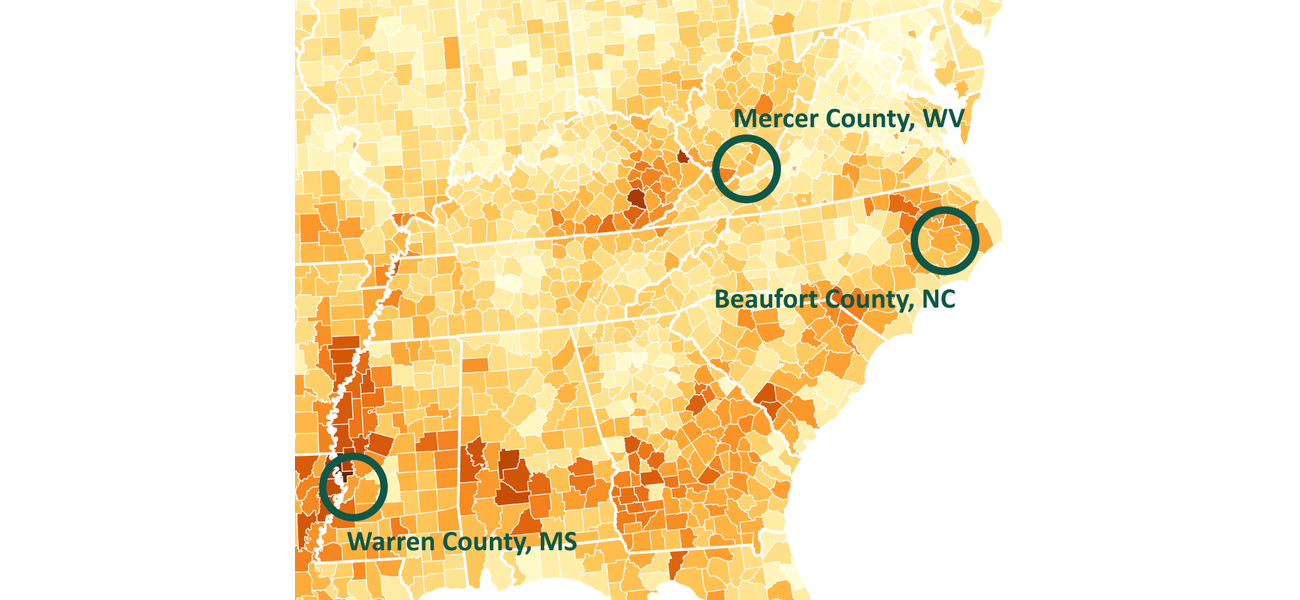
RGMII has already commenced its operations, funding three initial county-level programs in Mercer County, West Virginia; Beaufort County, North Carolina; and Warren County, Mississippi. These diverse locations represent a cross-section of rural America, allowing for varied insights into the initiative’s effectiveness across different regional contexts. Each program is designed to provide financial support to thousands of individuals, lifting them out of poverty for a sustained period of 16 months. A critical component of RGMII’s methodology is its commitment to open data sharing, ensuring that the results and learnings from these pilot programs are transparently disseminated to the world. This approach aims to contribute to a growing body of evidence supporting GMI and inform future policy decisions.
Broader Implications and a Call for Collective Action
The Rural Guaranteed Minimum Income Initiative represents a significant philanthropic endeavor with far-reaching implications. By focusing on evidence-based solutions and transparent data collection, RGMII seeks to move beyond theoretical discussions of GMI, providing tangible proof of its efficacy in real-world settings. Should the pilot programs demonstrate sustained positive outcomes, the initiative could serve as a powerful model for government agencies, other philanthropic organizations, and policymakers considering large-scale anti-poverty strategies.
Atwood envisions an expansion of RGMII’s reach, with an ambitious goal to implement GMI studies in all 50 states over time. This long-term vision underscores his belief in the transformative potential of direct cash transfers as a fundamental component of a more equitable society. He reiterates a philosophy articulated in his earlier "Stay Gold" post, emphasizing that the "path of love is the only survivable path" – a challenging, lifelong commitment, but one he deems infinitely more valuable than any personal material acquisition.
The initiative also includes a robust public education component. RGMII encourages everyone to engage with the available resources on its dedicated website, including detailed study results and the rich history of GMI. Acknowledging that many individuals remain unfamiliar with GMI or UBI, or hold misconceptions about their mechanisms and effects, RGMII aims to demystify these concepts and foster informed public discourse.
Furthermore, RGMII extends an invitation to other philanthropists and organizations "to whom much is given" to join in this effort. By sponsoring county-scale GMI programs, additional donors can contribute to expanding the scientific evidence base and accelerating the initiative’s goal of reaching all 50 states. This collaborative model emphasizes that addressing systemic poverty requires collective action and shared responsibility.
In his declaration, Atwood frames RGMII as his "third and final startup," signaling a complete dedication to this new chapter. He explicitly states that the goal is not to establish an "Atwood Foundation" but rather to advance the concept of direct cash transfer itself. He posits that simply "giving money to those most in need" is a radical act of love that is demonstrably effective in helping people meet basic needs, maintain stable housing, and manage unexpected expenses. This initiative is a testament to the belief that "dreams, like happiness, are only real when shared," and a powerful step towards rebuilding the American Dream for all. The RGMII and its overarching mission can be further explored at staygold.us and rgmii.org.
About the Author