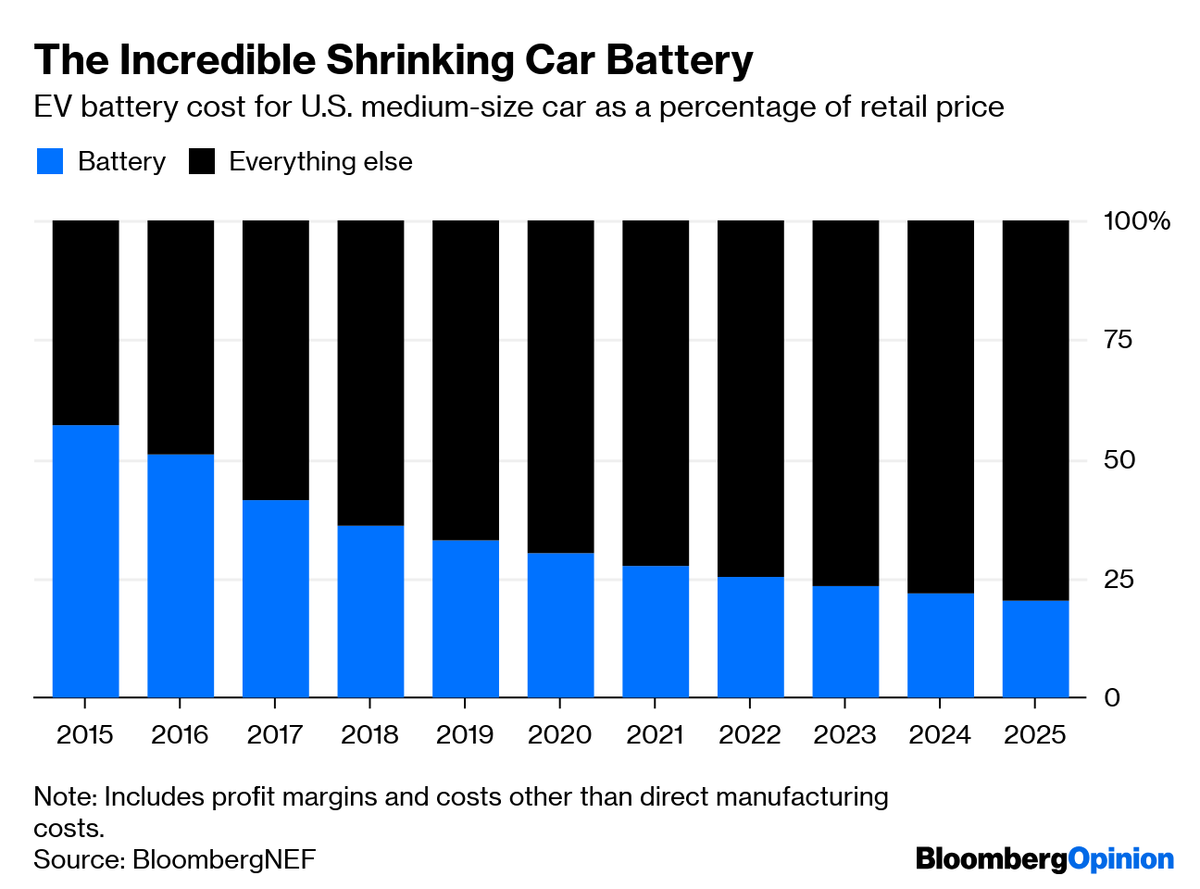
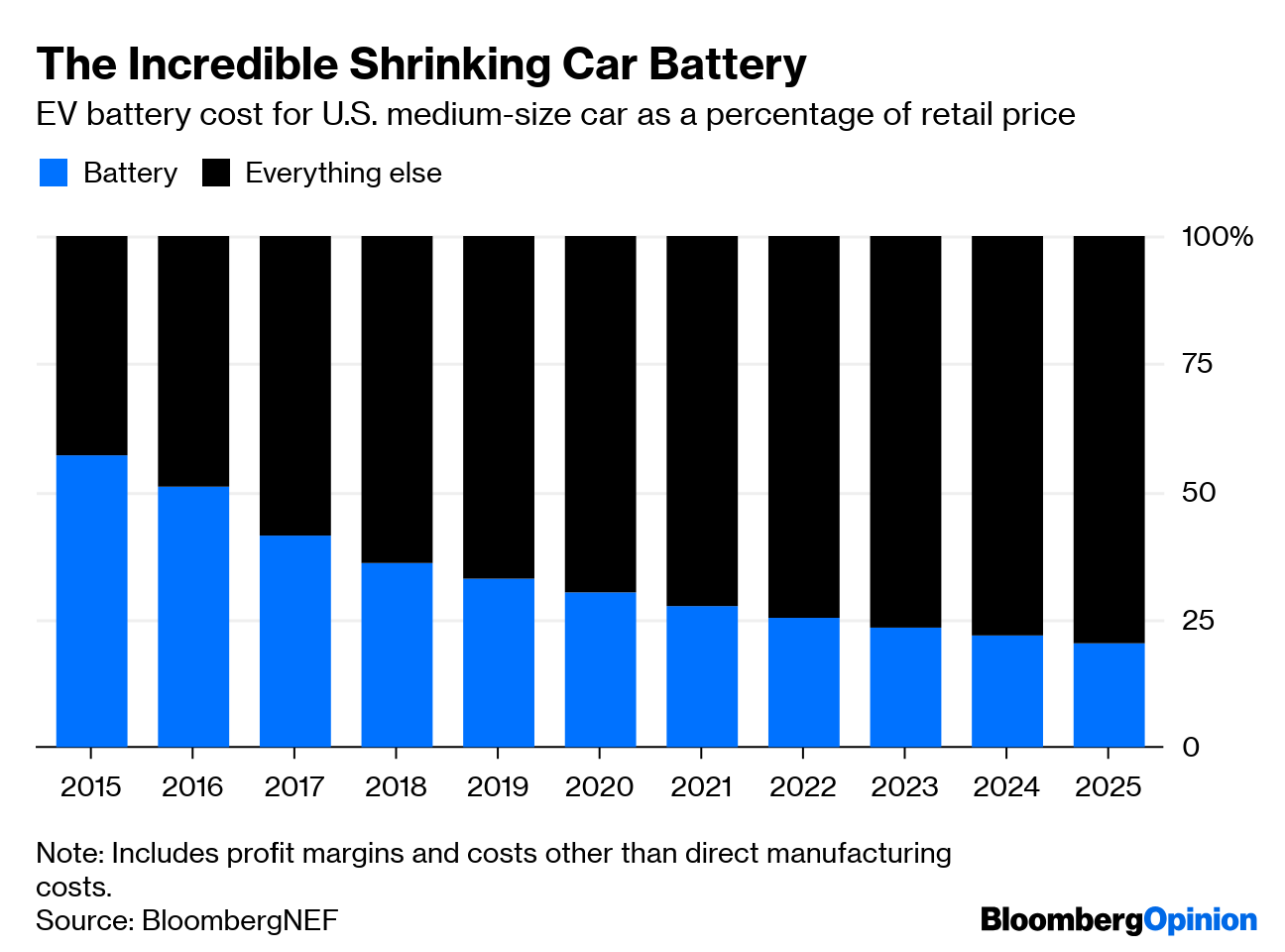
The profound impact of plummeting battery costs on the electric vehicle (EV) market is undeniable, with the substantial battery pack in an electric car often representing a significant portion of its total price. As electric car prices continue their downward trend, it logically follows that battery manufacturing expenses must be decreasing, given that the foundational costs of fabricating components like rubber, aluminum, glass, and steel into automotive shapes are relatively stable. This economic dynamic is even more pronounced in the realm of electric scooters, where the battery and electric motor constitute the core of these lightweight, compact, and inherently simple machines. The journey of electric scooters from niche curiosities to pervasive urban fixtures offers a compelling case study in how technological advancements, particularly in energy storage, can democratize personal transportation and spark a micromobility revolution.
A Historical Perspective: The Early Challenges of Electric Personal Transport
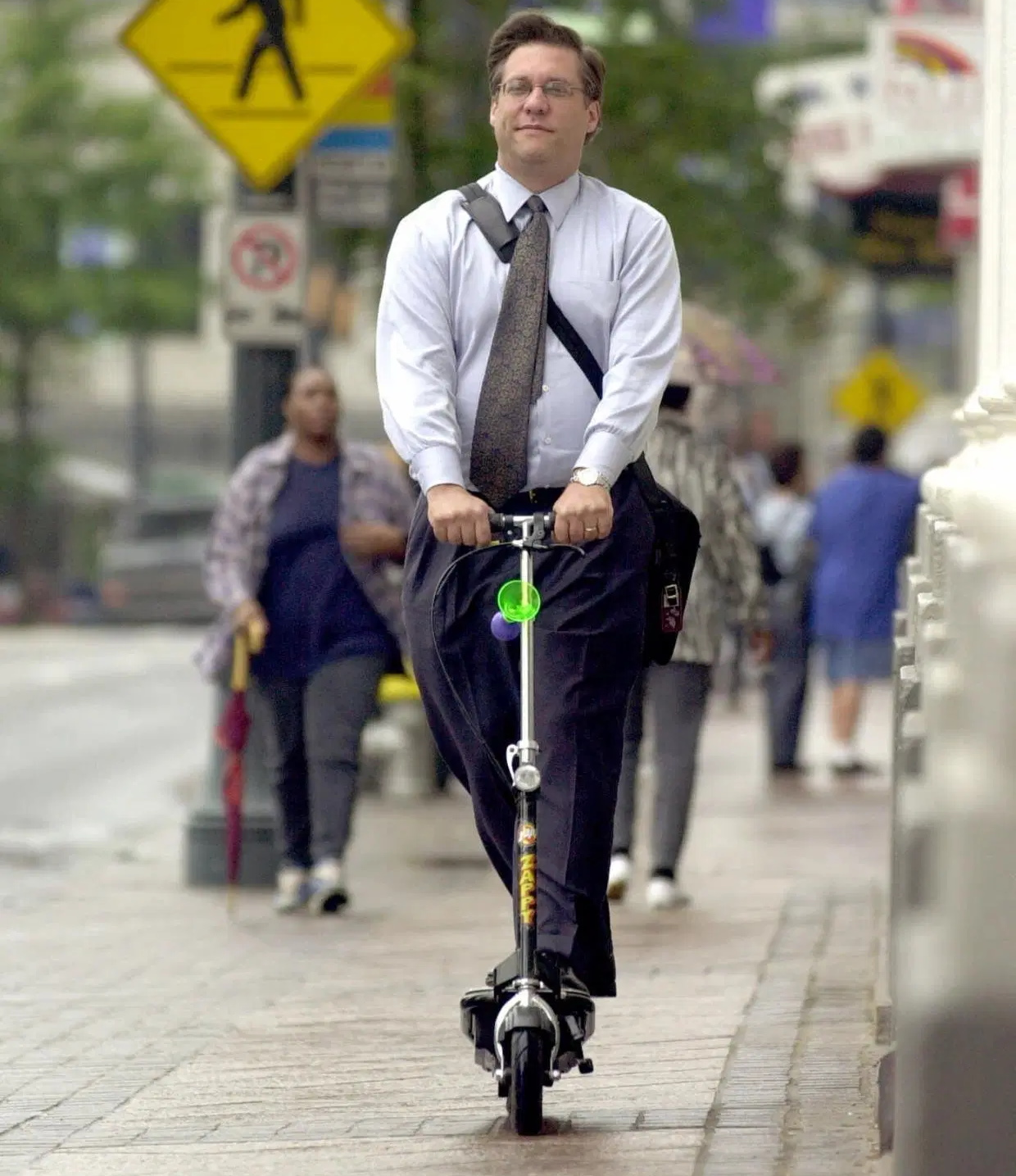
The concept of electric personal transportation is not new. Over two decades ago, products like the Zappy electric scooter attempted to carve out a market. However, these early endeavors, much like the first wave of electric cars around the turn of the millennium, were severely hampered by the limitations of prevailing battery technology, primarily lead-acid batteries. These power sources were characterized by excessive weight, insufficient power output, limited range, and prolonged charging times—fundamental flaws that rendered the vehicles impractical for widespread adoption. The consensus was clear: "the battery sucks." It was not until the significant maturation and widespread availability of Lithium-ion (Li-ion) battery technology that both electric cars and electric scooters, along with virtually all portable electric devices, transitioned from ambitious prototypes to viable consumer products.
Li-ion batteries offered a paradigm shift with their superior energy density, lighter weight, faster charging capabilities, and longer cycle life. This technological leap fundamentally altered the economic equation for electric vehicles, making them more attractive and functional. To objectively assess the general decline in Li-ion battery prices, independent of broader automotive manufacturing complexities, examining the cost trajectory of popular electric scooter models over recent years provides a clear indicator.

The Xiaomi Mi M365: A Benchmark for Affordability
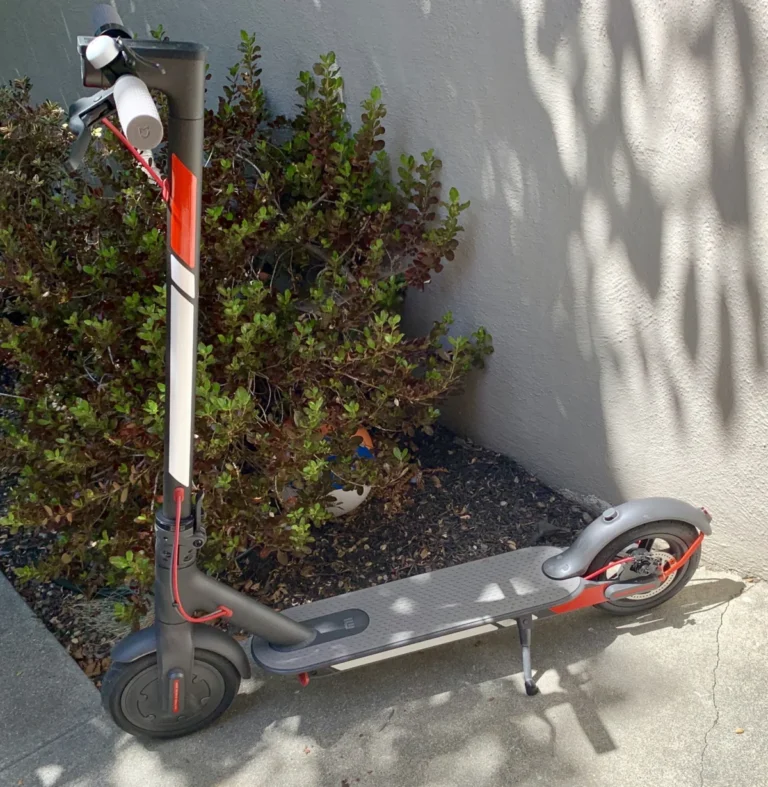
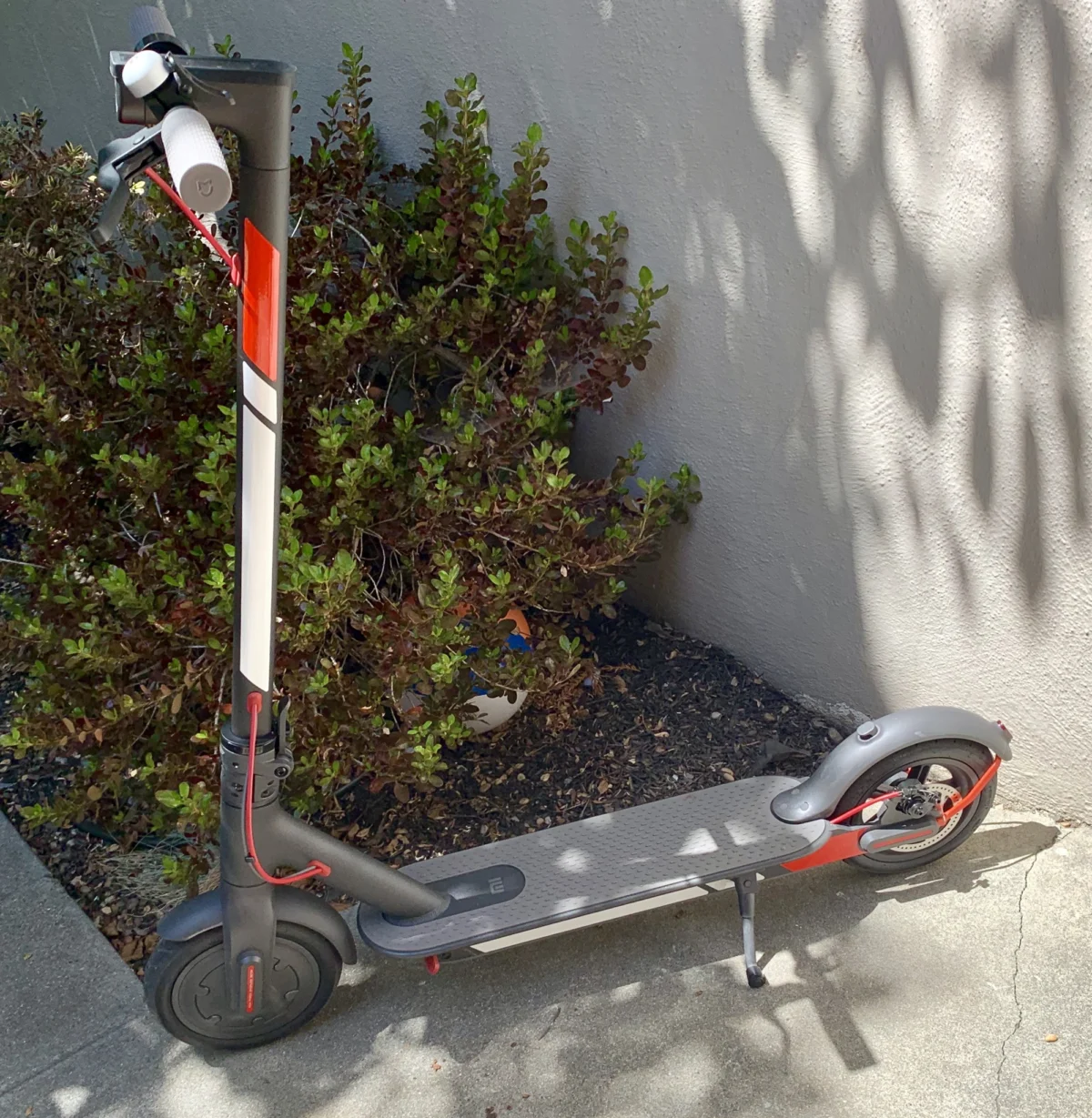
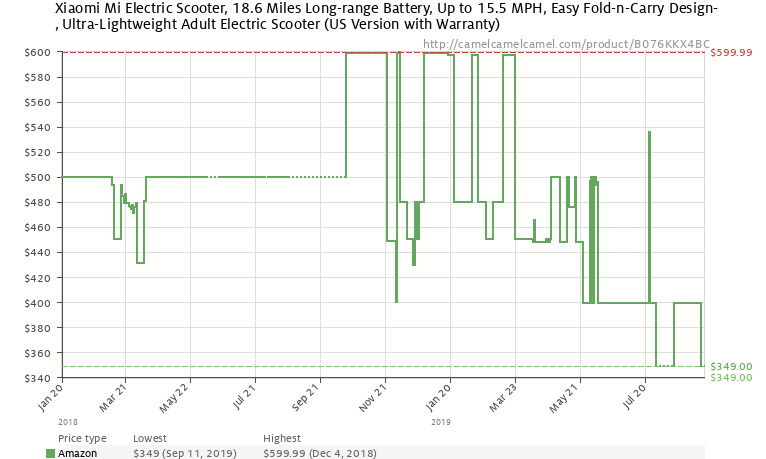
The Xiaomi Mi M365 stands out as a prime example of this trend. When it first entered the U.S. market in early 2017, its price hovered around $800. Fast forward to late 2019, and the price of this popular, widely adopted electric scooter had effectively halved, often available for $300-$400. This dramatic reduction in price over a mere three-year span underscores the rapid decrease in Li-ion battery costs and manufacturing efficiencies, signaling excellent news for the entire spectrum of electric vehicles.
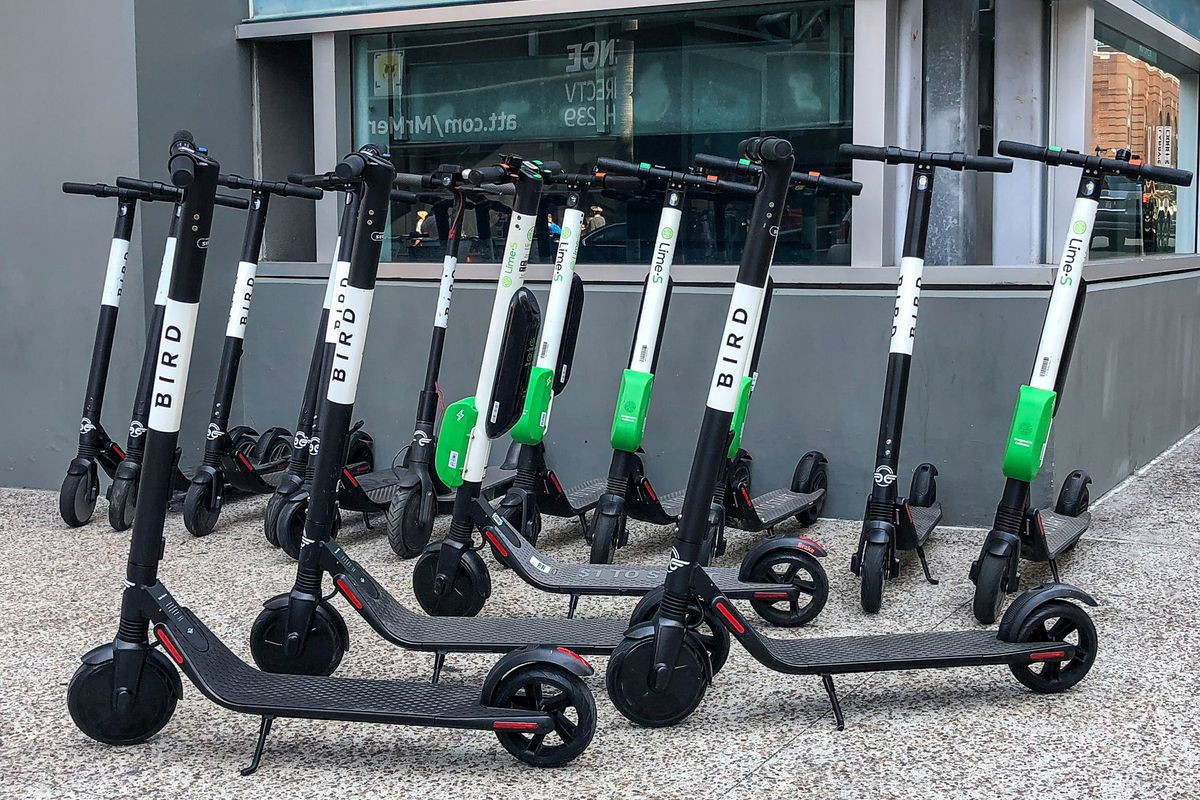
This significant drop in price from 2016 to 2019 coincided with, and perhaps fueled, the explosive growth of the quasi-legal electric scooter rental industry. Companies such as Bird, Lime, Skip, Spin, and Scoot rapidly deployed fleets across major cities globally. Early iterations of these rental scooters were often modified Xiaomi M365 units, demonstrating the model’s reliability and cost-effectiveness. By late 2018, many of these companies began transitioning to custom-built, ruggedized scooters designed specifically for the demands of the rental market, which faces unique challenges related to durability, theft, and maintenance.
The rental micromobility sector itself has undergone rapid evolution, with business models pivoting from per-minute rentals to exploring monthly subscription services. For instance, in 2019, Bird experimented with a monthly rental program in San Francisco and Barcelona, offering users a Xiaomi M365 for $25 per month instead of the traditional per-ride fee. This shift reflects the industry’s continuous search for sustainable revenue models and solutions to operational complexities like maintenance and vandalism.
The Broader Question: Are Electric Scooters the Future of Urban Transportation?
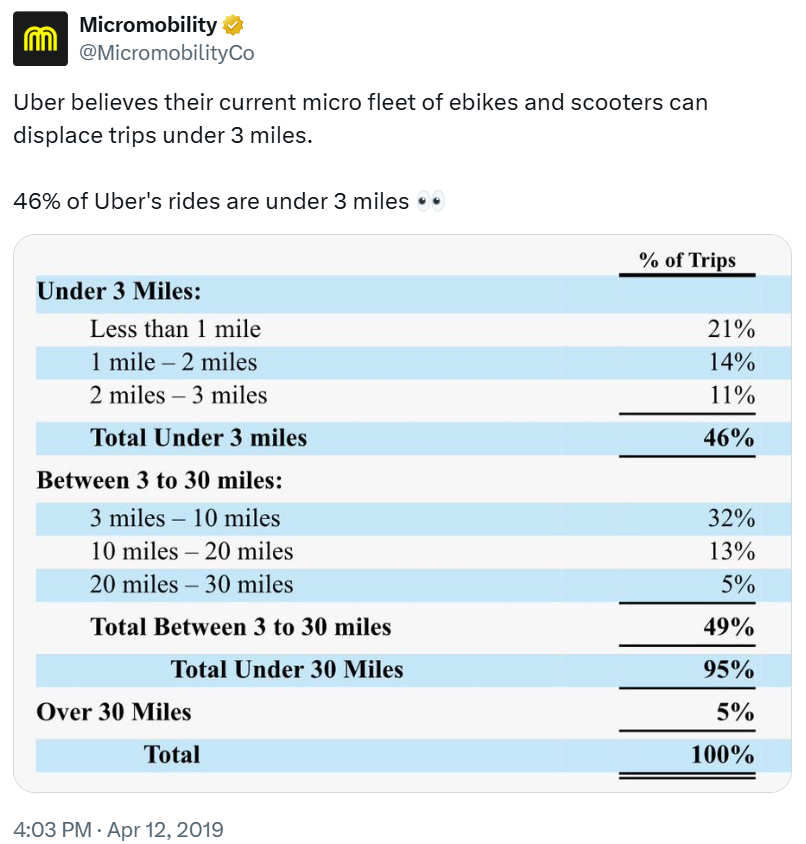
Beyond business models, a more fundamental question emerges: are electric scooters poised to become a cornerstone of future urban transportation? Even major transportation players like Uber, despite their own corporate challenges, have recognized that traditional car-based travel is often an overkill for a substantial portion of daily commutes. Uber’s internal data, for instance, indicated that approximately 46% of its rides covered distances under three miles—a segment perfectly suited for micromobility solutions like electric bikes and scooters. This strategic insight led many ride-sharing giants to invest heavily in micromobility, viewing it as complementary to, and sometimes a replacement for, short car trips.
The personal experience of owning an electric scooter further solidifies its appeal. The Xiaomi Mi M365, lauded for its affordability and robust performance, offers a compelling user experience. Priced around $300, it represents an accessible entry point into electric personal transport, providing a fun, efficient, and practical solution for many. Its integration into daily life, even alongside other electric vehicles like cars, highlights a growing trend towards diverse, eco-conscious transportation choices. The M365’s compact, foldable design allows for easy storage and transport, making it an ideal "last-mile" solution, bridging the gap between public transport hubs and final destinations.
Navigating the Regulatory Labyrinth and Safety Considerations
Despite their growing popularity and utility, electric scooters face significant challenges, particularly concerning regulation. Local governments globally have struggled to establish consistent and logical legal frameworks for these devices. Laws vary wildly from city to city, and even within regions, creating a patchwork of regulations that can confuse users and operators alike. In California, for example, electric scooter riders are mandated to possess a valid driver’s license (unlike electric bicycles) and are prohibited from riding on sidewalks—restrictions that some argue are overly burdensome and hinder wider adoption.
One aspect of regulation that finds broad agreement, however, is speed restriction. A top speed of 15 miles per hour is generally considered ample for a standing adult without specialized safety gear. Speeds exceeding this threshold can quickly become uncomfortable and hazardous. The market, however, is seeing the emergence of high-performance electric scooters, some boasting dual motors and advanced suspension systems capable of reaching speeds up to 40 miles per hour. While showcasing the technological capabilities, such extreme speeds underscore the need for stringent safety regulations and user awareness. The diversity of the market now ranges from luxury models and ultralight scooters to rugged off-road variants, catering to a wide array of consumer preferences and demonstrating the versatility of the electric scooter platform.
Evolution and Innovation: The M365 Pro and Beyond
The rapid pace of innovation in the electric scooter market is evident in the release of successors to popular models. The Xiaomi M365 Pro, for instance, introduced several incremental but welcome improvements: a larger battery, enhanced disc brake, increased power, a more informative display, and a refined latch mechanism. While these upgrades enhance the user experience, their initial premium price point meant the original M365 often retained a superior value proposition.
A fascinating aspect of modern electric vehicles, including scooters, is their inherent digital nature. Features like Bluetooth connectivity, companion apps, and even hackable firmware open up new possibilities for customization and monitoring. However, practical considerations remain. For instance, small tires on electric scooters are highly susceptible to flats, a significant inconvenience. Solutions like tire sealants (e.g., Slime) or solid tubeless tires (at the expense of some ride comfort) are common responses to this issue, highlighting the ongoing need for practical engineering solutions to common user pain points.
The Segway’s Shadow: From Hype to Ubiquity
The current wave of electric scooter success stands in stark contrast to the infamous Segway debacle of the early 2000s. Touted as a revolutionary technology that would transform urban mobility, the Segway Personal Transporter, launched at a staggering $5,000 (equivalent to over $7,200 in 2019 dollars), failed to live up to its immense hype, largely becoming a niche item associated with security guards and tourist tours. The core difference lies in accessibility and practicality. Today’s affordable electric scooters, available for $200-$300, embody the promise of personal electric transport that the Segway was meant to deliver. They are compact, relatively inexpensive, and genuinely useful for a wide demographic, effectively changing how people navigate short to medium distances in urban environments.
Economic and Environmental Implications
The proliferation of electric scooters carries significant economic and environmental implications. Economically, the micromobility sector has spurred new businesses, created jobs in manufacturing, logistics, maintenance, and rental operations. It has also influenced urban planning discussions, prompting cities to consider dedicated lanes and charging infrastructure. Environmentally, electric scooters offer a sustainable alternative to fossil fuel-powered vehicles, contributing to reduced carbon emissions and improved urban air quality. By displacing short car trips, they alleviate traffic congestion and parking demand, fostering more livable and pedestrian-friendly cities. However, the environmental impact also extends to the lifecycle management of these devices, particularly battery recycling and reducing the waste generated by discarded rental scooters, which remains an ongoing challenge for the industry.
The Future of Micromobility: Integration and Innovation
As Li-ion battery technology continues to advance—promising even greater energy density, faster charging, and lower costs—the future of electric scooters and broader micromobility appears bright. Innovations in materials science, motor efficiency, and smart connectivity will further enhance performance, safety, and user experience. The integration of electric scooters with public transportation systems, smart city initiatives, and autonomous vehicle networks holds the potential to create a truly seamless and efficient multimodal urban transport ecosystem. While challenges remain in establishing consistent regulatory frameworks, addressing safety concerns, and ensuring sustainable operational practices, the undeniable momentum of electric scooters suggests they are not merely a passing fad but a transformative element in the evolving landscape of urban transportation. The journey has been long, spanning two decades since the early, flawed attempts, but the direction is clear: towards a more electric, efficient, and accessible future of personal mobility.
About the Author