The landscape of personal computing is undergoing a subtle yet significant transformation, marked by a deceleration in the traditional upgrade cycle and a pronounced pivot towards compact, high-performance systems. Veteran PC builder and technology observer Jeff Atwood recently articulated this sentiment, noting a remarkable five-year hiatus since his last major system upgrade and over a decade with the same PC case. This observation underscores a broader industry trend where the allure of raw speed, once the primary driver for frequent component refreshes, has been supplanted by an increasing appreciation for efficiency, aesthetics, and the ingenious engineering that allows for maximum computing power within minimal physical footprints. The era of "boring" PC upgrades, as Atwood describes it, is not a sign of stagnation but rather a maturation, redirecting innovation towards smaller builds.
The Evolving PC Landscape: A Shift in Upgrade Philosophy
For decades, the personal computer market thrived on a relentless cycle of innovation, with each new generation of processors, graphics cards, and memory promising exponential leaps in performance. Enthusiasts and professionals alike eagerly anticipated these advancements, often upgrading their systems every two to three years to keep pace with demanding software, evolving games, and emerging technologies. However, the past decade has seen a notable slowdown in this rapid cadence. While performance continues to improve, the gains are often incremental for general computing tasks, and the average user finds their existing hardware more than capable for longer periods.
This phenomenon, often dubbed "good enough computing," is a confluence of several factors. Modern CPUs, even mid-range models, possess ample multi-core processing power for multitasking, content creation, and everyday applications. Graphics processing units (GPUs) have become incredibly powerful, but their full potential is often only realized in high-fidelity gaming or specialized professional workloads like machine learning and rendering. Furthermore, solid-state drives (SSDs) have fundamentally reshaped user experience by eliminating storage bottlenecks, making even older systems feel snappier. The widespread adoption of cloud computing, streaming services, and mobile devices has also shifted some computational burdens away from the local PC, reducing the urgency for constant hardware refreshes.

Jeff Atwood’s personal upgrade timeline — with a PC case dating back to 2011 and a major internal overhaul in 2015, followed by another five-year gap — serves as a compelling microcosm of this broader industry shift. His candid admission of needing five years to "muster up the initiative" for a full system upgrade highlights a psychological aspect: when the perceived benefits of upgrading diminish, so too does the motivation. This is not to say that innovation has ceased; rather, it has diversified, focusing on areas beyond sheer benchmark numbers, such as power efficiency, acoustic performance, and, crucially, miniaturization.
From Grand Towers to Compact Powerhouses: A Decade of PC Evolution
The journey of PC hardware over the last thirteen years, coinciding with Atwood’s build series, has been remarkable. In the early 2010s, desktop PCs were often synonymous with large tower cases, accommodating multiple hard drives, optical drives, and elaborate cooling solutions. While powerful, these machines demanded significant desk space and were often viewed as cumbersome. The market was dominated by ATX and Micro-ATX form factors, with Mini-ITX being a niche for specialized, low-power builds or home theater PCs.
As technology progressed, several key advancements paved the way for the modern small form factor (SFF) revolution:
- Increased Component Density: Motherboard manufacturers perfected the art of packing more features into smaller Mini-ITX boards, including integrated Wi-Fi, robust power delivery for high-end CPUs, and multiple M.2 slots for NVMe storage.
- Efficient Power Supplies: The introduction and refinement of the SFX (Small Form Factor) power supply standard allowed for compact, yet powerful, PSUs capable of driving high-end GPUs and CPUs, eliminating the need for bulky ATX power supplies.
- M.2 NVMe Storage: The transition from 2.5-inch SATA SSDs and 3.5-inch HDDs to tiny M.2 NVMe drives dramatically reduced internal space requirements, freeing up valuable real estate within cases.
- Improved Thermal Management: Advances in heatsink design, fan technology, and the advent of compact all-in-one (AIO) liquid coolers allowed for effective heat dissipation even in confined spaces, mitigating the long-standing challenge of SFF systems overheating.
This evolution has enabled a new generation of SFF cases that can house top-tier components, offering performance comparable to much larger systems without the spatial demands. It’s a testament to continuous engineering refinement across the entire component ecosystem.
The Allure of Small Form Factor (SFF) Computing
The growing popularity of SFF PCs represents a significant market trend, driven by both practical considerations and aesthetic preferences. Users are increasingly seeking systems that blend seamlessly into modern living and working environments, rather than dominating them. The SFF segment, while still a niche compared to the mainstream ATX market, has seen consistent growth, with market analysts pointing to a rising demand for powerful yet discreet computing solutions.
The appeal of SFF computing extends beyond mere space-saving:
- Aesthetics: Many SFF cases are designed with premium materials (aluminum, tempered glass) and minimalist aesthetics, resembling high-end audio equipment or modern decor rather than a traditional computer.
- Portability: While not laptops, SFF systems are significantly easier to transport than full-sized towers, making them ideal for LAN parties, moving between workspaces, or even as compact, powerful travel rigs.
- Integration: SFF PCs can serve as powerful home theater PCs (HTPCs), workstation replacements in compact offices, or high-performance gaming consoles that fit comfortably alongside a TV.
- Reduced Clutter: A smaller footprint naturally leads to a tidier desk or entertainment setup.
This shift in consumer preference has spurred innovation among case manufacturers, leading to a diverse array of SFF designs, each tackling the inherent challenges of miniaturization with unique solutions. The core attraction, as Jeff Atwood aptly puts it, is "maximum power in minimum size."
Engineering Excellence: Spotlight on the Dan A4 SFX and Streacom DA2
The original article highlights two prime examples of this engineering philosophy: the Dan A4 SFX and the Streacom DA2. These cases represent the pinnacle of SFF design, each offering distinct approaches to the challenge of housing high-performance components in constrained volumes.
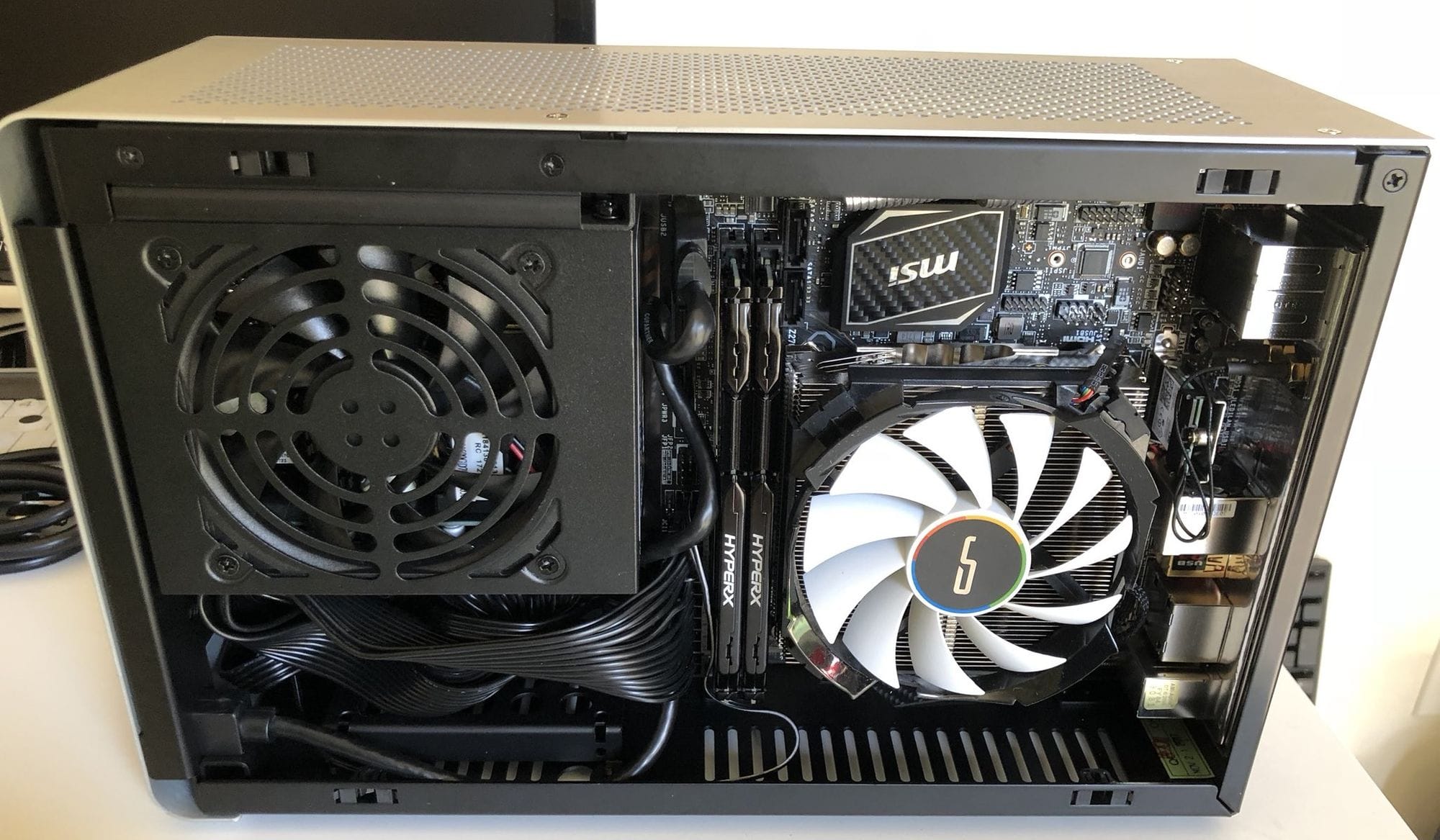
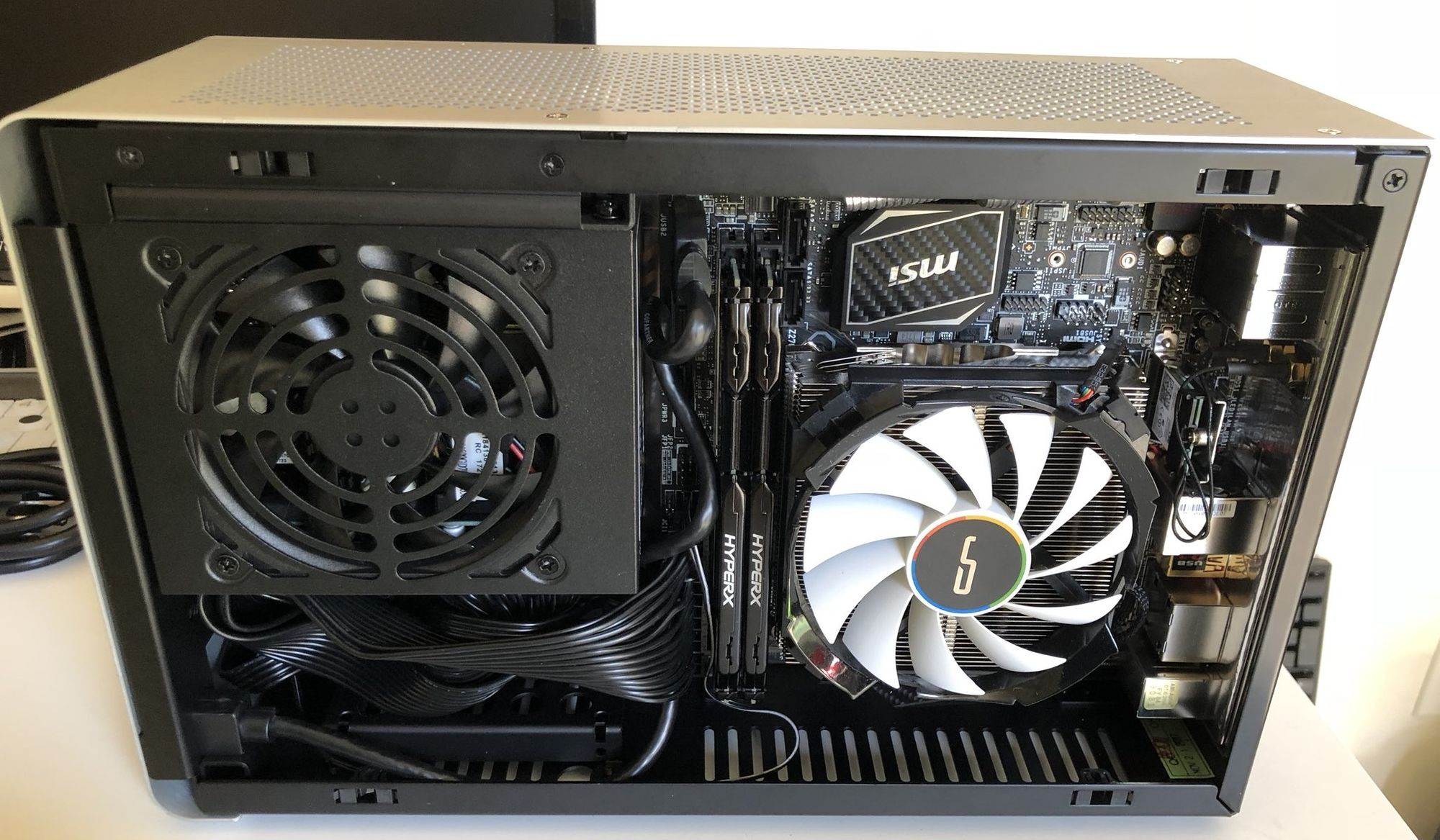
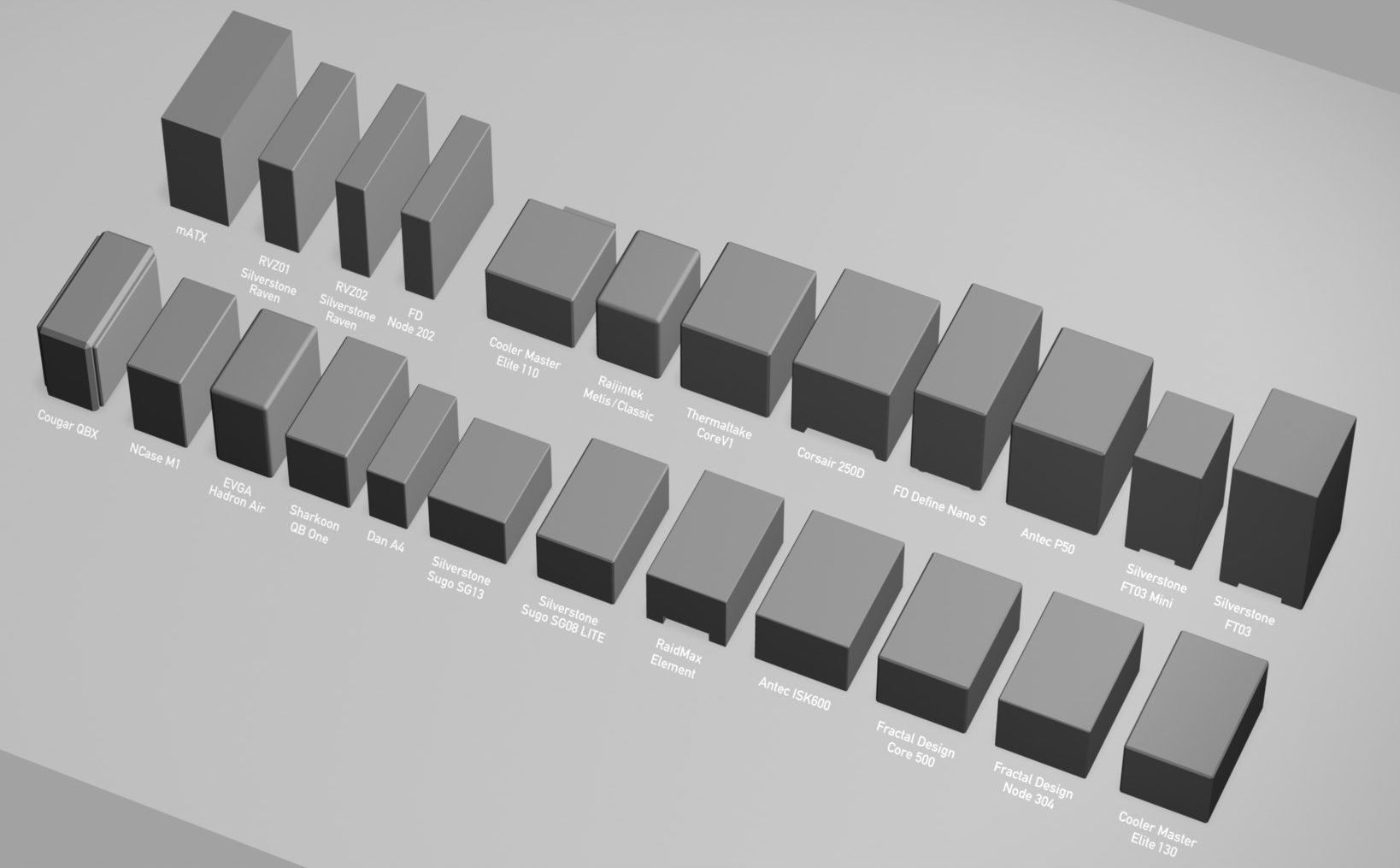
The Dan A4 SFX, developed by designer Daniel Hansen, is renowned for its incredibly compact footprint. With dimensions of approximately 200mm x 115mm x 317mm, it achieves a minuscule internal volume of just 7.3 liters. To put this into perspective, a PlayStation 4 Pro occupies 5.3 liters, and an Xbox One S measures 4.3 liters. The Dan A4 SFX manages to pack substantially more raw computing power than these consoles into a volume that is only about 50% larger, an impressive feat of industrial design and component selection. Its design often relies on a "sandwich" layout, separating the GPU from the motherboard compartment to optimize airflow and minimize overall dimensions. Achieving a build in the A4 SFX often requires careful component selection, particularly for CPU cooling, as space is at an absolute premium. It pushes the boundaries of what is physically possible without resorting to custom-made components.
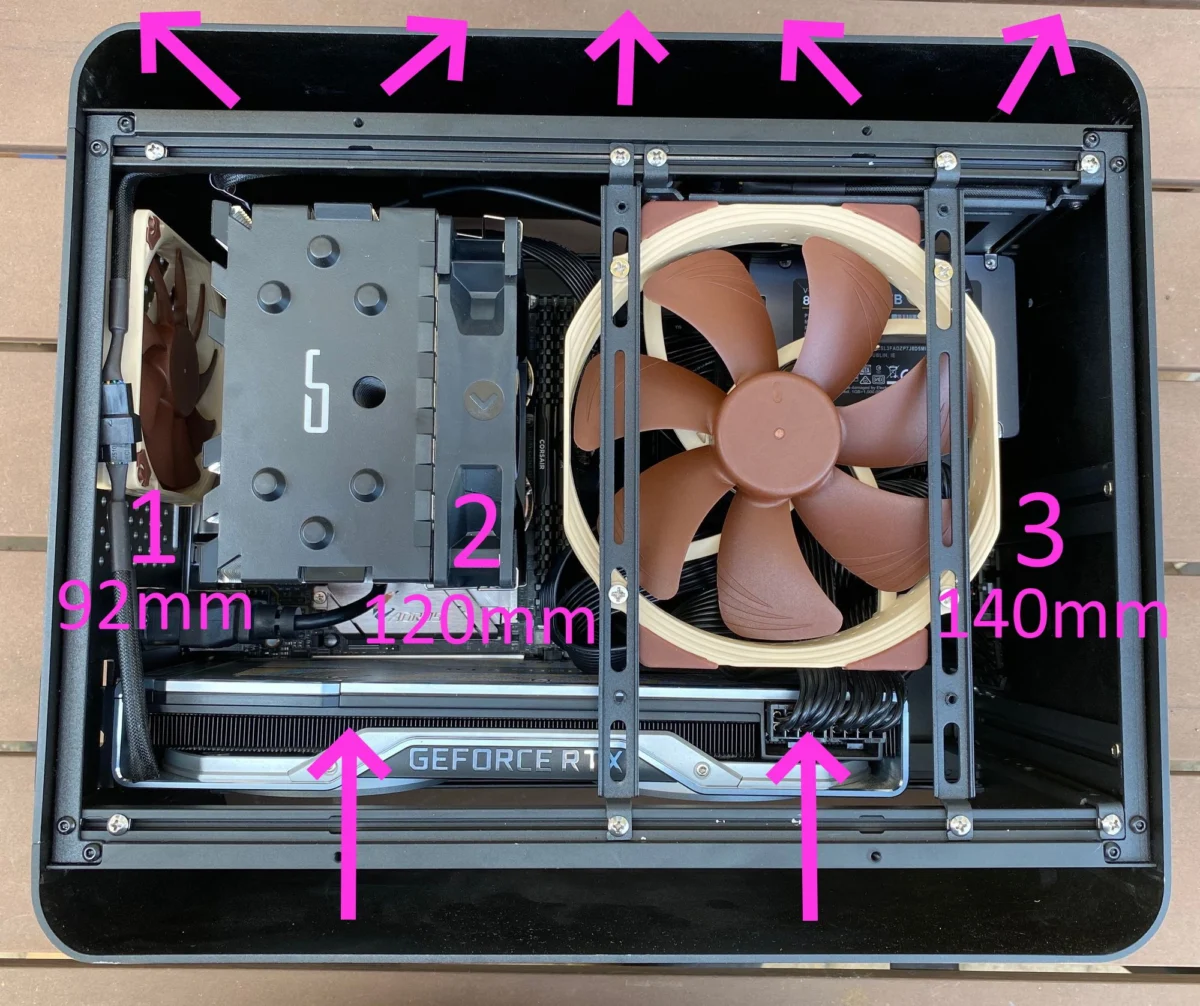
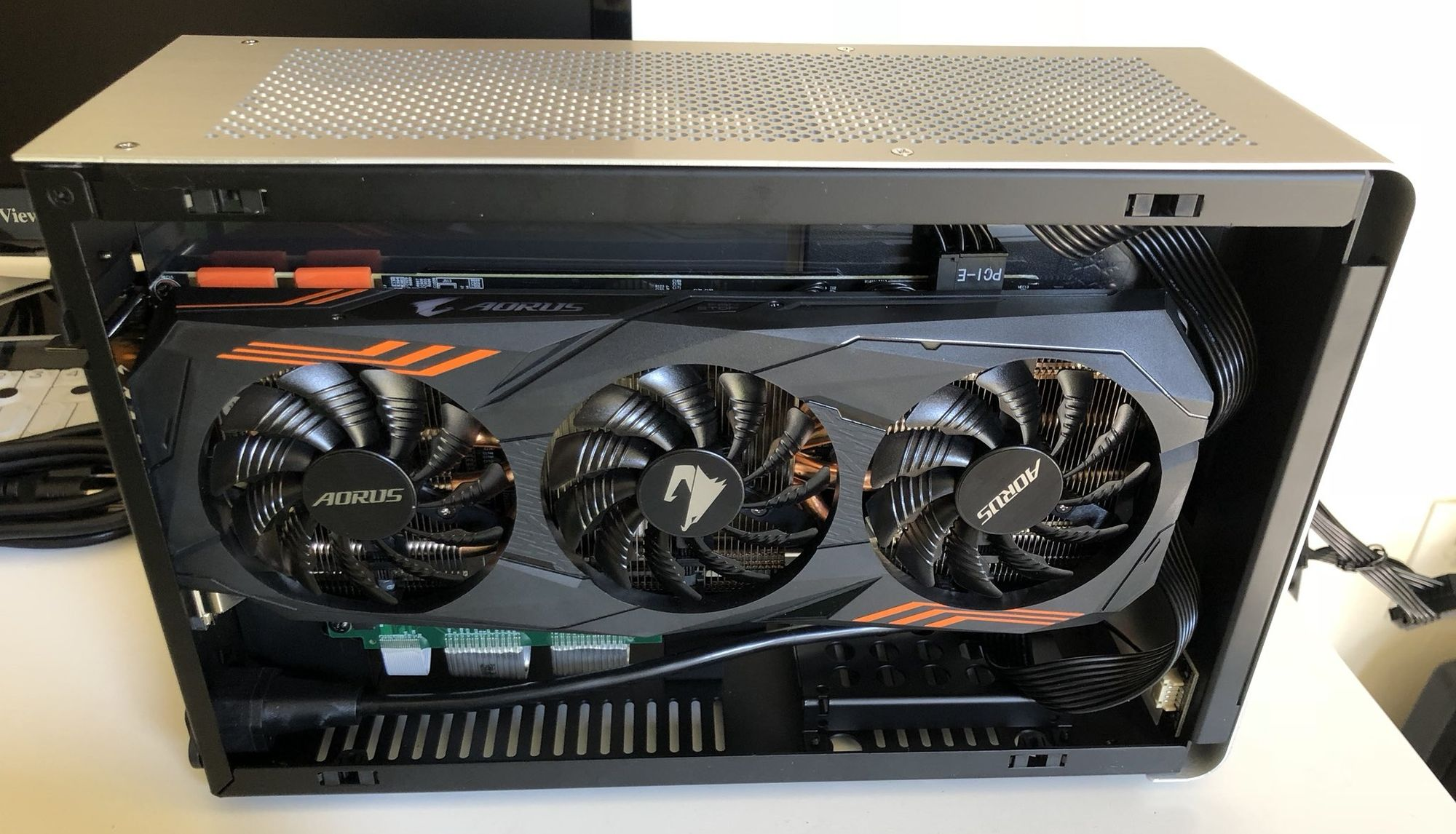
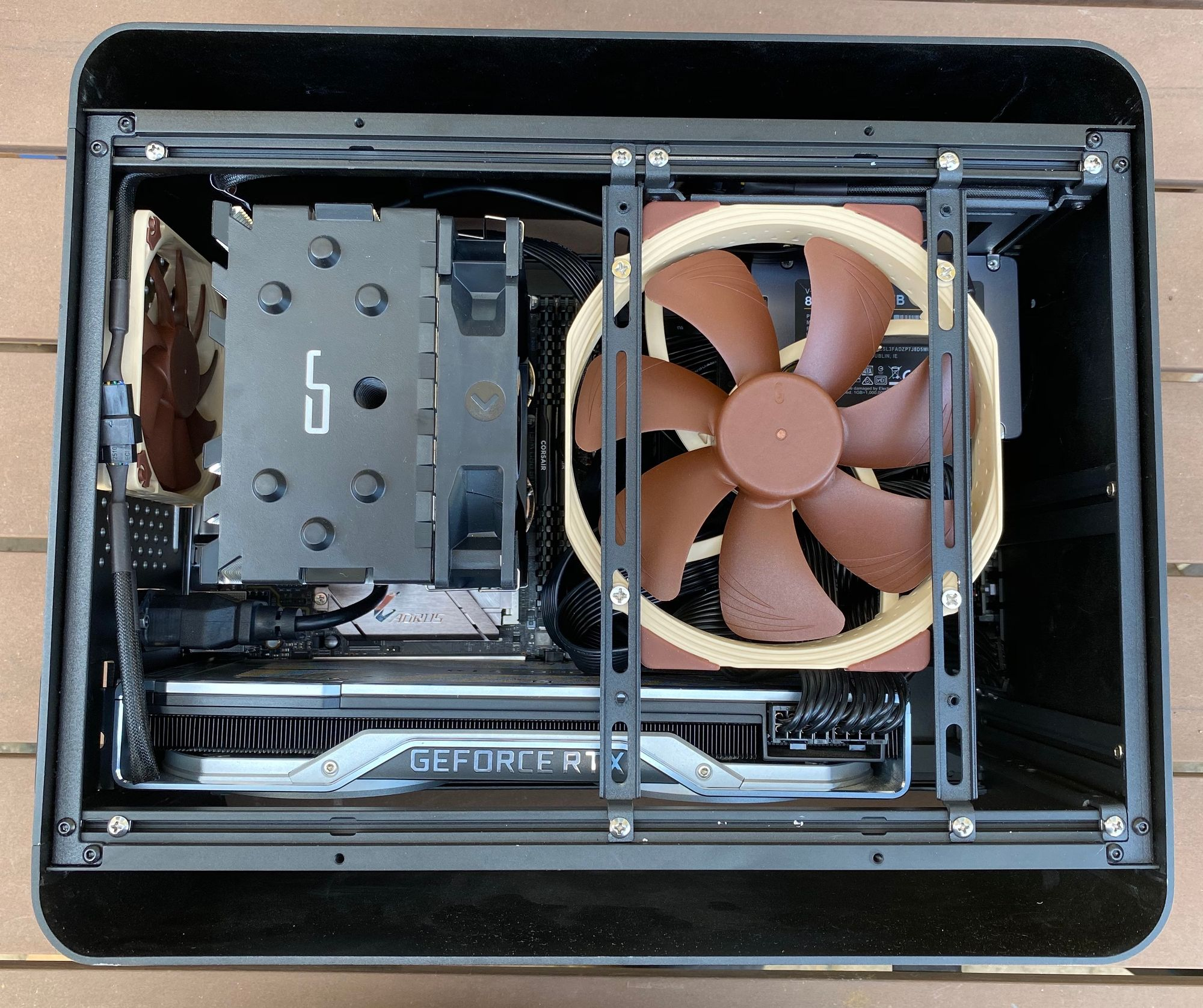
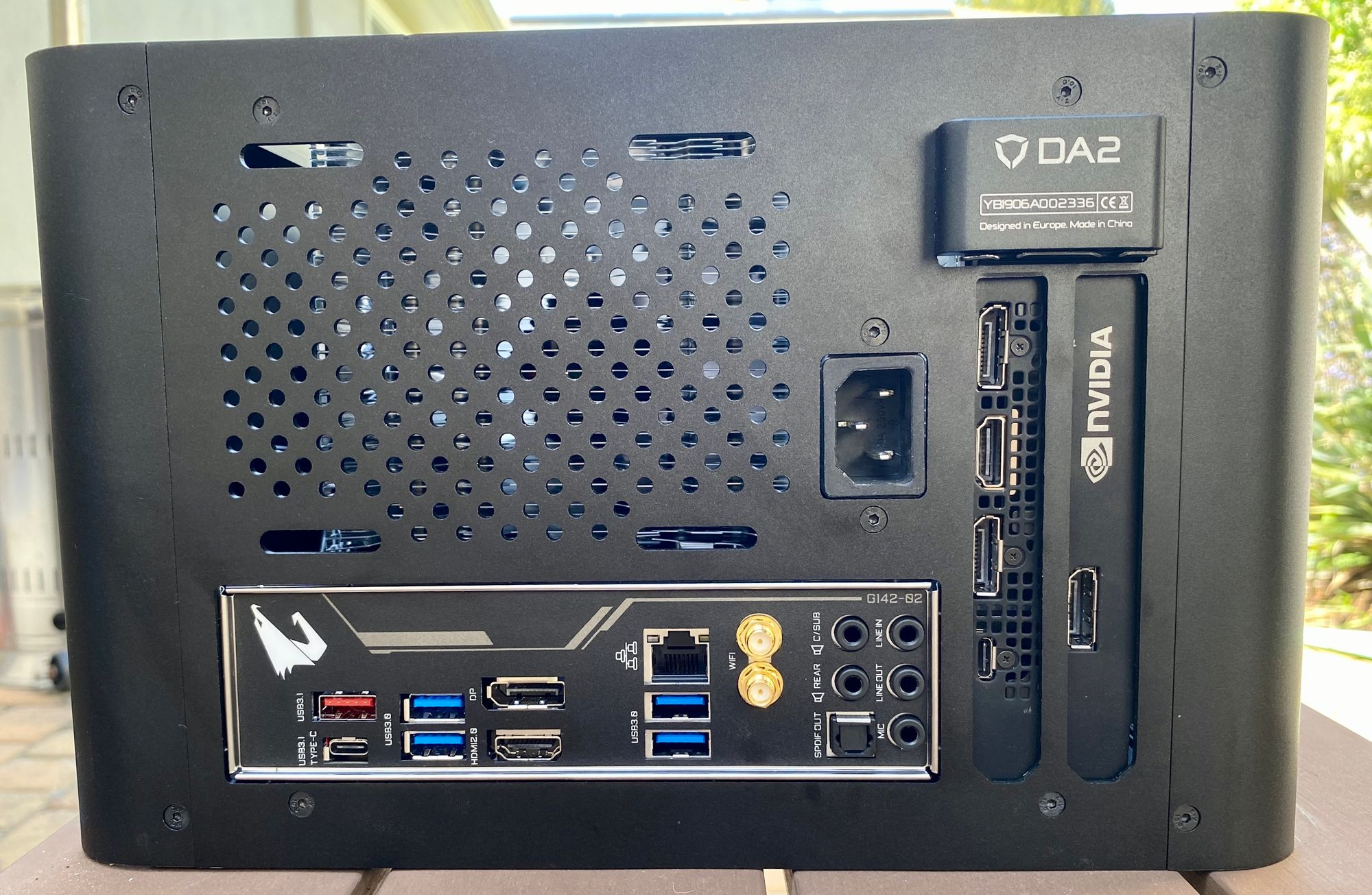
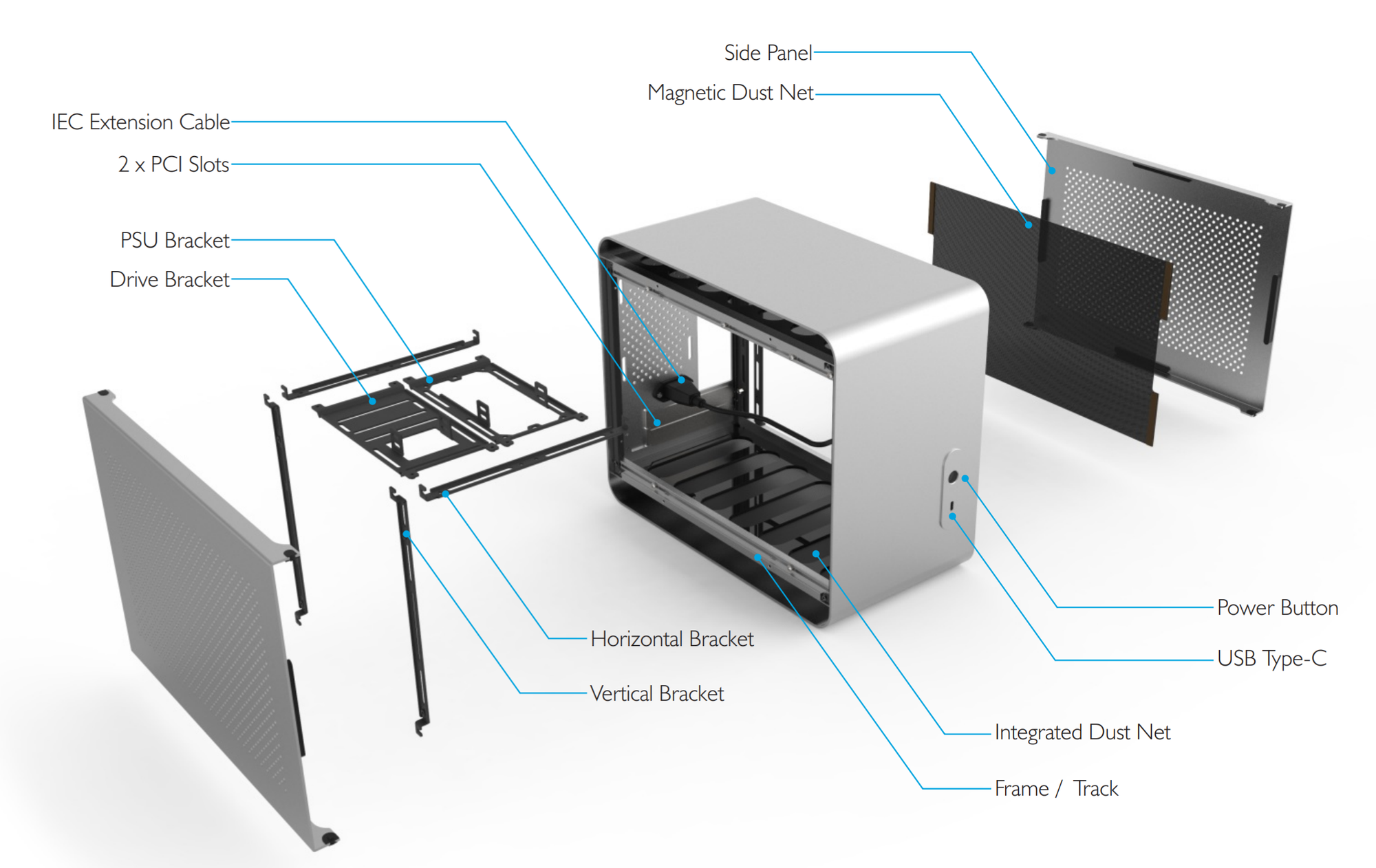
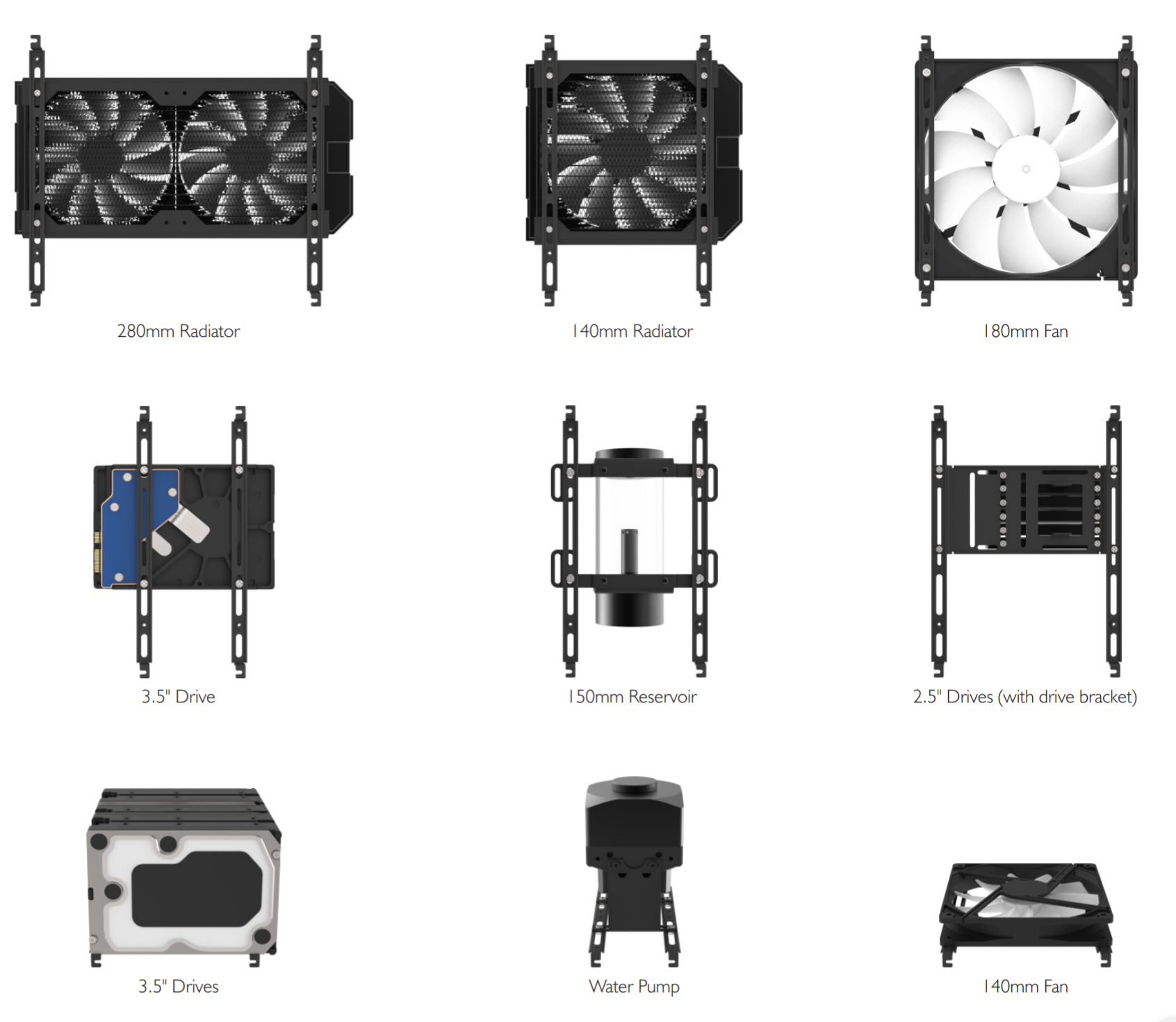
The Streacom DA2, while larger than the Dan A4 SFX at 17.5 liters (180mm x 286mm x 340mm), offers a different set of advantages, prioritizing versatility and enhanced cooling potential. Its design eschews the fixed component mounting points of many cases in favor of a highly adaptable bracket system. This "hybrid open-air design" with ventilation on the top and bottom, combined with movable horizontal and vertical brackets, allows builders unprecedented flexibility in component layout and thermal optimization. This flexibility is crucial when dealing with the substantial heat generated by top-tier CPUs and GPUs.
Jeff Atwood’s personal choice of the Streacom DA2 for his latest build underscores a practical realization: while ultra-compact cases like the Dan A4 SFX are engineering marvels, the slightly larger volume of the DA2 provides critical extra room for robust CPU cooling and additional fans. This extra space translates directly into better thermal performance, which is paramount for maintaining stability and longevity when running powerful components under sustained loads.
Performance and Practicality: Building a High-End SFF System
Atwood’s decision to upgrade from an overclocked Intel i7-7700k (a respectable quad-core CPU from the Kaby Lake generation) to a modern, powerful system implies a significant leap in capabilities. A contemporary high-end CPU would offer at least double the core count (e.g., 8-16 cores), higher clock speeds, and substantial improvements in Instructions Per Cycle (IPC), leading to multi-fold performance gains in multi-threaded applications. Similarly, doubling the system memory (from perhaps 16GB to 32GB or 64GB) and increasing M.2 slots (from one to two or more) significantly enhances multitasking capabilities and storage flexibility, especially for professionals dealing with large datasets or content creation.
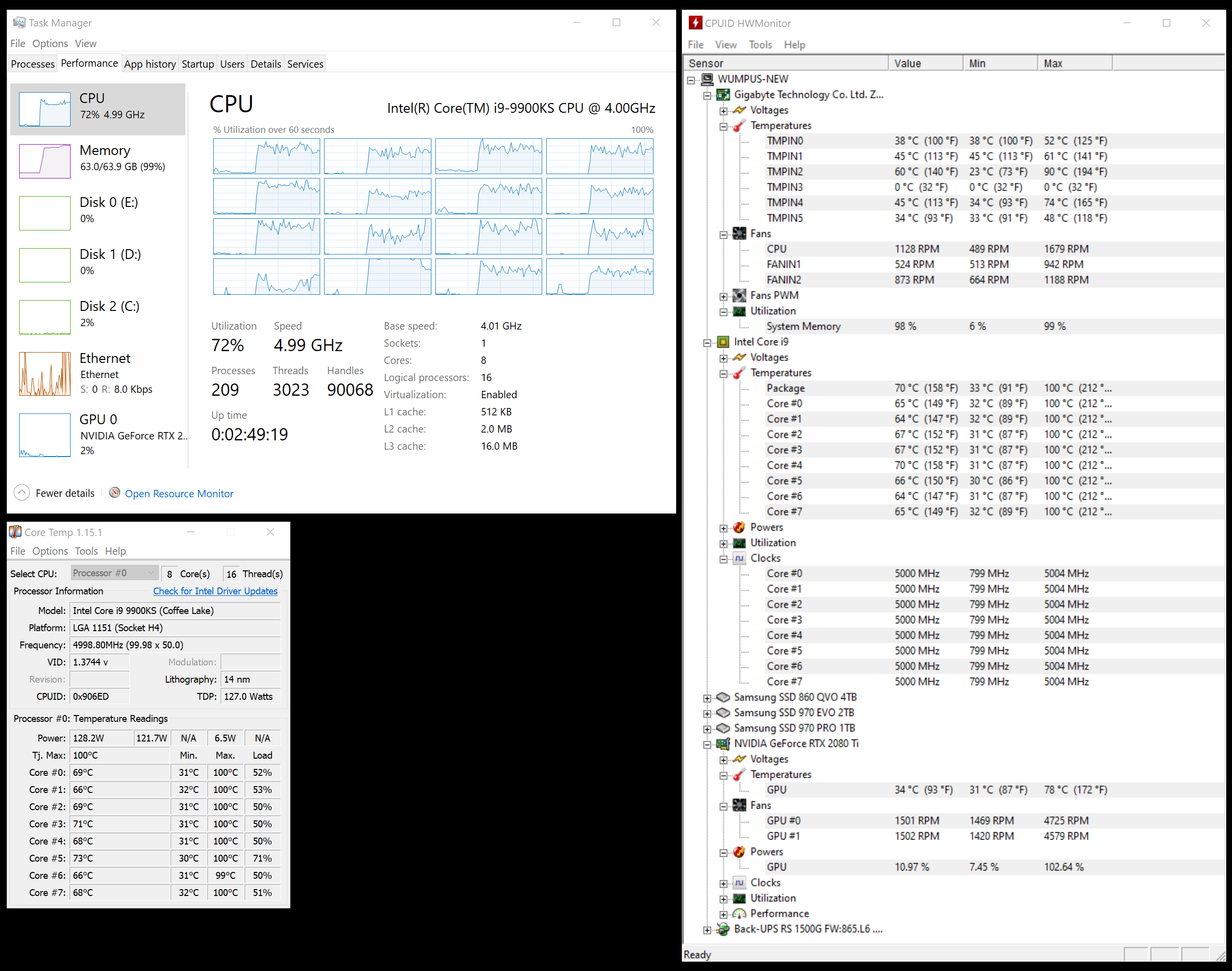
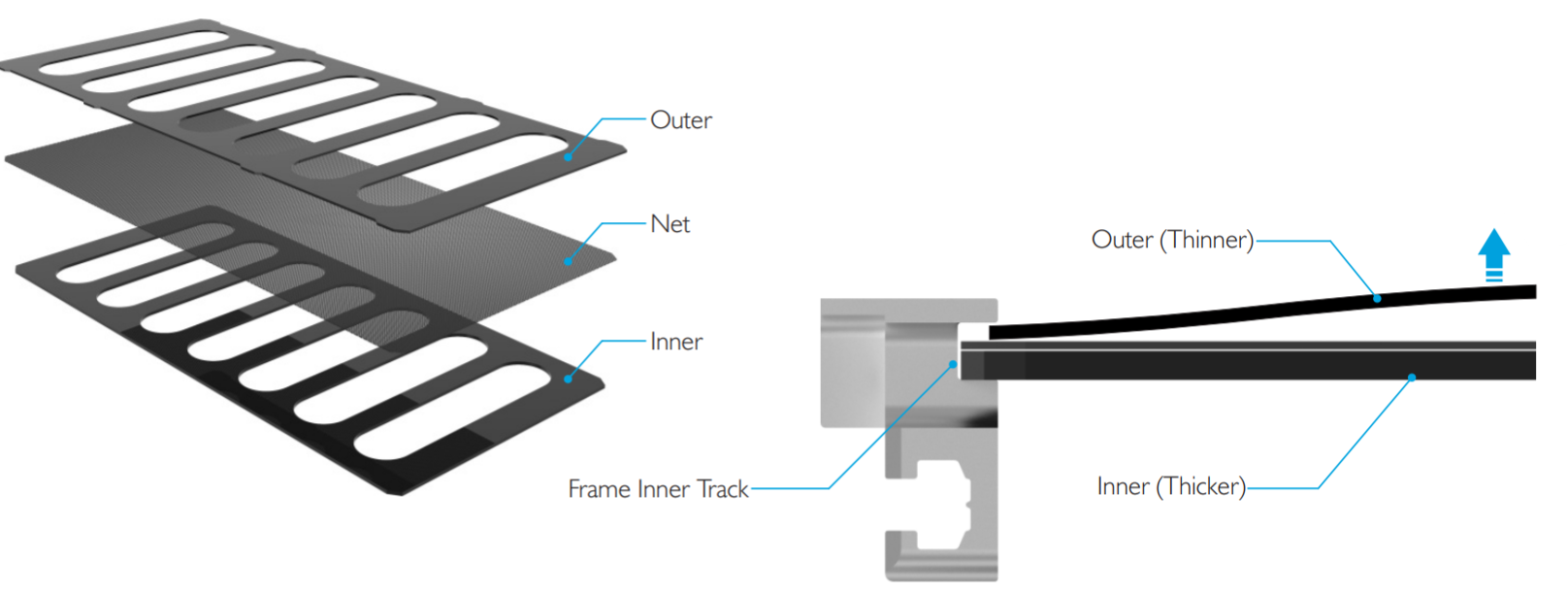
The Streacom DA2’s internal architecture, with its versatile bracket system, is particularly conducive to optimizing airflow. Atwood’s recommendation to remove the top and bottom acrylic panels to allow the case to "fully breathe" is a key insight. The DA2’s solid front panel means that airflow must primarily enter and exit through the top and bottom. Removing these restrictive panels, even if they contain mesh dust filters, dramatically improves thermal performance by reducing static pressure and allowing for more efficient convection. His recommended configuration of three fans – likely two exhaust fans and one intake, or vice-versa, strategically placed to create a positive or negative pressure environment – is crucial for managing heat in such a confined space.
While air cooling is effective for most scenarios, Atwood acknowledges the physical limits of SFF. For users who anticipate prolonged periods of full CPU and GPU load, or who opt for the absolute highest-end, power-hungry components, liquid cooling (specifically a 140mm or 240mm AIO radiator, which the DA2 can accommodate) might become a necessity. His personal aversion to liquid cooling, stemming from "traumatic cooling fluid leaks in the early 2000s," is a sentiment shared by many enthusiasts who prioritize reliability and simplicity. This highlights a fundamental trade-off in SFF builds: maximizing power often necessitates pushing thermal boundaries, which can lead to compromises in component choice or cooling methodology.
Despite these challenges, the process of building a modern PC has become remarkably user-friendly. The integration of components, particularly with M.2 drives and advanced motherboard designs, means that the core assembly (CPU, cooler, RAM, M.2 drives on the motherboard) is often completed outside the case, simplifying the final installation.
Industry Perspectives and the Future of PC Design
The industry at large has taken notice of the SFF trend. Major component manufacturers like Intel, AMD, and Nvidia increasingly consider thermal and power efficiency in their designs, understanding that not all users want or need massive cooling solutions. Motherboard vendors offer a wide array of Mini-ITX boards, often featuring robust power delivery systems and connectivity options that rival their larger ATX counterparts. Power supply manufacturers have expanded their SFX and SFX-L lineups, offering high-wattage units that meet the demands of even the most powerful GPUs.
Case manufacturers, beyond dedicated SFF specialists, are also exploring more compact designs or hybrid form factors that bridge the gap between traditional towers and ultra-small builds. This signifies a broader acceptance of SFF as a legitimate and growing segment of the enthusiast market, moving beyond its niche origins.
The "boring" aspect of PC upgrades, in this context, is a misnomer. While the frequency of upgrades might have decreased, the innovation has shifted. Instead of purely chasing raw megahertz or teraflops, the focus is now on integration, efficiency, and design – how to deliver that power in a more elegant, versatile, and unobtrusive package.
Implications for Enthusiasts and the Broader Market
The rise of high-performance SFF PCs has several significant implications:
- Democratization of Power: Users with limited space can now access top-tier computing power without resorting to bulky systems, making high-end PCs more accessible for apartments, small offices, or integrated living spaces.
- Aesthetic Integration: PCs are no longer just functional tools but can be design elements, enhancing the overall aesthetic of a room.
- Shifting Priorities: For many users, the "wow factor" has moved from internal RGB lighting and massive cases to the sheer engineering marvel of a powerful system that disappears into its environment.
- Customization and Niche Markets: The SFF segment fosters a vibrant community of builders who revel in the challenge and artistry of compact construction, driving further innovation in custom parts and cooling solutions.
- Sustainability: Longer upgrade cycles, driven by the enduring performance of modern components, could subtly contribute to reduced electronic waste over time, though the pursuit of cutting-edge SFF components can still lead to frequent purchases for dedicated enthusiasts.
Jeff Atwood’s article serves as a timely reminder that the PC market is far from stagnant. Instead, it is evolving, driven by refined consumer demands and sophisticated engineering. The future of PC building, particularly for enthusiasts, appears to be increasingly defined by the pursuit of packing immense power into increasingly smaller, more elegant, and highly efficient packages, often less than 20 liters in volume. This quiet revolution promises a future where high-performance computing is not only potent but also profoundly discreet, seamlessly integrated into our daily lives.
About the Author