In a digital landscape often dominated by high-budget, lengthy AAA game releases, the independent game platform itch.io continues to serve as a crucial nexus for innovative and artistically diverse experiences. This week, the platform has highlighted three distinct titles—Mr Platformer, Videoverse, and TEST TEST TEST—each offering a unique perspective on game design, narrative, and player engagement, collectively underscoring the enduring vitality of the indie development scene. These selections provide a refreshing counterpoint to mainstream offerings, demonstrating that profound and engaging experiences often emerge from smaller, focused projects.
The Evolving Landscape of Game Development
The gaming industry has witnessed a significant transformation over the past two decades, characterized by both consolidation in the AAA sector and a parallel explosion in independent game development. Digital distribution has been a primary catalyst for this shift, lowering barriers to entry for creators and providing direct channels to global audiences. This democratization has allowed a greater diversity of voices, experimental mechanics, and unique artistic visions to flourish outside the traditional publisher-developer model.
Itch.io: A Haven for Independent Creators
Established in 2013 by Leaf Corcoran, itch.io has carved out a distinct niche as a developer-first platform. Unlike larger digital storefronts that often prioritize established titles or adhere to rigid submission processes, itch.io champions creative freedom, offering flexible revenue sharing models (including a 0% cut option for developers) and a highly customizable platform for showcasing games, tools, and assets. This approach has cultivated a vibrant community known for its experimental projects, game jams, and a catalog ranging from polished commercial releases to free prototypes and interactive art. The platform’s commitment to supporting creators directly, exemplified by initiatives like the "Bundle for Racial Justice and Equality" which raised millions for charity, has solidified its reputation as a vital ecosystem for truly independent game development. The weekly curation of titles like Mr Platformer, Videoverse, and TEST TEST TEST is a testament to itch.io’s ongoing mission to spotlight innovative work that might otherwise be overlooked in a crowded market.
Terry Cavanagh’s Return: Mr Platformer – A Masterclass in Minimalism
The release of Mr Platformer by Terry Cavanagh marks a notable event for aficionados of independent game design. Cavanagh, a name synonymous with challenging yet elegantly designed experiences, has a storied history in the indie space, particularly recognized for his work on VVVVVV (2010), Super Hexagon (2012), and Dicey Dungeons (2019). His games are consistently praised for their distilled mechanics, often presenting deceptively simple premises that unfold into layers of complexity and demanding player skill.
Developer Pedigree and Legacy
Terry Cavanagh’s early breakthrough, VVVVVV, established his signature style: a retro-inspired aesthetic combined with a singular, innovative mechanic (gravity flipping instead of jumping). This title not only garnered critical acclaim for its difficulty and precise controls but also influenced a generation of indie platformers. Super Hexagon further cemented his reputation for crafting addictive, high-difficulty games that push player reflexes to their limits. More recently, Dicey Dungeons showcased his versatility, applying his design philosophy to a roguelike deck-builder, demonstrating a knack for making complex systems feel intuitive and engaging. This history provides crucial context for Mr Platformer, as players approach it with an expectation of subtle depth beneath a minimalist exterior.
Unpacking Mr Platformer’s Design Philosophy
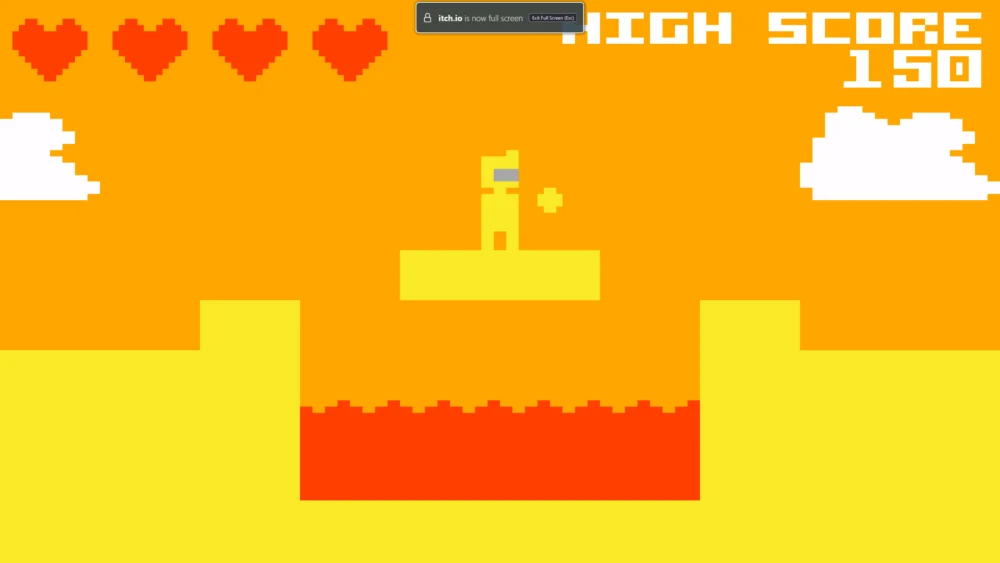
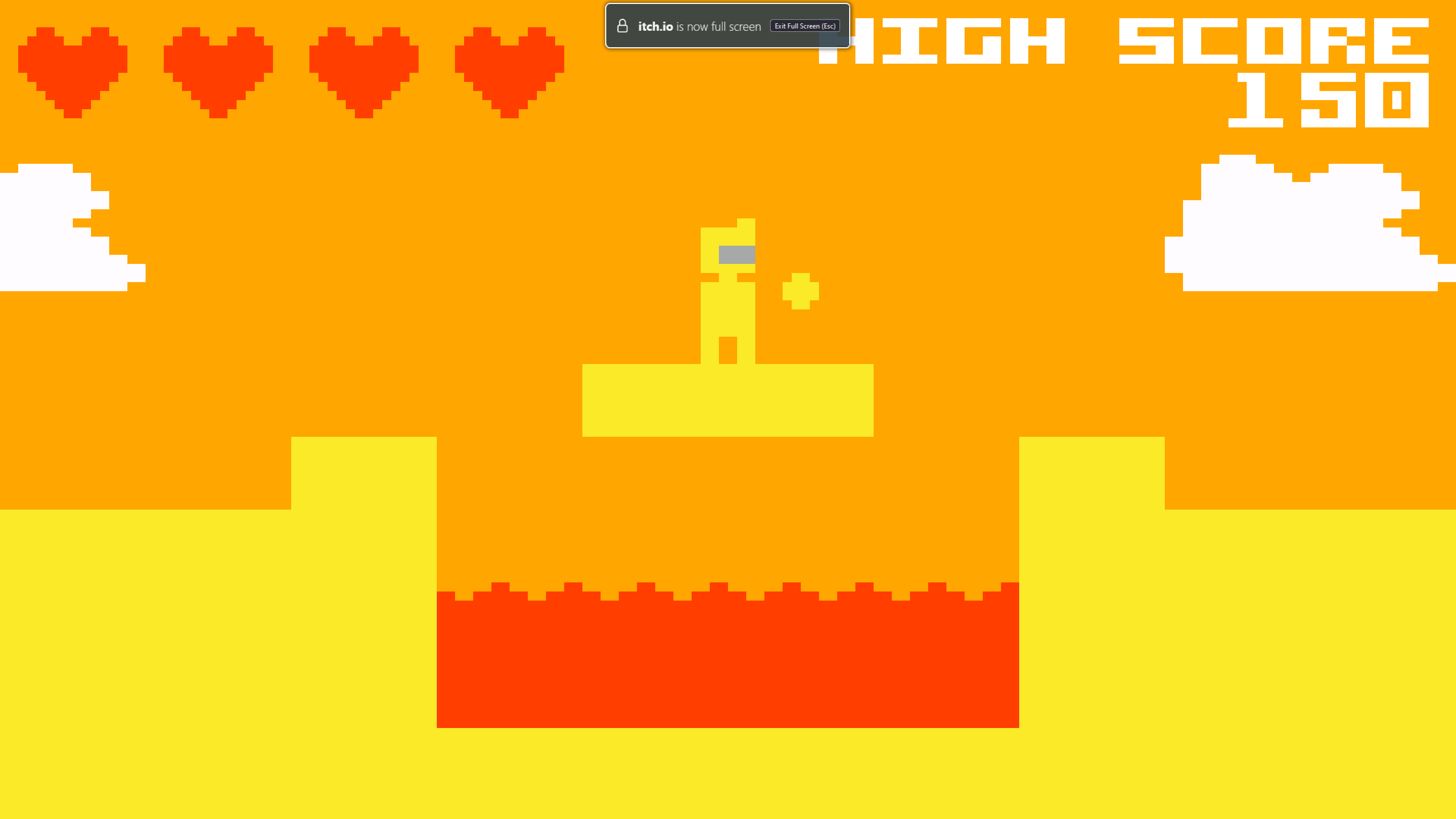
Mr Platformer presents itself with a Spartan description, listing only "running, jumping, and swimming" as its core mechanics. This deliberate understatement is characteristic of Cavanagh’s design philosophy, which often prioritizes player discovery over explicit tutorials or verbose explanations. Initial impressions suggest a straightforward 2D platformer, yet consistent with Cavanagh’s previous works, the game reportedly harbors hidden depths and unexpected mechanics that emerge through exploration. Players are encouraged to delve beyond the immediate objectives, hinting at a world that rewards curiosity and unconventional approaches. This design choice implies a focus on intrinsic motivation and a player-driven narrative of discovery, where the "stuff going on" within the game is gradually unveiled rather than presented upfront. The game’s implications extend beyond mere entertainment, serving as a masterclass in how fundamental game mechanics can be layered to create a rich, emergent experience without relying on elaborate visuals or complex control schemes. Its design reinforces the notion that compelling gameplay often stems from elegant mechanical systems and the clever manipulation of player expectations.
Initial Reception and Broader Context
While specific sales data for Mr Platformer are not publicly detailed, the game’s release by a developer of Cavanagh’s stature invariably generates significant interest within the indie community. Early player reactions often highlight the subtle intricacies and the unexpected directions the game takes, reinforcing Cavanagh’s reputation for delivering unique, thought-provoking experiences. Its presence on itch.io further emphasizes the platform’s role in hosting experimental and developer-driven projects that might not fit the commercial molds of larger storefronts. Mr Platformer stands as a testament to the power of focused game design, demonstrating that innovation can thrive through the refinement of core mechanics and the art of player surprise.
Kinmoku’s Videoverse: Revisiting the Dawn of Digital Connections
Videoverse, developed by Kinmoku, offers a poignant and meticulously crafted narrative adventure that transports players back to the nascent era of online social interaction. The game distinguishes itself by exploring themes of connection, identity, and community through the lens of early 2000s-inspired online forums and instant messaging.
The Narrative and Setting
The game centers on Emmett, a young game fan navigating personal growth and artistic aspirations within the confines of a fictional social media platform called "Videoverse." Players interact with fan forums dedicated to Emmett’s favorite RPG, engage in private messages with friends, and witness the evolution of online relationships. The narrative carefully reconstructs a period before the widespread commercialization and often divisive nature of modern social media, portraying a space where shared interests fostered genuine connections among strangers. This approach skillfully avoids both overly sentimental "naval-gazing" and outright "historical revisionism," instead threading a nuanced path that acknowledges the authentic human desire for connection that characterized these early online spaces. The game’s setting and narrative directly address the longing for a simpler, more community-focused internet, offering a reflective commentary on how digital interactions have evolved.
Art Direction and Thematic Resonance
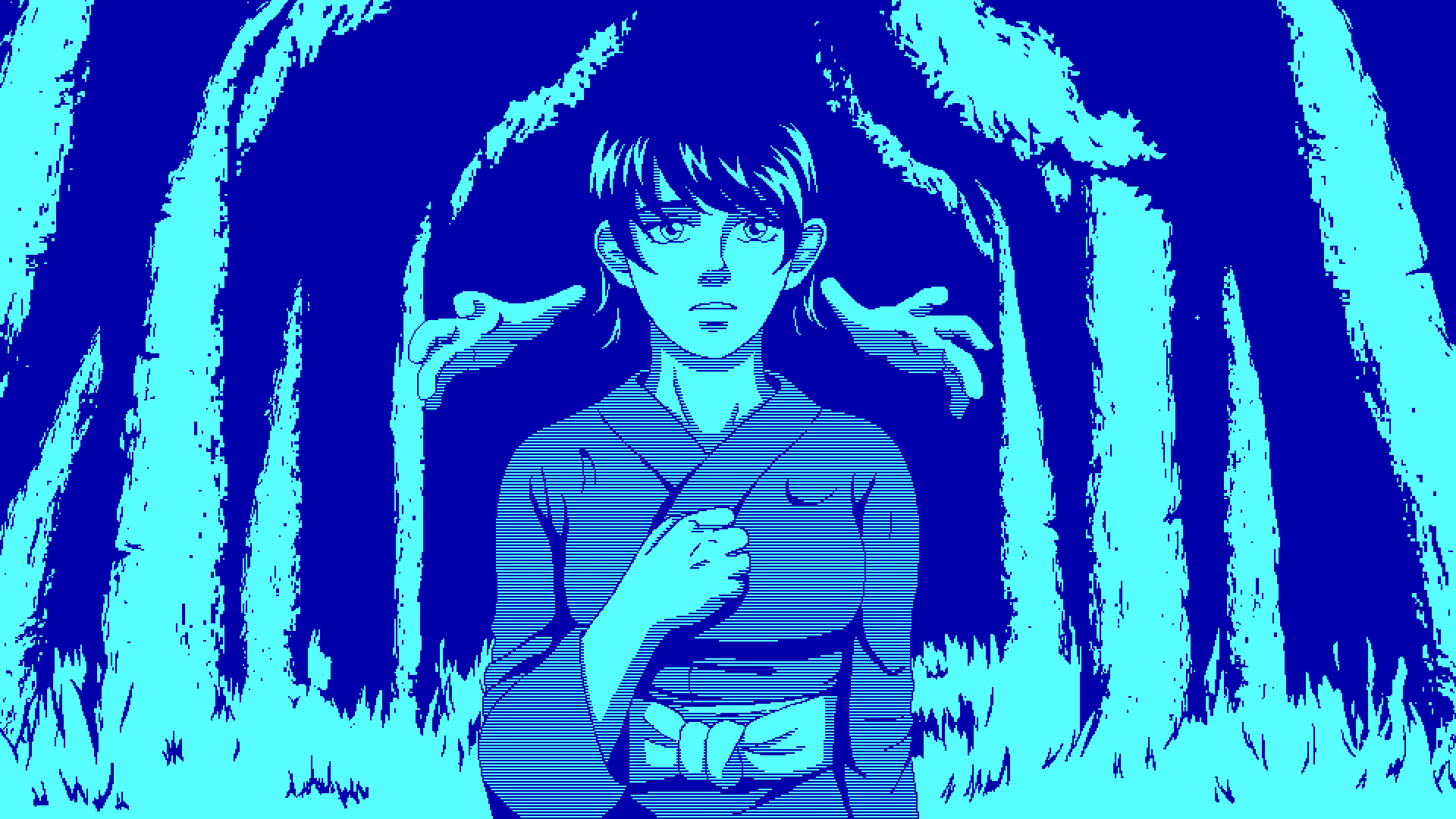
A significant aspect of Videoverse‘s appeal lies in its "tonally perfect art style that evokes 90s and 2000s anime without being cheesy." This visual aesthetic is not merely a stylistic choice but an integral component of the game’s thematic immersion. The pixel art, character designs, and user interface elements meticulously recreate the look and feel of the era, enhancing the sense of nostalgia while providing a clear visual language that supports the narrative. The expressive character sprites and detailed environmental art contribute significantly to the emotional depth of the storytelling, allowing players to connect with Emmett and his online acquaintances on a profound level. The visual design is reportedly as impressive as the writing, contributing equally to the game’s ability to transport players to a specific cultural moment and explore its inherent humanity. The game’s ability to capture the essence of a bygone digital era through both its narrative and visual presentation has garnered significant praise, establishing Kinmoku as a studio with a keen eye for thematic consistency and artistic execution.
Critical Acclaim and Cultural Impact
Upon its release, Videoverse received positive critical attention, particularly from indie game review outlets that lauded its authentic portrayal of early online communities and its thoughtful narrative. Its relevance is heightened in the contemporary era, where the impact of social media on society is a subject of constant debate. Videoverse offers a valuable historical perspective, prompting reflection on the foundational principles of online interaction and the subsequent shifts. It serves as a reminder of the potential for genuine connection that existed in these spaces and provides a gentle critique of what has been lost. The game’s success in navigating sensitive themes with care and delivering a resonant experience positions it as a significant contribution to narrative-driven independent games.
Mojiken Studio’s TEST TEST TEST: Psychological Intrigue
Mojiken Studio, an Indonesian-based developer, has consistently demonstrated a prowess for crafting emotionally resonant and visually distinctive narrative experiences. With TEST TEST TEST, the studio explores a darker, more unsettling tone, showcasing its versatility while maintaining its signature storytelling quality.

Mojiken’s Established Reputation
Mojiken Studio has garnered a dedicated following and critical acclaim for titles such as A Space for the Unbound, When the Past Was Around, and She and the Light Bearer. These games are characterized by their evocative hand-drawn art styles, deeply emotional narratives, and explorations of themes like grief, memory, and personal growth. Their consistent delivery of high-quality, heartfelt stories has established them as a prominent voice in the narrative adventure genre. Despite their consistent output of critically praised games, the original article notes a perception that Mojiken may not have received the broad notoriety they deserve, underscoring the ongoing challenge for indie studios to break into mainstream recognition. TEST TEST TEST represents a strategic shift in tone, potentially broadening their appeal while staying true to their narrative roots.
The Premise and Narrative Unfoldings
TEST TEST TEST is a short adventure game that places the player in the role of an individual testing new software for the enigmatic "Triquetra Consulting Firm." The firm’s ominous promise to "unlock human potential" immediately sets an unsettling tone, hinting at a narrative that will inevitably delve into ethical dilemmas and unforeseen consequences. As the player progresses, the seemingly innocuous software testing quickly unravels, revealing a darker, more sinister purpose. The storytelling in TEST TEST TEST is masterfully executed, leveraging environmental cues, subtle dialogue, and interactive elements to build tension and gradually reveal the sinister undercurrents of the corporate facade. The "inevitable wrongness" hinted at in the original description unfolds through psychological elements and a pervasive sense of unease, rather than overt horror. This familiar setup of corporate malevolence and technological overreach is expertly navigated, providing a compelling and disturbing experience that resonates with contemporary anxieties about technology and corporate ethics.
Art Style and Thematic Depth
Mojiken Studio’s distinctive art style, often characterized by its painterly qualities and expressive character designs, plays a crucial role in establishing the mood of TEST TEST TEST. While retaining a recognizable aesthetic, the visuals in this title lean into a more muted, sometimes distorted, palette that enhances the unsettling atmosphere. The game’s themes delve into the ethical boundaries of human augmentation, corporate control, and the potential for technology to be used for manipulative purposes. It prompts players to question the nature of progress and the true cost of "unlocking potential." The shift in tone for Mojiken, exploring psychological intrigue rather than purely emotional narratives, demonstrates the studio’s artistic maturity and willingness to experiment within their established framework. TEST TEST TEST stands as a testament to Mojiken’s ability to craft impactful narratives across a spectrum of emotional and thematic registers, reinforcing their position as a versatile and important studio in the independent game space.
The Enduring Appeal of Independent Games
The curation of Mr Platformer, Videoverse, and TEST TEST TEST by itch.io serves as a powerful reminder of the indispensable role independent games play in the broader gaming ecosystem. These titles, each distinct in their genre, aesthetic, and narrative approach, collectively showcase the innovation, artistic freedom, and diverse perspectives that flourish outside the constraints of mainstream development. Platforms like itch.io are not merely distribution channels but vital cultural spaces that nurture creative talent and connect unique artistic visions with eager audiences. In an era where players often face a deluge of similar-sounding titles, the carefully curated selections from itch.io offer meaningful alternatives, proving that compelling, thought-provoking, and deeply engaging experiences are consistently emerging from the independent sector. These games exemplify the continued evolution of the medium, challenging conventions and expanding the very definition of what a game can be.
About the Author