After a period marked by diminishing returns and extended upgrade cycles, the personal computing landscape is experiencing a significant shift towards compact, high-performance systems. This trend is exemplified by a recent comprehensive PC upgrade, highlighting a renewed focus on miniaturization and efficiency rather than sheer size, signaling a potential new direction for enthusiast-grade hardware. The upgrade, undertaken by a prominent technology blogger after a five-year hiatus from a major system overhaul, underscores an industry-wide sentiment that traditional PC upgrades had become "really boring," prompting a re-evaluation of what constitutes a compelling system enhancement.
Historical Context: The Evolving PC Landscape
For many years, the personal computer market was characterized by a relentless pursuit of raw speed and increasing physical dimensions to accommodate more powerful, and often hotter, components. However, beginning in the mid-2010s, a deceleration in CPU clock speed increases and a maturation of core technologies led to longer upgrade cycles. Users found less compelling reasons to frequently replace their systems, as older hardware remained sufficiently powerful for common tasks. This phenomenon was famously articulated with the sentiment that "the PC is over," suggesting that the era of dramatic, year-over-year performance leaps had largely concluded.

This period of relative stagnation, however, also fostered innovation in other areas. While raw computational power continued to advance, albeit at a less breakneck pace, the focus began to shift towards efficiency, acoustics, and form factor. The idea of packing maximum performance into the smallest possible footprint started to gain traction among enthusiasts and manufacturers alike. This laid the groundwork for the burgeoning Small Form Factor (SFF) PC market, particularly around the Mini-ITX standard, which has seen remarkable growth and technological refinement in recent years. The author’s personal journey, maintaining the same PC case since 2011 and a major upgrade only in 2015, mirrors this broader industry trend of prolonged system lifespans before a compelling reason to upgrade emerges. The decision to embark on a full system overhaul after half a decade reflects a convergence of sufficient technological advancements and the allure of a new design philosophy.
The Mini-ITX Revolution: Power in a Petite Package
The current wave of PC innovation is increasingly centered on maximizing power within minimum physical constraints. The Mini-ITX motherboard standard, with its compact 170x170mm dimensions, has become the cornerstone of this movement. Paired with ingeniously designed SFF cases, these systems challenge the notion that high-end performance requires a bulky tower. The objective is clear: deliver workstation-grade power or high-fidelity gaming experiences in a chassis that can easily blend into any environment, from a minimalist desk setup to a living room media center.
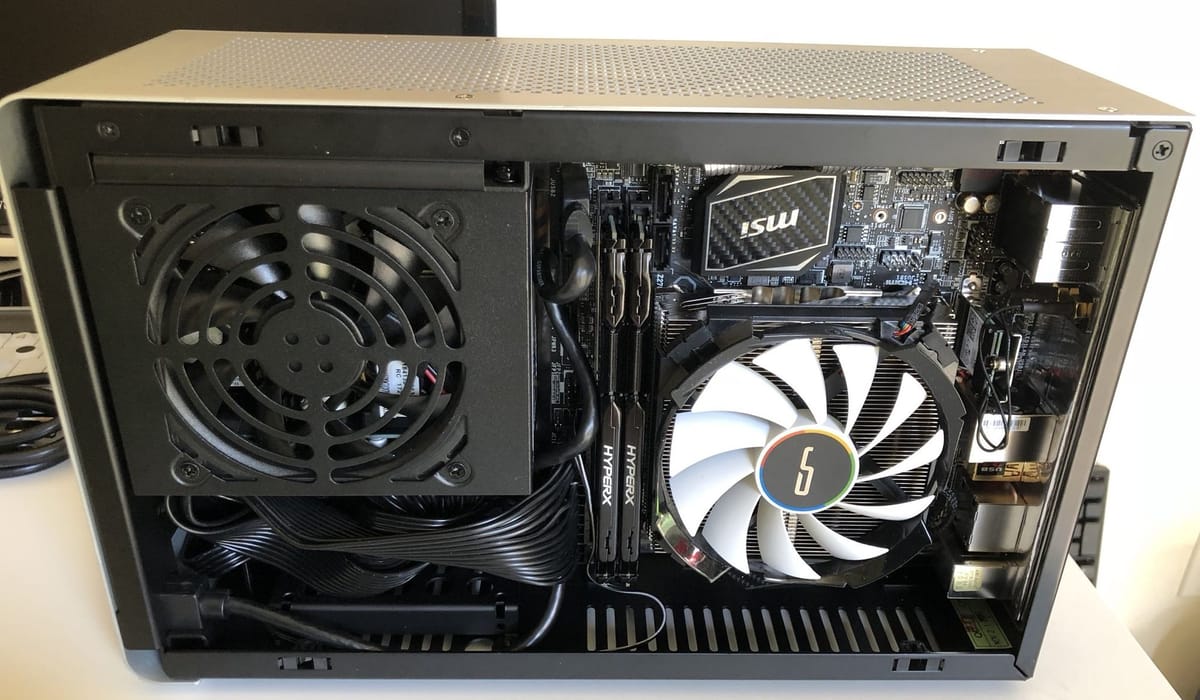
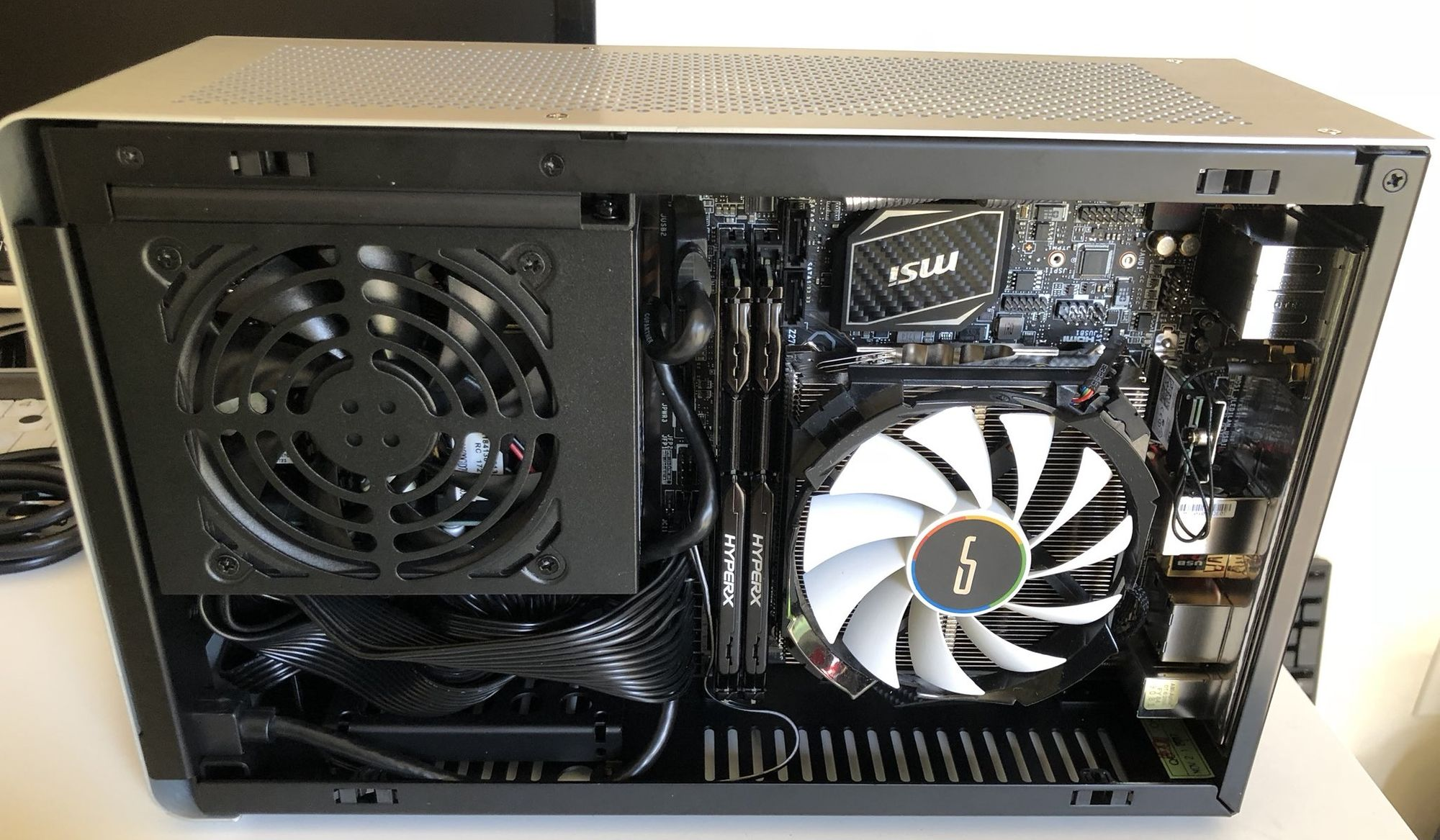
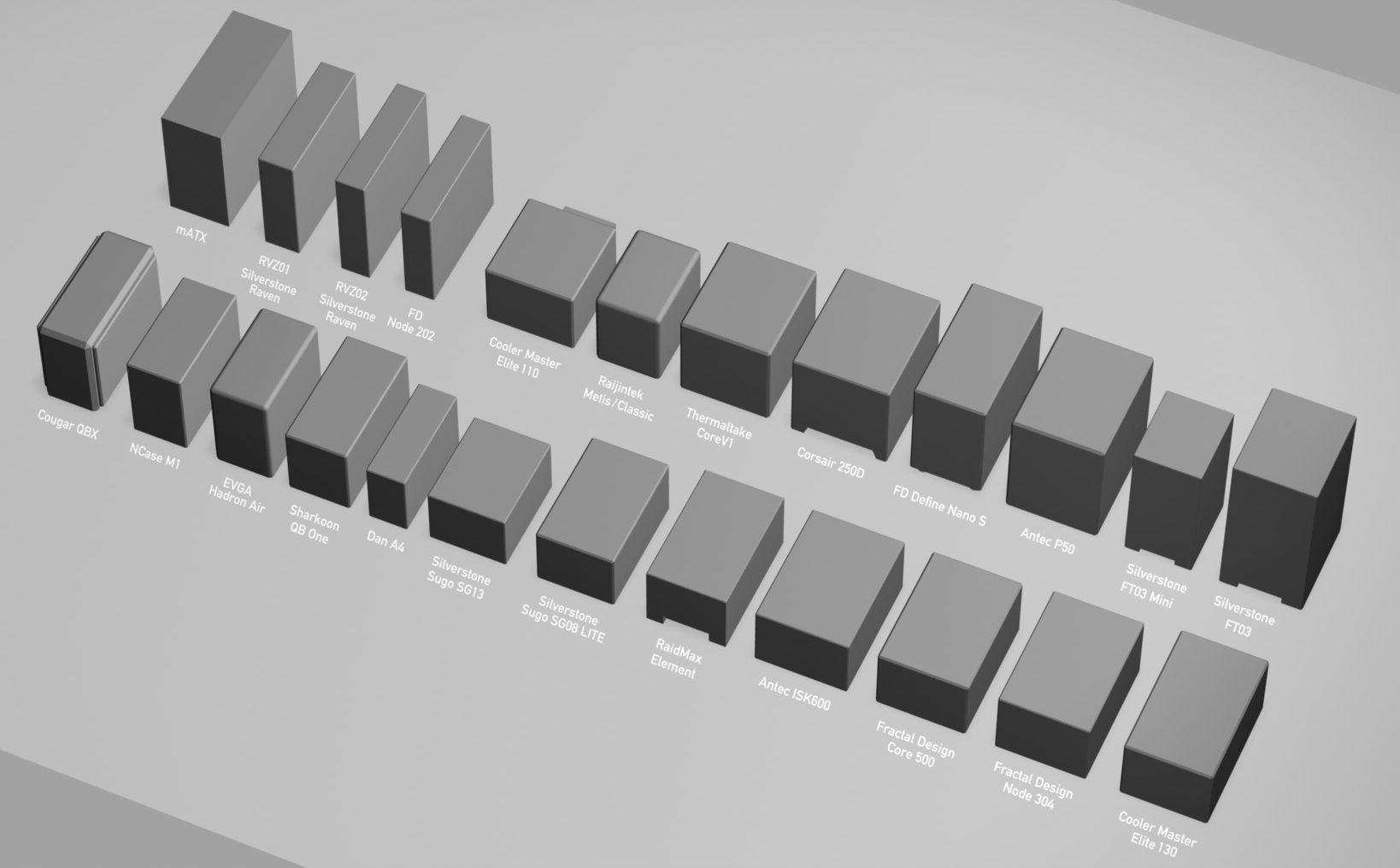
Two leading examples of this design philosophy are the Dan A4 SFX and the Streacom DA2 cases. The Dan A4 SFX, renowned for its extremely compact 7.3-liter volume, represents the pinnacle of miniaturization for standard Mini-ITX components. To put this into perspective, its volume is only about 50% larger than a PlayStation 4 Pro (5.3 liters) or an Xbox One S (4.3 liters), yet it’s capable of housing significantly more powerful, discrete PC components. This level of compression necessitates meticulous engineering, often requiring specialized components like SFX power supplies and low-profile CPU coolers, and a precise assembly process. Its design prioritizes absolute minimal footprint, making it a favorite for those seeking the smallest possible high-performance desktop.
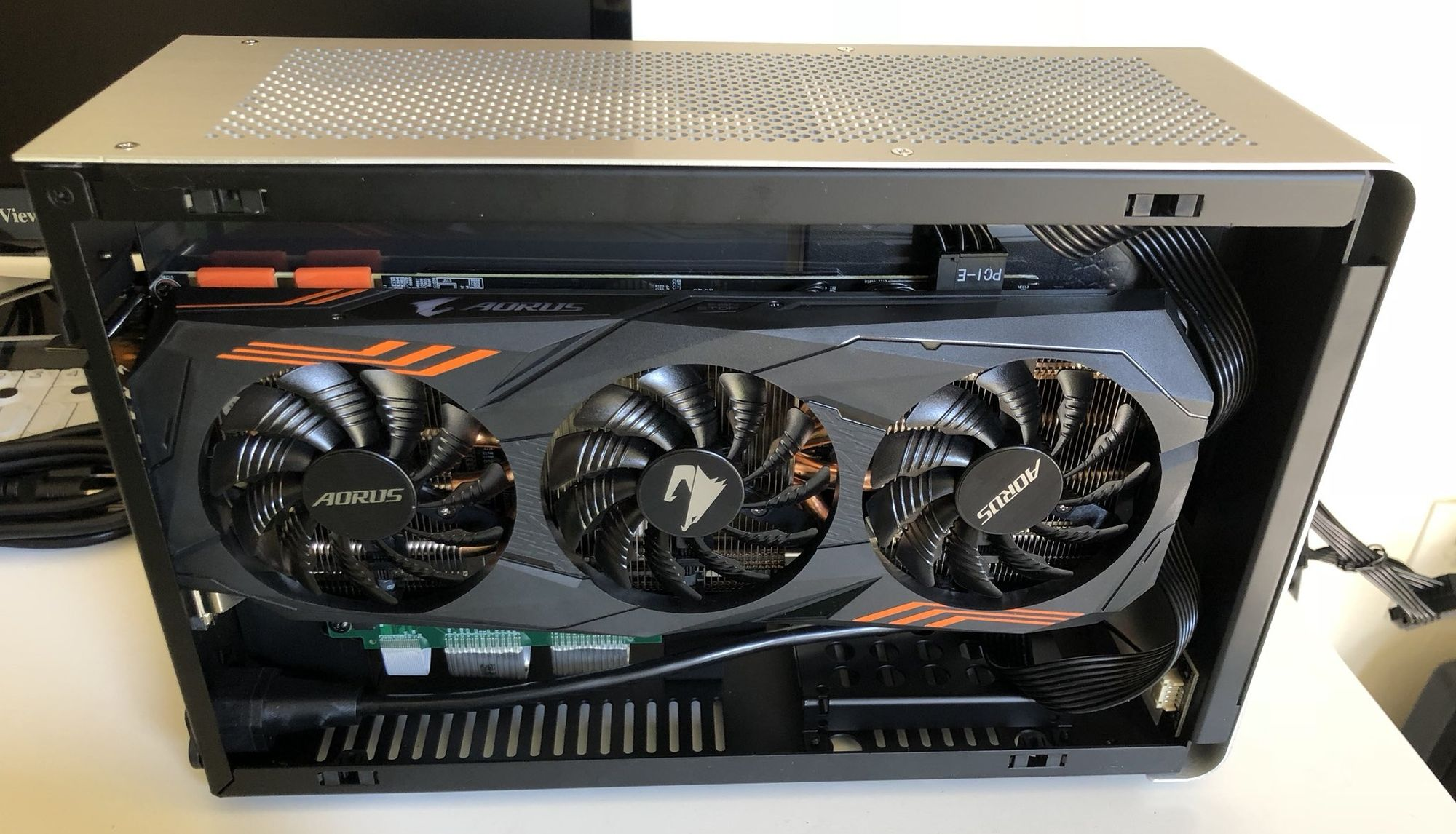
The Streacom DA2, while larger at 17.5 liters, offers a different approach. It balances compact dimensions with greater internal flexibility, particularly for cooling and component compatibility. Its larger volume, compared to the A4 SFX, allows for more robust air cooling solutions and potentially larger graphics cards, addressing some of the inherent thermal challenges of ultra-compact builds. Other notable SFF cases, like the Silverstone RVZ02/ML08 (12.2 liters) and the nCase M1 (12.6 liters), also demonstrate the diverse range of solutions available in the sub-20-liter category, each with its own trade-offs in terms of size, compatibility, and thermal performance. The increasing variety and sophistication of these cases underscore the growing demand for powerful, yet discreet, computing solutions.
Case Study: The Streacom DA2 Build
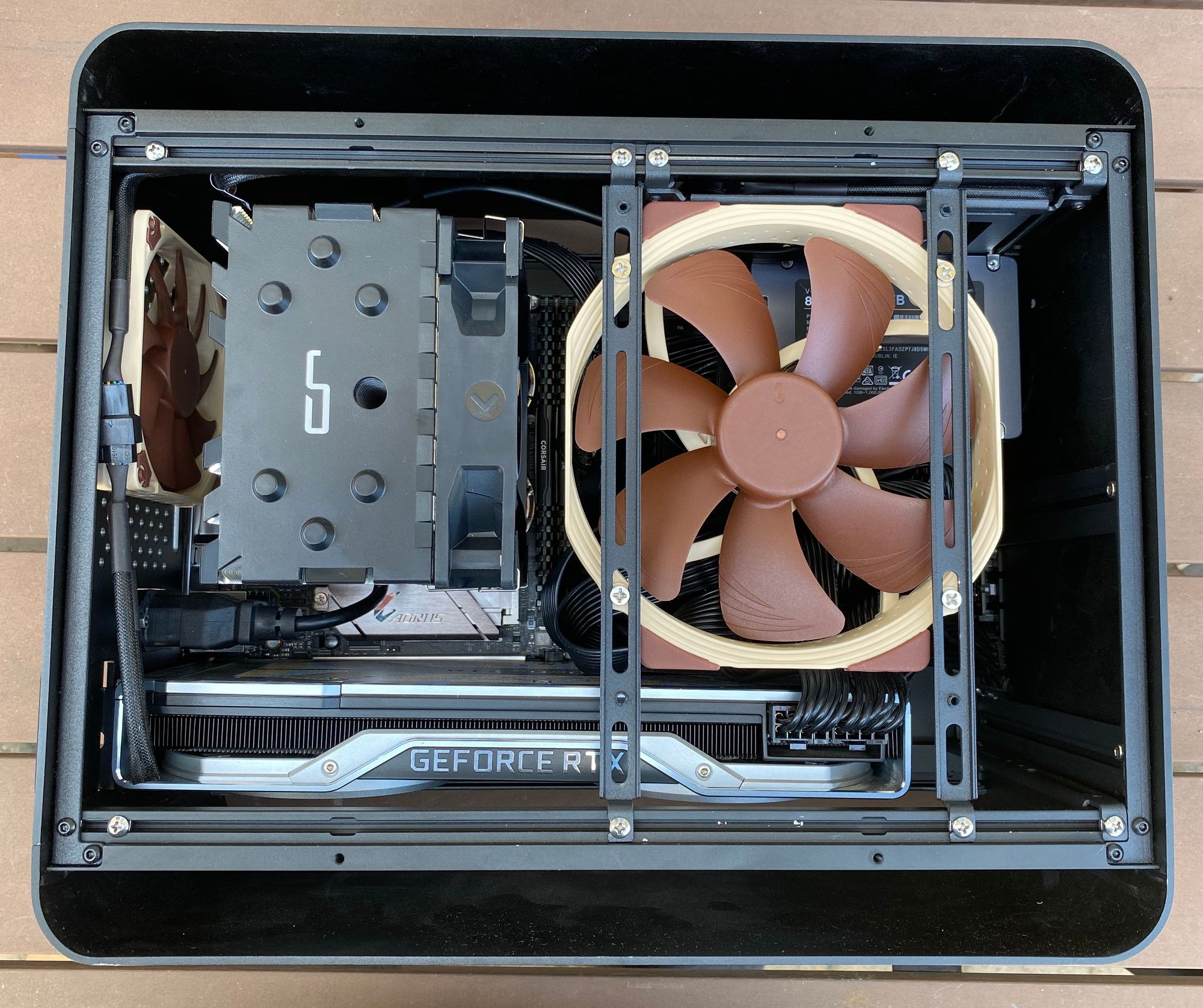
For the recent upgrade, the Streacom DA2 was selected as the preferred chassis, a decision influenced by the need for robust thermal management given the intention to house extremely powerful components. The chosen hardware configuration represents a substantial leap from the author’s previous 2015-2017 system, which featured an overclocked Intel i7-7700K processor. The new build includes:
- CPU: A high-end processor offering double the core count (and faster Instruction Per Cycle, or IPC, performance) compared to the i7-7700K, significantly boosting multi-threaded application performance and overall system responsiveness.
- Memory: 64GB of RAM, doubling the previous system’s capacity, which is crucial for demanding applications, large datasets, and virtual machine environments.
- Storage: Two M.2 NVMe SSD slots, providing increased storage flexibility and potentially faster data access compared to the single M.2 slot of the older system.
This upgrade strategy reflects a broader industry trend where CPU core counts have become a primary vector for performance improvement, complemented by advancements in memory density and ultra-fast NVMe storage. The performance increase is not merely incremental; it is a generational leap designed to handle contemporary and future computing demands, from intensive software development and content creation to high-fidelity gaming.
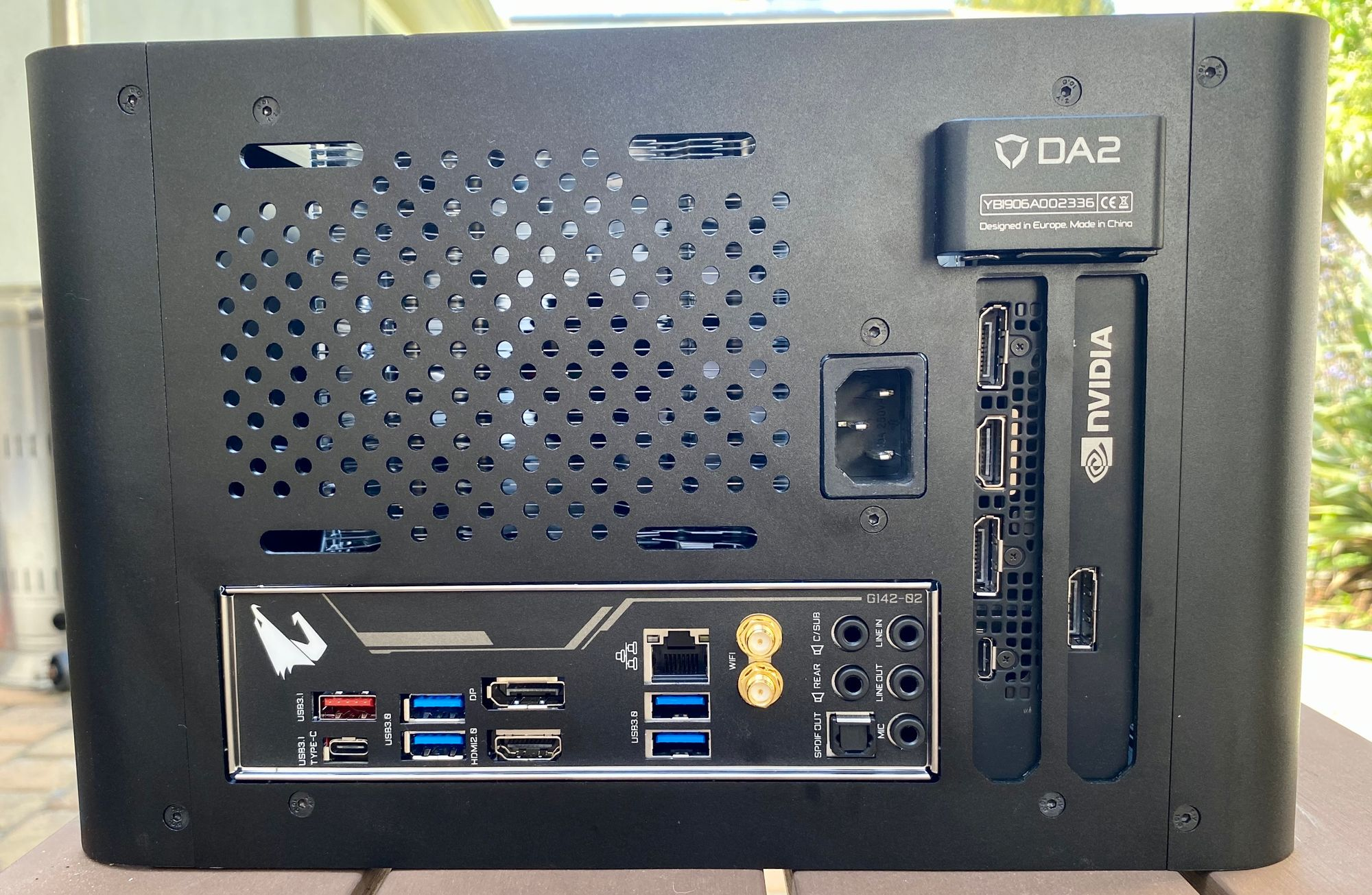
Engineering for Compactness: Design and Thermal Management
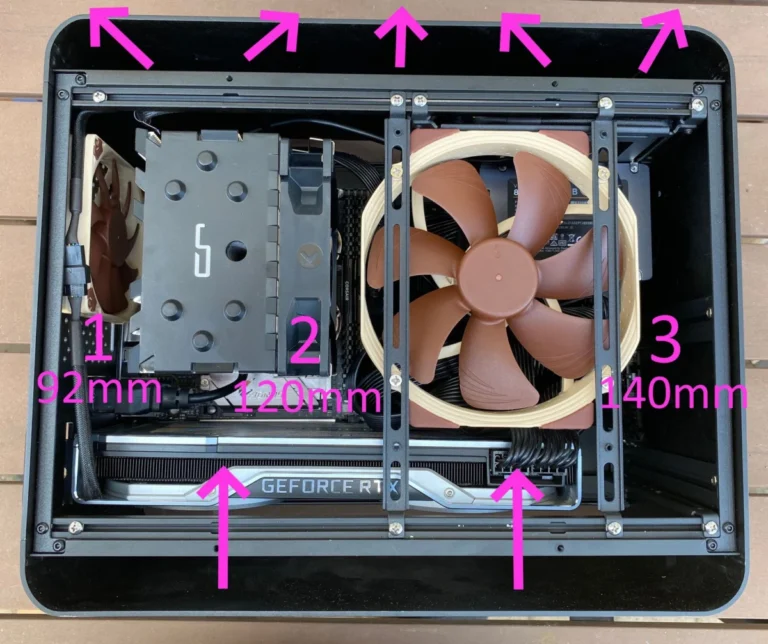
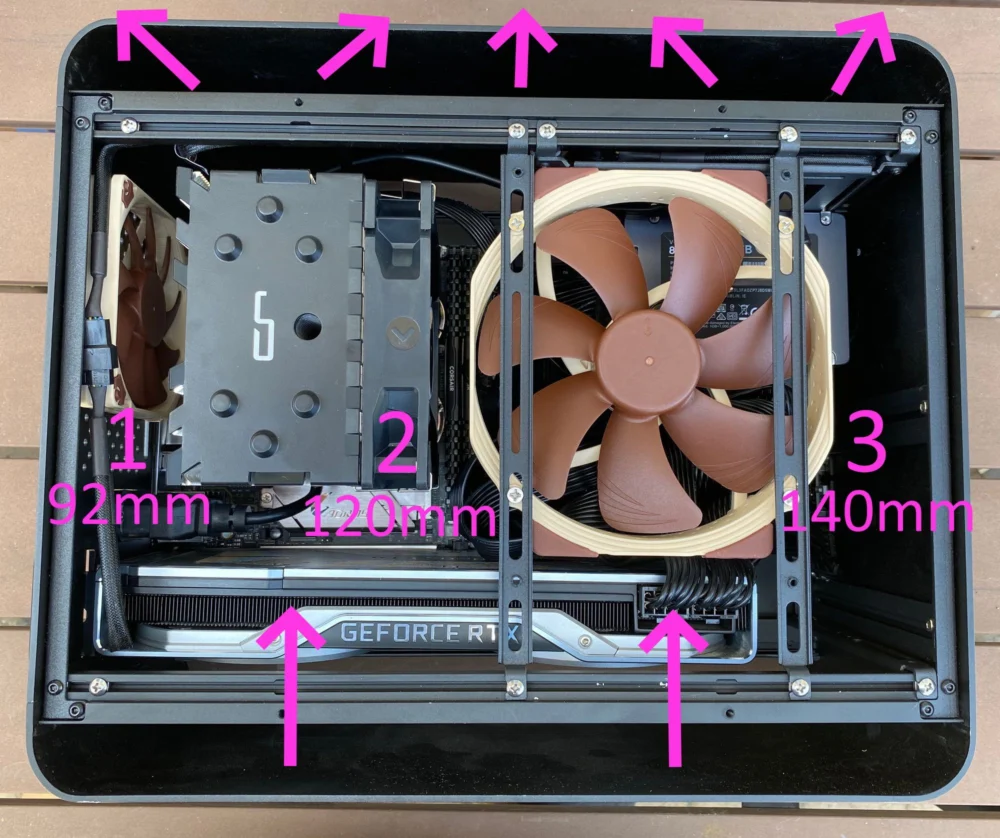
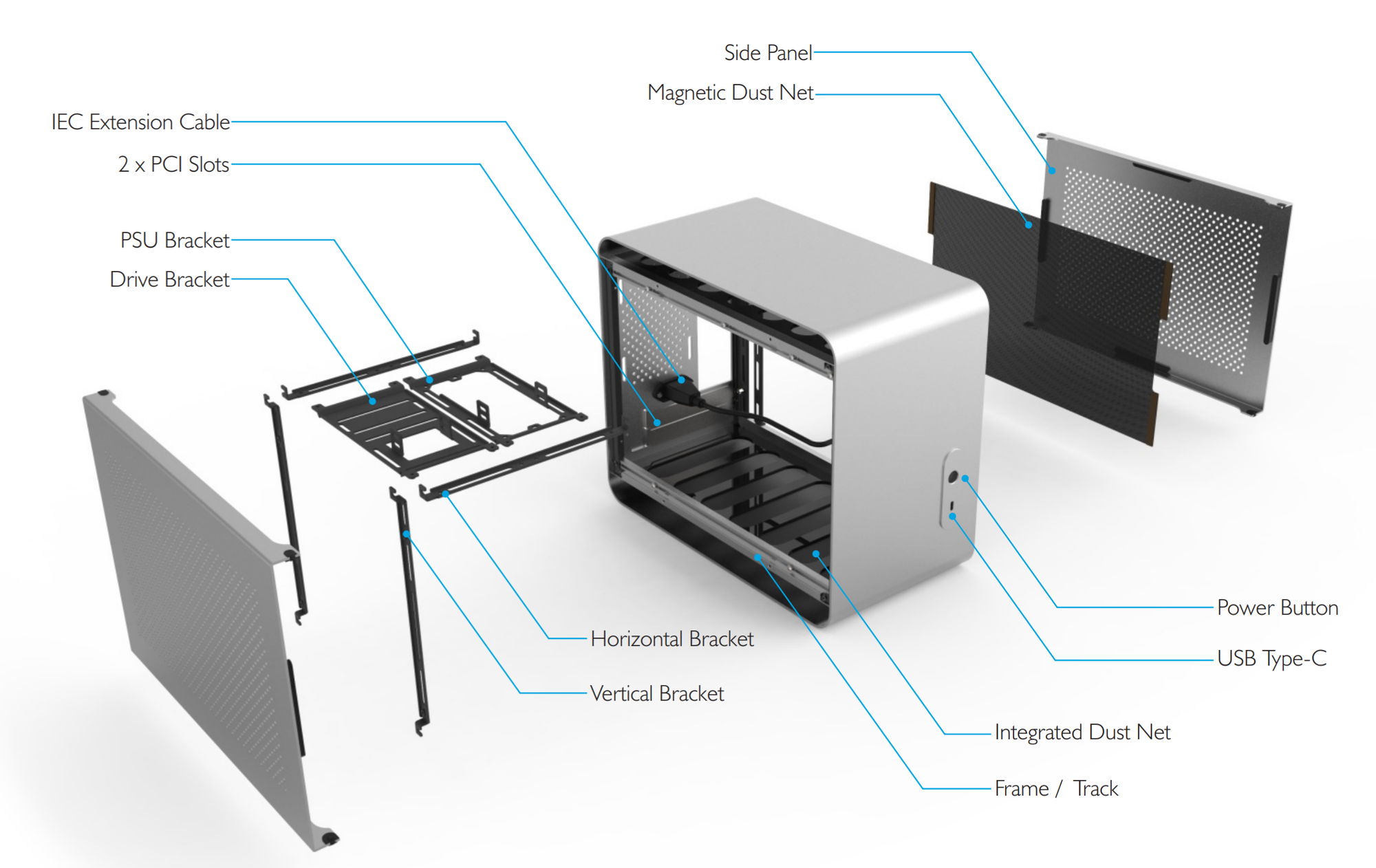
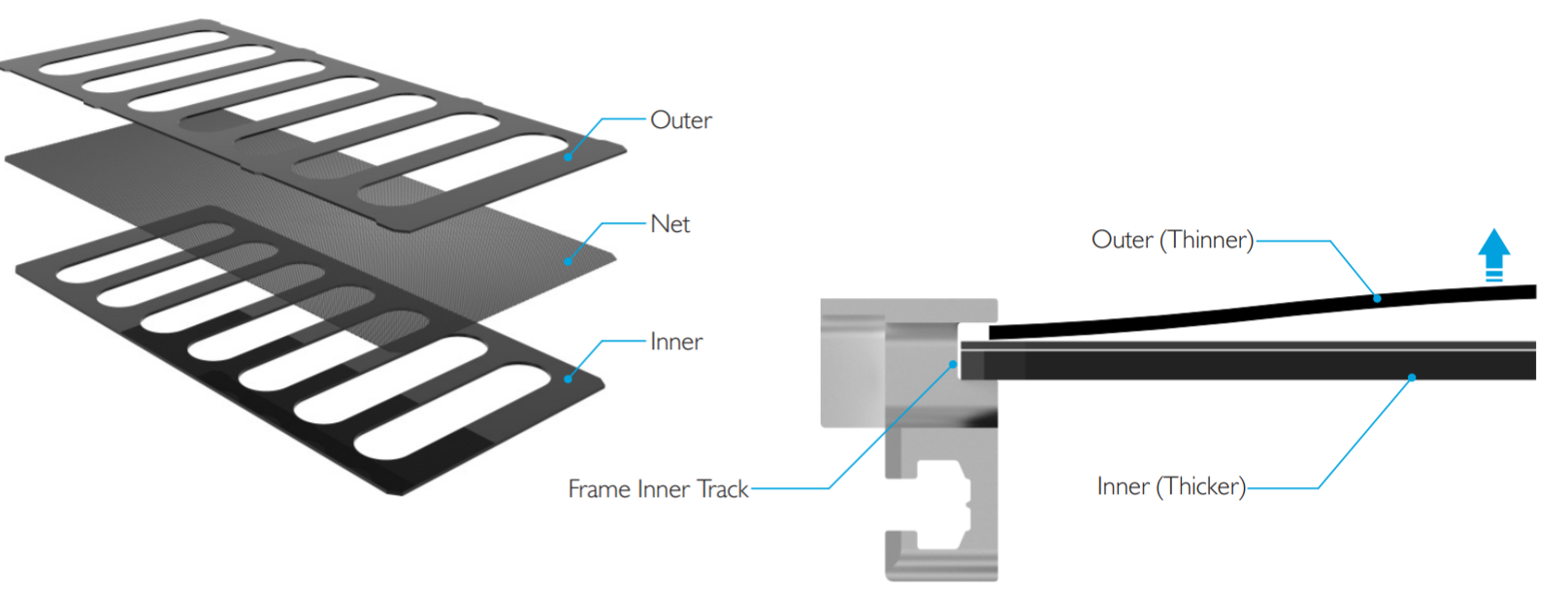
The Streacom DA2’s appeal lies in its "maximum power in minimum size" ethos, facilitated by a clever hybrid open-air design and a highly versatile internal bracket system. Unlike many SFF cases that might be restrictive, the DA2’s top and bottom panels feature a mesh dust net that can be easily removed, transforming the case into a more open-air configuration. This design choice is critical for thermal performance, especially considering the front panel of the DA2 is completely solid, offering no direct airflow intake. Testing revealed "dramatically better temperatures" when these panels were removed, allowing the system to "fully breathe."
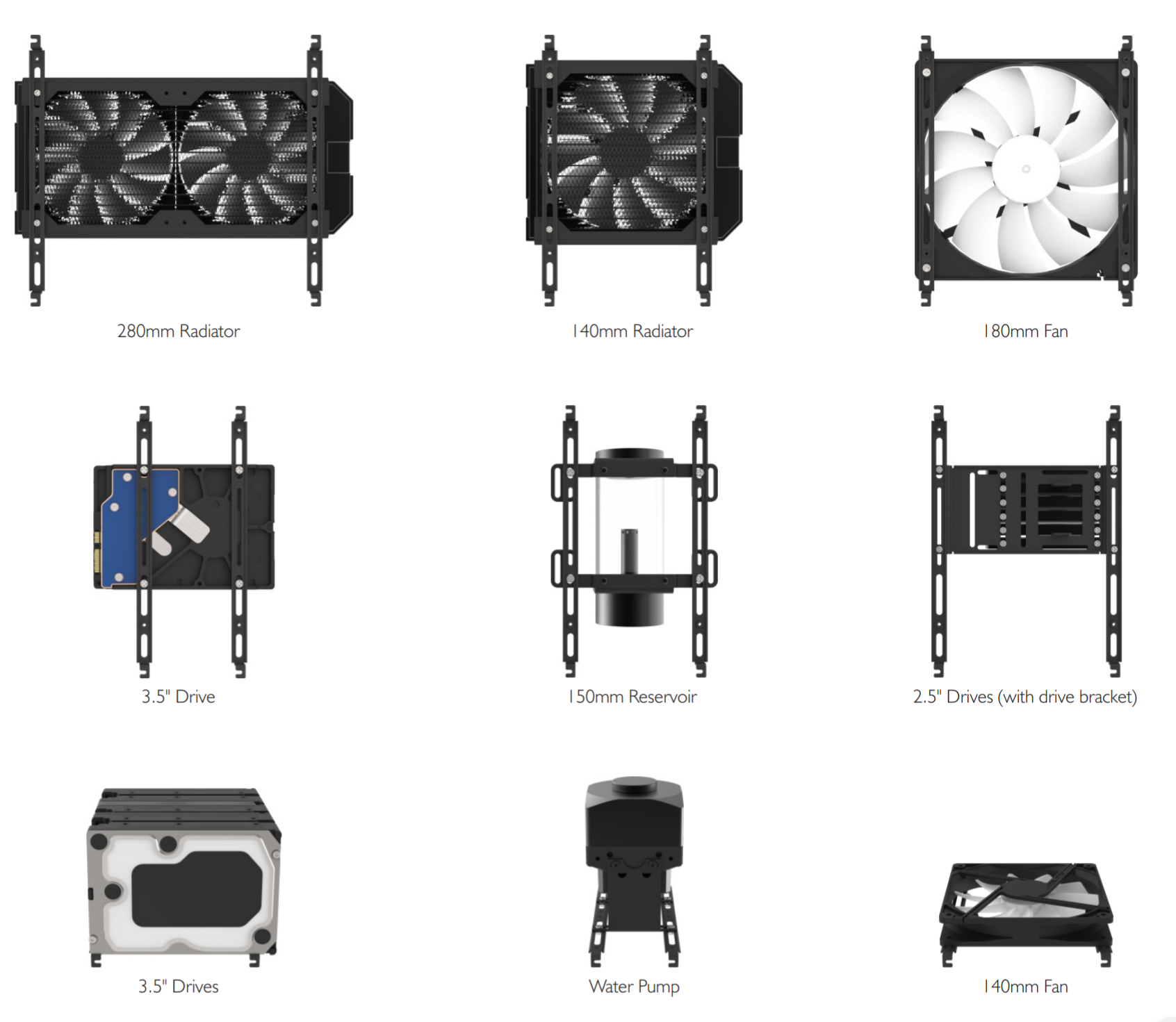
The internal architecture is equally innovative. The DA2 incorporates a unique horizontal and vertical bracket system, detailed in its manual, which offers unparalleled flexibility for component mounting. This system utilizes a captured nut and bolt design, making adjustments and component installation significantly easier compared to traditional fixed mounting points. This adaptability is vital in SFF builds where every millimeter counts, allowing users to optimize component placement for airflow, cable management, and cooler compatibility.
The recommended fan configuration for the Streacom DA2, particularly for air-cooled systems, involves three fans with the top and bottom panels open for maximum airflow. This setup is crucial for dissipating the heat generated by powerful CPUs and GPUs, ensuring stable operation under load. For enthusiasts who prefer liquid cooling, the 140mm fan space can be repurposed for a radiator, although this comes with its own considerations. While the author, citing past "traumatic cooling fluid leaks," opts for air cooling, the provision for liquid cooling highlights the case’s versatility in accommodating different cooling philosophies.
Challenges and Considerations in SFF Builds
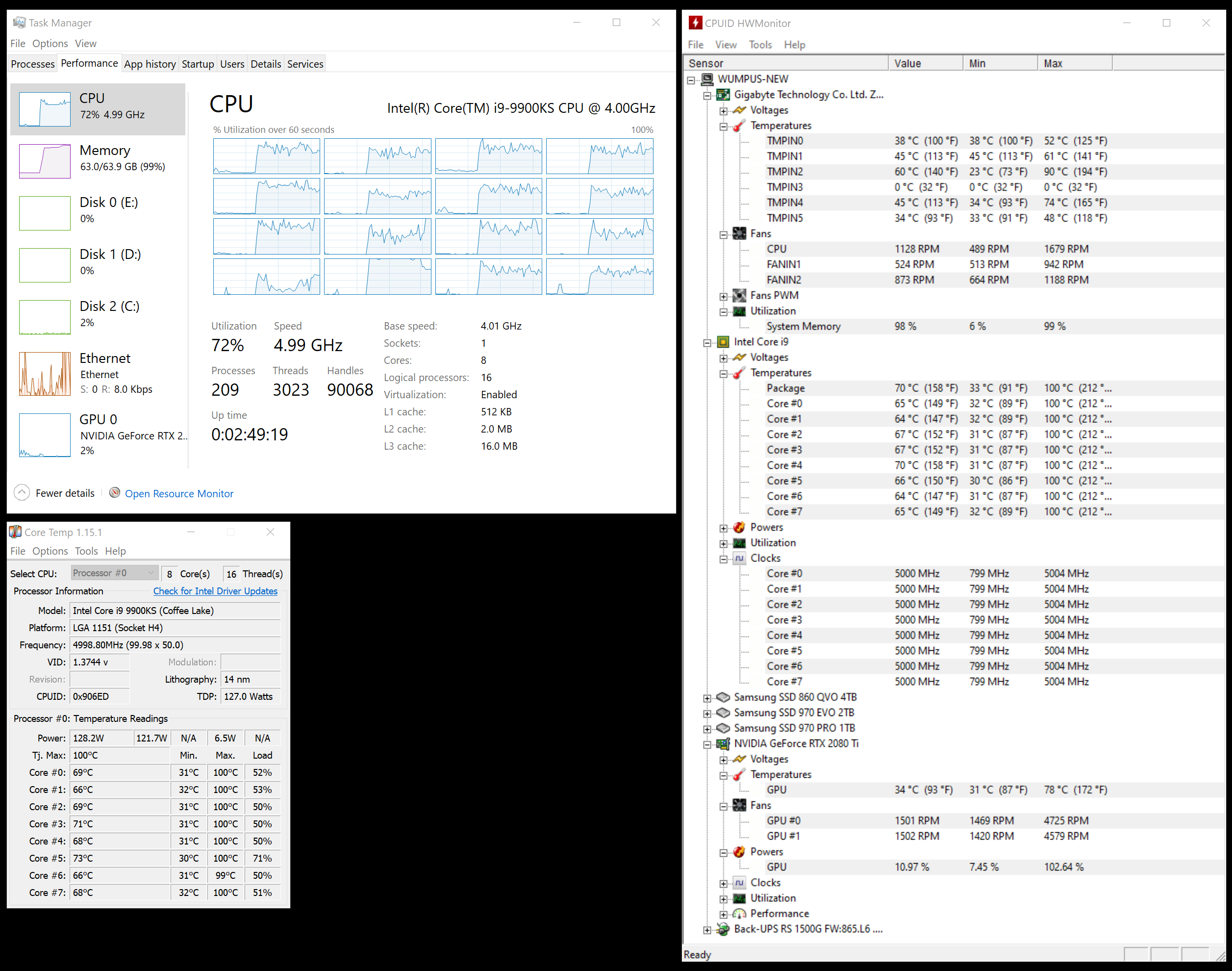
Despite the undeniable appeal of SFF PCs, they present unique challenges that builders must navigate. Thermal management stands out as the most critical. Cramming high-power components into a confined space inevitably leads to higher internal temperatures. While effective air cooling solutions exist, pushing the limits with top-tier CPUs and GPUs in an SFF case often necessitates careful component selection, intelligent fan configurations, and potentially a willingness to explore liquid cooling for sustained heavy workloads. The author’s rigorous "burn-in testing" underscores the importance of validating stability under load, especially in thermally constrained environments. If a system is expected to operate under continuous full CPU and GPU loads, liquid cooling or slightly less powerful components might become necessary compromises.
Component compatibility is another significant consideration. SFF cases typically demand specific form factors for power supplies (SFX or SFX-L), CPU coolers (low-profile designs or specific AIO liquid coolers), and sometimes even graphics cards (shorter length or specific blower-style designs). This limits the choice of components compared to standard ATX builds, often leading to higher costs for specialized SFF parts. Cable management, while less of a thermal concern with modern cases, can also be more intricate due to the tight clearances.
However, advancements in component efficiency have significantly eased these challenges. Modern CPUs and GPUs deliver more performance per watt, meaning less heat is generated for equivalent or even superior processing power compared to previous generations. This efficiency, coupled with sophisticated SFF case designs, makes high-performance compact builds more feasible and accessible than ever before. The overall PC building process itself has also become streamlined. With M.2 drives, memory, CPU, and cooler often being the primary components installed directly onto the motherboard before it’s even placed in the case, much of the complexity has been reduced, making SFF builds more approachable for experienced builders and even adventurous newcomers.
Industry Outlook: The Future of PC Form Factors
The trend towards powerful, compact PCs is not a niche phenomenon but a significant direction for the industry. It reflects a maturation of PC hardware, where raw speed is no longer the sole differentiator, and user experience, aesthetics, and space efficiency are gaining prominence. The volumetric comparison with modern gaming consoles, where a custom-built SFF PC can offer "considerably more than 2x the power" for only about 50% more volume, highlights the impressive engineering achievements in this space. This makes SFF PCs increasingly attractive not just for enthusiasts, but also for professional users who require powerful workstations without the footprint of a traditional tower.
The proliferation of innovative compact Mini-ITX designs, such as the "Motif Monument" and many others emerging from boutique manufacturers and community-driven projects, indicates a vibrant and evolving market. These designs often push the boundaries of what is possible, experimenting with unique layouts and cooling strategies. This ongoing innovation suggests that "packing all that power into less than 20 liters of space" is becoming the primary innovation frontier in PC building for the foreseeable future.
In conclusion, the era of the oversized, conventional PC tower may not be "over," but it is certainly being challenged by a powerful new wave of miniaturization. The ability to build a high-performance system that rivals or surpasses larger desktops, all within the confines of a compact and aesthetically pleasing chassis, represents a significant evolution in personal computing. This shift not only offers practical benefits in terms of space and portability but also injects a renewed sense of excitement and engineering ingenuity into the PC hardware market, ensuring its continued relevance and evolution.
About the Author