In a significant move signalling a re-evaluation of creative priorities and community engagement, veteran indie game designer Keith Burgun announced the unpublishing of his long-standing Patreon page. The decision, articulated in a recent statement, marks a pivotal shift in Burgun’s professional and personal trajectory, moving away from the direct, patron-supported model for game development towards a renewed focus on music and the cultivation of in-person communities in Brooklyn. This transition underscores broader challenges faced by independent creators in a saturated digital landscape and highlights a growing desire for tangible, local connections.
A Decade and a Half of Digital Creation: The Patreon Chapter Closes
Burgun’s Patreon page, a cornerstone of his direct-to-audience funding model for years, was officially taken offline, concluding a chapter that saw unwavering support from a dedicated fanbase, some of whom have followed his work for as long as 15 years. The designer expressed profound gratitude for this long-term loyalty, acknowledging the deep meaning of such enduring support in the volatile world of independent creation. However, the decision to unpublish was driven by an internal imperative: a growing anxiety stemming from the perceived inability to consistently deliver "new cool stuff" that would justify patrons’ financial contributions.
This candid admission sheds light on the often-unseen pressures inherent in the patron-supported model. While platforms like Patreon have democratized funding for artists, they also impose an implicit, continuous obligation to produce and engage, which can lead to creative burnout and psychological strain. Burgun articulated this precisely, stating that even if patrons were content to be "generous awesome people" without demanding constant new content, the internal pressure he felt became unsustainable. The designer noted that the option to relaunch the Patreon in the future remains open should circumstances change, indicating that this is a strategic pause rather than an absolute severance from the model.
Re-evaluating a Career: The Indie Game Landscape and Unfunded Ambitions
The unpublishing of the Patreon is the culmination of a more extensive period of introspection for Burgun, spanning the last six months to two years, during which he has undergone significant life changes and re-evaluated his core values, time allocation, and energy focus. For much of his career, Burgun has been a prominent voice in indie game design, known for his distinctive approach and contributions to the field. However, his reflections revealed a sense of having achieved much of what he set out to do within the constraints of self-funded, independent development.
The statement touched upon the perennial challenge for indie developers: the struggle for financial viability and sustainable player bases. Burgun mused that greater commercial success might have incentivized him to remain solely focused on game development. This sentiment resonates with a significant portion of the indie game community, where passion often outweighs financial reward. According to various industry reports, the indie game market, while vibrant, is fiercely competitive. A 2023 survey by the Game Developers Conference found that only a minority of indie developers achieve significant financial success, with many struggling to break even. The sheer volume of new titles released annually across platforms like Steam, Itch.io, and mobile stores means that visibility and monetization are increasingly difficult, often requiring substantial marketing budgets that small studios or solo developers lack.
Burgun specifically mentioned his ambition to create "Through Broken Land," an RPG, implying that while the desire remains, the practicalities of developing such a large-scale project without external funding are daunting. The "unfunded" aspect is critical, as it delineates a boundary for what a single creator can achieve. This speaks to a broader industry trend where even critically acclaimed indie titles can struggle to convert praise into sustainable revenue, forcing creators to constantly balance artistic vision with economic reality.
A New Creative Horizon: The Allure of Music and Physical Community
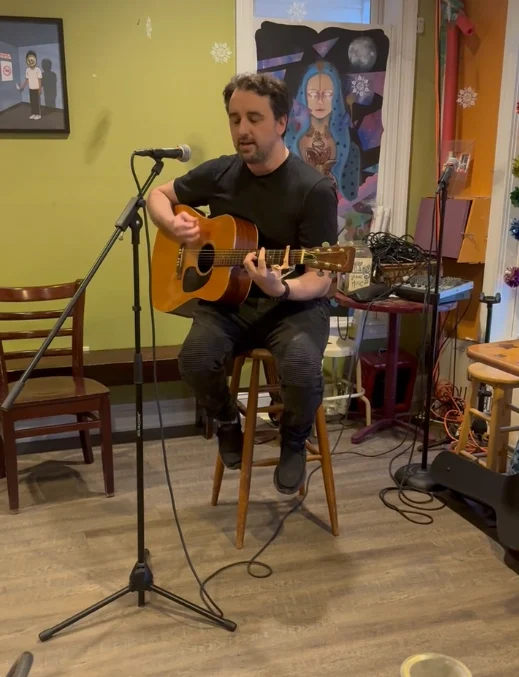
Paradoxically, Burgun’s shift in focus is not towards a financially more secure creative field. Instead, he is pivoting to music, an industry notoriously challenging for independent artists. With a background in music from his teens and twenties, including experiences playing to "completely empty bars," Burgun harbors "absolutely NO illusions" about the financial prospects of this new venture. This candid acknowledgment highlights that the motivation for this shift is profoundly intrinsic, driven by factors beyond monetary gain.
The core differentiator, as Burgun perceives it, lies in the nature of community. His studies in politics and sociology have increasingly informed his perspective on the limitations of purely online communities. For years, his strategy included building an online community, primarily through Discord and other social media platforms like Twitter and Facebook. While he expressed genuine affection for his existing "kbgames discord community" and affirmed his commitment to continued engagement, he made a crucial distinction: "it’s just not the same." The digital realm, despite its global reach, often lacks the tangible, immediate, and spontaneous interactions characteristic of physical, in-person communities. Burgun’s experience of being "physically isolated in a very woodsy Westchester location, far from any community events or other like-minded creative types" further amplified this realization.
The Brooklyn Relocation: Seeking Tangible Connection and Artistic Immersion
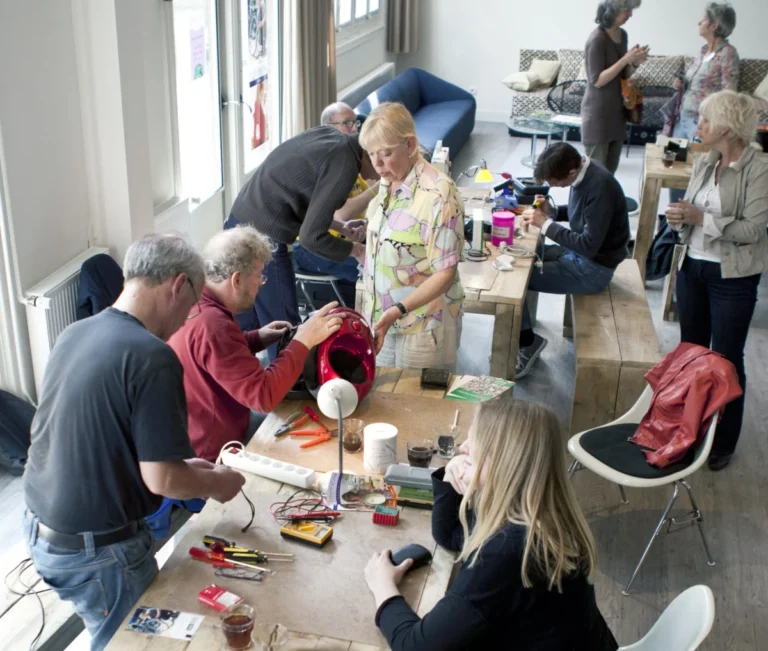
This profound understanding of community has culminated in a significant geographical relocation: Burgun is moving back to Brooklyn. This move is not merely a change of address but a deliberate strategic decision to immerse himself in a vibrant, physically present artistic ecosystem. Brooklyn, renowned for its dynamic cultural scene, offers a rich tapestry of venues and opportunities for creative engagement: bars hosting live music, eclectic thrift stores, bustling coffee shops, open mic nights, and a plethora of community events.
His new "game plan" is to "dive head first into all of that." The stated ambitions are not financial – indeed, he anticipates financial losses – nor are they focused on cultivating a new fanbase in the traditional sense. Instead, the singular, overriding ambition is "being a part of a community, a real, physical community." This desire for genuine connection, for the serendipitous encounters and shared experiences that physical spaces afford, stands in stark contrast to the often-curated and somewhat detached nature of online interactions. This move reflects a broader trend among some artists and individuals seeking to counterbalance the pervasive digital presence in their lives by re-engaging with local, tangible environments.
Broader Implications: The Evolving Creative Economy and the Value of Physical Spaces
Keith Burgun’s journey reflects a microcosm of the evolving challenges and aspirations within the broader creative economy. His decision to unpublish a successful Patreon, despite its long history of support, underscores the increasing psychological toll of maintaining a continuous output stream in the direct-to-consumer model. As the creator economy matures, discussions around creator burnout, mental health, and the sustainability of platform-dependent careers are becoming more prevalent. Many creators are seeking models that offer greater autonomy, less pressure, and a more fulfilling personal experience, even if it means foregoing potential income.
Furthermore, Burgun’s emphasis on the distinction between digital and physical communities touches upon a critical sociological debate. While online platforms have undeniably facilitated global connections and niche interest groups, they often struggle to replicate the depth, spontaneity, and sense of belonging found in face-to-face interactions. The COVID-19 pandemic, which forced widespread digital interaction, inadvertently highlighted the irreplaceable value of physical spaces and local communities for human well-being and creative collaboration. Burgun’s move to Brooklyn represents a deliberate choice to prioritize these physical interactions, suggesting a potential counter-trend to the hyper-digitization of creative work. It posits that true community, for some, remains fundamentally rooted in shared physical space and direct human engagement.
Continuing Engagement with Game Design: A Restructured Role
While the focus is shifting, Burgun is not abandoning game design entirely. He affirmed that his day job will continue to involve professional game design, ensuring his ongoing connection to the industry. Moreover, his personal engagement with game creation will persist, albeit in a different capacity. He mentioned "a couple of little card game prototypes" he is developing, with the possibility of releasing one and creating a Tabletop Simulator (TTS) module once he is more settled.
The beloved Discord community will also remain active, serving as a hub for continued interaction. Burgun expressed enthusiasm for organizing "game design book clubs, game jams, and occasionally streaming games," maintaining a connection with his long-time followers and fostering a space for collaborative creative exploration. This balanced approach suggests a desire to continue contributing to the game design world in a way that aligns with his renewed priorities, free from the specific pressures of a patron-supported independent development cycle.
In conclusion, Keith Burgun’s decision to unpublish his Patreon and reorient his creative life towards music and physical community in Brooklyn is a deeply personal yet universally resonant narrative. It speaks to the pressures of the modern creator economy, the intrinsic human need for genuine community, and the ongoing quest for artistic fulfillment beyond purely commercial metrics. His journey will undoubtedly be watched closely by those within the indie game and broader creative communities, offering a poignant example of navigating the complexities of a creative career in the 21st century. Followers can continue to track his evolving work on platforms like BlueSky and Twitter, as well as his new musical endeavors via his BandCamp page.
About the Author