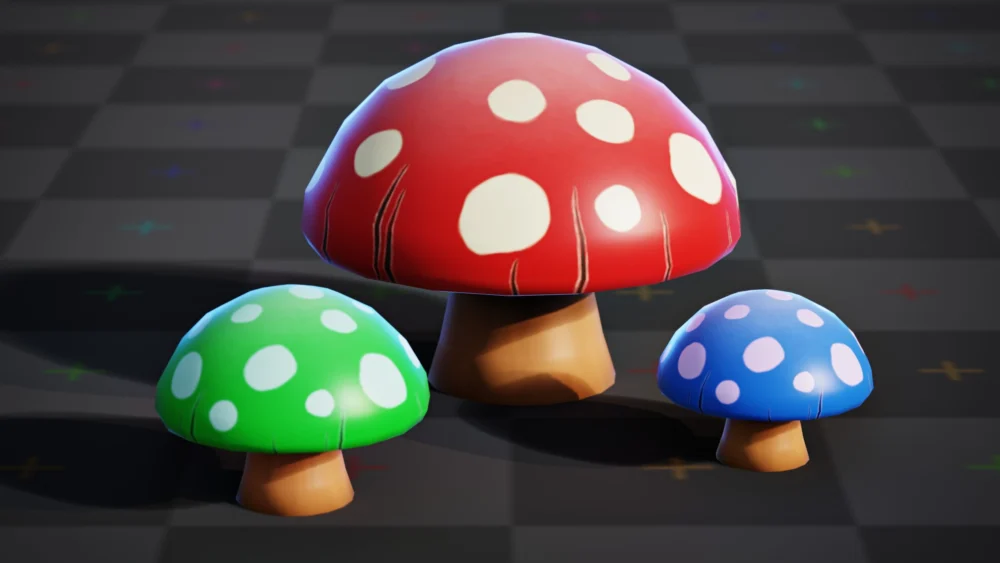
In a recent development within the 3D modeling and digital art community, artist and content creator Ryan King has released a comprehensive video tutorial detailing the process of creating stylized, low-poly, hand-painted mushrooms using Blender. The tutorial, made available on March 8, 2026, offers a step-by-step guide for users of the popular open-source 3D creation suite. This release caters to a growing interest in stylized asset creation, particularly for game development and animated shorts, where distinct visual aesthetics are highly valued.
The Art of Stylized Low-Poly Modeling
The tutorial focuses on a specific aesthetic: low-polygon modeling combined with hand-painted textures. This approach is distinct from photorealistic rendering, which often requires high polygon counts and complex material setups. Low-poly modeling, characterized by a reduced number of polygons used to define a 3D model, offers several advantages, including faster rendering times, lower memory consumption, and a distinctive, often charming, visual style. Hand-painting textures, as opposed to procedural or photographic methods, allows for a high degree of artistic control, enabling artists to imbue their creations with a unique personality and specific artistic vision.

Ryan King’s tutorial addresses a segment of the 3D art market that prioritizes artistic expression and efficient asset creation. The "low poly hand-painted" style has seen a resurgence in popularity, driven by indie game developers and artists seeking to create visually appealing projects without the extensive hardware requirements or lengthy production times often associated with hyper-realism. This style is frequently employed in games that aim for a whimsical, storybook, or retro feel.
Tutorial Content and Methodology
The video tutorial, embedded within the BlenderNation platform, provides viewers with a practical demonstration of the workflow. While the exact technical details of the tutorial are best observed in the video itself, the description indicates that the process involves several key stages common in stylized asset creation. These typically include:
- Modeling: Creating the basic 3D shapes of the mushrooms using Blender’s polygonal modeling tools. This phase likely emphasizes efficient topology, ensuring a clean mesh with a limited number of vertices and faces. The "low poly" aspect suggests a deliberate constraint on detail, focusing on silhouette and form.
- UV Unwrapping: Preparing the 3D model for texturing by flattening its surfaces into a 2D representation. This is a crucial step for hand-painting, as it dictates how the 2D texture will be applied to the 3D object.
- Texturing: Applying color and detail to the UV map using a painting technique. This often involves using Blender’s texture painting tools or exporting the UV layout to external 2D painting software like Photoshop or Krita. The "hand-painted" aspect implies deliberate brush strokes, color choices, and detail work that emulate traditional art techniques.
- Material Setup: Configuring Blender’s material nodes to render the hand-painted textures effectively. This might involve simple diffuse shaders or more complex setups to achieve specific lighting effects or visual styles.
The tutorial’s release on BlenderNation, a prominent online platform for Blender news and resources, suggests a broad audience appeal. BlenderNation regularly features tutorials, news, and artwork related to the Blender 3D software, serving as a central hub for the Blender community.

The Growing Demand for Stylized 3D Assets
The demand for stylized 3D assets, particularly those suitable for real-time applications like video games, has been on a steady upward trajectory. Several factors contribute to this trend:
- Indie Game Development Boom: The proliferation of accessible game development engines and platforms has empowered independent developers. These creators often gravitate towards stylized art styles that are achievable with smaller teams and budgets.
- Cross-Platform Compatibility: Stylized assets, due to their lower polygon counts and simpler textures, tend to perform better across a wider range of hardware, from high-end PCs to mobile devices and consoles.
- Artistic Differentiation: In a crowded digital landscape, a unique and cohesive art style can be a significant competitive advantage, helping projects stand out and resonate with audiences.
- Nostalgia and Retro Appeal: The low-poly aesthetic can evoke a sense of nostalgia for early 3D graphics, appealing to a demographic that grew up with such visuals.
Data from market analysis firms in the digital asset creation sector indicates a consistent growth in the market for game-ready assets, with stylized content forming a significant and expanding segment. Platforms specializing in 3D model marketplaces have reported increased sales of low-poly and hand-painted assets, reflecting this sustained interest.
Ryan King’s Contribution to the Blender Community
Ryan King is an established figure within the Blender community, known for his prolific output of tutorials on YouTube and his engagement with platforms like BlenderNation. His YouTube channel, "Ryan King Art," is dedicated to providing educational content for Blender users, covering a range of topics from beginner introductions to advanced techniques. The "About the Author" section provided with the article highlights his identity as a 3D Artist and YouTuber, directly linking to his channel and encouraging viewers to subscribe for more content.

This tutorial on low-poly hand-painted mushrooms is consistent with his established content strategy, which often focuses on practical, project-based learning. By providing free, accessible tutorials, creators like Ryan King play a vital role in democratizing 3D art education, enabling individuals worldwide to learn and develop their skills. The estimated number of active Blender users globally continues to grow, with recent figures suggesting millions of individuals engage with the software regularly, underscoring the importance of high-quality learning resources.
Broader Implications for Digital Art and Game Development
The proliferation of tutorials like Ryan King’s has a tangible impact on the broader digital art and game development industries.
- Skill Development and Accessibility: These resources lower the barrier to entry for aspiring 3D artists, making advanced techniques more approachable. This can lead to a more diverse talent pool entering the industry.
- Asset Creation Efficiency: By sharing efficient workflows, such tutorials help artists and developers create assets more quickly and cost-effectively. This is particularly beneficial for small studios and individual creators.
- Artistic Trends: The widespread adoption of certain styles, often popularized through tutorials, can influence artistic trends within games and animation. The continued popularity of low-poly and hand-painted aesthetics suggests a sustained demand for these visual approaches.
- Community Growth: The sharing of knowledge and techniques fosters a collaborative community, where artists can learn from each other and collectively push the boundaries of digital art.
The release of this tutorial, appearing on a prominent platform and created by a recognized community member, signifies the ongoing vitality and innovation within the Blender ecosystem. It underscores the software’s versatility and its adoption across a wide spectrum of artistic and professional applications, from hobbyist projects to professional game development pipelines. The focus on stylized, hand-painted assets highlights a conscious artistic direction in a field often dominated by the pursuit of realism, suggesting that artistic intent and unique visual identity remain paramount for many creators.
About the Author