Ludum Dare 56, a prominent global game jam, concluded its development phase on October 7th, 2024, challenging participants to conceptualize and build games around the evocative theme "Tiny Creatures" within either a 48-hour (Compo) or 72-hour (Jam) timeframe. The event once again demonstrated the extraordinary creativity and technical prowess of the indie game development community, culminating in over 800 games tagged with "Ludum Dare 56" on the digital storefront itch.io. Following an initial overview, itch.io has released a second curated selection of recommendations, highlighting a diverse array of innovative titles that captivated their attention during the review period. This latest compilation underscores the breadth of interpretations for the "Tiny Creatures" theme, ranging from existential colony builders to whimsical cooking simulations, and reinforces Ludum Dare’s enduring role as a crucible for rapid game design and community engagement.
Understanding Ludum Dare: A Global Game Jam Phenomenon
Ludum Dare, Latin for "to give a game," is one of the longest-running and most influential game jams in the world. Initiated in 2002 by Geoff Howland, the event has grown exponentially from a niche gathering to a global phenomenon, attracting tens of thousands of participants from various backgrounds, including seasoned developers, hobbyists, and first-time creators. The core principle of Ludum Dare revolves around developing a game from scratch based on a specific theme announced at the start of the event. This intense, time-constrained environment is designed to foster innovation, rapid prototyping, and creative problem-solving under pressure.
The jam operates in two primary categories: the "Compo" and the "Jam." The Compo is the stricter format, requiring solo developers to create all assets (code, art, music, sound) from scratch within 48 hours. The Jam, a more flexible option, allows teams and the use of pre-existing assets, extending the development window to 72 hours. Both formats culminate in a voting period where participants play and rate each other’s games across various categories such as innovation, fun, graphics, audio, and adherence to the theme. This peer-review process is central to the Ludum Dare experience, providing valuable feedback and fostering a strong sense of community. The event’s success lies not only in the sheer volume of games produced but also in its ability to democratize game development, providing a platform for anyone with an idea to bring it to life, regardless of their professional standing. Over its history, Ludum Dare has been instrumental in kickstarting careers, inspiring new game concepts, and showcasing the vibrant potential of independent game development.
Ludum Dare 56: "Tiny Creatures" Unleashed
The 56th iteration of Ludum Dare officially commenced on October 4th, 2024, with the announcement of the "Tiny Creatures" theme. Participants had until October 7th to submit their entries. The theme itself, "Tiny Creatures," offered a rich canvas for interpretation, allowing developers to explore concepts ranging from microscopic organisms and insects to miniature civilizations or even the internal workings of complex systems rendered on a small scale. This ambiguity is a hallmark of Ludum Dare themes, designed to encourage diverse conceptualizations rather than funneling creators into a narrow design space.
The subsequent two-week judging period, which follows the submission deadline, is a critical phase where developers dedicate time to playing, rating, and commenting on their peers’ creations. This reciprocal engagement not only determines the eventual winners but also provides invaluable constructive criticism, fosters networking, and allows participants to learn from the approaches taken by others. The volume of submissions, with over 800 games tagged on itch.io alone, is a testament to the theme’s resonance and the continued vitality of the Ludum Dare community. This significant turnout underscores the event’s consistent ability to mobilize a global network of developers, eager to test their skills and share their unique visions within a challenging timeframe. The broad interpretations of "Tiny Creatures" seen in this year’s submissions further exemplify the theme’s effectiveness in sparking a wide spectrum of creative outputs, from lighthearted puzzles to intricate strategy games.
Itch.io’s Integral Role in Showcasing Indie Innovation
Itch.io has solidified its position as a vital platform for indie game developers and game jams like Ludum Dare. Its open, developer-friendly ecosystem, characterized by flexible pricing, direct developer-to-player communication, and robust tagging features, makes it an ideal home for jam entries. For Ludum Dare participants, itch.io serves as a primary repository for submissions, offering easy hosting, distribution, and a centralized hub for players to discover new games. The platform’s curation efforts, such as these recommendation posts, play a crucial role in amplifying visibility for standout titles amidst the hundreds of submissions. By spotlighting particular games, itch.io not only rewards the efforts of individual developers but also guides players through the vast landscape of jam entries, ensuring that innovative and well-executed concepts receive deserved attention. This symbiotic relationship between game jams and platforms like itch.io is fundamental to the indie game ecosystem, facilitating discovery, community building, and the sustained growth of independent game development. The platform’s commitment to showcasing these experimental, time-constrained projects underscores its dedication to fostering creativity and supporting the grassroots level of the industry.
Featured Creations: A Closer Look at Itch.io’s Top Picks
The second wave of itch.io’s Ludum Dare 56 recommendations provides a fascinating glimpse into the diverse interpretations of "Tiny Creatures." Each selected game exemplifies a unique approach to the theme, demonstrating the innovative spirit of the jam.
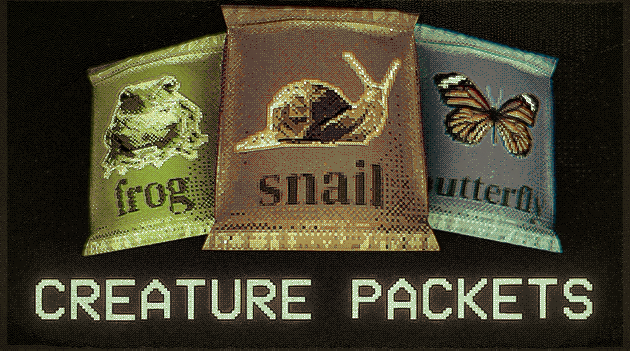
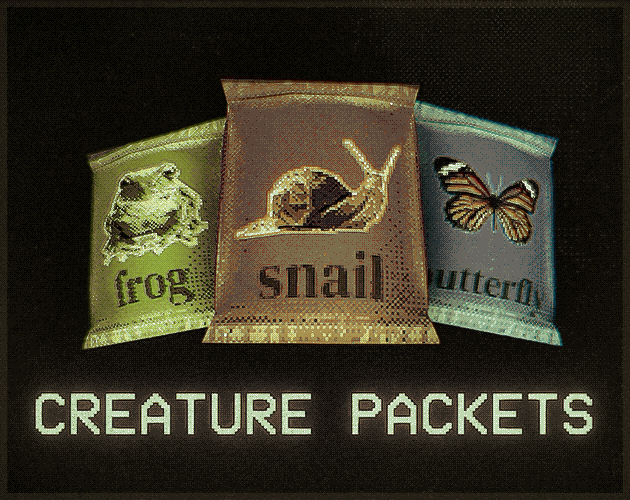
Creature Packets by KenForest presents a darkly whimsical PS1-styled game that subverts traditional cooking mechanics. Instead of preparing culinary dishes, players are tasked with "cooking" tiny creatures brought to life from mysterious packets using a microwave. The game then encourages experimentation, using a blender to create new substances and unlock even more creature types. This title stands out for its unique blend of retro aesthetics, macabre humor, and inventive gameplay loop, directly engaging with the "Tiny Creatures" theme through a bizarre, almost alchemical lens. Its availability on Windows ensures accessibility for a broad PC gaming audience, allowing many to experience its peculiar charm. The game’s premise encourages players to think about life and creation in unconventional ways, making it a memorable jam entry.
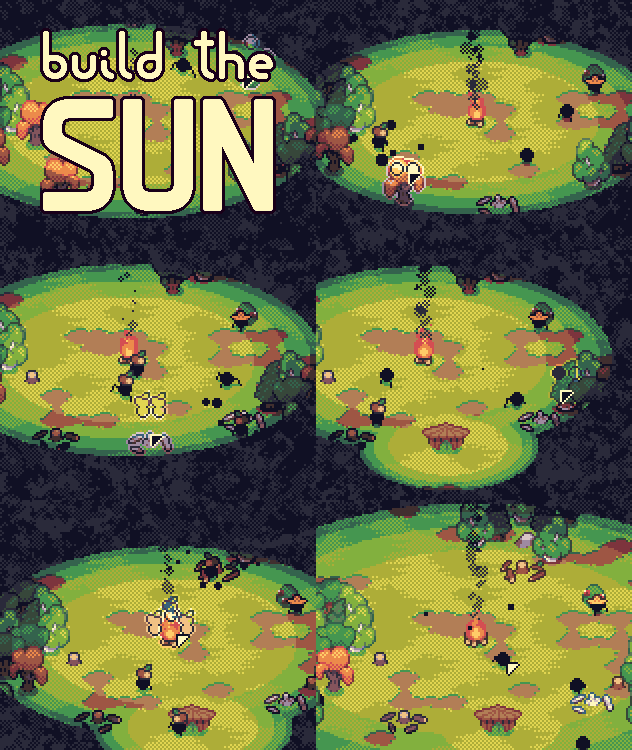
Build The Sun by Punkcake is an ambitious god game that challenges players to nurture a nascent world from a humble fire to a celestial body. Players engage in exploration, settlement, and expansion, gathering resources to upgrade their primordial flame until it evolves into the Sun itself. Rendered in a charming pixel-art style, the game beautifully encapsulates the idea of "tiny creatures" in a macro sense – starting with small elements and growing them into something monumental. The iterative progression and sense of growing power offer a compelling gameplay loop, demonstrating impressive scope for a jam title. Its cross-platform availability on Windows, macOS, and Linux further broadens its reach, allowing a wider audience to embark on this cosmic journey of creation and expansion. The game’s narrative arc, from micro to macro, provides a clever interpretation of the theme.
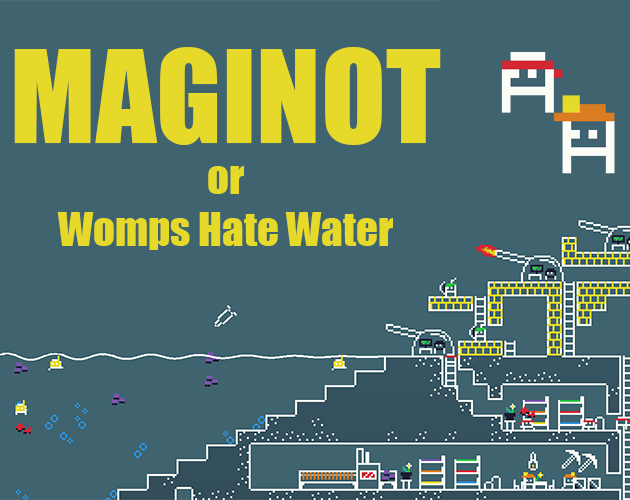
Maginot by vfqd takes the "Tiny Creatures" theme into the realm of incremental colony builders. Players are tasked with establishing and expanding a colony by digging deep for minerals, attracting new "Womps" (the tiny creatures), and ultimately battling against the encroaching sea. The game cleverly combines resource management with a persistent threat, creating a sense of urgency and strategic depth. Its incremental nature provides a satisfying loop of progression, while the narrative of a small colony fighting against overwhelming natural forces directly relates to the theme. Being playable directly in a web browser, Maginot offers immediate accessibility, allowing players to jump in without downloads or installations, a significant advantage for a jam game. This design choice aligns well with the quick-play nature often associated with game jam entries.
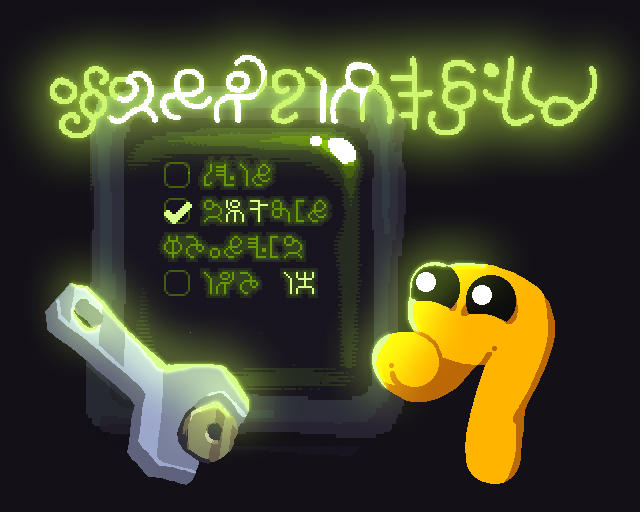
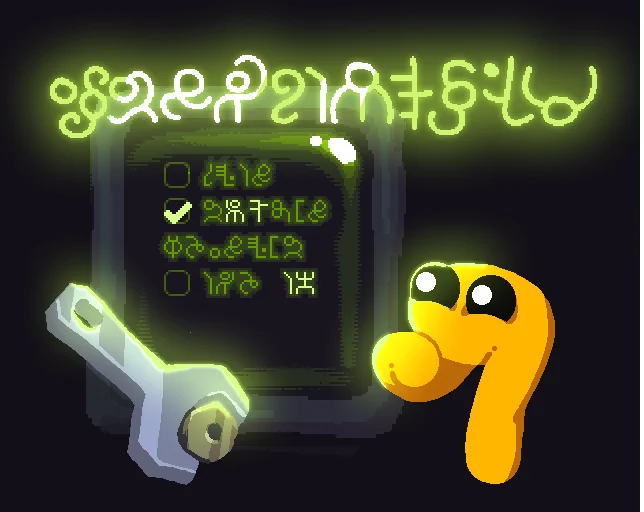
Headquarters by Yogurtthehorse offers a mysterious point-and-click simulation game focused on deciphering an unknown alphabet. While seemingly abstract, the game implicitly engages with the "Tiny Creatures" theme by presenting a world where small, intricate details hold the key to understanding a larger system. The act of deciphering an alphabet can be seen as interacting with "tiny creatures" of language. Its enigmatic premise and cerebral gameplay provide a stark contrast to more action-oriented titles, appealing to players who enjoy intellectual puzzles and atmospheric exploration. The game’s multi-platform availability across web browsers, Windows, Linux, and macOS maximizes its potential audience, ensuring that a wide range of players can engage with its unique challenge. The subtle interpretation of the theme allows for deeper thought and engagement beyond typical creature-based mechanics.
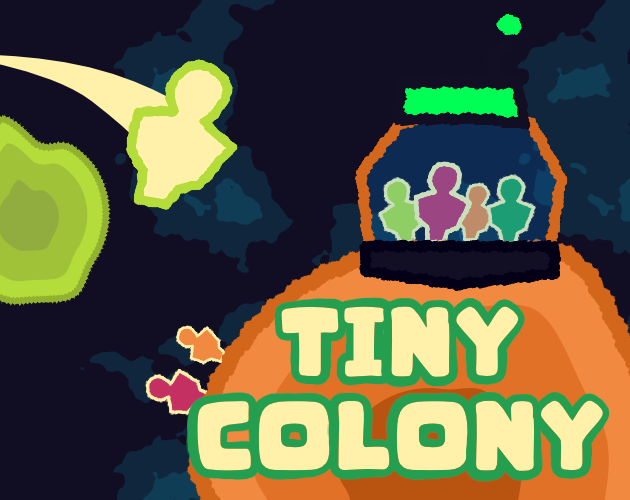
Tiny Colony by MrEliptik embraces the "Tiny Creatures" theme quite literally, tasking players with colonizing planets by launching tiny creatures through space using an interplanetary slingshot system. Players must leverage planetary gravity and avoid obstacles to successfully transport their colonists across the void. This game combines elements of physics-based puzzles with strategic planning, offering a unique take on space colonization. The precision required to navigate the slingshot mechanics, coupled with the endearing visual of "tiny creatures" hurtling through space, makes for an engaging and challenging experience. Its broad availability on web browsers, Windows, Linux, and Android further extends its reach, making it a portable and accessible title for a diverse player base. The game’s direct and playful approach to the theme makes it immediately understandable and enjoyable.
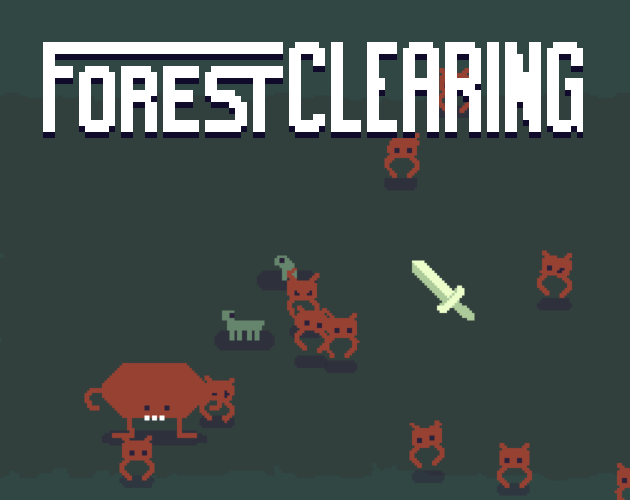
FOREST CLEARING by Jefvel presents a dark survival-action game with a moral dilemma. Players must protect their "small friends" in the forest using a sword, but also have the option to harvest them for meat to purchase upgrades upon inevitable death. This grim resource management loop, coupled with fast-paced combat, offers a provocative interpretation of the theme, where "tiny creatures" are both allies and resources. The pixel-art style adds a classic arcade feel to the brutal gameplay. The tension between protection and exploitation creates a compelling narrative undercurrent. Playable in web browsers and available for Windows, FOREST CLEARING offers a quick yet impactful experience that forces players to confront difficult choices, making it a memorable entry for its thematic depth and challenging mechanics.
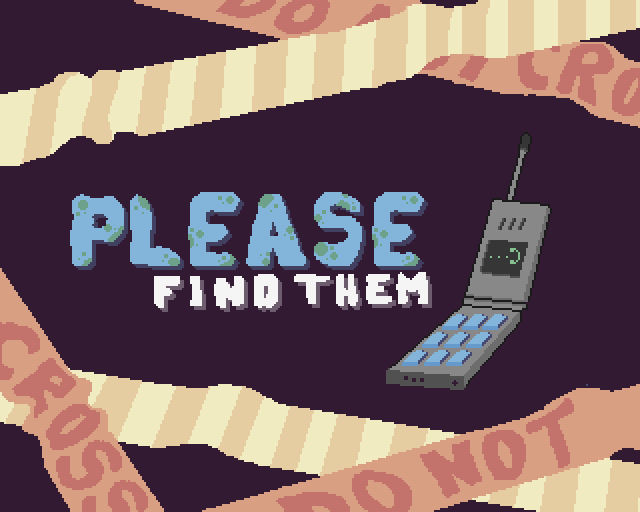
Please Find Them by AdamLenglen directly addresses the "Tiny Creatures" theme as a hidden object game. Players assume the role of an exterminator tasked with locating small creatures that have inexplicably shrunk and are now hidden within people’s houses. The game leverages classic hidden object mechanics, requiring keen observation and meticulous searching within detailed environments. This straightforward yet engaging approach to the theme provides a satisfying puzzle experience, appealing to fans of the genre. Its web browser availability ensures easy access for anyone looking for a quick and engaging search-and-find challenge. The premise is simple, yet effective in creating a focused and enjoyable experience around the core theme.
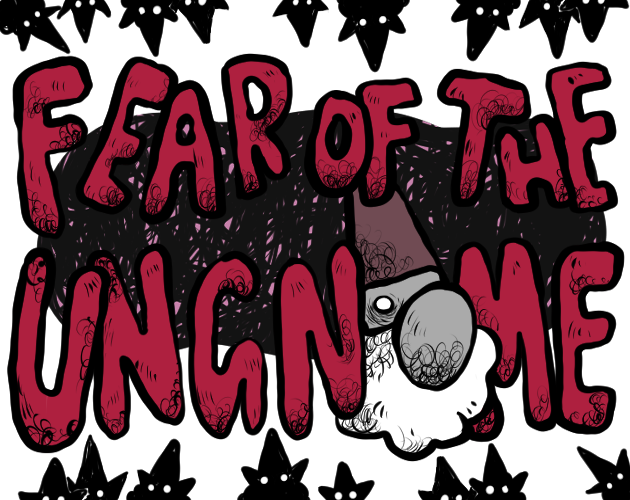
Fear of the Ungnome by Scottts is a first-person exploration and puzzle game that sends players on a quest to locate their Great Aunt’s elusive gnome. The game features procedurally generated elements, ensuring a fresh experience with each playthrough. The "tiny creature" in this context is the gnome itself, a mythical, small being that is the focus of the player’s search. The procedural generation adds significant replayability and unpredictability, enhancing the sense of mystery and exploration. Playable in web browsers and available for Windows, this title offers an atmospheric and mentally stimulating experience for players who enjoy uncovering secrets and solving environmental puzzles. The blend of exploration and puzzle-solving, coupled with the thematic focus on a singular "tiny creature," makes for a unique jam entry.
Mini Beasts by Cassowary is a charming puzzle game where players rearrange various critters to match their colors. This game offers a more abstract and lighthearted take on "Tiny Creatures," focusing on their visual attributes and arrangement rather than their narrative role. The simple yet addictive gameplay loop, typical of many casual puzzle games, makes it an accessible and enjoyable experience for a broad audience. Its browser-based accessibility further enhances its pick-up-and-play appeal, providing a quick mental exercise that is both relaxing and engaging. The game’s direct approach to the "tiny creatures" theme, by making them the central interactive elements of the puzzle, showcases a concise and effective design.
Vox Regis by Sheepolution introduces a unique medieval strategy game where players embody the king, tasked with maintaining control by creating chaos among rebellious groups. The innovative twist is the use of voice control to lay blame on factions, manipulating the populace and keeping "rebellious groups small in size," thus indirectly managing "tiny creatures" of dissent. This interpretation is highly abstract but remarkably clever, using the theme to inform a core gameplay mechanic rather than a literal representation. The integration of voice control offers a novel interaction method, pushing the boundaries of traditional strategy games. Its availability on web browsers, Windows, macOS, and Linux ensures wide compatibility for players eager to experience this unique blend of strategy and vocal input. The game’s ability to interpret "tiny creatures" as social factions demonstrates remarkable thematic flexibility.
The Broader Impact of Game Jams on Game Development
The collection of games highlighted by itch.io serves as a microcosm of the broader impact that game jams like Ludum Dare have on the game development industry. These events are not merely competitions; they are incubators of talent, innovation, and community. For individual developers, participating in a jam provides invaluable experience in rapid prototyping, decision-making under pressure, and completing a project from start to finish—skills that are highly transferable to professional environments. Many successful indie games and even established studios trace their origins back to jam prototypes.
Furthermore, game jams are critical for fostering experimentation. The low-stakes environment encourages developers to try unconventional mechanics, explore niche genres, or push creative boundaries without the commercial pressures of a full-scale project. This freedom often leads to surprising and innovative results that might not emerge from more traditional development pipelines. The collaborative nature, particularly in the Jam format, also strengthens the global development community, allowing individuals to connect, learn from each other, and form lasting partnerships. The feedback loop inherent in the Ludum Dare voting system is also a powerful educational tool, offering constructive criticism that helps developers refine their craft.
Looking Ahead: The Future of Ludum Dare and Indie Gaming
As Ludum Dare 56 transitions into its final voting stages and eventual announcement of results, the diverse interpretations of "Tiny Creatures" underscore the enduring vibrancy of the indie game scene. The event consistently proves that constraints, when applied creatively, can be a powerful catalyst for innovation rather than a hindrance. The continuous flow of hundreds of new games from each jam enriches the digital landscape, providing players with fresh experiences and developers with opportunities to hone their skills and gain recognition.
Platforms like itch.io remain indispensable in this ecosystem, providing the infrastructure for hosting, discovering, and celebrating these rapid-fire creations. The ongoing success of Ludum Dare, coupled with the robust support from platforms and communities, ensures a fertile ground for future game development. As technology evolves and accessibility to game creation tools increases, events like Ludum Dare will continue to be crucial proving grounds for new ideas, new talent, and the next generation of groundbreaking interactive experiences, perpetually redefining what "tiny creatures" of code and imagination can achieve.
About the Author