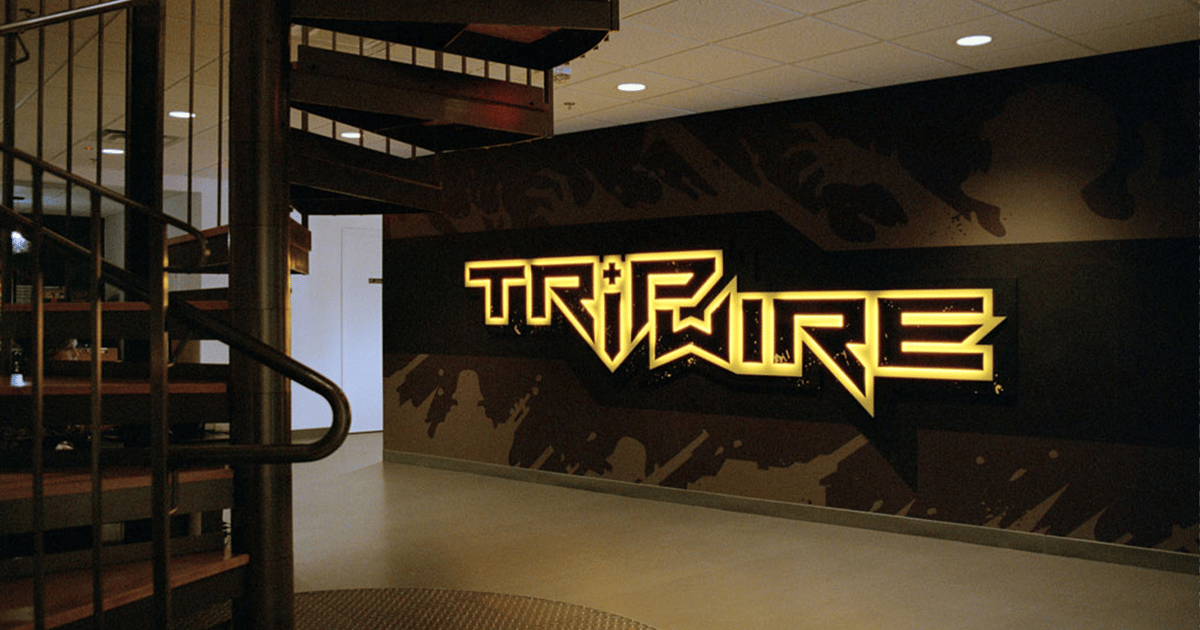
Tripwire Interactive, the acclaimed developer and publisher behind the Killing Floor franchise, has confirmed a significant workforce reduction, resulting in the layoff of 23 employees across various departments. The decision, announced on March 3, 2026, was attributed by the company to the "evolving needs of its business," a phrase frequently employed by organizations undergoing restructuring in the dynamic video game industry. This move places Tripwire Interactive squarely within a pervasive trend of layoffs that has swept across the sector for over two years, impacting thousands of developers globally.
The studio’s official statement, initially shared via LinkedIn and subsequently reported by GamesIndustry.biz, expressed profound regret over the necessity of the cuts. "We regrettably confirm that our studio has recently undergone a workforce reduction which has affected 23 people from across different areas," the post read. It further emphasized the gravity of the decision, stating, "This was an incredibly difficult decision and was heavily deliberated given the impact of those affected, along with the overall team." This language mirrors similar communications from other studios navigating the challenging economic and operational landscape of modern game development, highlighting the personal toll such corporate adjustments take on individuals.
A Legacy Forged in Independence and Acquired Ambition
Tripwire Interactive boasts a rich history dating back to its founding in 2005, emerging from the modding community that created the award-winning Red Orchestra: Combined Arms for Unreal Tournament 2004. This grassroots origin story imbued the studio with a reputation for deep community engagement and a commitment to core gameplay experiences. Over nearly two decades, Tripwire established itself as a prominent independent developer and publisher, particularly known for its highly successful co-op shooter series, Killing Floor, and its realistic World War II shooter, Rising Storm. The studio’s self-published titles, including Killing Floor 2 and Rising Storm 2: Vietnam, have collectively amassed over 40 million players worldwide, a testament to their enduring appeal and quality. Before the recent layoffs, Tripwire had grown to employ over 100 individuals, a significant expansion from its humble beginnings, though the precise timing of this headcount peak remains unspecified on its public platforms.
The company’s independent trajectory shifted dramatically in August 2022 when it was acquired by the Embracer Group, a Swedish video game holding company that had embarked on an aggressive expansion strategy through a spree of acquisitions. Embracer’s acquisition of Tripwire Interactive, for an undisclosed sum, was part of a broader push to consolidate a diverse portfolio of intellectual properties and development studios. At the time of acquisition, Embracer placed Tripwire under its Saber Interactive subsidiary, a prominent developer and publisher known for titles like World War Z. This integration was intended to leverage synergies within the larger Embracer ecosystem, providing Tripwire with greater resources and a broader platform for its projects.
Embracer Group’s Tumultuous Restructuring and Its Ripple Effects
The context for Tripwire’s current situation is inextricably linked to the dramatic strategic shift and financial restructuring undertaken by its parent company, Embracer Group. Following years of rapid expansion through numerous acquisitions, Embracer encountered significant financial headwinds in 2023. A pivotal moment was the collapse of a potential $2 billion partnership deal in May 2023, widely reported to be with Saudi Arabia’s Savvy Games Group. This failed deal left Embracer with a substantial debt burden and prompted a radical "restructuring program" aimed at reducing costs, improving capital allocation, and divesting non-core assets.
This restructuring program, initiated in June 2023, led to widespread layoffs across Embracer’s vast network of studios, as well as the cancellation of numerous projects and the divestment of several companies. One of the most significant divestments occurred in March 2024, when Embracer sold off a substantial portion of Saber Interactive’s assets for approximately $247 million. This transaction saw Embracer offload 38 game development projects and studios, including prominent names like Aspyr and 4A Games. Crucially, while a large segment of Saber Interactive was divested, Embracer retained ownership of several key assets, including Tripwire Interactive. Post-divestment, Tripwire was repositioned within Embracer’s newly streamlined and "newly-restructured business," underscoring its continued strategic value to the parent company despite the broader divestment trend.
Further illustrating its commitment to a leaner, more focused structure, Embracer Group announced in April 2024 its intention to split into three distinct, publicly listed companies: "Middle-earth Enterprises & Friends," "Coffee Stain & Friends," and "Amplifier Game Invest." This strategic maneuver, aimed at unlocking shareholder value and allowing each entity to pursue tailored growth strategies, further fragmented the organizational landscape within which studios like Tripwire operate. Tripwire Interactive’s placement within one of these new entities, or its continued operation under a distinct banner within the overarching Embracer structure, reflects the ongoing fluidity of the parent company’s operational model.
The Broader Landscape of Industry Layoffs
Tripwire Interactive’s layoffs are not an isolated incident but rather a stark reflection of a pervasive and deeply concerning trend within the global video game industry. The period from late 2022 through 2024, and now extending into 2026, has been characterized by unprecedented job losses. In 2023 alone, industry estimates suggest over 10,000 game developers and professionals lost their jobs, with that number surging past 15,000 in 2024. Major publishers and developers, including Microsoft (with cuts at Xbox, Activision Blizzard, and Bethesda), Sony (PlayStation), Electronic Arts, Epic Games, Unity, Riot Games, and numerous others, have all implemented significant workforce reductions.
Several factors contribute to this challenging environment. The post-pandemic correction saw a slowdown in gaming’s explosive growth, leading to more conservative investment strategies. Rising development costs, coupled with intense competition and an increasingly saturated market, have squeezed profit margins. Additionally, a period of aggressive hiring during the pandemic, fueled by venture capital and anticipated sustained growth, left many companies overstaffed when market conditions shifted. The widespread adoption of artificial intelligence tools is also beginning to impact various roles, leading to concerns about future job security. For many studios, including Tripwire, the phrase "evolving needs of its business" can encompass a confluence of these factors: a need to streamline operations, pivot to new development models, or simply adapt to tighter budgets dictated by parent companies like Embracer.
Current Projects and Future Commitments
Despite the recent workforce reduction, Tripwire Interactive has affirmed its commitment to both internal game development and its Tripwire Presents publishing label. This dual focus suggests that while some areas of the company have been impacted, the core creative and business functions are intended to continue.
Just weeks prior to the layoff announcement, Tripwire Presents saw the release of Norse: Oath of Blood, a turn-based tactics game developed by Arctic Hazard. This recent launch highlights Tripwire’s ongoing role in supporting independent developers and bringing new titles to market, a key aspect of its business model since its early days. Furthermore, Tripwire continues to actively support its flagship franchise, Killing Floor 3, with seasonal updates. The last such update for Killing Floor 3 was released on December 4, 2025, demonstrating an active development pipeline and commitment to its existing player base, even amidst organizational changes.
The decision to cut 23 positions, while maintaining commitments to ongoing projects and publishing efforts, raises questions about which specific divisions or roles were most impacted. While the company stated the cuts were "across different areas," the precise nature of the restructuring within Tripwire remains undisclosed. It is plausible that areas related to overhead, less critical development paths, or even certain publishing functions may have been affected as the studio recalibrates its operational model to align with the "evolving needs" and the broader Embracer Group strategy.
Implications and Outlook
The layoffs at Tripwire Interactive underscore the precarious state of even well-established studios within the current gaming ecosystem. For Tripwire, the immediate implications involve a potential slowdown in development cycles, a shift in project priorities, or a greater reliance on external partnerships for certain aspects of game creation. The talent pool of 23 affected employees now joins a growing cohort of experienced professionals seeking new opportunities in a contracting job market, a challenge for both the individuals and the industry as a whole.
For Embracer Group, these layoffs represent another data point in its ongoing, difficult restructuring process. While the company aims for greater efficiency and profitability, the human cost of such large-scale corporate maneuvers is significant. The continued ownership of Tripwire Interactive by Embracer, even after the divestment of Saber, indicates a strategic belief in Tripwire’s intellectual property and development capabilities. However, the exact nature of support and strategic direction Tripwire will receive under Embracer’s new three-company structure remains to be fully seen.
The broader outlook for the video game industry suggests that the period of consolidation and rationalization may continue. Developers and publishers are increasingly scrutinizing project viability, optimizing team sizes, and seeking more sustainable growth models. For studios like Tripwire Interactive, navigating this landscape requires adaptability, strategic foresight, and a continued commitment to delivering compelling player experiences, even as the internal and external environments continue to shift. The announcement of these layoffs serves as a somber reminder of the relentless pressures shaping the future of game development.
About the Author