Itch.io, a prominent digital storefront for independent video games, has once again curated a compelling selection of recently released and updated browser-based titles, offering players immediate access to diverse gaming experiences without the need for downloads. This initiative underscores the platform’s commitment to showcasing indie talent and leveraging the inherent accessibility of browser gaming, transforming what might traditionally be a "lazy weekend" activity into an exploration of cutting-edge creative endeavors across genres from atmospheric visual novels to frantic puzzle platformers.
The Enduring Appeal and Evolution of Browser Gaming
Browser gaming, once dominated by Flash-based casual titles, has undergone a significant resurgence and technological evolution, largely driven by HTML5, WebGL, and WebAssembly. This technological shift has enabled developers to create more complex, graphically rich, and performance-driven experiences directly within web browsers, eliminating barriers to entry such as lengthy download times, storage concerns, and compatibility issues. Platforms like itch.io have capitalized on this evolution, serving as vital incubators for independent developers who often lack the extensive marketing budgets of larger studios. By providing an open and supportive ecosystem, itch.io allows creators to publish their work with minimal friction, fostering a vibrant community where innovation thrives.
The current curated list exemplifies this trend, featuring games that originated from various game jams – intensive, time-limited development sprints designed to spark creativity and rapid prototyping. Events like Ludum Dare, GBJAM, and the Made With Defold Jam are crucial accelerators for indie game development, pushing developers to conceptualize and execute unique ideas under specific constraints. These jams not only generate a steady stream of fresh content but also serve as proving grounds for emerging talent, allowing them to experiment with new mechanics, art styles, and narrative approaches. The direct consequence is a rich tapestry of games, often characterized by their experimental nature, strong artistic vision, and direct connection to player feedback, which is frequently integrated into subsequent updates.
Featured Titles: A Deep Dive into Indie Creativity
The eight highlighted browser games collectively paint a picture of the indie scene’s breadth and imaginative depth. Each title, born from distinct creative impulses and often under the pressure of game jam deadlines, offers a unique window into the future of accessible digital entertainment.

Dead Names: A Poignant Sci-Fi Narrative
Dead Names, a short science fiction visual novel, explores themes of grief and acceptance against a backdrop of a future that developer Flower Studio hopes "never comes." Set during a singular, stark winter day, the game leverages a distinctive pixel art style that evokes a sense of nostalgia while delivering a deeply atmospheric experience. Its release as a Game Boy ROM further enhances this retro aesthetic, offering a unique blend of modern narrative sensibilities with classic hardware emulation. The inclusion of LGBTQIA themes within its speculative fiction framework adds a layer of contemporary relevance, pushing boundaries in storytelling and representation within the visual novel genre. Visual novels, as a medium, have gained significant traction for their ability to deliver complex narratives and character development, and Dead Names stands out for its concise yet impactful emotional journey.
Tiny Truck Racing: Arcade Thrills in Miniature
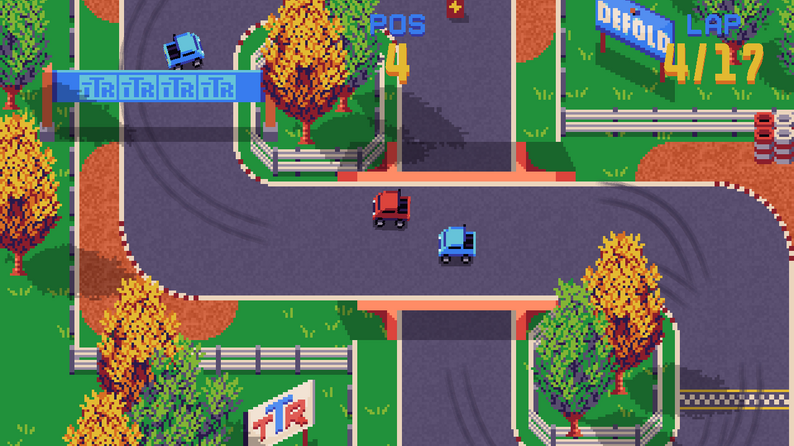
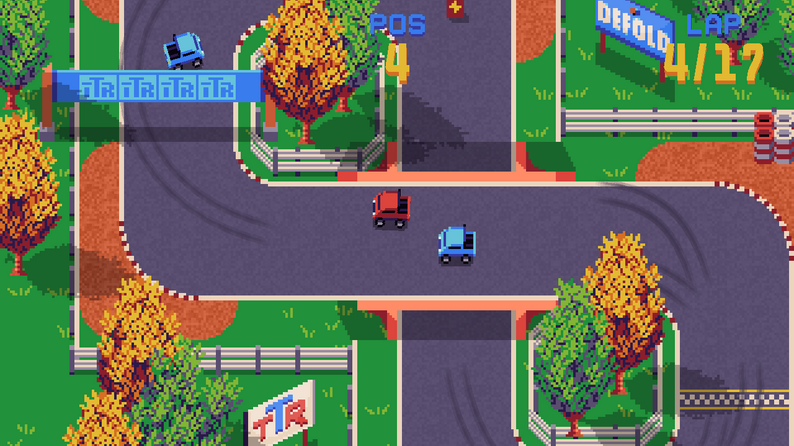
For players seeking immediate action, Tiny Truck Racing delivers a fast-paced, pixel art arcade experience. Developed for the Made With Defold Jam 2024, the game showcases the versatility of the Defold engine, known for its efficiency in 2D game development. Players navigate intricately designed pixel art tracks, choosing from four distinct trucks, each likely possessing unique handling characteristics. The inclusion of nitro cans for speed boosts introduces a strategic element, demanding quick reflexes and track knowledge to maximize acceleration and outmaneuver opponents. With three distinct modes—Single Race for quick challenges, Tournament for extended competition, and Time Trial for precision driving—Tiny Truck Racing caters to both casual players and those seeking to master its mechanics, embodying the spirit of classic top-down racers with a modern indie twist.
Nomad Idle: The Evolution of Passive Engagement
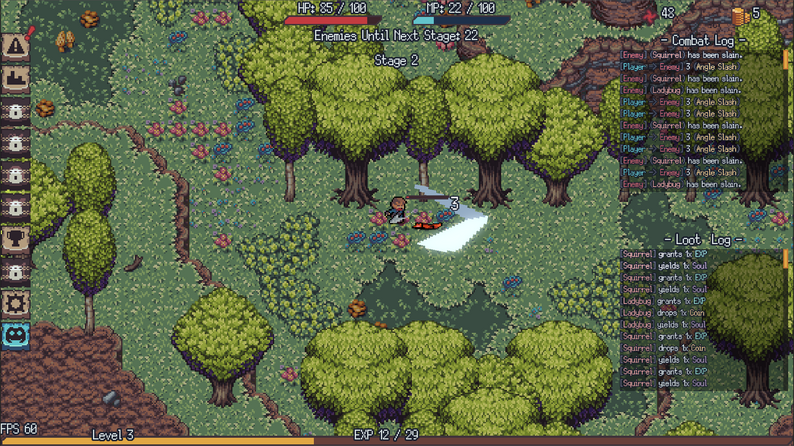
Nomad Idle represents a popular subgenre of browser gaming: the idle auto-battler. Recently updated, this title allows players to craft intricate character builds that autonomously engage hordes of enemies. The core appeal of idle games lies in their ability to provide a sense of progression and accomplishment with minimal active input, making them perfect for background play. However, Nomad Idle distinguishes itself by offering active engagement opportunities through character-specific skills, allowing players to strategically intervene and accelerate their progress. The game’s depth is further enhanced by features such as leveling up stats, crafting equipment, and selecting passive skills, providing a rich layer of optimization and customization that appeals to players who enjoy theory-crafting and long-term progression. The "recently updated" status signifies ongoing developer commitment and community engagement, a hallmark of successful indie titles.
Laura’s Room: Psychological Horror in 8-bit Hues
Laura’s Room, a psychological horror game crafted for GBJAM 12, demonstrates how aesthetic limitations can enhance atmospheric tension. By adhering to the visual and auditory constraints of the Game Boy, the developer, Morgis, conjures a uniquely unsettling experience. Players assume the role of Danni, a character fleeing an unseen menace on a dark, rainy night. The sparse pixel art and limited color palette contribute to a claustrophobic and isolated atmosphere, where the player’s imagination fills in the terrifying blanks. Psychological horror, unlike overt jump-scare tactics, relies on dread, ambiguity, and the manipulation of player perception, and Laura’s Room appears to use its retro presentation to amplify these elements, proving that sophisticated fear can be evoked with minimal graphical fidelity.
Hamster Shelter: Post-Apocalyptic Serenity
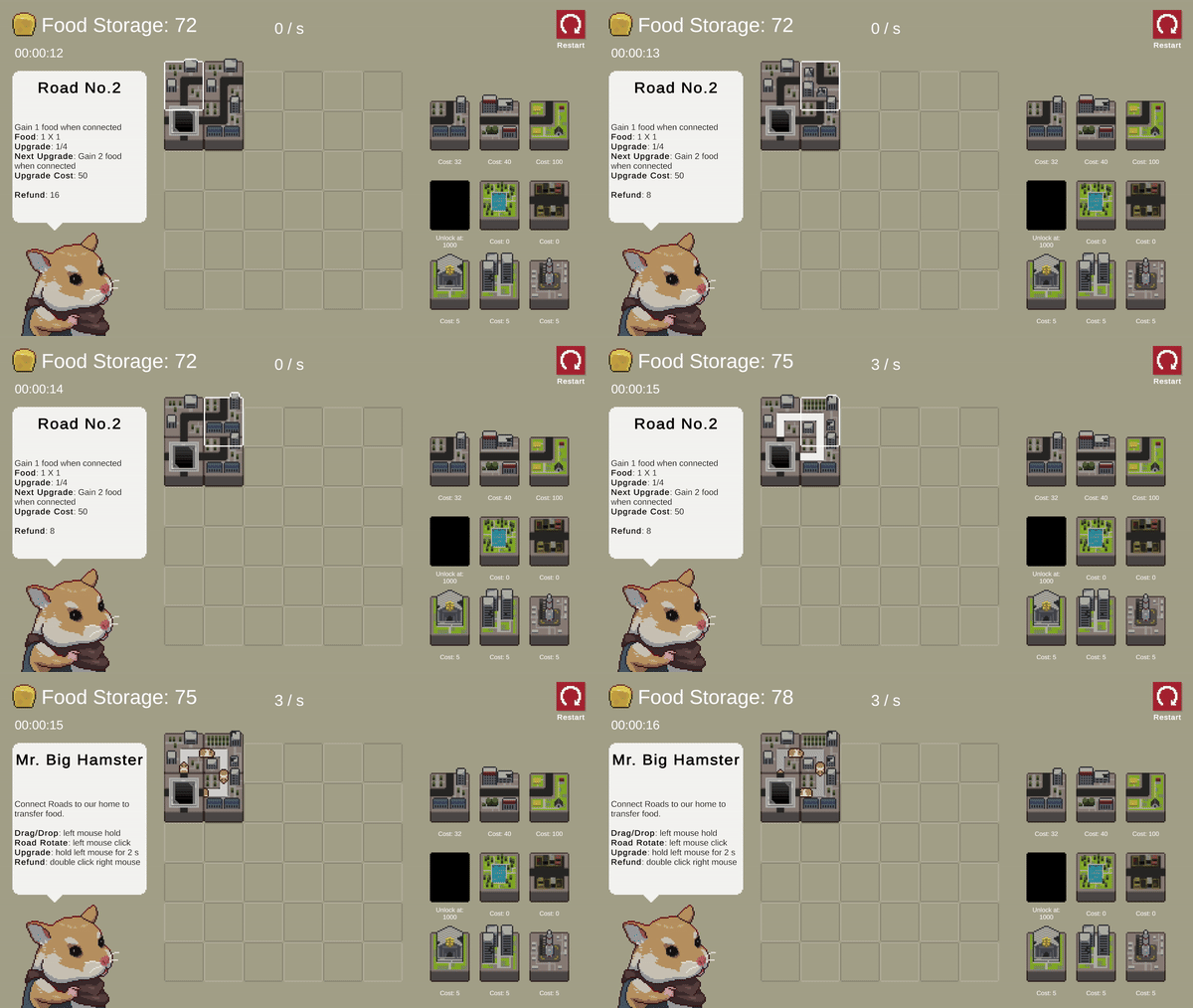
Ludum Dare 56, a prominent game jam, often yields creative interpretations of its chosen themes. Hamster Shelter is one such example, offering a unique blend of post-apocalyptic survival and relaxing management gameplay. In this title, players oversee tiny hamsters striving to endure in a desolate world. The core mechanic involves building roads to their shelter and efficiently transporting vital food resources. The game’s design philosophy allows it to operate effectively in the background, providing a continuous, low-stress experience. This passive engagement aligns with the growing trend of "cozy games" that prioritize comfort and gradual progression over high-stakes action. The charming visual style, combined with its undemanding nature, positions Hamster Shelter as a delightful diversion, showcasing how even dire settings can inspire tranquil gameplay.
Mouse Mouse: A Playful Twist on Platforming
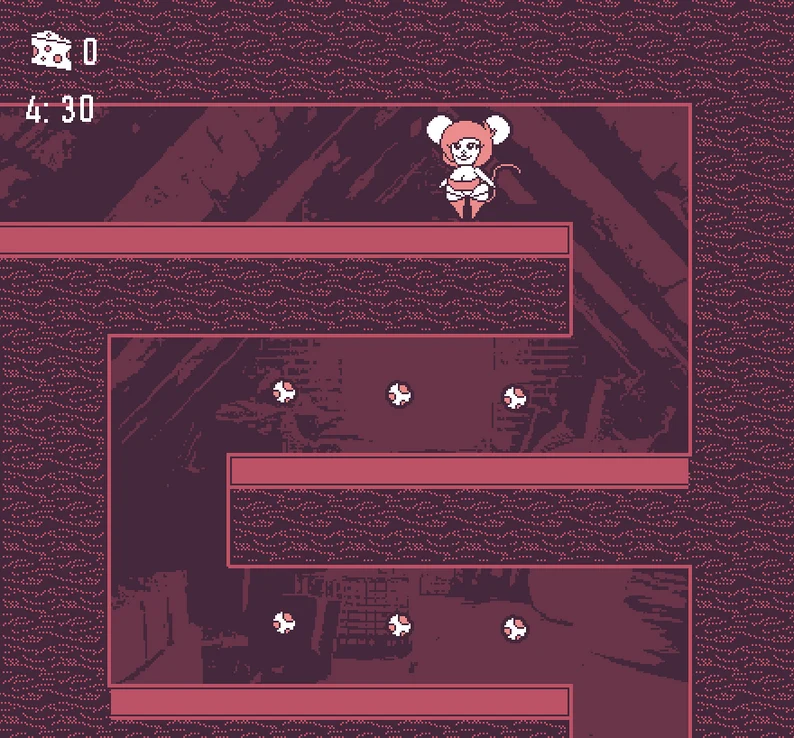
Another Ludum Dare 56 creation, Mouse Mouse, offers an inventive take on the platformer genre. The game ingeniously uses the player’s computer mouse to control an in-game mouse character, creating a direct and intuitive connection between input device and avatar. Players must jump, climb, and collect cheese as quickly as possible, challenging both their precision and dexterity. The pixel art aesthetic provides a clean, readable visual environment that complements the game’s straightforward yet engaging mechanics. This title exemplifies how game jams encourage developers to experiment with unconventional control schemes and core gameplay loops, often resulting in fresh and memorable experiences that stand out from more traditional offerings.
Play With Me: The Unsettling Virtual Pet
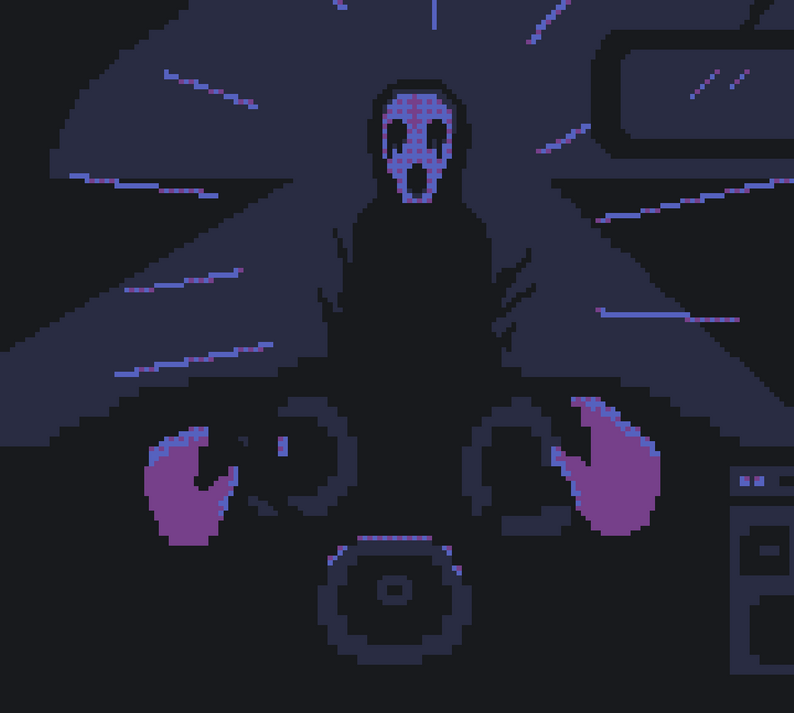
Play With Me, also a product of Ludum Dare 56, subverts the conventional charm of virtual pet games by injecting a "spooky" twist. Players interact with three mysterious creatures residing within a forgotten toy, each offering unique minigames. The game’s retro-inspired visuals contribute significantly to its eerie atmosphere, invoking a sense of uncanny valley where familiar childhood objects become sources of unease. This genre bending—merging the nurturing aspects of virtual pets with elements of horror—creates a compelling and somewhat unsettling engagement. The emphasis on interaction and discovery within a confined, mysterious setting leverages the power of suggestion and player curiosity, delivering a chilling yet engaging experience that lingers long after play.
Jelly Gang: Physics-Based Puzzle Platforming
Completing the Ludum Dare 56 cohort in this selection, Jelly Gang redefines the puzzle platformer by placing players in command of a sprawling group of 30 squishy characters. The innovation lies in its control scheme: only the characters within a dynamic "focus region" around the player’s mouse cursor respond to commands. This mechanic introduces a significant strategic layer, as players must not only navigate environments but also manage the collective movement and distribution of their gelatinous crew. The game’s physics-based nature means that interactions with the environment and among the jelly characters are organic and unpredictable, leading to emergent gameplay scenarios. Jelly Gang showcases how simple premises, when combined with clever mechanics and robust physics, can lead to deeply engaging and challenging puzzle experiences, pushing the boundaries of the platformer genre.
The Broader Impact: Accessibility, Innovation, and Community
The consistent output of high-quality, innovative browser games on platforms like itch.io signifies several important trends in the digital entertainment landscape. Firstly, it underscores the growing demand for accessible gaming. In an increasingly connected world, the ability to jump into a game instantly, regardless of device or operating system, is a powerful draw for casual players and seasoned enthusiasts alike. This accessibility lowers the barrier to entry for new audiences and democratizes gaming, making it a more inclusive pastime.
Secondly, these games are a testament to the thriving independent development scene. Without the constraints of large publishers or commercial expectations, indie developers are free to explore niche genres, experimental mechanics, and personal narratives. Game jams, as highlighted by the prevalence of Ludum Dare, GBJAM, and Defold Jam titles, are critical to this innovation pipeline, fostering rapid prototyping and idea generation that might otherwise be stifled in more conventional development cycles. These events not only provide a platform for new ideas but also build a strong, supportive community among developers, where peer feedback and collaboration are paramount.
Furthermore, the engagement seen in the comments sections, with developers expressing gratitude for features and players sharing their experiences, exemplifies the direct line of communication that itch.io facilitates. This direct interaction between creators and their audience is invaluable for iterative development, community building, and fostering a sense of shared ownership over the gaming experience. An itch.io spokesperson might hypothetically affirm, "Our mission is to empower creators and connect them directly with players. The vibrant ecosystem of browser games, particularly those born from game jams, perfectly embodies the spirit of indie innovation and accessibility that we champion." This sentiment reflects the platform’s core philosophy.
The Future of Browser Gaming
The ongoing advancements in web technologies suggest that browser gaming will continue to evolve, offering increasingly sophisticated experiences. As bandwidth improves and browser capabilities expand, the line between traditional downloadable games and browser-based titles will continue to blur. This trend bodes well for the future of instant-play entertainment, ensuring that platforms like itch.io remain at the forefront of showcasing cutting-edge independent games. The curated selections serve as a beacon for players seeking fresh, diverse, and easily accessible digital adventures, confirming that the "lazy weekend" can indeed be a gateway to profound and innovative gaming experiences.
About the Author