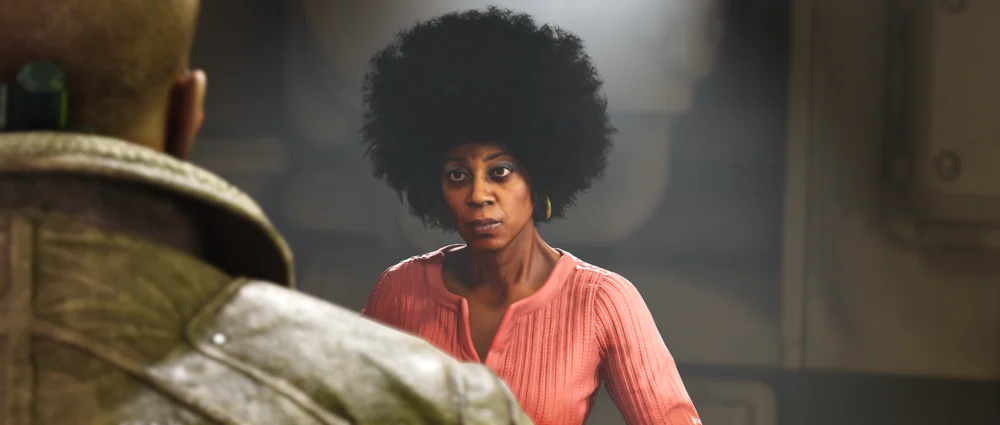
The creation of an impactful and memorable performance within the dynamic landscape of video games is a multifaceted endeavor, far removed from a singular artistic contribution. It is not solely the actor’s burden to inhabit a role; rather, it emerges from a intricate tapestry of collaboration, involving the actor, the dedicated performance director, and the broader game development team. At the heart of this complex synergy, and indeed as its foundational principle, lies an indispensable element: trust. This critical theme resonated throughout a profound deep-dive panel held at the GDC Festival of Games 2026, where acclaimed video game actors Debra Wilson and Jane Perry, alongside esteemed performance directors Tom Keegan and Damien Goodwin, continually underscored its paramount importance. Their collective insights illuminated how, beyond mere professional cooperation, cultivating a deep connection and mutual trust among all parties is the essential catalyst for forging truly unforgettable digital performances.
The Evolving Landscape of Interactive Performance
The GDC Festival of Games, a preeminent annual gathering for the video game industry, serves as a vital nexus for sharing innovation, discussing best practices, and shaping the future of interactive entertainment. The 2026 iteration continued this tradition, drawing thousands of developers, artists, and industry professionals from across the globe. Against this backdrop, the panel, expertly moderated by Soundcuts director Adele Cutting, offered a timely and pertinent exploration into the often-underestimated human element of game development. While technological advancements in motion capture, facial animation, and AI-driven character interactions frequently dominate industry discourse, this session deliberately shifted focus to the nuanced interpersonal dynamics that underpin authentic character portrayal.
For decades, performance in video games was largely a functional affair, with voice actors delivering lines in isolated booths, often with minimal context. Early game narratives, though sometimes groundbreaking, often prioritized gameplay mechanics over deeply empathetic character arcs. However, as the global video game market has burgeoned, projected to exceed $300 billion by the late 2020s, player expectations have evolved dramatically. Modern audiences demand not just engaging mechanics, but rich, immersive narratives populated by believable, emotionally resonant characters. This shift has elevated the craft of performance to a central pillar of AAA game development, requiring a more integrated and sophisticated approach to acting and direction. The panel at GDC 2026 served as a testament to this evolution, highlighting the sophisticated methodologies now employed to achieve cinematic-quality performances within interactive media.
Trust as the Bedrock of Creative Collaboration
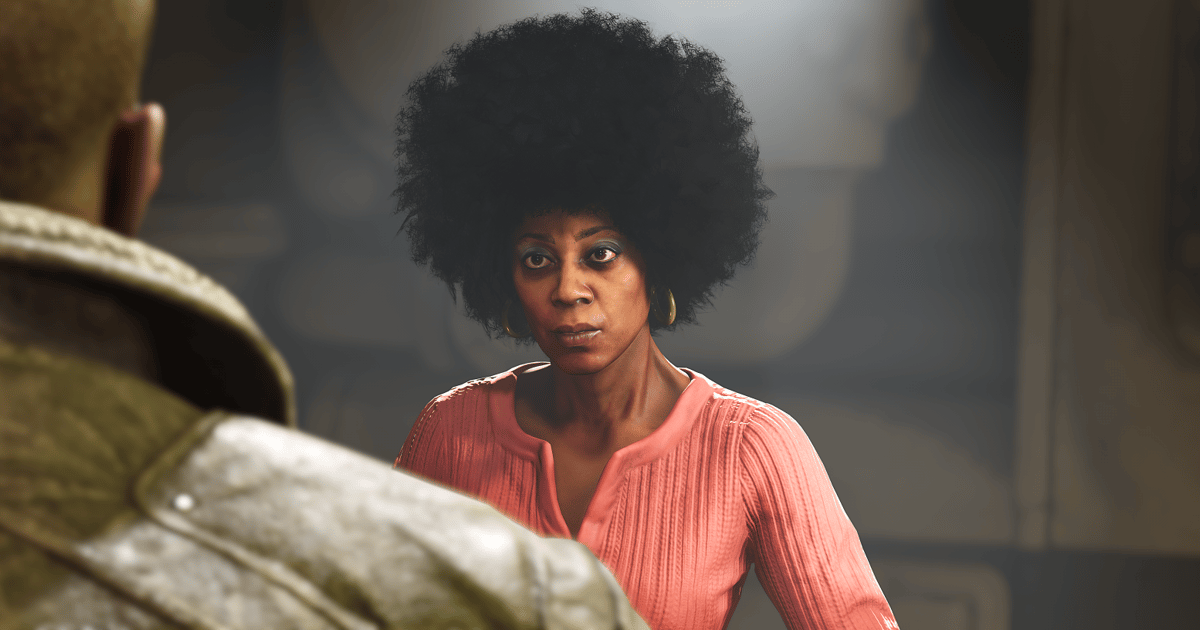
"The most important thing is trust," emphasized Debra Wilson, a veteran actor known for her powerful roles, including her work on Wolfenstein II: The New Colossus. Her sentiment encapsulated the core message of the session: to transcend the transactional nature of a service industry and truly serve the story, a foundation of trust must precede any creative endeavor. "You want to be able to, instead of feeling like you’re waiting to see whether you can trust the director, you have to already go into that space and trust the space. It is collaborative and at the same time, it’s a service industry. We’re here to serve the story." This proactive embrace of trust, Wilson suggested, allows actors to fully commit to their roles without reservation, fostering an environment where vulnerability and authenticity can flourish.
Jane Perry, celebrated for her haunting portrayal of Selene in Returnal, echoed this sentiment, underscoring the necessity for a profound connection between actor and director. This deeper understanding extends beyond mere professional courtesy, enabling a shared vision and a collective pursuit of emotional truth within the performance. Without this fundamental trust, the ability to delve into complex emotional landscapes and deliver truly memorable performances becomes significantly hampered.
The Performance Director: A Crucial Bridge
The panel highlighted the director’s unique and pivotal role as a liaison, or "bridge," between the artistic demands of the actors and the technical and narrative requirements of the development team. Tom Keegan, who directed Wilson in Wolfenstein II: The New Colossus, and Damien Goodwin, who collaborated with Perry on Returnal, both articulated this responsibility. Their initial steps with any script involve meticulous analysis, marking up pages with their impressions of characters, motivations, and the underlying emotional currents. Keegan refers to this as identifying the "spine" of the character – the fundamental need or drive that propels them through the narrative. Wilson and Perry’s individual processes mirror this, focusing on breaking down the character’s core and understanding the precise emotional beats required for each scene.
However, the true collaborative alchemy begins during the often-limited rehearsal periods. This is where initial blocking, the physical staging of a scene, takes shape, but more importantly, it is where the delicate edifice of trust is constructed. Directors and actors align their interpretations of the script, ensuring harmony not only between themselves but also with the overarching vision of the development team. "Developers are very focused on gameplay and the details of the gameplay and also the plot and kind of leave out the relationships," Keegan explained. "I feel like my job is to keep the relationships alive, keep the connections alive between the actors and the material and keep my eye on what the dev team needs and where we are with the story so that the dev team can watch knowing I’m understanding what it is they need and the actors can be free to do their work."
This dual responsibility – facilitating actor freedom while reassuring developers – necessitates a nuanced approach. Performance directors must convey their own interpretations, guide actors through challenging material, and occasionally allow for improvisation, all while maintaining the development team’s confidence that the performance will seamlessly integrate into the game’s mechanics and narrative. This requires not only artistic acumen but also exceptional communication and interpersonal skills.

Advocating for the Craft: Time and Dialogue
Despite the crucial role of the director as a bridge, actors themselves remain vital advocates for the integrity of their performances. Both Wilson and Perry recounted instances where script lines felt incongruous or where insufficient time was allocated for in-depth discussions. Perry, in particular, stressed the importance of actors actively campaigning for the necessary time to refine and elevate their performances with the director. "Because games are so awesome and they deserve the budget, the time, and the focus spent on these beautiful performances," she asserted, highlighting a broader industry challenge where production schedules can sometimes compress the artistic process.
The implications of this advocacy are significant. As video games continue to push boundaries in storytelling and emotional depth, adequate resources for performance capture and voice direction become non-negotiable. Industry trends indicate a growing appreciation for the narrative experience, with major studios investing heavily in talent and technology to deliver cinematic quality. This panel’s emphasis on trust and collaborative time reinforces the argument that such investments are not merely luxuries but essential components of crafting successful, critically acclaimed titles.
Navigating Emotional Depths: The Case of Returnal
The necessity of profound trust becomes acutely evident when tackling emotionally charged material. Jane Perry’s experience as Selene in Returnal serves as a compelling case study. Her character grapples with immense personal loss and a cycle of existential dread, a role Perry described as "painful" to inhabit. The challenge was compounded by the fact that she often received scripts on the very day of recording, coupled with Returnal’s distinctively flowery and abstract dialogue. Adding another layer of complexity, Perry performed her role virtually due to the pervasive impact of the COVID-19 pandemic, a factor that forced many productions to adapt their creative processes.
Despite these formidable obstacles, the collaboration between Perry, Goodwin, and the Housemarque development team blossomed into a deep, iterative process. They painstakingly dissected Selene’s mental state at various junctures, exploring the most effective ways to convey her profound grief and resilience. Perry specifically lauded the Housemarque team for granting them the invaluable luxury of time – time to truly understand the narrative beats and explore the emotional landscape. "This is one thing I really loved about this game developer. They really allowed us the time to understand and discover in the moment and find what is happening here," Perry recalled. "This is unusual sometimes, to have the luxury of time to figure things out."
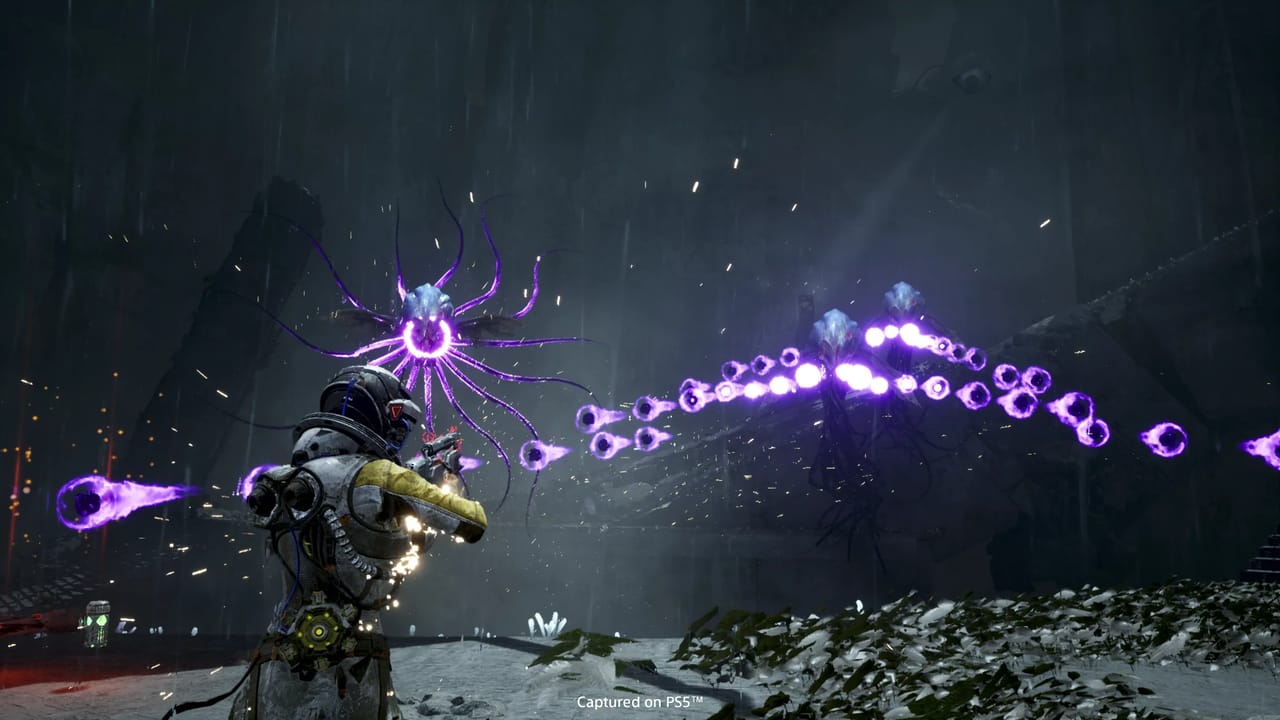
Goodwin further elaborated on the directorial responsibility in such intense scenarios: "These are really difficult spaces to go with actors, and therefore you do have to allow the space." This "space" refers not just to physical time, but to psychological safety, an environment where actors feel secure enough to explore the darkest corners of human emotion without judgment. This trust-infused environment proved instrumental in Returnal‘s critical acclaim, with many reviewers praising Perry’s nuanced and emotionally resonant performance as a highlight of the game.
The Broader Implications for Game Development
The insights shared at GDC 2026 underscore a fundamental truth about modern game development: its increasing convergence with traditional filmmaking and theatrical arts. While the interactive nature of games presents unique challenges, the principles of character development, emotional arc, and compelling performance remain universal. The emphasis on open communication and trust, as championed by Wilson, Perry, Keegan, and Goodwin, points towards a future where game productions are more integrated, empathetic, and ultimately, more capable of delivering profound artistic experiences.
The iterative feedback loop – developers crafting the script, actors embodying the characters, directors finessing the performance and providing feedback to developers – is essential. This continuous conversation, built on mutual respect and understanding, ensures that the initial creative vision is not only realized but also enriched and refined through the collaborative process. As Wilson aptly summarized, "It’s the collaboration that will make the difference. You could have a great recipe but the wrong spice can go down the wrong way."
For the burgeoning talent entering the industry, these discussions provide invaluable guidance. Aspiring performance directors must cultivate not only technical skills but also a deep understanding of human psychology and exceptional interpersonal abilities. Similarly, actors must be prepared to engage in a highly collaborative and often non-linear process, advocating for their craft while remaining adaptable to the unique demands of interactive storytelling.
Ultimately, the GDC Festival of Games 2026 panel on performance revealed that the true magic of creating a great video game performance lies not in isolated brilliance, but in the collective commitment to fostering an environment of unwavering trust. As the industry continues its rapid expansion and artistic maturation, the lessons learned from these seasoned professionals will undoubtedly shape the next generation of immersive, emotionally resonant, and truly unforgettable interactive experiences. The future of gaming performance, it seems, will be built on the very human foundation of trust.
About the Author