New York University’s Tandon School of Engineering has officially opened applications for the second annual cohort of its NYC Game Design Future Lab (GDFL) incubator, extending a critical lifeline and growth opportunity to independent game developers based within New York City. This pivotal initiative is designed to provide selected indie studios with unparalleled access to resources, mentorship, and strategic connections, all aimed at accelerating their development cycles and enhancing their capacity to deliver high-quality, commercially viable games to the global market. The announcement marks a significant expansion for the program, signaling a robust commitment to fostering the burgeoning game development ecosystem in one of the world’s leading creative capitals.
Program Expansion and Enhanced Offerings for Indie Developers
For its sophomore year, the GDFL incubator is significantly broadening its reach, increasing the number of accepted companies from six to eight. This expansion directly translates into additional opportunities for more studio founders to participate in the year-long, intensive program. Successful applicants will gain entry to a comprehensive suite of benefits meticulously curated to address the multifaceted challenges faced by emerging game studios. These include invaluable mentorship opportunities from seasoned industry veterans, specialized workshops covering critical aspects of game development and business, and crucial introductions to potential investors who can provide essential capital for growth.
Beyond these core offerings, participants will also gain privileged access to "emerging technologies" – a broad category that could encompass anything from advanced development tools and platforms to cutting-edge hardware and innovative production methodologies. The program also emphasizes extensive networking opportunities, connecting developers with established industry leaders, influential figures, and a diverse range of NYU faculty members whose expertise spans various disciplines relevant to game design and technology. A tangible benefit for all accepted developers is access to a dedicated co-working space situated in downtown Brooklyn, providing a collaborative environment conducive to innovation and peer-to-peer learning. This physical hub is particularly vital in a city known for its high operational costs, offering a stable and equipped base for creative work.
The Strategic Partnership: NYU Tandon and NYCEDC
The NYC Game Design Future Lab is a testament to the power of strategic collaboration between academia and public service. The program receives crucial support from the New York City Economic Development Corporation (NYCEDC), a public benefit corporation and non-profit organization that operates under a contract with the city government. The NYCEDC’s involvement underscores the city’s recognition of the video game industry as a vital component of its economic future and creative economy.
The NYCEDC’s mission is to foster economic growth and opportunity across the five boroughs, investing in sectors that drive innovation, create jobs, and enhance New York City’s global competitiveness. By backing the GDFL, the NYCEDC is strategically nurturing a high-growth sector that not only generates significant revenue but also attracts and retains creative and technological talent within the city. This partnership highlights a broader municipal strategy to diversify New York’s economic base beyond traditional finance and media, positioning it as a leading hub for technological innovation and digital entertainment. The investment in programs like GDFL is a proactive measure to ensure that New York City remains at the forefront of the digital economy, providing the infrastructure and support necessary for emerging industries to thrive.
Navigating the Dynamic Indie Game Landscape
The global video game industry is a behemoth, valued at well over $200 billion annually, with the independent game development sector playing an increasingly pivotal role in driving innovation and artistic expression. Indie developers, often operating with limited budgets and small teams, are responsible for some of the most groundbreaking and critically acclaimed titles. However, they face significant hurdles, including securing funding, navigating complex publishing and marketing landscapes, and competing for visibility in an oversaturated market. Incubator programs like the GDFL are specifically designed to address these challenges, providing a structured environment where nascent studios can mature, refine their products, and build sustainable business models.
New York City, with its rich cultural tapestry, diverse talent pool, and established creative industries, has long been a fertile ground for game development, albeit sometimes overshadowed by more traditional tech hubs or established gaming centers like Los Angeles or Montreal. However, the city’s game development scene has been steadily growing, fueled by institutions like NYU’s Game Center, Parsons School of Design, and various independent studios. The GDFL aims to consolidate and accelerate this growth, ensuring that promising local talent has the resources to stay and build successful ventures within the city.
Spotlight on Previous Cohort Participants
Mitu Khandaker, Associate Director of the GDFL and an Associate Professor at the esteemed NYU Game Center, elaborated on the program’s inclusive vision, stating that it seeks to support a wide spectrum of game development companies. This philosophy was clearly reflected in the diverse composition of its inaugural 2025 cohort, which showcased the breadth of innovation emerging from New York City.
Among the standout participants from the previous year were:

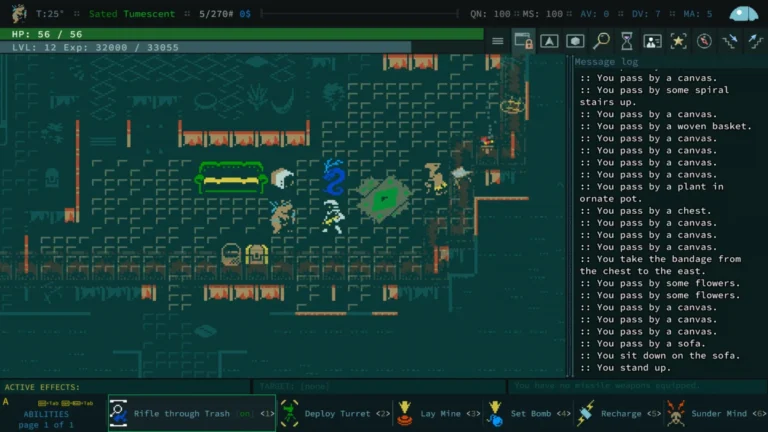
- CYBRLICH Studios: An indie development studio known for its unique narrative-driven experiences, such as the upcoming title CYBRLICH and the Death Cult of Labor. Their participation likely benefited from the incubator’s focus on refining game mechanics, securing market visibility, and establishing a sustainable business model within the competitive indie space.
- Munity Games: A worker-owned arcade game company, representing a fascinating intersection of cooperative business models and interactive entertainment. Their inclusion highlights the GDFL’s commitment to supporting diverse operational structures and niche market segments within the gaming industry. Access to co-working spaces and mentorship in business development would have been particularly beneficial for a worker-owned entity navigating the complexities of game production and distribution.
- Remixing Reality: An augmented reality (AR) tool developer, illustrating the program’s forward-looking approach to "emerging technologies." This company’s involvement underscores the GDFL’s interest not just in traditional game titles but also in the foundational technologies and platforms that will shape the future of interactive experiences. Mentorship on scaling technological innovation and attracting investment in a rapidly evolving field would have been invaluable.
These examples demonstrate the GDFL’s commitment to "casting a wider net" across the New York industry, as articulated by Khandaker. The program is not merely looking for studios producing traditional video games but also for "established game studios ready for their next stage of growth, and the platforms and creative technology companies building the tools and infrastructure the broader industry runs on." This holistic approach acknowledges the interconnectedness of the game ecosystem, from content creation to the underlying technological frameworks.
Mitu Khandaker’s Vision: Sustaining NYC’s Gaming Future
Mitu Khandaker’s leadership is instrumental in shaping the GDFL’s direction. Her dual role as an associate professor at NYU Game Center and associate director of the GDFL provides a unique blend of academic rigor and practical industry insight. Her emphasis on "casting a wider net" reflects a strategic understanding of the modern game industry, which increasingly encompasses diverse forms of interactive media, creative technologies, and innovative business models.
Khandaker’s recent statement, "In a time when the industry faces so much change, we want to provide support and a sustainable home for games here in New York City," resonates deeply with current industry dynamics. The past few years have seen significant shifts, including evolving business models (e.g., subscription services, live-service games), rapid technological advancements (AI, cloud gaming, XR), and economic pressures leading to studio closures and layoffs in some segments. In this climate of flux, providing a stable, supportive environment like the GDFL becomes even more critical for fostering resilience and innovation. The incubator serves as a bulwark against these uncertainties, offering a structured pathway for studios to not only survive but thrive. Her vision extends beyond mere incubation, aiming to solidify New York City’s reputation as a permanent and sustainable hub for game development and creative technology.
Economic and Cultural Implications for New York City
The expansion of the NYC Game Design Future Lab carries significant implications for New York City’s economic and cultural landscape. Economically, a thriving game development sector translates into job creation—not just for developers, but also for artists, designers, writers, sound engineers, marketing professionals, and support staff. These are high-value, creative economy jobs that contribute to the city’s tax base and attract diverse talent. Furthermore, successful game studios can generate substantial intellectual property, which can be licensed, sold, and exported globally, enhancing New York’s standing as an exporter of digital goods and services. The growth of this sector also stimulates demand for related services, from legal and financial expertise tailored to tech companies to specialized hardware and software providers.
Culturally, the presence of a robust game development community enriches the city’s creative fabric. Games are a powerful medium for storytelling, artistic expression, and cultural commentary. By supporting local game developers, New York City is investing in the creation of new cultural artifacts that reflect its unique identity and diverse perspectives. This fosters a dynamic ecosystem where innovation flourishes, attracting more creative individuals and businesses to the city, thereby reinforcing its reputation as a global cultural epicenter. The incubator acts as a magnet, drawing in talent and capital, and serving as a launchpad for the next generation of interactive entertainment.
Application Process and Key Deadlines
Prospective applicants for the NYC Game Design Future Lab incubator are strongly encouraged to prepare comprehensive submissions that effectively showcase their work and potential. The application window is open now, with a firm closing date of August 7, 2026. This timeline provides ample opportunity for interested studios to gather the necessary materials and articulate their vision.
Organizers have provided specific guidance to maximize the chances of selection. Submitting companies are advised to provide a playable build or a live product link for their games or technologies. This allows the selection committee to directly experience the quality, innovation, and potential of their work. Beyond this, applicants are urged to furnish "concrete numbers, links, and examples" about their work. This translates to providing quantifiable metrics of success, such as download figures, user engagement statistics, revenue generated, awards received, or press coverage. Furthermore, linking to portfolios, websites, social media presence, and any other relevant public-facing information will provide a holistic view of the studio’s capabilities, market presence, and trajectory. Such detailed evidence is crucial for demonstrating not only creative prowess but also business acumen and market viability, which are key considerations for an incubator focused on sustainable growth.
The application portal is accessible via the provided link: https://docs.google.com/forms/d/e/1FAIpQLSfgGjD-SJVFfxMyHJtnCJLG1YSeqPielgGRa6_WDzQcP_HnSQ/viewform.
The Broader Ecosystem of Gaming in NYC
The NYC Game Design Future Lab is not an isolated initiative but a vital component of a broader, growing ecosystem dedicated to interactive entertainment in New York City. The city boasts a vibrant community of game developers, educators, and enthusiasts, supported by numerous meetups, conferences, and academic programs. NYU Tandon’s commitment to this sector is further exemplified by its close ties to the NYU Game Center, a globally recognized hub for game design education and research, which offers undergraduate and graduate degrees in game design and development. This academic foundation provides a steady stream of highly skilled graduates, many of whom are eager to establish their own studios or contribute to existing ones within the city.
The GDFL acts as a crucial bridge between academic training and commercial success, providing the entrepreneurial scaffolding necessary for promising concepts to evolve into viable businesses. By strengthening the indie game sector, the incubator helps to create a more diverse and resilient local industry, less susceptible to the boom-and-bust cycles often seen in larger corporate gaming environments. It fosters a culture of innovation, experimentation, and community, ensuring that New York City not only remains a global leader in finance and fashion but also solidifies its position as a burgeoning powerhouse in the dynamic world of video game development. The continued expansion and success of programs like the GDFL are indispensable for cultivating a sustainable and flourishing future for interactive media in the metropolis.
About the Author