Glen Schofield, a towering figure in the video game industry whose creative vision has shaped two of the most influential franchises of the past two decades, has announced his retirement from day-to-day game development. After an illustrious career spanning 35 years, during which he served as general manager of Visceral Games, co-director of Sledgehammer Games, and founder of Striking Distance Studios, Schofield confirmed his departure via a heartfelt video shared on LinkedIn yesterday, marking the end of an era for a developer celebrated for his contributions to both the horror and first-person shooter genres.
Schofield’s career is a testament to persistent innovation and a keen understanding of player psychology, particularly in crafting immersive, high-stakes experiences. His journey through the industry has seen him at the helm of projects that pushed technological boundaries and redefined genre conventions. In his retirement announcement, Schofield expressed profound gratitude, stating, "It’s been such an amazing career and I have so many people to thank for it, but I can’t possibly do it all here. To my close friends and family and people who’ve stood by me, patted me on the back, listened to my crazy ideas, thank you so much." This sentiment reflects a career built on collaboration and an unwavering passion for game creation.
A Chronology of Innovation and Impact
Schofield’s extensive career began in the late 1980s, a nascent period for video games, where he honed his skills in various development roles. His early work at companies like Absolute Entertainment and Crystal Dynamics laid the groundwork for his future leadership roles. At Crystal Dynamics, he contributed to titles such as the Gex series and the critically acclaimed Legacy of Kain: Soul Reaver, gaining valuable experience in character action and narrative-driven games. These formative years provided him with a comprehensive understanding of game design and production that would prove crucial in his later, more prominent roles.
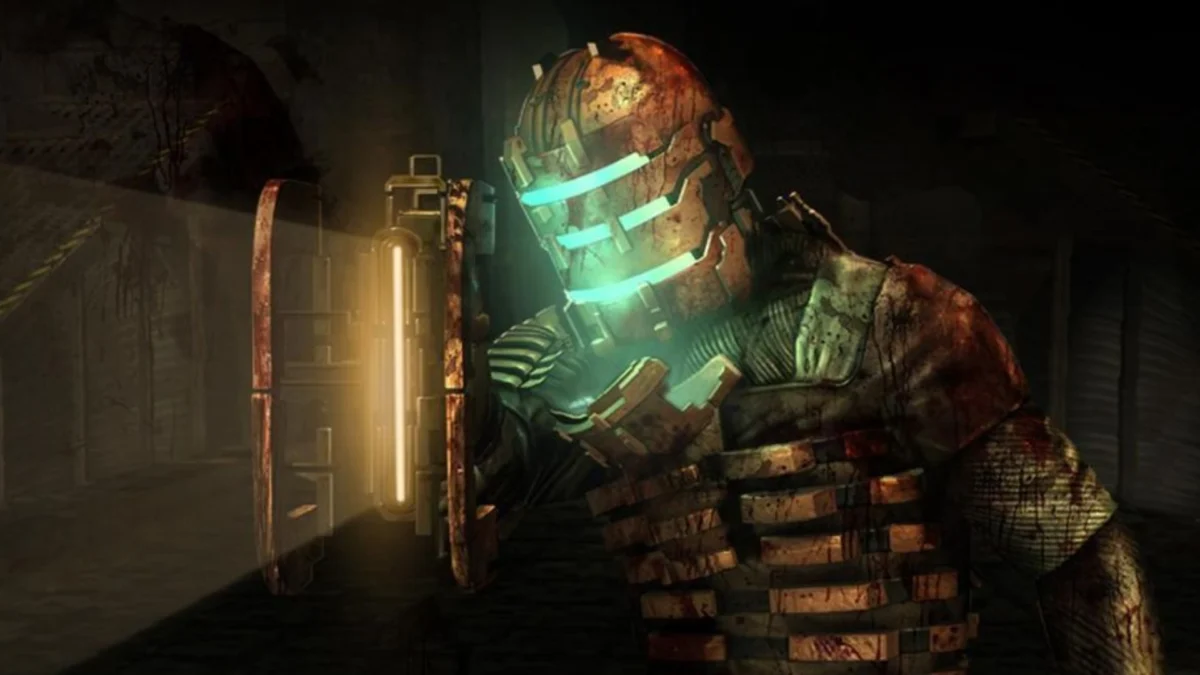
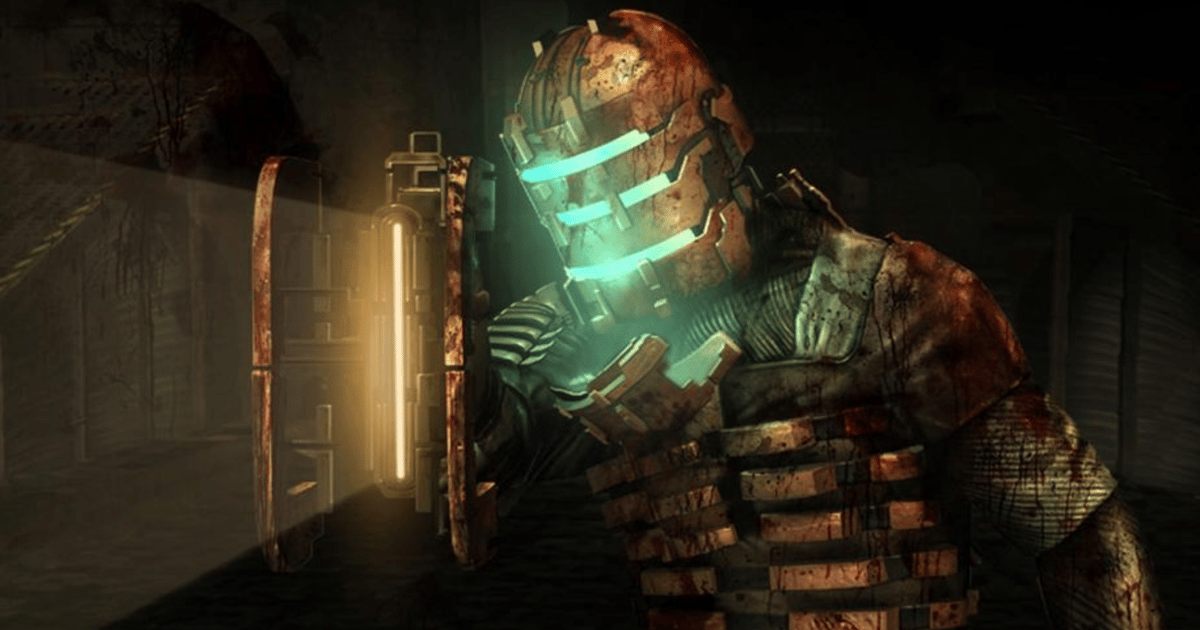
The turning point for Schofield, and arguably for the survival horror genre, came with his tenure at EA Redwood Shores, which he helped transform into Visceral Games. It was here, as general manager, that he co-created the seminal Dead Space series. Released in 2008, Dead Space was a masterclass in sci-fi horror, drawing inspiration from films like Alien and Event Horizon while introducing unique gameplay mechanics such as "strategic dismemberment." Players were tasked with dismembering grotesque Necromorphs to defeat them, a mechanic that perfectly blended tactical combat with psychological terror. The game was lauded for its suffocating atmosphere, intricate level design, and compelling narrative, establishing a new benchmark for the genre and earning widespread critical acclaim, often scoring in the high 80s and low 90s on aggregators like Metacritic. Dead Space went on to sell over 2 million units, proving that mature, narrative-driven horror could find a significant audience in an era dominated by action games. Schofield’s vision extended to Dead Space 2, released in 2011, which built upon the original’s success with enhanced action sequences and a deeper exploration of protagonist Isaac Clarke’s psyche.
Following his groundbreaking work at Visceral Games, Schofield co-founded Sledgehammer Games in 2009 alongside Michael Condrey. This venture marked a significant shift towards the hyper-popular first-person shooter genre, specifically within the sprawling Call of Duty universe. At Sledgehammer, Schofield served as co-director on several tentpole entries that significantly influenced the franchise’s trajectory. His credits include Call of Duty: Modern Warfare 3 (2011), Call of Duty: Advanced Warfare (2014), and Call of Duty: WWII (2017).
Modern Warfare 3, co-developed with Infinity Ward, concluded the original Modern Warfare trilogy, delivering a blockbuster campaign and robust multiplayer experience that solidified Call of Duty‘s status as a global entertainment juggernaut. It shattered sales records, selling 6.5 million units in the US and UK alone within 24 hours of release, ultimately surpassing 30 million copies worldwide. Advanced Warfare represented a bold leap for the series, introducing futuristic exosuit movement, verticality, and new weapon technologies, which invigorated the franchise and influenced subsequent FPS titles. The game was critically praised for its innovations and robust multiplayer, selling over 20 million copies globally. WWII, released three years later, brought the series back to its historical roots, offering a gritty and authentic portrayal of the Second World War. This pivot resonated strongly with fans and critics, who appreciated the return to classic Call of Duty gameplay, resulting in another massive commercial success with over 19 million units sold. Schofield’s tenures at Sledgehammer spanned over seven and eight years, respectively, demonstrating a deep commitment to evolving one of gaming’s most dominant IPs.
Entrepreneurial Ventures and Industry Challenges
After years of contributing to Activision’s massive success, Schofield transitioned to "new executive duties" within the parent company before embarking on another entrepreneurial chapter. In 2019, he founded Striking Distance Studios, an endeavor explicitly aimed at returning to his horror roots. The studio’s flagship title, The Callisto Protocol, was envisioned as a spiritual successor to Dead Space, promising a new generation of sci-fi survival horror. Developed under the Krafton umbrella, the game generated significant anticipation among fans of the genre.
The Callisto Protocol, released in December 2022, aimed to deliver a visceral, narrative-driven horror experience on the desolate moon of Callisto. While praised for its stunning graphics, atmospheric sound design, and brutal combat, the game received a mixed critical reception. Performance issues at launch and gameplay mechanics that some found repetitive contributed to scores generally in the low 70s on Metacritic. Commercially, it underperformed initial expectations, despite selling millions of copies, leading Krafton to adjust its sales forecasts.
The journey with Striking Distance Studios proved challenging. Schofield "parted ways" with the team in 2023, just a month after a round of layoffs impacted over 30 employees at the studio. This departure and the associated workforce reductions mirrored a broader, unsettling trend across the video game industry. According to his LinkedIn profile, Schofield’s most recent professional engagement before his retirement announcement was as a director and game advisor for Pinstripe Games, a role he held for almost three years. This position likely offered him a different perspective on game development, perhaps more advisory than hands-on, after decades in high-pressure creative and leadership roles.
Reflections on a Storied Career and Industry Landscape
In his farewell video, Schofield took a moment to express specific gratitude to the companies that empowered his creative pursuits. "To EA, thank you for letting me make Dead Space. And Activision, you gave me the keys to three Call of Duty games and I really appreciate your trust," he remarked. These acknowledgements underscore the collaborative nature of large-scale game development and the crucial support from publishers in bringing ambitious visions to life. He also reiterated his deep appreciation for his family, acknowledging the sacrifices and understanding required from them during his demanding career: "To my family, thank you so much. You guys have been with me all through this ride. To my kids, thank you. You put up with the crazy dad, controllers all over the place. To my wife, Barb, you’re my partner. I couldn’t have done this alone."
Schofield’s retirement comes at a complex juncture for the video game industry. The past year and a half have been marked by unprecedented instability, with tens of thousands of layoffs impacting developers across the globe. Major studios have downsized, entire teams have been dissolved, and several well-established companies have faced significant restructuring or even closure. This climate of uncertainty, fueled by post-pandemic market corrections, rising development costs, and shifting consumer habits, casts a shadow over the industry.
Despite these challenges, Schofield concluded his announcement with a characteristic note of optimism: "I know times are tough right now, but man, the future ahead is really, really bright." This forward-looking perspective reflects the resilience and enduring innovation inherent in the gaming sector. While the current economic pressures are undeniable, the industry continues to push boundaries in technology, storytelling, and interactive experiences, promising new horizons for players and creators alike.
Legacy and Broader Implications
Glen Schofield’s retirement marks the departure of one of gaming’s most impactful creative minds. His legacy is multifaceted:
- Defining Modern Survival Horror: Dead Space remains a touchstone for the genre, influencing countless games that followed and proving that atmospheric dread and strategic combat could coexist with mainstream appeal. The recent critically acclaimed remake of Dead Space by Motive Studio further solidifies the enduring power and relevance of his original vision.
- Shaping a Blockbuster Franchise: His contributions to Call of Duty during its peak years helped evolve the series, demonstrating versatility and the ability to operate effectively within one of the industry’s largest and most scrutinized franchises. His work on Advanced Warfare in particular showcased a willingness to innovate within established formulas.
- Entrepreneurial Spirit: Founding two significant studios, Sledgehammer Games and Striking Distance Studios, highlights his drive to build creative environments and pursue ambitious projects, even in the face of immense industry pressure.
- Mentorship and Leadership: Over his decades in leadership roles, Schofield undoubtedly mentored countless developers, passing on his expertise in game design, production, and team management.
Industry observers and former colleagues will undoubtedly reflect on Schofield’s significant contributions. While no official statements have been released by EA or Activision regarding his retirement, Schofield’s public gratitude suggests productive and respected relationships during his tenures at these publishers. The gaming community, across social media platforms and forums, is already abuzz with tributes, celebrating his indelible mark on their favorite games and genres.
Schofield’s departure symbolizes a generational shift within the industry, as pioneers who helped define modern gaming begin to step back. Yet, his final message of hope resonates deeply: the passion for creation, the pursuit of innovation, and the enduring power of interactive storytelling ensure that the future of video games, despite its present trials, remains filled with potential. Glen Schofield leaves behind a rich tapestry of games that have entertained millions and inspired a new generation of developers, cementing his place as a true titan of the interactive entertainment world.
About the Author