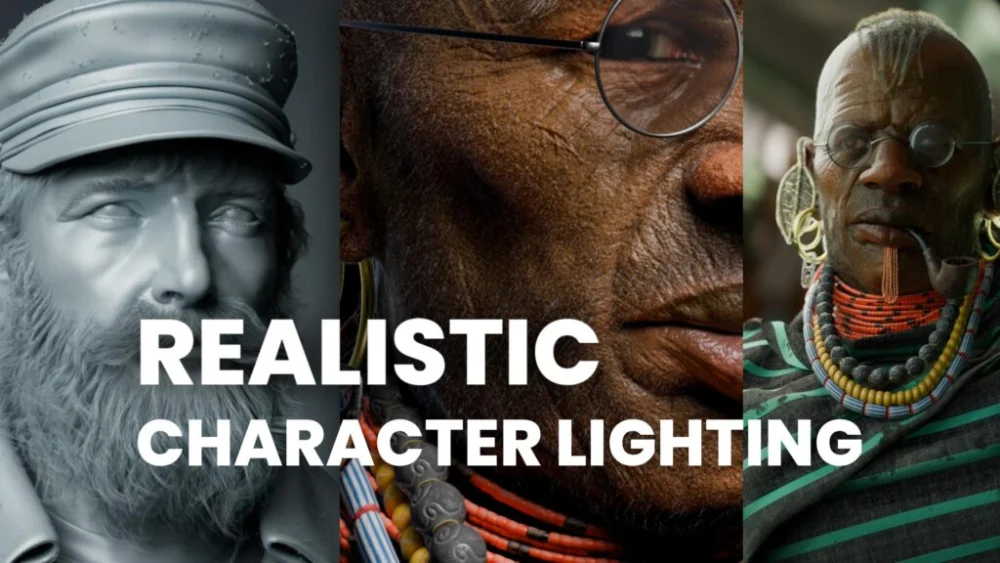
A comprehensive tutorial released on March 14, 2026, by artist Gleb Alexandrov, delves into the intricacies of character lighting within the Blender 3D software. The tutorial, available in both video and article formats, aims to equip artists with practical techniques and fundamental lighting principles crucial for achieving cinematic quality in 3D portrait renders. Alexandrov, founder of the Creative Shrimp blog, emphasizes a blend of technical application within Blender and timeless lighting concepts that have long been staples in traditional and digital filmmaking.
Core Principles of Cinematic Character Lighting
The tutorial highlights several key elements that contribute to compelling character lighting. Alexandrov focuses on understanding and manipulating light direction, ensuring that light sources are positioned strategically to sculpt the form of the character and evoke specific moods. Light falloff, the rate at which light intensity diminishes with distance, is another critical aspect explored. Proper management of falloff can create a sense of depth and realism, preventing overly flat or harsh lighting. Furthermore, the concept of focal length, when applied to lighting setups, refers to how light appears to be focused or diffused, influencing the overall aesthetic. The effective use of High Dynamic Range Images (HDRIs) is also a central theme, demonstrating how these panoramic images can provide realistic ambient illumination and intricate reflections, forming the foundation of a sophisticated lighting environment.
Alexandrov’s approach is rooted in the belief that mastering these principles transcends specific software. While the tutorial utilizes Blender’s powerful rendering engines, Eevee and Cycles, the underlying theories are universally applicable to any 3D rendering pipeline. The goal is to move beyond simply placing lights and to cultivate an intuitive understanding of how light behaves and how it can be used to tell a story and convey emotion through visual design.

Practical Application within Blender
The tutorial breaks down complex lighting scenarios into manageable steps, demonstrating how to build a lighting setup from a single light source to a full, multi-light cinematic arrangement. This progressive approach allows beginners to grasp the foundational concepts before layering on more advanced techniques. For experienced users, it offers a refresher and potential new perspectives on established workflows.
A significant portion of the tutorial is dedicated to showcasing how to leverage Blender’s tools to achieve specific lighting effects. This includes:
- Key Light: The primary light source that defines the dominant illumination and shapes the form of the character. Alexandrov likely demonstrates how to adjust its intensity, color, and position to create a strong silhouette or highlight specific features.
- Fill Light: A secondary light, typically softer and less intense than the key light, used to lift shadows and reduce contrast, ensuring that details in darker areas are still visible. The tutorial would explore how to balance fill light with the key light to achieve desired levels of drama or clarity.
- Rim Light (Backlight): Positioned behind the subject, this light creates a subtle halo effect, separating the character from the background and adding a sense of depth and dimension. Alexandrov would illustrate how to control the intensity and color of the rim light to enhance the character’s outline.
- Practical Lights: These are lights that are visibly part of the scene, such as lamps or windows, and their inclusion adds realism and narrative context. The tutorial likely explains how to integrate these into the overall lighting scheme.
- HDRI Integration: The effective use of HDRIs for environment lighting and reflections is a cornerstone of modern 3D rendering. Alexandrov would demonstrate how to select, apply, and potentially tweak HDRIs within Blender to create a realistic and immersive lighting environment that influences the character’s overall appearance.
The tutorial also touches upon the nuanced interplay between different types of lights and their impact on the perceived mood and personality of the character. For instance, a hard, directional key light might suggest a more intense or dramatic character, while a soft, diffused light could convey a sense of gentleness or approachability.
Background and Context
Gleb Alexandrov has established himself as a respected figure in the Blender community through his "Creative Shrimp" blog and numerous tutorials. His work often focuses on artistic principles applied to 3D art, bridging the gap between technical execution and aesthetic vision. This latest tutorial aligns with his consistent output of educational content designed to elevate the skill level of Blender users worldwide.

The release of this tutorial comes at a time when 3D character rendering continues to be a vital component across various industries, including film, animation, video games, and advertising. The demand for realistic and visually compelling character representations is ever-increasing, driving the need for artists to refine their lighting techniques. Blender, as an open-source and increasingly powerful 3D creation suite, has seen a surge in adoption, making tutorials like this particularly relevant and impactful for a broad user base.
The specific date of release, March 14, 2026, places this tutorial within a contemporary context of ongoing advancements in rendering technology and artistic methodologies within the 3D art sphere. The emphasis on Eevee, Blender’s real-time render engine, also reflects the growing trend towards faster iteration and previewing capabilities in 3D workflows, while also acknowledging the high-fidelity output achievable with Cycles.
Analysis of Implications
The implications of this tutorial extend beyond individual artists. By demystifying cinematic lighting, Alexandrov empowers a wider range of creators to produce more professional-looking work. This can lead to:
- Increased Quality in Independent Productions: Smaller studios and independent artists can elevate the visual fidelity of their projects, competing more effectively with larger productions.
- Enhanced Learning Resources: The tutorial adds to the growing body of high-quality educational material available for Blender, further solidifying its position as a leading tool for digital art creation.
- Industry Standard Alignment: By teaching industry-standard lighting principles, the tutorial helps to bridge the skill gap between hobbyist artists and professionals, potentially influencing hiring trends and project pipelines.
- Artistic Expression: A deeper understanding of lighting allows artists to imbue their characters with greater personality and emotional depth, moving beyond mere technical proficiency to true artistic expression.
The tutorial’s focus on timeless principles suggests a longevity that will remain relevant even as rendering technology evolves. The fundamental understanding of how light interacts with form and color is a bedrock of visual art, and its application in the digital realm is a crucial skill for any 3D artist aiming for impactful character design.

The inclusion of a video component, in addition to the article, caters to different learning preferences and provides a dynamic demonstration of the techniques discussed. This multi-modal approach is increasingly recognized as an effective strategy for knowledge transfer in technical and creative fields.
Future Outlook
As 3D rendering continues to push the boundaries of realism, the role of lighting becomes even more pronounced. Techniques that were once considered advanced are becoming more accessible, thanks to intuitive software interfaces and comprehensive educational resources like this tutorial. Gleb Alexandrov’s contribution serves as a valuable stepping stone for artists looking to master the art of character lighting in Blender, ultimately contributing to the ongoing evolution and democratization of high-quality 3D content creation. The principles outlined in this tutorial are likely to remain foundational for years to come, shaping how characters are brought to life in the digital world.
About the Author