
The digital landscape, once characterized by lean, swift websites, has undergone a profound transformation, evolving into a dense ecosystem where the average web page has dramatically increased in size and complexity over the past decade. This shift, often dubbed "web obesity," has ignited a critical debate about user experience, digital advertising ethics, and the future control of the internet, pushing users towards more robust, network-level solutions like Pi-Hole to reclaim their browsing efficiency and privacy.
The Genesis of Web Bloat: From HTML 1.0 to a Megabyte-Heavy Web

When the internet was in its infancy, websites were minimalist by design, primarily consisting of text and simple images. Early adopters, like those interacting with the foundational HTML 1.0 pages hosted on info.cern.ch, experienced a web that prioritized information delivery with unparalleled speed and efficiency. The implied future, as envisioned by many technologists, was one where the web remained the dominant platform for information and interaction. While this prediction largely holds true, the very nature of the web has fundamentally altered over the past two to three decades.
The transformation began subtly, accelerating with the advent of Web 2.0 and the increasing demand for rich, interactive content. Websites are no longer merely content repositories but intricate applications, laden with high-resolution images, embedded video players, complex interactive JavaScript elements, and, crucially, an ever-expanding array of third-party scripts dedicated to analytics, social media integration, and advertising. This accumulation has led to a significant increase in page load times and data consumption, transforming the once-nimble web into a "fatter" and often sluggish experience.
This phenomenon was starkly articulated by Maciej Cegłowski in his seminal 2015 presentation, "The Website Obesity Crisis." Cegłowski highlighted the absurdity of modern web development, noting that developers in 2002 possessed the knowledge to create lightweight, sub-second loading websites, yet today’s industry pressures often dictate the creation of bloated, multi-megabyte pages. He famously quipped that presenting a client with a 200-kilobyte site, even if visually appealing and functionally complete with necessary tracking and social media features, would likely lead to immediate dismissal, simply because it falls outside the contemporary "imaginable realm" of web design. This observation underscores a systemic issue where the perceived value of a website is often mistakenly conflated with its complexity and size, rather than its efficiency and user-centric performance. Data from sources like the HTTP Archive corroborate this trend, showing that the average web page size has grown from under 1 MB in the early 2010s to over 2.5 MB for desktop and 2.2 MB for mobile by 2023, with individual sites often far exceeding these averages.

Advertising’s Overwhelming Footprint: The True Culprit
While various factors contribute to web bloat, including richer content and more sophisticated functionalities, the undeniable primary driver is the proliferation of digital advertising and its associated "ad tech" infrastructure. The modern web page often contains numerous hidden elements: ad trackers, analytics scripts, real-time bidding platforms, and content delivery networks (CDNs) all vying for attention and resources. These components, while invisible to the casual user, significantly inflate page size and processing demands, often without contributing directly to the content the user seeks.
A compelling illustration of this impact comes from Cegłowski’s analysis: an NPR article, when loaded in a standard web browser, was found to be a staggering 12 megabytes in size. The same article, with a basic ad blocker enabled, shrank to a mere 1 megabyte. This twelvefold reduction in payload unequivocally demonstrates that the vast majority of web bloat on many popular sites is attributable to advertising and tracking scripts. This efficiency gain, comparable to an "instant weight loss program" for websites, highlights the profound extent to which ad tech has subsumed the core content, often at the expense of user experience and privacy.

This issue persists despite advancements in hardware. Modern mobile devices, particularly high-end smartphones like the iPhone XS cited in the original discussion, boast processing power that can rival or even exceed that of many traditional desktop and laptop computers. Yet, even with these powerful devices, the user experience often remains sluggish due to the sheer volume of data and scripts that need to be processed. This paradox confirms that the problem isn’t a lack of computational power, but rather an overwhelming digital payload being delivered to the user, making a fast device feel slow.
The Rise and Challenge of Browser-Based Ad Blockers
In response to the increasingly intrusive and resource-intensive nature of online advertising, browser-based ad blockers surged in popularity. Extensions like AdBlock Plus and uBlock Origin became indispensable tools for millions seeking a cleaner, faster, and more private browsing experience. The widespread adoption of these tools is not merely a preference but a necessity for many users who otherwise face a "clunky, substandard web experience" plagued by pop-ups, auto-playing videos, and excessive tracking. Global statistics indicate that ad blocker usage has consistently grown, with some reports suggesting that over 40% of internet users worldwide employ ad-blocking software.

However, the ecosystem of ad blocking itself is not without its complexities and controversies. Some of the most popular ad blockers, notably those under the umbrella of Eyeo GmbH (which owns AdBlock and a distinct product named uBlock, not to be confused with uBlock Origin), operate "Acceptable Ads" programs. This initiative allows certain non-intrusive ads to bypass blocking filters, provided the advertisers pay a fee. Google, being a major player in digital advertising with its vast ad network, is known to participate in such programs, effectively paying ad blockers to allow its ads to be displayed. This commercial arrangement, while generating significant revenue for the ad blocker companies (Eyeo GmbH reported 50 million euros in revenue in 2016, with roughly 50% profit), introduces a conflict of interest, blurring the lines between user protection and revenue generation within the ad-blocking industry.
Google’s Manifest V3 and the Future of Browser Control
A pivotal development in the ad-blocking saga occurred with Google’s announcement of Manifest V3 for Chrome extensions in 2019. Gradually rolled out, with a final deprecation of Manifest V2 planned for 2024, Manifest V3 represents a significant overhaul of the Chrome extension platform, impacting how extensions can interact with web content. While Google frames Manifest V3 as a move to enhance security, privacy, and performance for users by limiting the permissions and capabilities of extensions, many in the ad-blocking community view it as a direct threat to the efficacy of ad blockers.
The core of the controversy lies in the deprecation of the webRequest API’s "blocking" capability. Previously, this API allowed extensions to intercept, modify, and block network requests before they reached the browser. This power was crucial for advanced ad blockers like uBlock Origin to effectively filter out ads and tracking scripts. Under Manifest V3, extensions are encouraged to use the declarativeNetRequest API, which offers a more restricted, declarative approach to blocking requests. While declarativeNetRequest can still block a substantial number of ads, its limitations, such as a cap on the number of rules an extension can apply (initially 30,000 static rules and 5,000 dynamic rules, later increased, but still restrictive for comprehensive blocking), reduce the flexibility and comprehensive blocking capabilities of sophisticated ad blockers.
Raymond Hill, the developer of uBlock Origin, articulated these concerns, stating that Google Chrome’s dominance in the browser market (which, by 2023, accounted for over 60% of global browser market share) empowers Google to shift the "optimal point" between growing Chrome’s user base and protecting its primary advertising business. Hill suggested that the deprecation of the webRequest API’s blocking ability is a strategic move by Google to regain control over content filtering and potentially collect more granular data on how web pages are being filtered, thereby benefiting its advertising ecosystem. This perspective raises alarms among privacy advocates and digital rights organizations, who fear that Google’s changes could lead to a less open web, where the browser vendor dictates what content users can and cannot block, ultimately consolidating Google’s power over the online experience.
Industry Reactions and Broader Implications

The announcement of Manifest V3 sparked considerable backlash from developers, privacy advocates, and even some rival browser vendors. Critics argued that the changes disproportionately target content blockers while leaving other types of extensions largely unaffected. Mozilla, the developer of Firefox, while initially considering similar changes, ultimately opted for a more flexible approach, retaining significant portions of the webRequest API for content blockers, albeit with some modifications to improve performance. This divergence highlights the ideological battle over user control and platform power. Brave browser, known for its built-in ad blocker, also publicly criticized the changes, emphasizing its commitment to user privacy and control.
From a publisher’s perspective, the debate over ad blocking is complex. While publishers acknowledge user frustration with intrusive ads, many rely heavily on advertising revenue to fund content creation and maintain free access to information. A reduction in ad blocking effectiveness could, in theory, increase ad revenue, but it risks alienating users further and potentially driving them away from ad-supported content entirely. This creates a delicate balance where user experience and financial sustainability are often at odds. Some publishers have experimented with "ad-block walls" or subscription models to mitigate revenue loss.
The implications extend beyond just ad blocking. Manifest V3 represents a shift towards a more permission-restricted extension model, which could impact other types of extensions that rely on broad access to web requests, such as privacy tools, security extensions, and developer tools. This move underscores a broader trend of browser vendors exerting more control over their platforms, potentially leading to a more curated and less customizable user experience. It also raises concerns about potential anti-competitive practices, given Google’s dominant position in both browser development and online advertising.
Pi-Hole: A Decentralized Solution to a Centralized Problem
Against this backdrop of browser-level restrictions and the ongoing "web obesity crisis," a decentralized, network-level solution has gained significant traction: Pi-Hole. This open-source software, designed to run on a low-cost, low-power device like a Raspberry Pi, offers a robust and comprehensive approach to ad and tracker blocking across an entire home network, circumventing the limitations imposed by browser-specific policies.
Pi-Hole operates as a DNS (Domain Name System) sinkhole. When a device on your network attempts to resolve a domain name associated with ads, malware, or known tracking services, Pi-Hole intercepts the request. Instead of allowing the request to proceed to the ad server, it returns a null IP address (0.0.0.0) or a local "block page," effectively preventing the ad or tracker from loading. This method is incredibly powerful because it blocks content at the network level, before it even reaches your browser or any other device. This means that ads are blocked not just on your computer, but on every single device connected to your home network, from smartphones and tablets to smart TVs, gaming consoles, and various Internet of Things (IoT) devices that often communicate with ad and tracking servers in the background.
Key Advantages of Pi-Hole:
- Network-Wide Protection: Unlike browser extensions, Pi-Hole provides universal protection. This means an ad-free experience across all devices in a household without needing to install individual software or extensions.
- Enhanced Privacy: By blocking tracking domains at the DNS level, Pi-Hole significantly reduces the amount of data collected about your online activity by third-party advertisers and analytics firms, offering a tangible boost to digital privacy.
- Improved Performance: Since ads and tracking scripts are prevented from loading, web pages load faster, and less data is consumed. This not only leads to a snappier browsing experience but can also conserve bandwidth for those with metered internet connections. The Pi-Hole also acts as a caching DNS server, storing resolved IP addresses locally, further accelerating subsequent requests.
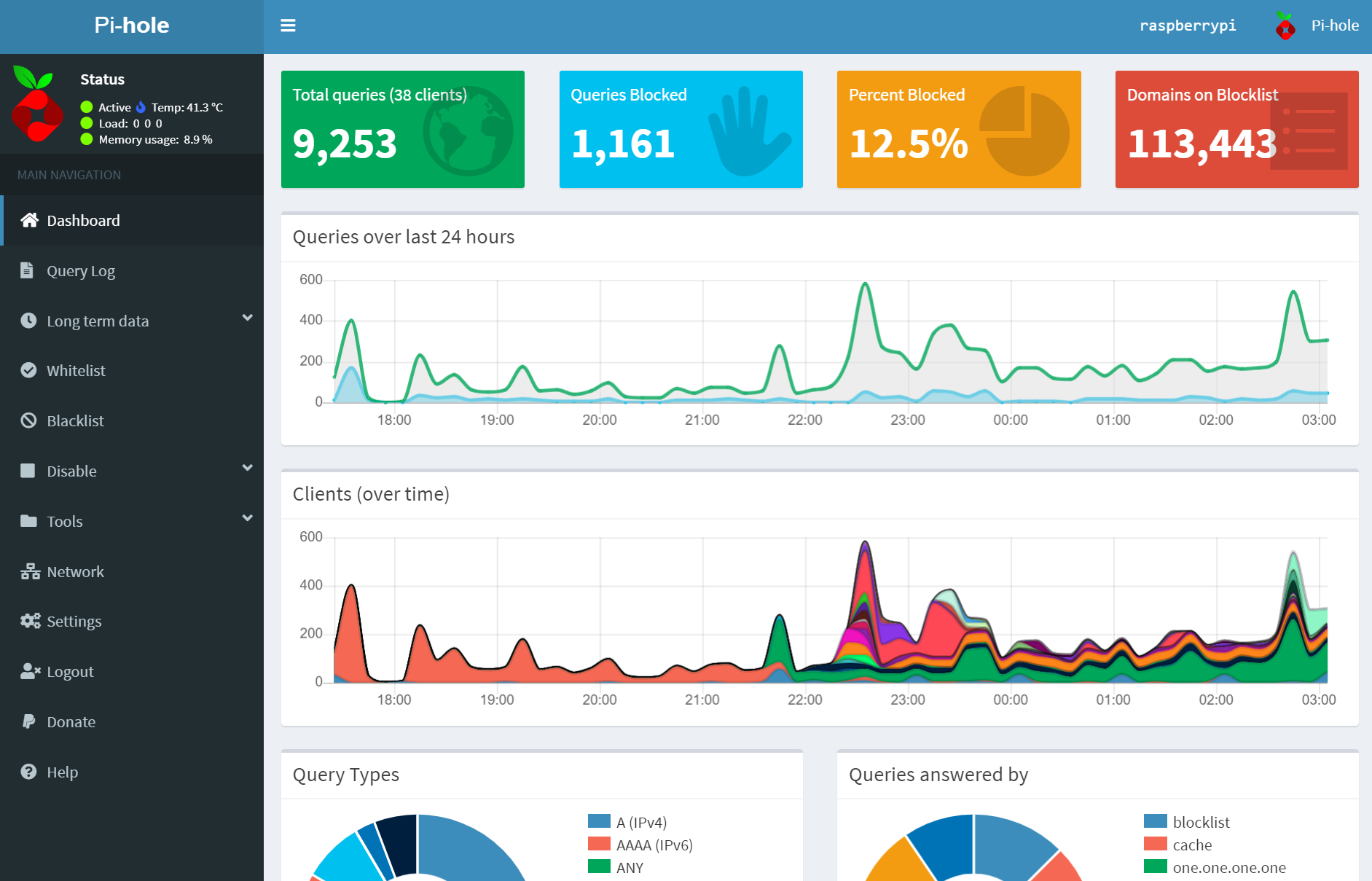
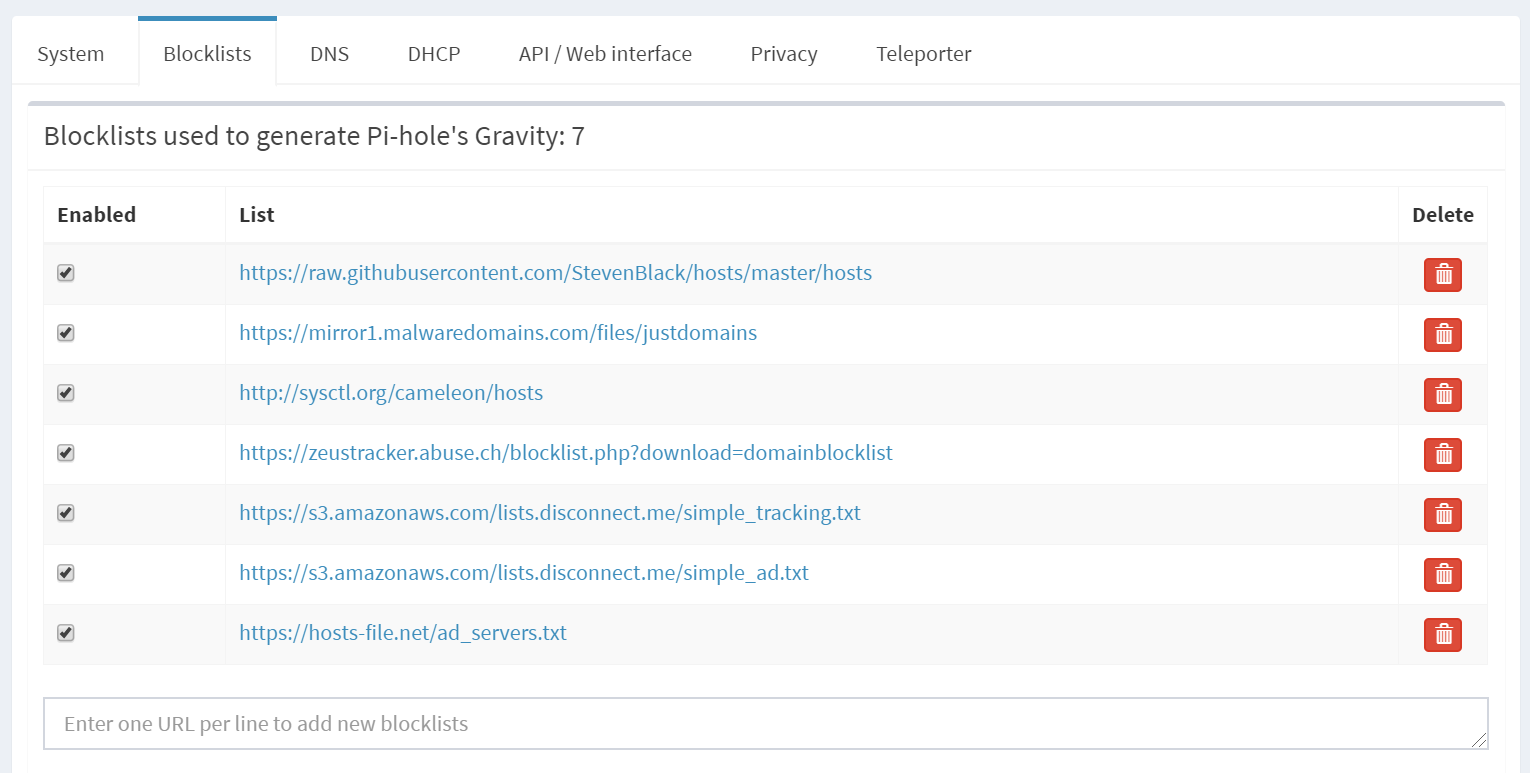
- Customization and Control: Users can easily add custom blacklists and whitelists to fine-tune their blocking preferences, allowing specific domains or ads if desired, or blocking additional unwanted content categories (e.g., social media trackers, specific malware sites). The web-based GUI provides an intuitive dashboard for management and monitoring.
- Cost-Effective and Energy Efficient: A Raspberry Pi, the recommended hardware for Pi-Hole, is inexpensive to purchase and consumes very little power, making it an environmentally friendly and economical solution for continuous ad blocking.
- Open Source and Community Driven: Being open source, Pi-Hole benefits from a vibrant community of developers and users who contribute to its development, maintain extensive blocklists, and provide support through forums and documentation. This collaborative model ensures its continuous improvement and adaptability to new ad tech.
Setting Up Your Own Digital Gatekeeper
The setup process for Pi-Hole, while requiring a basic understanding of network configuration, is surprisingly straightforward and well-documented. A typical installation can be completed within an hour. The primary hardware requirement is a Raspberry Pi, with models like the Raspberry Pi 3B+ or newer recommended for their native gigabit Ethernet and increased processing power, although virtually any Raspberry Pi with a wired Ethernet port can serve the purpose effectively. The importance of a wired connection cannot be overstated, as the Pi-Hole will become a critical network service.

The general steps involve:
- Installing a lightweight operating system (such as Raspberry Pi OS Lite) onto a microSD card for the Pi.
- Running the Pi-Hole installation script via the command line, which automates most of the software configuration and dependency installation.
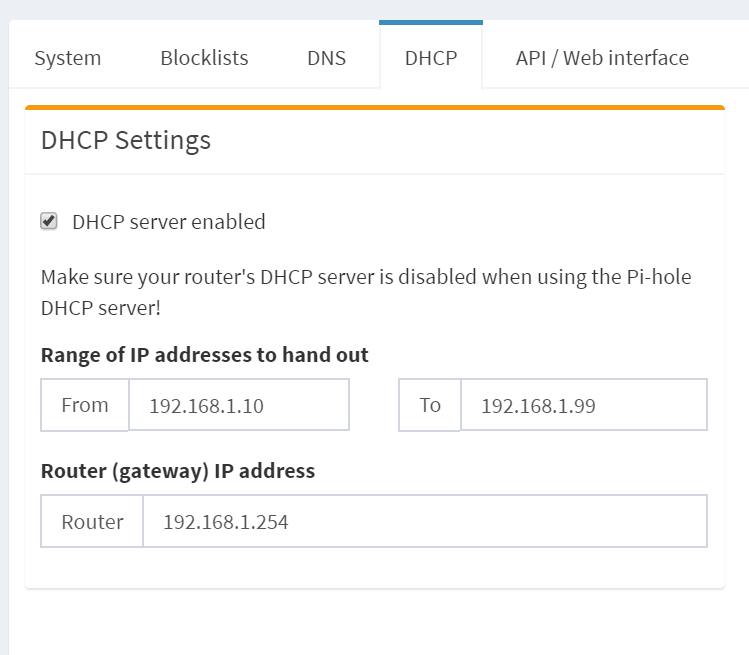
- Configuring your home router to assign the Pi-Hole’s static IP address as the primary DNS server for all devices on the network. For maximum coverage and simplified management, it is often recommended to disable the router’s internal DHCP server and allow Pi-Hole to act as the DHCP server itself. This ensures all devices automatically receive the Pi-Hole’s DNS settings upon connecting.
Once configured, Pi-Hole provides an intuitive web-based graphical user interface (GUI) that allows users to monitor blocked queries, manage blacklists and whitelists, and view comprehensive network statistics, offering complete transparency and control over the ad-blocking process. The system is designed for reliability; for enhanced stability, users can employ a cheap battery-backed USB power supply or even configure a second Raspberry Pi as a redundant secondary DNS server. Reverting to standard DNS is as simple as unplugging the Pi and re-enabling the router’s DHCP server, providing peace of mind for those concerned about potential issues.
The Future of a Leaner Web

The convergence of an increasingly bloated web, driven primarily by aggressive ad tech, and Google’s strategic moves to restrict browser-based ad blockers through Manifest V3, has created an urgent need for effective alternatives. Pi-Hole emerges as a powerful, user-empowering solution that allows individuals to take back control of their online experience. By shifting ad blocking from the browser to the network infrastructure, it offers a holistic defense against intrusive advertising and tracking, fostering a faster, more private, and genuinely user-centric digital environment across all connected devices. This shift represents a significant step towards a leaner, more efficient web, proving that sometimes, the most effective "exercise program" for the internet lies in a small, unassuming single-board computer. The ability to achieve network-wide ad blocking with relatively minimal effort makes Pi-Hole an increasingly compelling choice for any internet user seeking to escape the current digital clutter and enjoy a superior browsing experience.
About the Author