The global technology hardware sector reached a critical inflection point during the final week of June 2026, characterized by high-profile product launches from Valve and Meta, alongside significant price adjustments from Apple. These developments occur within a challenging macroeconomic environment defined by a global shortage of semiconductor components, specifically RAM and NAND storage chips, driven by the exponential expansion of artificial intelligence data centers. As legacy players and newcomers navigate these supply chain constraints, the industry is witnessing a strategic realignment of brand partnerships and executive talent.
Valve Re-enters the Hardware Market with Premium Steam Machine
On June 22, 2026, Valve officially launched its latest hardware iteration, the Steam Machine, marking a significant return to the living room gaming segment. While the device was met with considerable anticipation, its entry-level pricing has become a primary point of discussion within the industry. The Steam Machine is currently positioned as a high-end enthusiast device with the following price structure:
- 16GB RAM / 512GB Storage: $1,050
- 32GB RAM / 1TB Storage: $1,250
- 64GB RAM / 2TB Storage: $1,600
Industry analysts note that these price points are significantly higher than the consumer expectations established by Valve’s previous hardware successes, such as the Steam Deck. However, the pricing reflects a harsh reality in the global supply chain. The surge in demand for high-bandwidth memory (HBM) and high-capacity storage for AI training clusters has caused component costs to skyrocket. Valve’s original design specifications were reportedly intended for a more aggressive, lower price bracket, but the company was forced to adjust to maintain manufacturing margins.
Despite the high barrier to entry, the device’s integration with SteamOS remains a significant draw. Furthermore, the market has already seen the emergence of third-party "clones," particularly from Chinese manufacturers. These devices, which also utilize SteamOS, may provide a more affordable entry point for consumers while continuing to drive software revenue into Valve’s ecosystem. The launch also sets a high-cost precedent for the upcoming "Steam Frame," Valve’s highly anticipated virtual reality headset, which is expected to face similar component cost pressures.

Meta Diversifies Wearable Portfolio with First-Party Branding
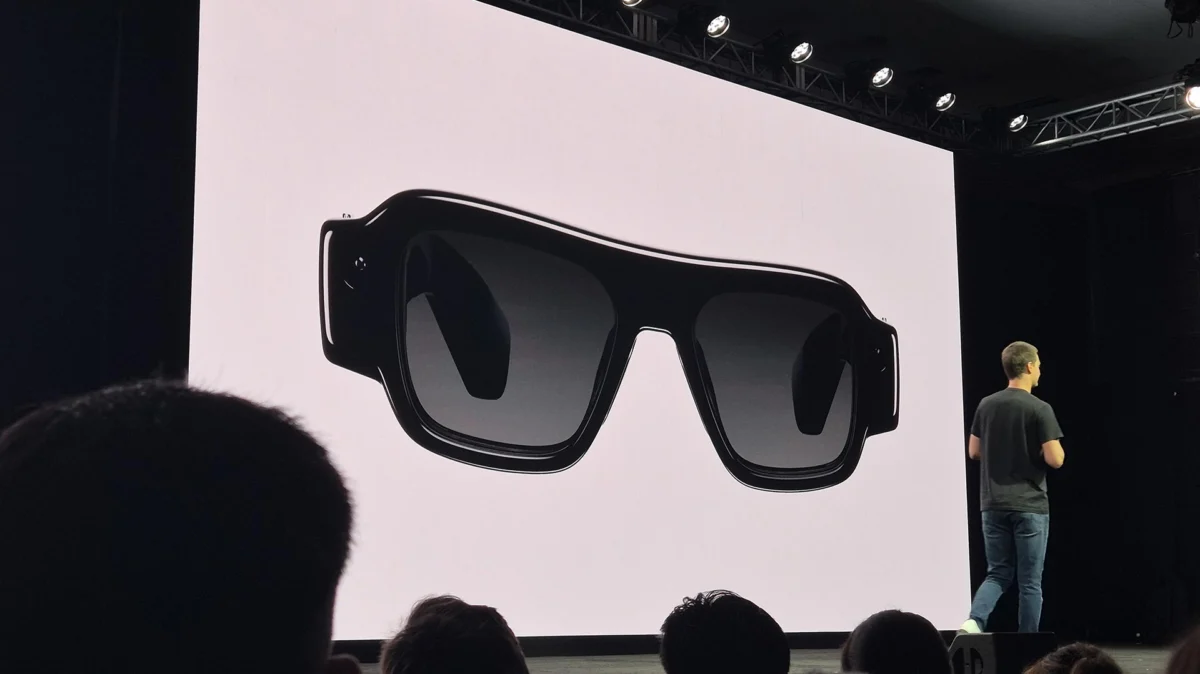
In a move to capture a broader demographic and test its own brand equity, Meta has introduced a new line of smartglasses that move away from the traditional Ray-Ban branding. While the partnership with EssilorLuxottica remains intact for manufacturing and distribution, these new devices feature exclusive Meta branding. The lineup is divided into three distinct styles:
- Adventurer: A ruggedized frame designed for outdoor activity, starting at $300.
- Fury: A modern, minimalist aesthetic, also starting at $300.
- Kylie Jenner Collection: A fashion-forward line co-designed with the media mogul, starting at $400.
By pricing the Adventurer and Fury models at $300—roughly $80 less than the standard Ray-Ban Meta glasses—the company is attempting to lower the barrier for smart wearable adoption. The inclusion of a Kylie Jenner-branded line suggests a strategic pivot toward female consumers and the fashion-conscious market, a segment traditionally underserved by tech-centric wearables.
The launch raises questions regarding the long-term future of the Meta-Luxottica relationship. While Meta claims the Ray-Ban models are selling beyond production capacity, the introduction of first-party branded glasses suggests the company is preparing for a potential future where it operates independently of third-party fashion labels. Simultaneously, Meta has announced a philanthropic initiative to provide these smartglasses free of charge to legally blind U.S. veterans, utilizing the device’s AI-driven environmental description features to assist with daily navigation.
EssilorLuxottica Bolsters Technological Independence
As Meta explores its own branding, EssilorLuxottica is making parallel moves to secure its own technological expertise. The eyewear giant recently signed a long-term joint development agreement with Applied Materials. This partnership aims to accelerate the development of next-generation optical systems, specifically focusing on advanced waveguides for augmented reality (AR) and AI-powered smartglasses. The collaboration will take place in a dedicated laboratory at Applied Materials’ Silicon Valley campus.
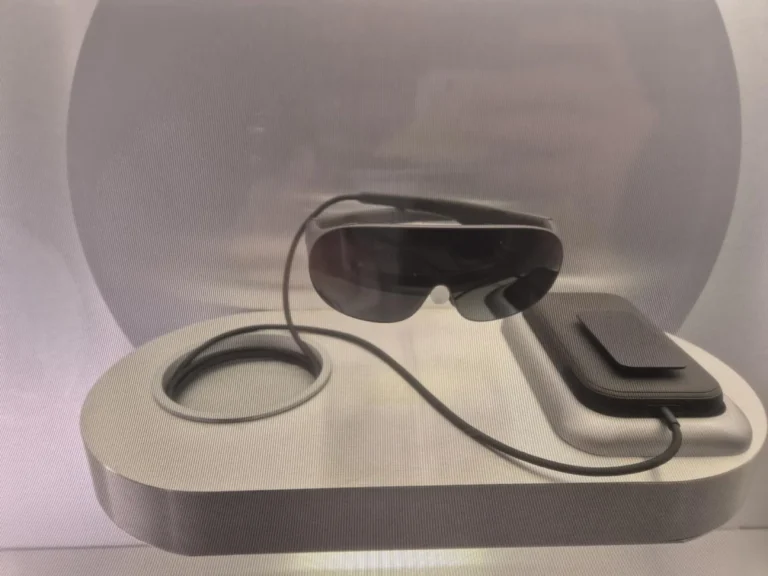
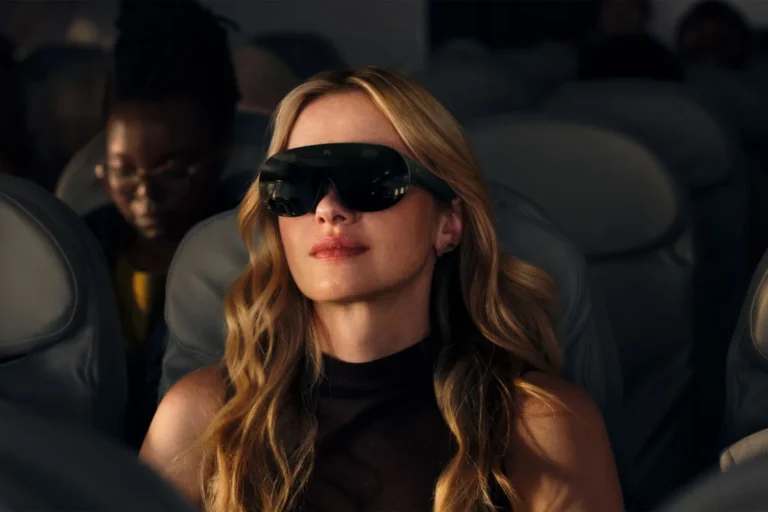
Furthermore, reports indicate that EssilorLuxottica has acquired the assets of Lynx, the French mixed-reality (MR) startup that recently entered liquidation. Lynx was known for its innovative R1 headset, which utilized a unique prism-based lens design to achieve a slim form factor. By absorbing Lynx’s intellectual property and hardware assets, Luxottica is positioning itself as more than a mere frame manufacturer, signaling an intent to own the core optical technologies that power the future of smart eyewear.

Apple Implements Price Hikes for Vision Pro Amid Supply Constraints
Apple has joined the trend of price adjustments, increasing the retail cost of the Apple Vision Pro across all storage tiers. The decision is directly attributed to the same component shortages affecting Valve, as the specialized RAM and storage modules required for the headset’s spatial computing tasks have become increasingly expensive to source.
The revised pricing for the Apple Vision Pro is as follows:
- 256GB Model: $3,699 (Increased from $3,499)
- 512GB Model: $3,899 (Increased from $3,699)
- 1TB Model: $4,099 (Increased from $3,899)
While a 5% increase is unlikely to deter the enterprise and high-net-worth consumers who currently make up the Vision Pro’s primary user base, it complicates Apple’s rumored plans for a more affordable "non-Pro" version of the headset. Market observers suggest that as long as AI data centers continue to prioritize high-end memory, the "race to the bottom" for VR/AR pricing will remain stalled.
Executive Shifts and the OpenAI Hardware Rumors
The hardware landscape was further shaken by the departure of Paul Meade, a longtime Apple executive who led the hardware engineering for the Vision Pro and future AR glasses. Meade is reportedly joining OpenAI to spearhead their emerging hardware division. This move coincides with a broader executive reshuffle at Apple, where Fletcher Rothkopf has been appointed to fill the vacancy.
Meade’s transition to OpenAI is particularly noteworthy given the ongoing rumors that OpenAI is collaborating with legendary designer Jony Ive on an AI-centric consumer device. Meade’s expertise in wearables and spatial computing suggests that OpenAI may be developing its own smartglasses or a dedicated AI hardware interface. This talent migration underscores the growing competition between established hardware giants and AI software leaders seeking to control the physical touchpoints of their services.

Industry Outlook and Market Sentiment
The final week of June also saw a mixture of broader industry updates. Snap Inc. is reportedly in negotiations with actor Robert Downey Jr. for a $100 million ambassador deal to promote its "Specs" AR glasses. This move reflects a continued reliance on high-profile celebrity endorsements to drive consumer interest in augmented reality.
However, the sector continues to face headwinds. Recent market data indicates a cooling of growth forecasts for the VR gaming market, leading to several high-profile layoffs at independent studios, including the developers behind Ghosts of Tabor. Conversely, the ecosystem saw some signs of resilience with the relaunch of Mixed News, an industry publication that was recently acquired by a new management team, ensuring continued journalistic coverage for the XR space.
As the industry moves into the second half of 2026, the primary challenge remains the balance between high-cost innovation and consumer accessibility. With component prices remaining volatile and executive talent shifting toward AI-first hardware, the next six months will likely determine which companies can successfully navigate the transition from niche enthusiast devices to mass-market wearables.
About the Author