The original founders of Bossfight Entertainment, a prominent game development studio previously acquired and subsequently shut down by streaming giant Netflix, are charting a new course by relaunching their company under the simplified moniker, Bossfight. This strategic move, announced yesterday, marks a significant return to independent operations for the seasoned development team, signaling both resilience in the face of corporate restructuring and a renewed commitment to their founding principles. The newly reformed studio is headquartered in Dallas, Texas, a burgeoning hub for interactive entertainment development.
Leading the charge for the revitalized Bossfight are familiar faces from its original incarnation: David Rippy steps into the role of CEO, with Bill Jackson serving as chief product officer, and Scott Winsett as COO. Their collective leadership underscores a deliberate effort to reconstruct the core creative and operational synergy that defined Bossfight Entertainment prior to its acquisition. Rippy articulated this sentiment in the official announcement, stating, "This is about bringing back the team that built Bossfight. We’ve created and scaled games side-by-side for well over a decade. Reuniting that leadership team under the Bossfight name—and returning to the principles that have guided us from the beginning—is something we’re incredibly excited about." This statement not only highlights the continuity of talent but also suggests a foundational philosophy centered on collaboration and established methodologies.
A Tumultuous Journey: Bossfight’s Path Through Acquisition and Closure
The narrative of Bossfight Entertainment’s journey through the corporate landscape offers a microcosm of the dynamic and often volatile nature of mergers and acquisitions within the video game industry, particularly as non-endemic tech giants venture into interactive entertainment. Netflix, in a strategic push to diversify its content offerings and engage its vast subscriber base beyond traditional streaming, embarked on an aggressive acquisition spree in the gaming sector.
In 2022, Netflix officially acquired Bossfight Entertainment. This acquisition was part of a broader, rapid expansion by the streaming platform into the gaming space, following its earlier purchases of Oxenfree developer Night School Studio and the Finnish mobile game developer Next Games. The acquisition of Next Games alone was valued at a substantial $72 million, underscoring Netflix’s serious intent to build a robust in-house game development capability. For Bossfight Entertainment, the acquisition by a global entertainment behemoth like Netflix presented an opportunity for increased resources, broader reach, and the potential to work on high-profile intellectual properties.
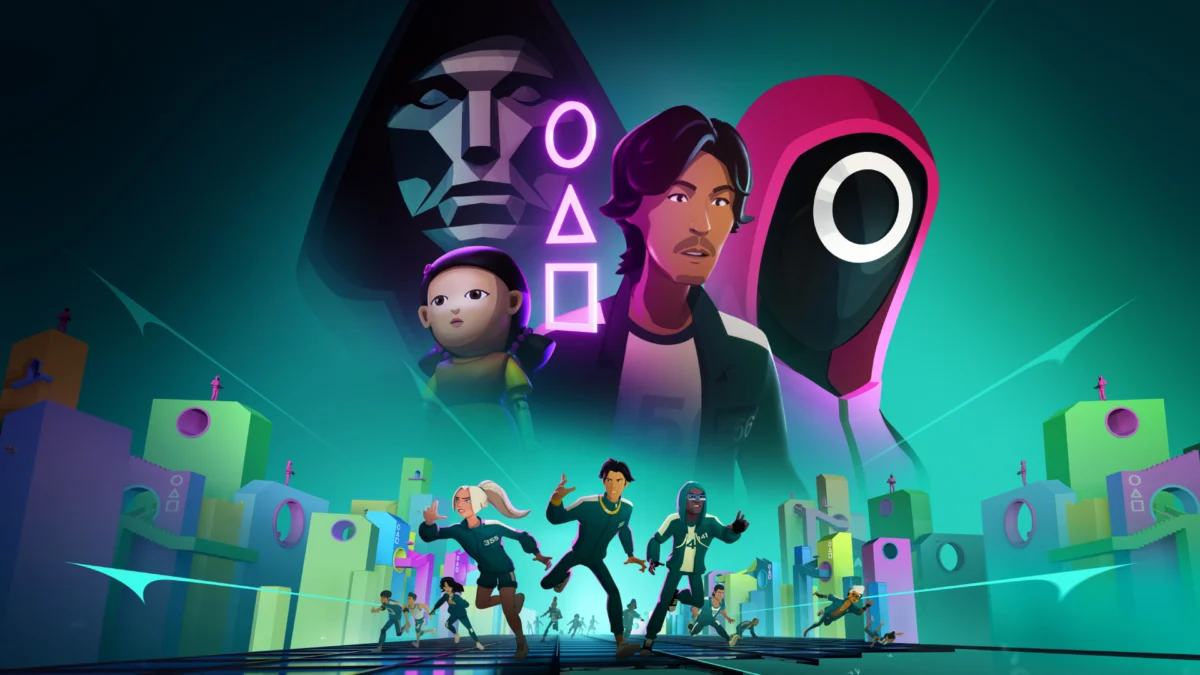
Under Netflix’s ownership, Bossfight Entertainment developed Squid Game: Unleashed, a title based on the wildly popular South Korean survival drama series. The game achieved considerable success, notably reaching the #1 position in 26 countries. This commercial and critical performance suggested a successful integration and utilization of the studio’s capabilities within Netflix’s gaming portfolio. However, despite this apparent success, the story took an unexpected turn.
Just three years after its acquisition, in October of last year, Netflix made the decision to shut down Bossfight Entertainment. The closure was part of a wider restructuring within Netflix’s gaming division, which saw several studios face similar fates or significant workforce reductions. At the time of the shutdown, CEO David Rippy described the situation as "rough," a sentiment that likely resonated with many employees impacted by the sudden closure, especially given the studio’s recent achievements. This paradox of a successful game coinciding with a studio closure highlights the complex metrics and shifting strategic priorities that often guide decisions within large corporations. For many in the industry, it raised questions about the long-term viability of acquiring and integrating diverse creative studios into larger, often less flexible, corporate structures.
Netflix’s Broader Gaming Ambitions and Evolving Strategy
Netflix’s foray into video games began with significant fanfare and an ambitious vision to leverage its existing subscriber base and extensive IP catalog. The company officially launched its gaming service in November 2021, initially offering a selection of mobile games to subscribers at no additional cost, free of ads or in-app purchases. This model was a direct response to increasing competition in the streaming wars and an acknowledgment of gaming’s immense market potential. The initial strategy focused on a mix of licensed titles, games based on Netflix IPs, and original productions from acquired studios.
The acquisitions of Night School Studio (known for narrative-driven indie games), Next Games (a mobile-focused studio with experience in licensed IPs like Stranger Things), and Bossfight Entertainment (specializing in mobile and free-to-play titles) were intended to build a diverse internal development capability. Netflix aimed to cultivate a library of games that would enhance subscriber value and potentially attract new users. However, the path has been fraught with challenges. Subscriber engagement with Netflix Games has reportedly been lower than anticipated, leading to continuous adjustments in strategy.
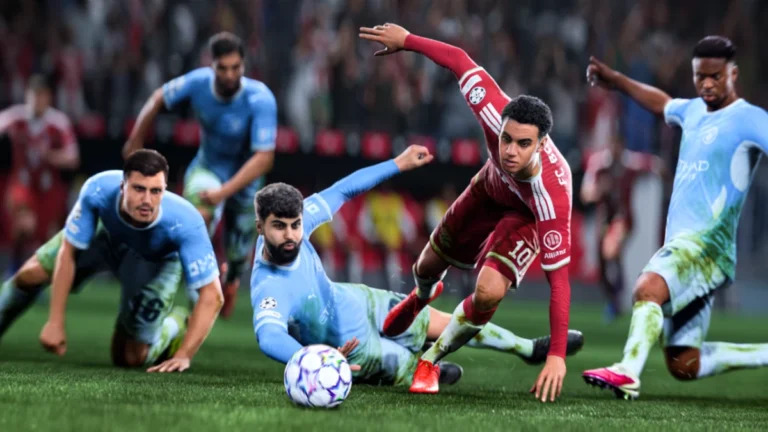
The closure of studios like Bossfight Entertainment, alongside reports of project cancellations and layoffs in other parts of its gaming division, indicates a recalibration of Netflix’s approach. This shift suggests a move away from a broad, multi-studio acquisition strategy towards a more focused, potentially leaner internal development model, complemented by strategic partnerships and licensing agreements. The company’s recent actions, such as partnering with FIFA for a new soccer game in December of last year and co-CEO Greg Peters’ emphasis on bringing cloud-based titles to television screens by 2026, underline a continued commitment to gaming, but with an evolving tactical execution. The rumored acquisition of Warner Bros. Games, which seemingly fell through to Paramount Skydance, further illustrates Netflix’s pursuit of significant IP and scale, even as it streamlines its internal studio operations.
.png?disable=upscale&width=1200&height=630&fit=crop)
The Rebirth: A New Blueprint for Independent Development
The relaunch of Bossfight is not merely a nostalgic return but a strategic pivot towards a development model designed for agility and creative control in the modern gaming landscape. The leadership team, having navigated both the successes and challenges of corporate ownership, is now implementing a structure intended to avoid the pitfalls often associated with large-scale corporate integration.
Scott Winsett, the COO, elaborated on this new operational philosophy, stating, "We intend to maintain a small, lean core team focused on creativity and execution, while leveraging trusted partners to help us scale team size as needed. That model allows us to stay agile while building games with the production quality players expect." This "lean core, partnered scaling" model is increasingly popular among experienced developers seeking to balance ambitious project goals with sustainable operational costs and creative freedom. It allows the core team to focus on design, innovation, and intellectual property development, while outsourcing specialized tasks like art assets, sound design, or extensive QA to trusted external partners. This approach minimizes fixed overheads, offers flexibility in project staffing, and can accelerate development cycles, crucial for staying competitive in the fast-paced PC and mobile markets.
Bossfight is currently working on an unannounced title for PC and mobile platforms. The choice of these platforms reflects the team’s historical expertise in mobile gaming, as demonstrated by Squid Game: Unleashed, while also expanding their reach into the broader PC market, known for its diverse player base and potential for deeper gameplay experiences. This dual-platform strategy allows Bossfight to tap into different market segments and revenue streams, enhancing their commercial viability as an independent studio.
Parallel Paths: Sunwise Games and the Resilience of Talent
The impact of Bossfight Entertainment’s closure by Netflix extended beyond the immediate leadership team, affecting numerous developers who had contributed to the studio’s success. In a testament to the strong talent pool and entrepreneurial spirit within the Dallas gaming community, a significant contingent of 26 former Bossfight Entertainment developers came together in January of this year to form a new studio called Sunwise Games.
Irin Berry, CEO and co-founder of Sunwise Games, announced on LinkedIn that the team was "already well into development" of its first title. This rapid formation and progression highlight the immediate drive and established workflow among the former colleagues. Furthermore, Sunwise Games is scheduled to unveil its inaugural project during GDC (Game Developers Conference) this week, signaling their readiness to re-enter the market with a fresh vision. The emergence of Sunwise Games alongside the relaunch of Bossfight underscores a broader trend: highly skilled development teams, when faced with corporate closures, often choose to reconstitute themselves, leveraging their collective experience and shared creative ethos to pursue new ventures independently. This phenomenon is a vital part of the industry’s ecosystem, ensuring that talent and innovation are not permanently lost but rather re-channeled into new creative endeavors.
Broader Industry Implications and the Future of Independent Development
The relaunch of Bossfight and the parallel emergence of Sunwise Games carry significant implications for the wider video game industry. Firstly, it serves as a potent reminder of the inherent challenges when large, often non-endemic, corporations acquire smaller, creatively driven studios. While acquisitions promise stability and resources, they can also lead to cultural clashes, shifts in strategic direction, and a loss of creative autonomy, ultimately resulting in situations where studios are shut down despite producing successful titles. The Squid Game: Unleashed paradox is a clear example of this disconnect between project success and corporate strategic fit.
Secondly, Bossfight’s return to independence champions the entrepreneurial spirit prevalent in game development. It demonstrates that experienced teams, even after experiencing corporate setbacks, are capable and willing to reclaim their creative destiny. This trend contributes to the health and diversity of the independent game development scene, fostering innovation that might otherwise be stifled within larger corporate structures. The "lean core" model adopted by the new Bossfight also reflects a growing industry trend towards more flexible and cost-effective development strategies, particularly in a period marked by significant industry layoffs and increased competition for talent and funding.
Finally, the developments surrounding Bossfight and Sunwise Games offer a nuanced perspective on Netflix’s evolving gaming strategy. While Netflix continues to experiment with cloud gaming and high-profile partnerships, the closure of internal studios like Bossfight suggests a critical evaluation of its direct development model. The company appears to be prioritizing scalable solutions and leveraging its existing content library and brand recognition over maintaining a large, in-house game development footprint.
In conclusion, the re-emergence of Bossfight under its original leadership team is more than just a business announcement; it is a narrative of resilience, adaptation, and the enduring power of creative vision within the video game industry. As they embark on developing their unannounced PC and mobile title, Bossfight embodies the spirit of independent development, ready to navigate the complexities of the modern market on its own terms, a testament to the belief that the best games often come from teams driven by passion and a shared sense of purpose.
About the Author