In a significant philanthropic announcement that underscores growing concerns about the accessibility of the American Dream, prominent tech entrepreneur Jeff Atwood, co-founder of the influential platforms Stack Overflow and Discourse, has committed to donating half of his remaining family wealth over the next five years. This substantial pledge, totaling millions of dollars, is aimed at supporting long-term initiatives designed to ensure that all Americans have genuine access to the foundational promise of life, liberty, and the pursuit of happiness. Atwood’s declaration comes at what he describes as an "unprecedented point in American history," highlighting a deep-seated worry that the very essence of the American Dream is becoming increasingly elusive for many.
The philanthropic initiative is multifaceted, addressing both immediate needs and systemic challenges. As an initial step, Atwood’s family has already made eight $1 million donations to various nonprofit groups actively engaged in assisting the most vulnerable populations across America. This immediate support is intended to provide crucial aid where it is most desperately required. Beyond these initial contributions, the more ambitious pledge of half his remaining wealth will target broader, more enduring societal improvements. Atwood explicitly frames this long-term commitment as an effort to build an "American Dream founded on love," emphasizing empathy, unity, and shared prosperity as core tenets.
A Personal Journey Fueling a Public Mission
Atwood’s profound commitment is rooted in his personal journey, a narrative that echoes the very ideal of the American Dream he now seeks to preserve. He recounts a childhood shaped by hardscrabble origins in rural West Virginia and North Carolina, where his parents, despite immense struggles, eventually clawed their way into the lower middle class. This period was marked by personal challenges, including his father’s alcoholism, which also affected his mother. The family’s eventual healing and cessation of drinking only occurred after his parents’ divorce when Atwood was 16, a turning point he credits with saving them from inevitable destruction. Despite these hardships, Atwood emphasizes that his parents instilled in him a profound understanding of unconditional love and the joy of sharing that love with others.
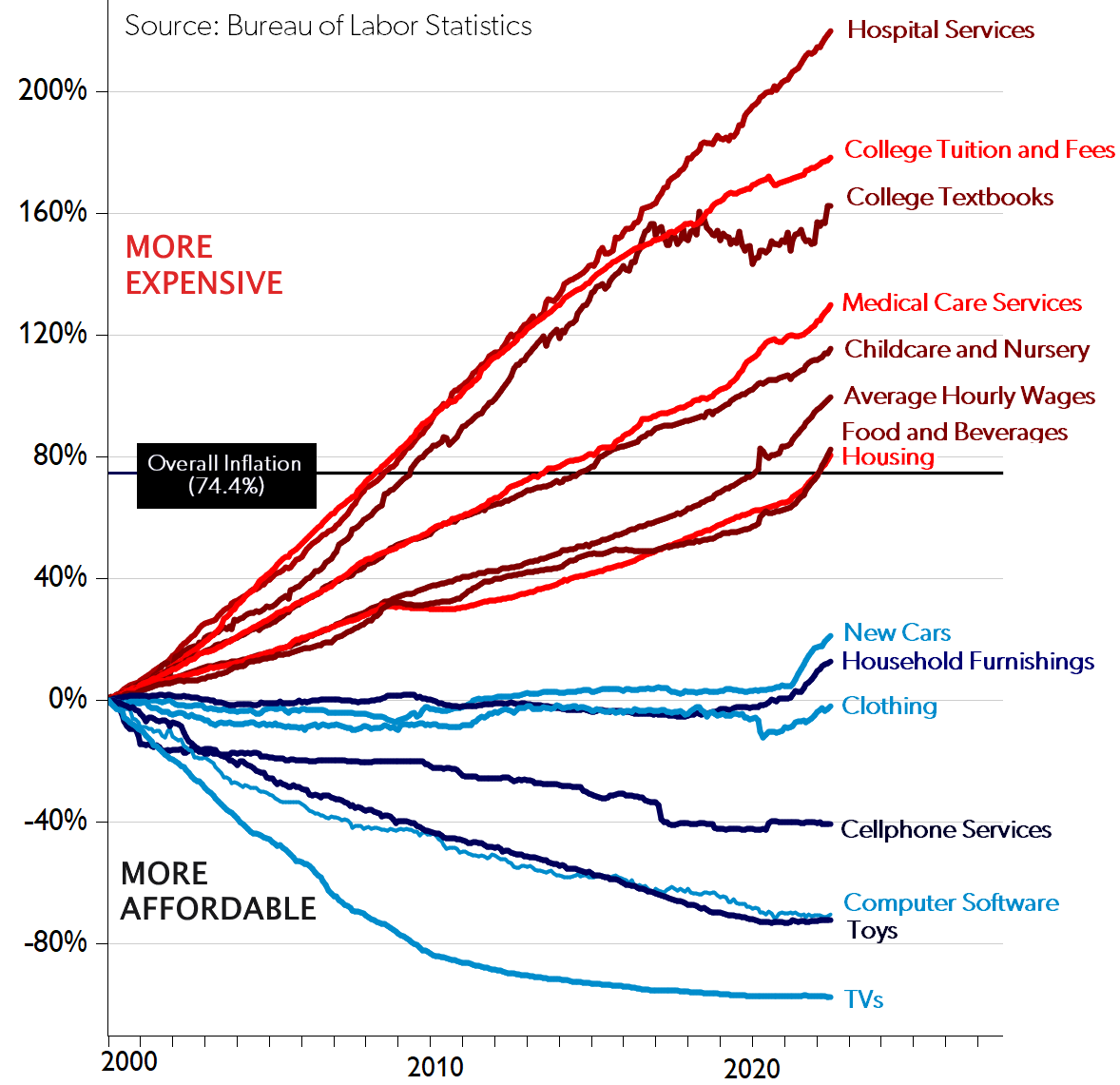
His educational path further illustrates the challenges faced by many striving for upward mobility. Atwood attended public schools in Chesterfield County, Virginia, and graduated from the University of Virginia, founded by Thomas Jefferson, in 1992. During his college years, he worked as a part-time cashier at Safeway, earning the federal minimum wage. He pieced together tuition payments through government Pell grants, scholarships, and other part-time jobs. This experience highlighted the financial precarity of higher education even then, when annual in-state tuition at UVA was approximately $3,000. Today, that same tuition stands at $23,000 per year, an eightfold increase in just three decades. This staggering rise in the cost of education, alongside escalating expenses for healthcare and housing, is cited by Atwood as fundamentally incompatible with the accessibility inherent in the American Dream.

Economic Disparities and Systemic Barriers
Atwood’s analysis extends beyond personal anecdotes to a critical examination of wider economic inequalities. He observes that after achieving significant personal wealth through his entrepreneurial endeavors, he gained a clearer, more disturbing perspective on the struggles of other Americans. The ease with which he can now disregard the cost of items, a stark contrast to his youth, underscores the vast economic chasm separating the affluent from the majority. He goes as far as to label the concept of being a billionaire as "unamerican," asserting that such extreme wealth creates an undeniable distance from the realities faced by most citizens.
His concerns are supported by data reflecting a worrying trend in wealth concentration. In 2012, the wealthiest 1% of Americans held 24% of the nation’s total wealth. By 2021, this figure had climbed to 30%. This domestic trend mirrors a global phenomenon, with the global top 1% now controlling nearly twice as much wealth as the rest of the world combined over the past two years. Atwood contrasts this with the vision of W.E.B. Du Bois, who argued that national prosperity should be measured not by the number of millionaires, but by "the absence of poverty, the prevalence of health, the efficiency of the public schools, and the number of people who can and do read worthwhile books." This perspective frames wealth accumulation not as an end in itself, but as a means to foster collective well-being.
Challenges to American Democracy
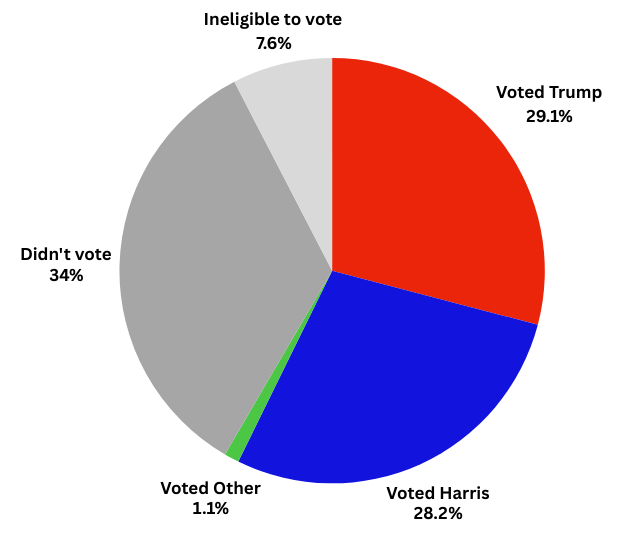
Beyond economic concerns, Atwood also expresses profound apprehension regarding the state of American democracy. He points to the outcomes of the November 2024 elections as a catalyst for his intensified philanthropic efforts, observing that a significant portion of the adult population — 34% — did not exercise their right to vote. When combined with the 7.6% of adults ineligible to vote (primarily non-citizens and individuals with felony convictions), this means 42% of adults living in America had no say in the election. Atwood questions the underlying causes for this widespread non-participation, citing potential factors such as voter suppression, gerrymandering-induced indifference, or a pervasive feeling that individual votes no longer hold sway. This low turnout, he argues, suggests that the vote "failed to represent everyone" and raises serious questions about the nation’s status as a leading democracy.
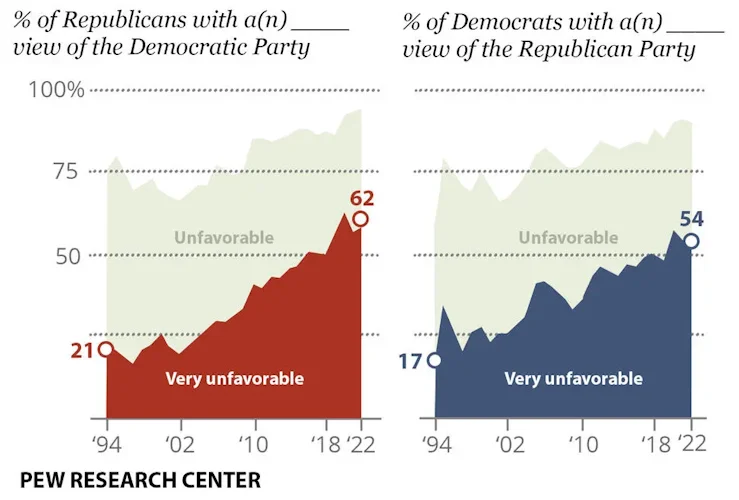
To address these democratic shortcomings, Atwood advocates for several electoral reforms aimed at increasing participation and ensuring fairer representation. These include designating Election Day as a national holiday, implementing universal mail-in voting, and adopting ranked-choice voting to give all votes more weight. He also calls for strengthening institutions critical to maintaining fair elections, such as state and local election boards and the Federal Election Commission. He believes that many Americans who did vote are signaling a loss of faith in the government’s ability to "keep America fair for everyone," a sentiment exacerbated by historically high and rising political polarization within the two-party system. This level of division, he warns, is not only counterproductive but potentially dangerous, threatening the shared belief in a common American Dream.
The Power of Digital Democracy and Empathy
Atwood draws parallels between his entrepreneurial successes and his vision for a revitalized American democracy. He recounts how, in 2008, he co-founded Stack Overflow with Joel Spolsky, a Q&A website that became a vital "digital democracy" for programmers. This platform, built on democratic principles of voting to rank questions and answers and holding elections for community moderators using ranked-choice voting, demonstrated the power of collective intelligence and self-governance.
Building on this experience, Atwood co-founded Discourse, a free, open-source tool designed for constructive, empathetic community discussions. Discourse emphasizes the importance of setting community-agreed boundaries and employing strong moderation to foster productive dialogue, even amidst disagreement. He champions "digital democracy and empathy" as crucial for navigating an increasingly digital world, stressing the need for individuals to extend kindness through screens, recognizing the person on the other side. Both Stack Overflow and Discourse, he notes, were conceived as "projects for the public good" that happened to be corporations, reflecting his belief in capitalism’s potential when aligned with broader societal benefit.
Historical Echoes and a Call to "Stay Gold"
Atwood’s call to action is deeply resonant with American cultural and historical touchstones. He reflects on attending a high school theater performance of S.E. Hinton’s The Outsiders, which illuminated the profound meaning of the iconic phrase "stay gold" – a message he interprets as "sharing the American Dream." This sentiment aligns with the core ideals of the Declaration of Independence, penned by the University of Virginia’s founder, Thomas Jefferson, which asserts the self-evident truths of equality and unalienable rights to "Life, Liberty and the pursuit of Happiness."
He acknowledges that the American Dream’s meaning can be distorted, referencing Jimi Hendrix’s iconic, powerful rendition of the national anthem at Woodstock as a musical embodiment of this struggle. Atwood ultimately frames the current national predicament as a choice between "the path of hate" and "the path of love," drawing on the wisdom of Martin Luther King Jr. and other figures who championed empathy and unity. His family’s pledge is therefore explicitly directed towards an "American Dream founded on love," signaling a deliberate choice of direction for their significant philanthropic investment.
Looking Forward: Engagement and Dialogue
Atwood emphasizes that there is "no single solution" to the complex challenges facing America and invites others to join him in "Sharing the American Dream." He has committed to advising and empowering individuals and organizations working towards similar goals. This initiative represents a significant private sector effort to address systemic issues at a time when political polarization has rendered government action increasingly slow. The last meaningful constitutional amendment in the U.S. in the past 60 years was the 26th Amendment in 1971, lowering the voting age, underscoring the current legislative gridlock.
The conversation around these critical issues will continue, with Atwood scheduled to co-present a "Rebuilding the American Dream: A Path Forward" talk with former National Security Council official Alexander Vindman at Cooper Union on Thursday, March 20th, at 7 PM Eastern time. This public forum aims to further explore the long-term efforts the Atwood family plans to support and to foster broader engagement in strengthening the American Dream for future generations. His message concludes with a heartfelt plea: "Stay gold, America."
About the Author