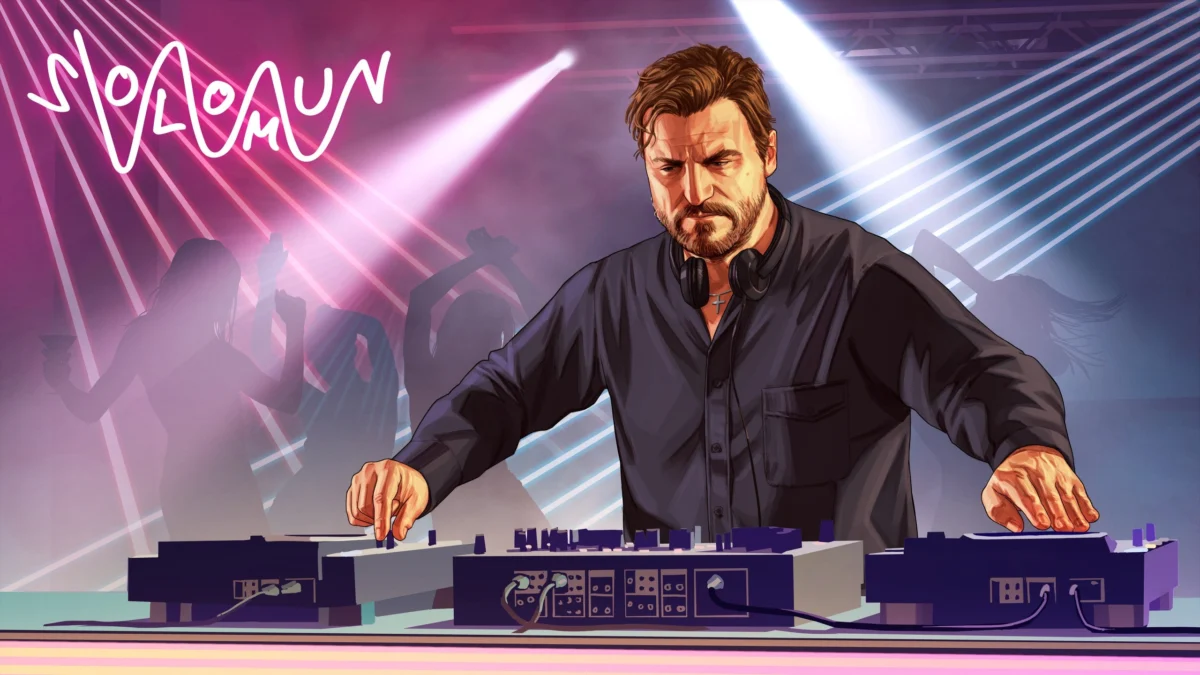
The fusion of music and video games, once a niche experiment, has evolved into a sophisticated industry in its own right, offering artists unprecedented avenues for exposure and connection with global audiences. This symbiotic relationship, which has blossomed over the past quarter-century, traces its roots back to groundbreaking titles like Wipeout, a game that, in 1995, boldly integrated the pulsating beats of UK electronica into its futuristic racing experience. The collaboration between Psygnosis, PlayStation, and seminal artists such as Leftfield, Orbital, and The Chemical Brothers, created not just a soundtrack, but a defining element of Wipeout’s identity. This innovative approach, lauded in contemporary reviews, set a precedent, demonstrating the profound impact that carefully curated music could have on a game’s atmosphere and appeal, leading to subsequent entries in the series featuring acts like The Prodigy and Paul Van Dyk, and solidifying Wipeout’s enduring association with the mid-’90s British dance music scene.
This fertile ground for musical integration has since matured. Today, dedicated teams of audio directors, music supervisors, and A&R experts meticulously craft the sonic landscapes of video games. Music finds its place in various forms, from in-game radio stations, as seen in franchises like Grand Theft Auto and Watch Dogs, to being deconstructed and repurposed for high-impact marketing materials such as launch trailers. The COVID-19 pandemic has further accelerated this trend, as live performance opportunities dwindled, pushing bands and artists to explore the expansive reach of gaming platforms to connect with new fan bases. Managers, agents, and record labels are increasingly recognizing video games as a crucial frontier for artist development and promotion. However, navigating the intricate world of music synchronization – the process of integrating music with visual media – often occurs behind closed doors, making it a complex landscape for newcomers to penetrate.
The Architects of Game Sound: Who Curates the Sonic Experience?
The selection of music for video games is a nuanced process, often driven by specialized teams within larger development studios. These in-house units, comprising music supervisors and A&R specialists, collaborate with record labels to identify tracks that align with a game’s vision. For studios that lack internal expertise, external music consultancy firms, such as Feel for Music, are engaged to manage music discovery and licensing according to specific project briefs. Ben Sumner, director at Feel for Music, highlights the diverse nature of these briefs, which are heavily influenced by the game’s genre, target audience, and the creative direction of the development team.
"Most people like music, but some are huge music fans from the off, and that often dictates at what point in the project we come in," Sumner explains. "Larger games will have audio directors, brand directors and game directors, all of which will have strong ideas on the sound they want to achieve with the game. Sometimes we come in and we’re just fine-tuning what’s already there. Other times, people don’t know what they want at all." He emphasizes the critical role of objectivity in their work: "A big part of our role is objectivity, because people’s music tastes are so subjective. It’s about trying to bring in that objectivity to show how music appeals to certain audiences, how it fits with the game, and the cultural cachet that brings in with the whole branding."
The exponential growth of the video game industry has significantly eased the process of demonstrating the value of these cross-industry collaborations to music stakeholders. Alex Hackford, head of A&R at Sony Interactive Entertainment America, notes a palpable shift: "The ease of access of having front-end conversations with labels and publishers about what the value of video game involvement… that bar has lowered because people have seen the impact of it. The ability for us to have more buy-in from partners in projects is getting a lot easier." Hackford points to successful initiatives like the four original tracks created for Marvel’s Spider-Man: Miles Morales, which were released across digital service providers, within the game, and physically, accompanied by gameplay music videos. Similar strategic integrations were pursued with RMCA for Death Stranding, underscoring a clear industry-wide ambition to deepen these musical partnerships.
Unlocking Discovery: Pathways for Artists to Be Heard
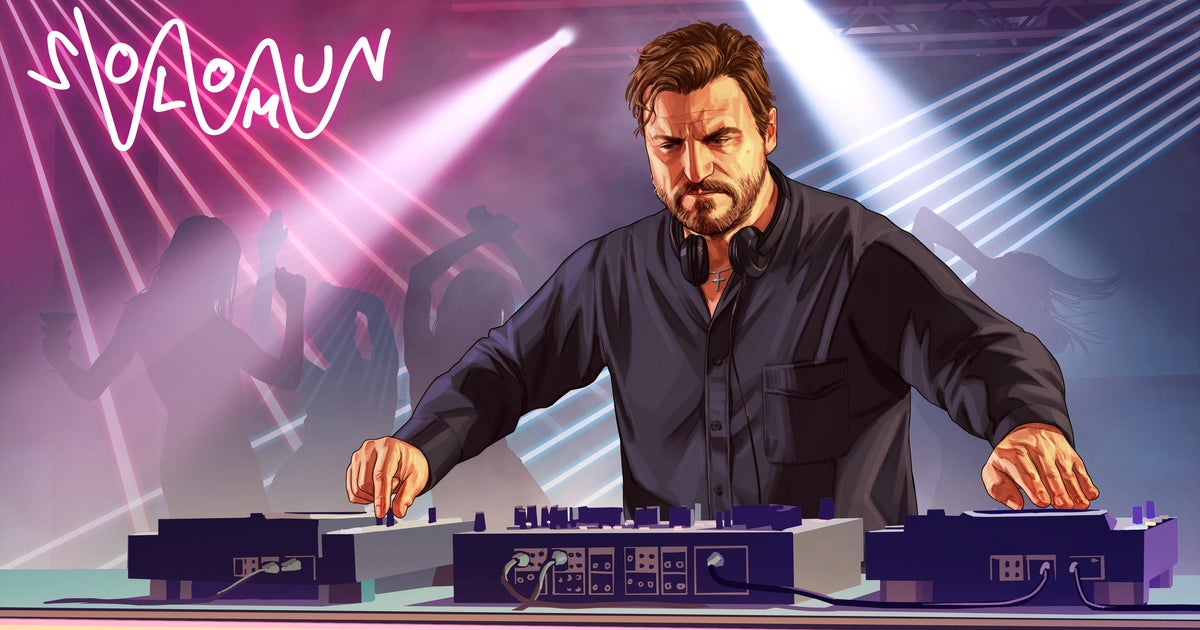
While the desire for widespread music dissemination is universal, the path to getting music featured in a video game is rarely straightforward. Duncan Smith, head of music at Sony Interactive Entertainment Europe, articulates the inherent variability: "Every game has different criteria, so it depends on what the game is trying to say and what kind of music it requires: is it gonna benefit from having a contemporary tracklist with big artists on there, or will it benefit looking at more obscure bands that can enhance the experience?"
In an era where music supervisors face an overwhelming volume of submissions, proactive strategies are essential for artists seeking to increase their chances of discovery. A fundamental step is ensuring music is accessible across all major streaming platforms, including Spotify, iTunes, Deezer, Google Play, and YouTube. Stephen Root, vice president of development creative services at Codemasters, frequently utilizes Spotify for its user-friendly interface and playlist-sharing capabilities. "I do use Spotify a lot because it’s nice and easy to use while also having a great interface," Root states. "When we were working on our soundtrack for Dirt 5 at the time, Spotify was an easy way to build a playlist and share it around with the key people in the company."
The benefits of broad accessibility can manifest in unexpected ways. Jim Hodge, vocalist for the metal band Mastiff, shared his surprise at being approached by CD Projekt Red, leading to their track "Acid Breather" being included in the highly anticipated Cyberpunk 2077. "We honestly thought it was a wind-up until we started speaking to them properly," Hodge recalled. "They wanted an unreleased track and we’d literally just been in the studio the month before to record. At the time, we were out of contract, which made it much easier to release the track. Having a track on one of the biggest games ever released is absolutely nuts, and hearing our music in the game still freaks us out."
While not a prerequisite, being signed to a major record label can provide a significant advantage, as label personnel actively work on placing their artists’ music. Stephen Root regularly attends specialized listening sessions with record labels, gaining insight into upcoming releases and artist development pipelines. "I spend most of my time working on who’s up and coming," he notes. "Figuring out which artists these labels are investing their time into and why they think are going to be really successful artists."
However, the landscape is far from exclusive to major label artists. A wealth of opportunities exists for independent and unsigned musicians. Root actively seeks out emerging talent, encouraging labels and managers to submit new material for consideration. "I always want to give people a shot," he asserts. "I’m really into up-and-coming new artists, so I say to people [labels and managers] throw all of the new stuff my way and let me wade through it."
Sony’s Duncan Smith echoes this sentiment, emphasizing that commercial success metrics are not the sole determinant of a track’s suitability. "One of the reasons I love this job is that, most of the time, we’re looking for music that enhances the experience of the game or scene. Most of the time, it doesn’t matter how many hits, streams or views that artist has had. The priority is to find music that enhances that experience, makes it compelling, and connects with the player. So in that sense, you don’t have to be on a major label."

Even within major entities like Sony, the pursuit of exceptional music transcends corporate affiliations. Tom Mackay, Sony’s president of premium content A&R, clarifies: "At the end of the day, good music is good music. Is there a predisposed goal to predominantly put Sony Music artists into our projects? Of course there is. But would I be shortsighted and at the same time potentially shackling the game or project by only considering Sony artists? Of course I would be. It’s a careful balance. If an amazing record came in that was perfect for the game and everybody loved it, we would never stand in the way of that."
Crafting a Unique Identity: The Power of Originality
Beyond accessibility and genre fit, developing a distinctive musical identity is paramount. Joe Henson of the musical composition duo The Flight stresses the importance of artistic authenticity: "Don’t just try and do what other people do because they already do that. Don’t just try and do epic, orchestral music because everybody does that. If you have a unique instrument, use that instrument." This sentiment is echoed by Duncan Smith, who believes that a one-of-a-kind sound significantly increases an artist’s potential to make a lasting impression. "Develop your own sound and have a strong identity. Don’t chase the tail of whatever is popular in games or in music sync," Smith advises. "Stick to the fundamentals of developing your own identity, and then make the effort to try and get in touch with the likes of myself and Alex. Find out what we’re working on, try and develop a relationship, and if you make the effort it will cut through. If you have a strong identity, we could end up coming back a year or so later if there’s something that requires your style — whether that’s industrial, drum ‘n’ bass, folk or whatever else. Do what you do and do it with passion."
Navigating the Pitch: Strategies for Effective Outreach
The challenge of getting an email opened by the right decision-makers is a significant hurdle. A strategic approach to outreach is therefore crucial. Understanding a game’s branding and identifying where an artist’s music might authentically fit is key. The NBA 2K series, for instance, is a natural home for rap and hip-hop, while Life is Strange leans towards indie and folk. Instead of a scattergun approach, artists should target titles and franchises that align with their sound. "You want there to be a seamless creative bond of connectivity between the artist and what they represent — what they sound like, what they look like and what they feel like, and how that fits with the game itself," explains Sony’s Tom Mackay. "You spend an immense amount of time with the director or the game developer to understand their vision, and then you meticulously start working through bands from all over the world to try to find those that will fit."
This meticulous research often pays dividends. By examining game credits, researching music supervisors and audio directors on platforms like LinkedIn, or scrutinizing YouTube descriptions of trailers, artists can identify relevant contacts. Ben Sumner suggests that this level of due diligence is often overlooked by applicants: "Most people don’t want to do that work," he notes.
For artists who lack the time or expertise to navigate this complex networking landscape, engaging professional representation is a viable option. Stephen Root encourages artists to communicate their interest in gaming opportunities to their management and agents, who can then proactively seek out suitable placements. "I would say to anybody that’s an artist, either on the cusp of being either signed or that has just been signed, to explain to their management about their level of interest in gaming," Root advises. "Ask them to find and approach companies to see where they can fit your music. I would definitely do that because I think it’s a really great thing to do."
Duncan Smith also recommends hiring a "sync rep" – a professional dedicated to identifying commercial opportunities and connecting artists with the right industry contacts. "It’s important to make the effort to find out what we’re working on, and I think that’s where third-party sync reps can help," Smith says. "Especially because it’s difficult to keep up to speed with what music supervisors are working on and develop that relationship. If you don’t have a label or a publisher with those types of relationships with music supervisors, find the right sync rep who can do that for you."

When making formal pitches, tailoring the approach to the specific individual and their projects is paramount. Alex Hackford emphasizes the importance of referencing games the recipient has worked on, rather than generic, cross-platform titles. "If you have a formal pitch, make sure you know who you’re pitching to and you’re referencing games that they’re working on, rather than referencing cross-platform products that aren’t gonna be as relevant to their work." Duncan Smith concurs, noting that personalized, effortful outreach stands out against mass, unaddressed emails. "Trying to develop a relationship and make the effort will always cut through – especially compared to some of the emails that we get where people have 50 different supervisors on one email and just hit send, without making the effort to find out what we’re working on."
Feel for Music, a busy music consultancy, receives an average of 200-250 emails daily from artists seeking game placements. Ben Sumner acknowledges the sheer volume, but stresses that persistence and a focused approach can still yield results. "It might be hard for us to check out your music, but if you’re persistent, focused, and understand the places where your music might fit, that’s a great starting point," he explains. "Most people that get in touch with us, we’ll give them a chance. If someone drops me an email and it gets missed but sends me a follow-up, I’ll make sure it gets checked." This persistent, yet targeted, approach was instrumental in securing Sufjan Stevens’ music for the Life is Strange spin-off, The Amazing Adventures of Captain Spirit.
Technical Specifications and Creative Flexibility
Beyond the initial outreach, technical preparedness is vital. Artists must ensure their music is available in a wide array of file formats. For trailer placements, access to isolated instrument tracks, known as "stems," alongside complete stereo files, is often required. "Having your music in the right formats is really important," Sumner emphasizes. "Do you have the instrumental version and do you have the vocals? We’re always going to need stems. If I put something into a trailer I have to rework it." Furthermore, artists can enhance their offerings by providing rearranged versions of their tracks, structured to better suit trailer intros, bridges, and outros, rather than conventional verse-chorus formats.
The games industry, as The Flight’s Joe Henson notes, can be particularly challenging to penetrate, often characterized by strict non-disclosure agreements (NDAs) that limit pre-release information. "With film and TV, you can find out what’s going into production — you can meet people and they’ll tell you what’s happening. In games, you sometimes won’t know what people are working on until you have that initial big meeting. We’ll finish working with Ubisoft and have no idea what they’re doing next. Work comes completely out of the blue, and because of all the NDAs, video games can sometimes be difficult to get into." However, for annual franchises like FIFA and Call of Duty, artists can strategically align their music release plans with the established development cycles. Alex Hackford explains that music is typically finalized eight to ten months pre-release, offering a window for pitching. Additionally, offering unreleased music can be a significant advantage for studios looking to debut new tracks.
Navigating the Licensing Landscape and Maximizing Collaboration
Licensing music involves intricate rights management. Artists and labels must have a clear understanding of who owns the various rights to a song to avoid complications. Alex Hackford highlights a scenario where ownership disputes led to a promising track being dropped, underscoring the need for clarity from the outset. "I’m dealing with a scenario now where there’s a track I really like but there’s a lot of questions around ownership, so I’m probably gonna have to drop it. That’s the last thing you want when you’ve already got as far as getting the song into someone’s hands."
Beyond the fee, artists are encouraged to explore additional avenues for value creation. This can include cross-promotional activities, such as integrating album artwork into game skins, as exemplified by DJ Shadow’s collaboration on Driveclub. "I love it if a manager says, the fee is whatever, but what else can you do for my artist," says Duncan Smith. "DJ Shadow’s manager had that conversation when I was working on Driveclub — we ended up skinning cars in the game with his album artwork, and that was purely from the manager being interested and asking questions that got me thinking and talking to the team. Always ask yourself ‘what else is out there’ and if you can you do any cross-promotion."

The band Broken Witt Rebels exemplified this proactive approach by creating a music video using gameplay footage for their placement in Dirt 5, a move that was highly appreciated by the Codemasters team. "One of the exclusives was a band called Broken Witt Rebels. They didn’t just come in; they went all in and even made a music video using gameplay footage. We loved that," recalls Stephen Root.
Budgetary considerations are crucial for music placements. Stephen Root outlines a tiered fee structure for Dirt 5, accommodating up-and-coming artists, those in the mid-tier, and established headliners. "I look at the overall budgeting from the start and then I think about that and look at how many tracks it could potentially give us, as well as how that would break down across the game. I set three tiers of fees in terms of what I would look at. The way that broke out was splitting it between up-and-coming or newer artists, artists that were in the sort of middle ground of success, and then finally the big hitters."
While the prospect of significant financial gain from individual placements is often tempered by fixed-rate licensing, the long-term benefits can be substantial. In the early days of Grand Theft Auto, royalties were offered, proving highly lucrative for contributing artists. However, Ben Sumner notes that this model has largely shifted to fixed fees, with royalties becoming rarer, though exceptions exist for certain European performance rights organizations and some mobile games. Duncan Smith advocates for realistic expectations and a collaborative spirit, emphasizing that positive working relationships can foster repeat business and long-term partnerships over one-off deals. "Try to have realistic expectations about a deal. Don’t get crazy imagining you’re gonna have a life-changing sum of money in your pockets. It’s more about being realistic, in addition to being good to work with, being helpful, and providing us with all the stuff we need. If we have a positive experience working with the artist, label or the publisher, we’re more likely to come back to you. So you can build up repeat business and a long-term relationship, rather than just a one-off fee."
The Evolving Impact: Games as a Launchpad for Musical Careers
The influence of music placement in video games can be transformative. John Feldmann, lead singer of Goldfinger, famously attributed the massive success of their song "Superman" to its inclusion in Tony Hawk’s Pro Skater, calling it "the biggest song we’ve ever written." For many artists, appearing in these interactive worlds serves as a prestigious "badge of honor."
The recent phenomenon of artists debuting new music within video games offers an immediate channel to millions of players. Alex Hackford cites the example of independent artist Lecrae, whose streaming numbers saw a significant surge following the release of two original tracks for Marvel’s Spider-Man: Miles Morales. "He [Lecrae] is an independent artist at this stage, so that jump in audience and reach from having access to a game like Spider-Man: Miles Morales is substantial."
The symbiotic relationship between the gaming and music industries continues to deepen. Hideo Kojima’s Death Stranding featured new music from a diverse roster of artists, while the COVID-19 pandemic has spurred further integration, evidenced by GTA V Online’s massive 250-track DLC update and collaborations between artists like Katy Perry and Post Malone with The Pokémon Company.

Tom Mackay of Sony foresees an increasingly dominant role for the gaming industry in shaping music industry strategies. "The gaming industry will play a larger and larger role in the overall way in which the music industry thinks, operates and strategizes every day going forward," Mackay predicts. "I think the reasons for that is because of A), the effectiveness in the marketplace when you get it right, and B), the natural joy and excitement it brings to both the artists and fans. What I can say with confidence is what has been achieved so far is a literal scratching of the surface. These gaming platforms are the new water cooler. They are the news meeting place, especially for millennials and for younger generations." As technology advances and player bases expand, the synergy between music and video games is poised to redefine cultural landscapes and artist development for years to come.
About the Author