The landscape of modern game development is continually evolving, with player expectations for rich, persistent worlds and seamless experiences reaching unprecedented heights. In response to this demand, Unreal Engine 5 (UE5) has reinforced its commitment to developer efficiency and game quality through its sophisticated, built-in SaveGame system. This critical feature, designed to simplify the complex process of storing and retrieving game data, is poised to empower both independent creators and large studios to deliver more immersive and uninterrupted gameplay experiences. The integration of such a robust, yet accessible, system directly within the engine signifies a major stride in making advanced game mechanics more attainable for a broader developer base.
The Critical Role of Data Persistence in Modern Gaming
In today’s gaming ecosystem, the ability to save and load game progress is not merely a convenience but a fundamental expectation. From expansive open-world adventures where players invest hundreds of hours, to intricate RPGs demanding meticulous record-keeping of character stats and quest progression, data persistence underpins the entire player journey. Without a reliable save system, players face the frustration of lost progress, a factor that can severely impact game retention and overall satisfaction. Industry data consistently shows that games with robust and intuitive save/load mechanics boast higher engagement rates and more positive player reviews. A 2023 survey by the Game Developers Conference highlighted that "seamless progress saving" ranked among the top five features players expect, underscoring its non-negotiable status. The complexities involved in managing diverse data types – from player inventories and world states to character positions and quest logs – traditionally required significant custom engineering effort, often consuming valuable development resources that could otherwise be allocated to creative design and gameplay innovation.
Unreal Engine’s Strategic Approach to Game Data Management
Recognizing the foundational importance of data persistence, Epic Games has engineered the SaveGame system within Unreal Engine to be both powerful and developer-friendly. This system abstracts much of the underlying file handling, allowing developers to focus on what data needs to be saved rather than how it is technically written to or read from disk. The core of this system revolves around a dedicated SaveGame class, a specialized blueprint designed explicitly for data serialization. This class acts as a container, allowing developers to define and manage all the variables pertinent to a game’s state that require persistence. This streamlined approach minimizes the boilerplate code and complex file I/O operations that have historically been a significant hurdle, particularly for smaller teams or individual developers. The system’s design philosophy emphasizes flexibility, supporting nearly all variable types, from simple integers and booleans to complex vectors, arrays, and even custom data structures, ensuring comprehensive coverage for virtually any game’s data requirements.
Technical Architecture: The SaveGame Class and Its Versatility
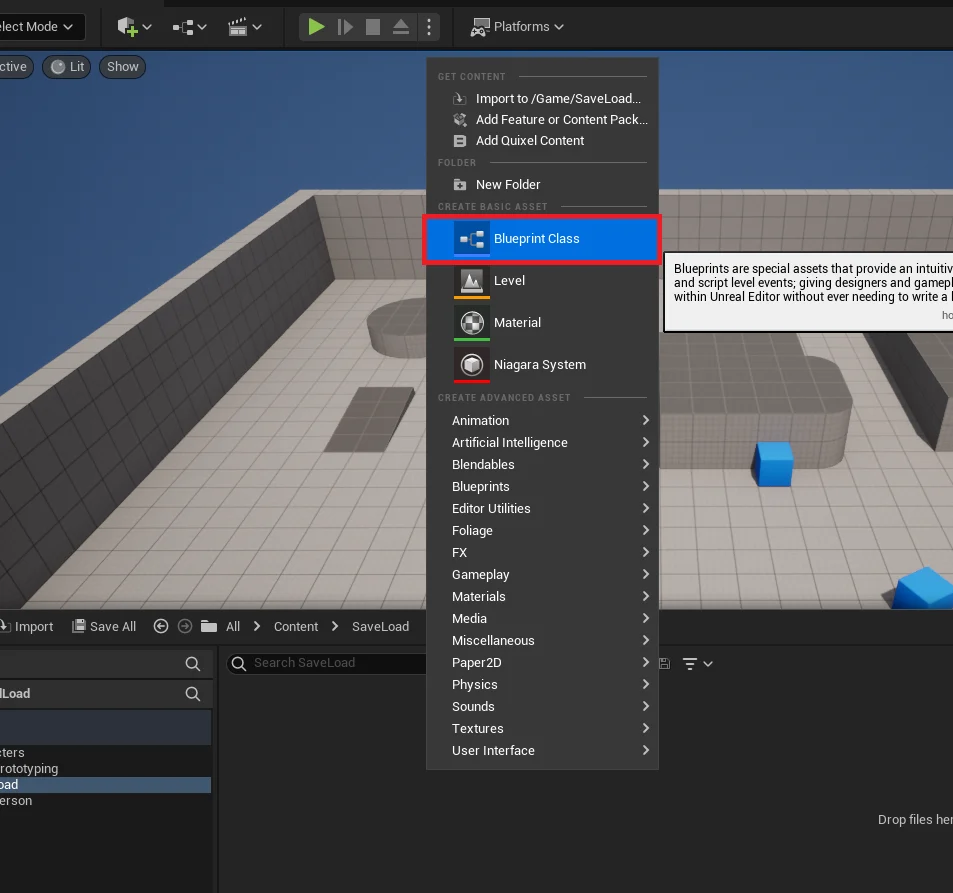
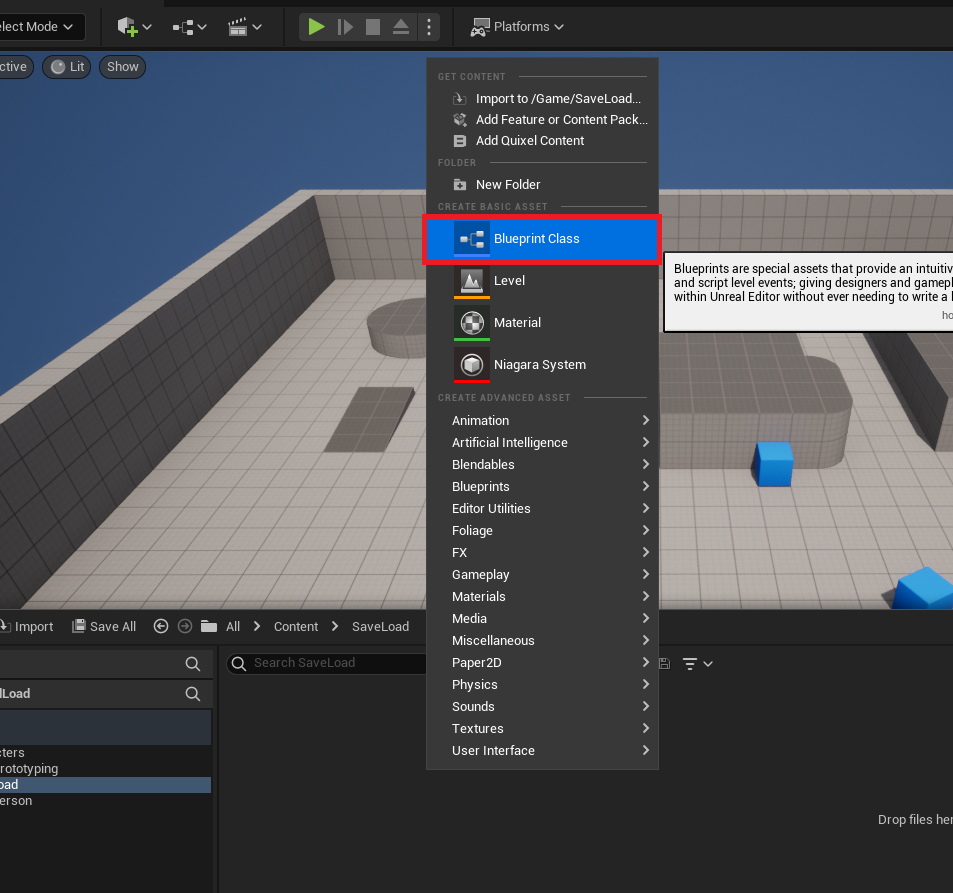
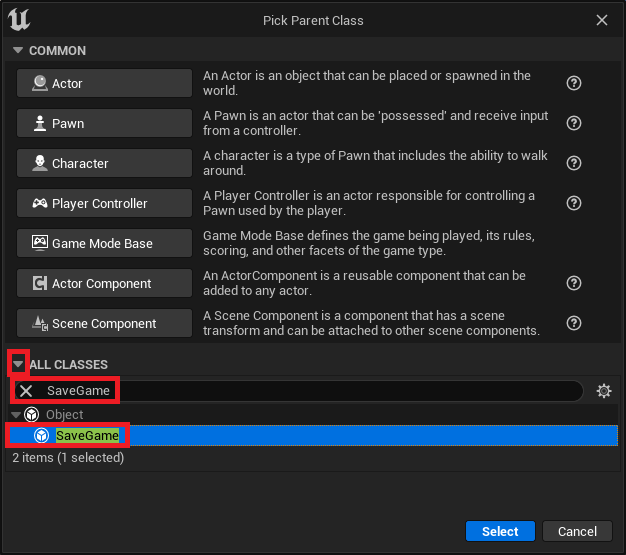
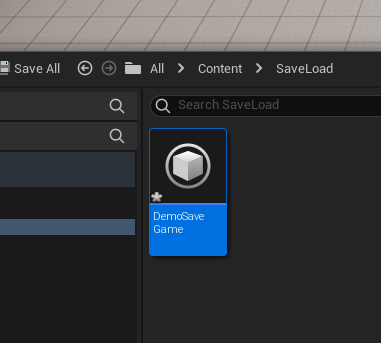
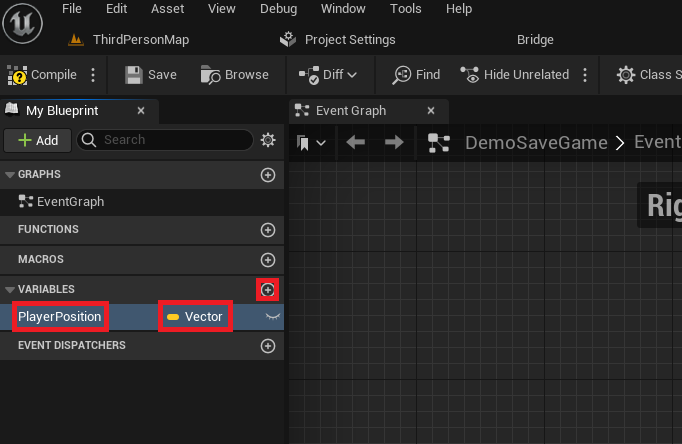
At the heart of Unreal Engine’s data persistence solution is the SaveGame class. This blueprintable class serves as a schema for the data that will be stored. Developers initiate the process by creating a new Blueprint Class derived from the base SaveGame class. This custom class then becomes the central repository for all savable game variables. For instance, a common application involves saving the player’s last known position, which can be represented by a Vector variable within the custom SaveGame blueprint. The power of this approach lies in its extensibility; developers can add as many variables as needed to capture the full scope of their game’s state, from player health and inventory items to environmental changes and quest progress.
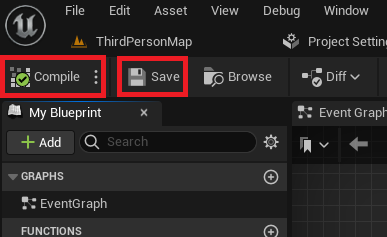
Once defined and compiled, these variables are then written to a physical file on the user’s machine. The system automatically handles the serialization and deserialization processes, converting in-game data structures into a format suitable for disk storage and vice-versa. The location of these save files is standardized across different operating systems, ensuring predictable behavior and ease of debugging:
- Windows: Typically located in the local Appdata folder, offering a user-specific and hidden location.
- macOS: Stored within the
Library/Application Supportdirectory, adhering to Apple’s file system conventions. - Linux: Found in the user’s
~/.local/sharedirectory, aligning with common Linux application data storage practices.
This standardized file management further simplifies cross-platform development and support, reducing potential headaches related to file permissions or unexpected save file locations.
Implementing the Persistence Logic: Game Instance and Custom Events
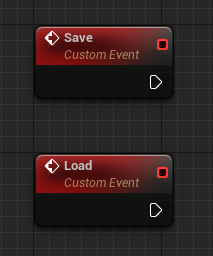
To effectively manage when and how data is saved and loaded, Unreal Engine developers are guided to integrate the system primarily through a custom Game Instance. The Game Instance is a crucial, persistent object that exists for the entire duration of a game session, surviving level transitions and map changes. This makes it an ideal central hub for managing global game state and, by extension, save/load operations. Developers typically define custom events within their Game Instance blueprint, such as "Save" and "Load," to encapsulate the persistence logic.

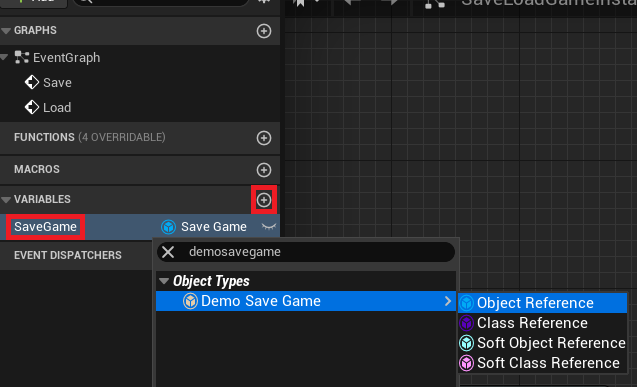
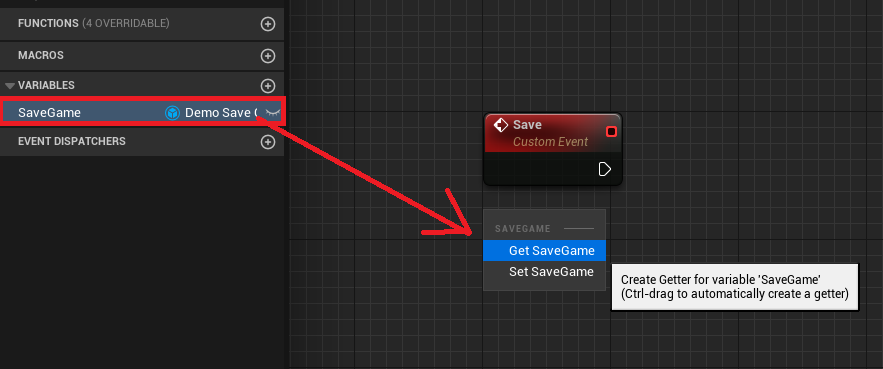
A key variable within the Game Instance is a reference to the custom SaveGame class created earlier. This reference acts as the active container for the game’s savable data during runtime. When a "Load" event is triggered, the system first checks for the existence of a save file using a designated "slot name." This slot name serves as a unique identifier for each save file, allowing for multiple save slots if desired (e.g., "Slot1," "Autosave"). The decision to use a custom Game Instance as the orchestrator for these operations ensures that the save/load functionality is robust, globally accessible, and decoupled from individual levels or temporary actors, thereby promoting modular and scalable game architecture.

Ensuring Data Integrity: Conditional Loading and Creation
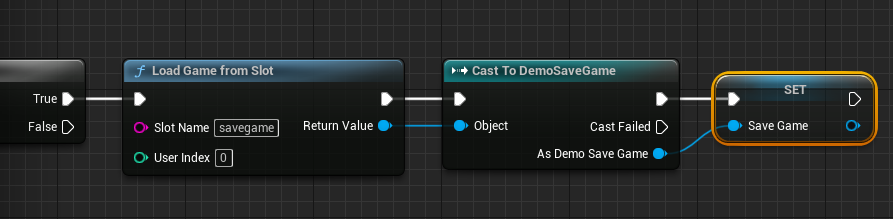
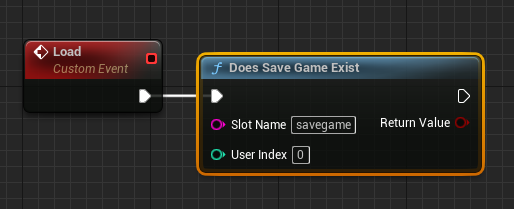
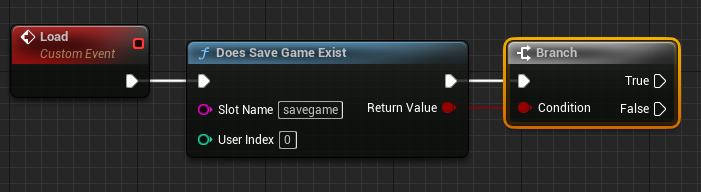
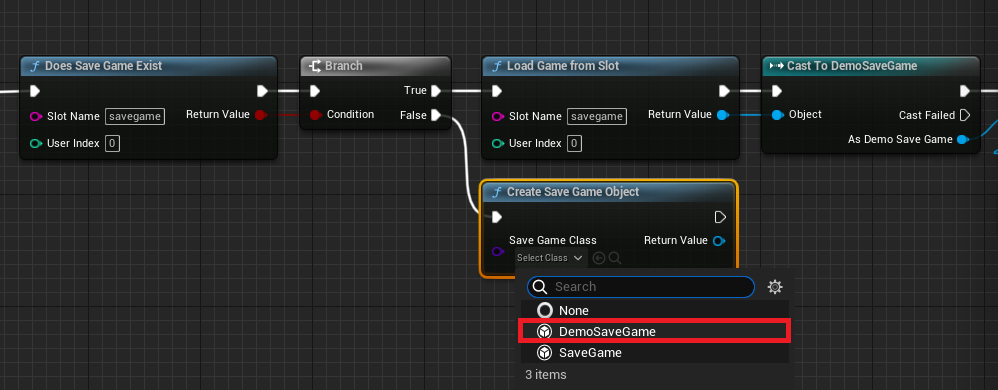
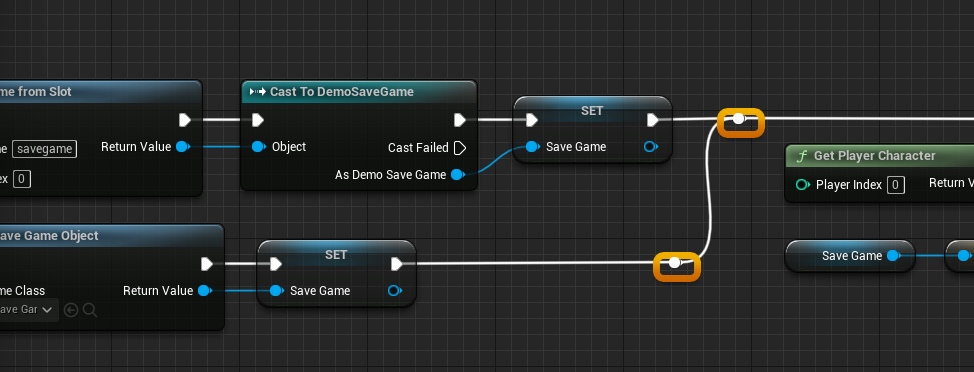
A critical aspect of any robust save system is gracefully handling scenarios where a save file might not exist (e.g., a player’s first launch of the game or a deleted save). Unreal Engine’s SaveGame system addresses this with conditional logic. Upon a "Load" event, the system first executes a Does Save Game Exist check against the specified slot name. This branching logic is fundamental to preventing errors and ensuring a smooth user experience.
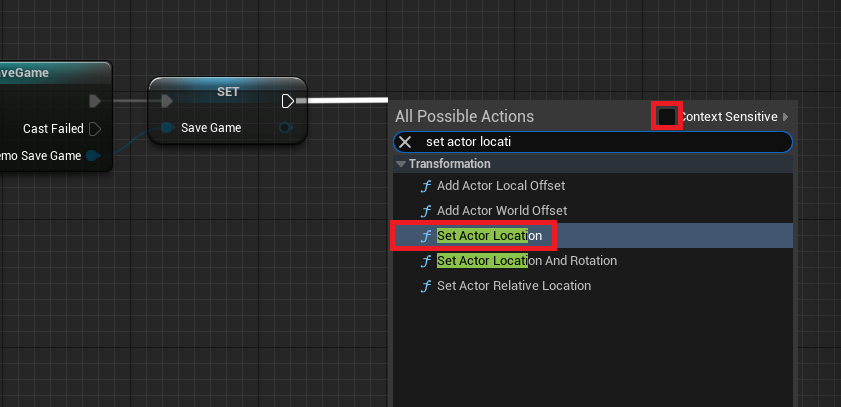
- If a save file exists (True branch): The system proceeds to
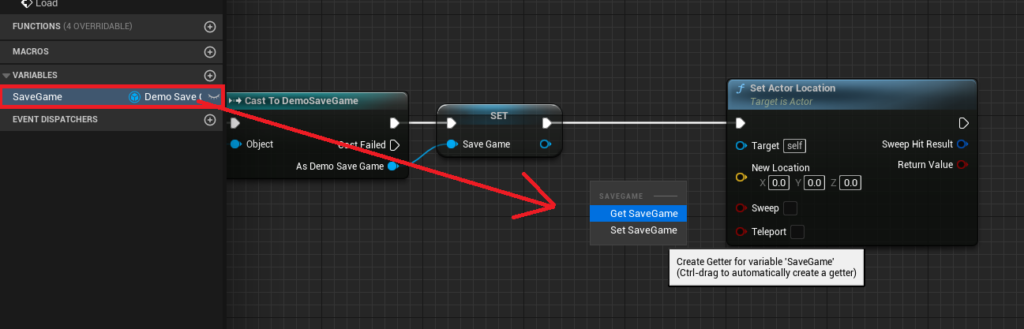
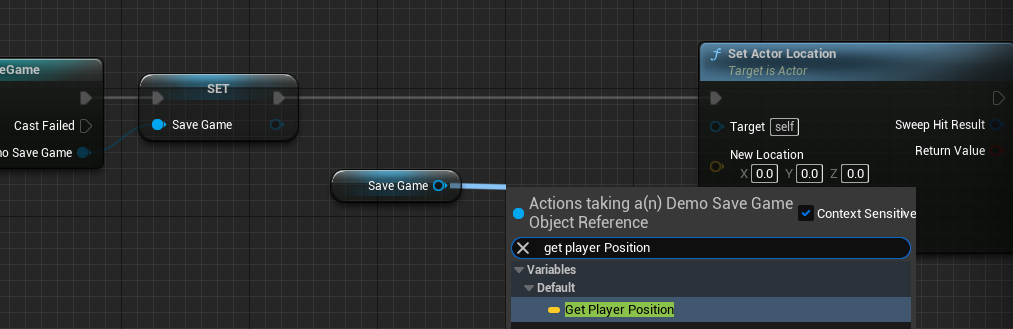
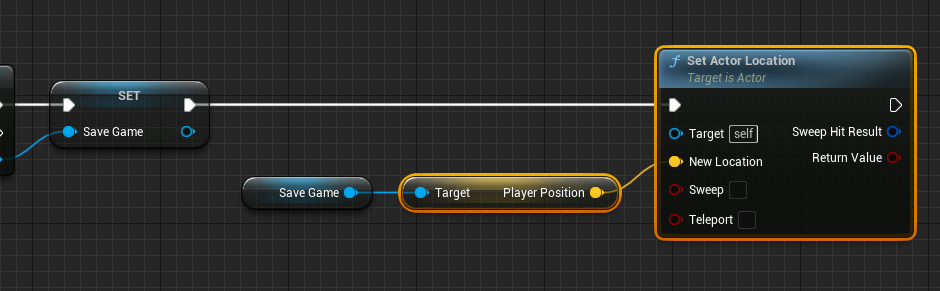
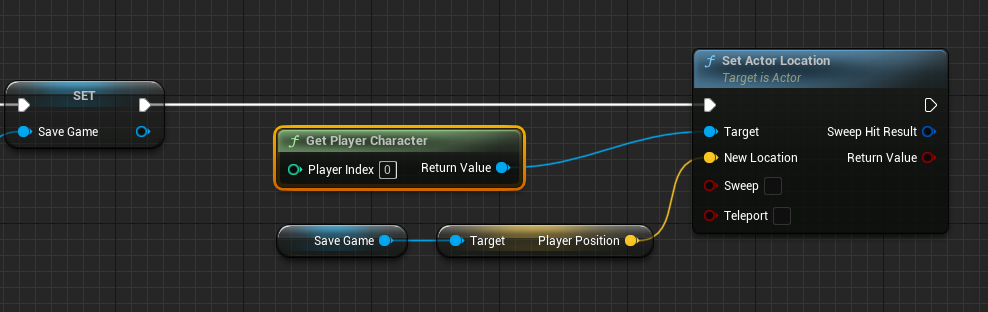
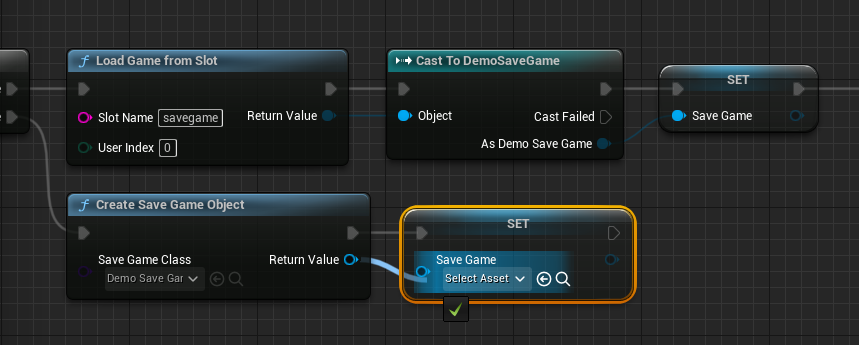
Load Game From Slot. The loaded data, which is generic, is then cast to the developer’s customSaveGameclass (e.g.,Cast to DemoSaveGame). This cast allows the engine to correctly interpret the stored data and populate the variables within theGame Instance‘sSaveGamereference. Following this, the game can then apply the loaded data to relevant actors; for instance, retrieving thePlayerPositionvariable from theSaveGameobject and usingSet Actor Locationto place the player character at the last saved coordinates. - If no save file exists (False branch): The system initiates a
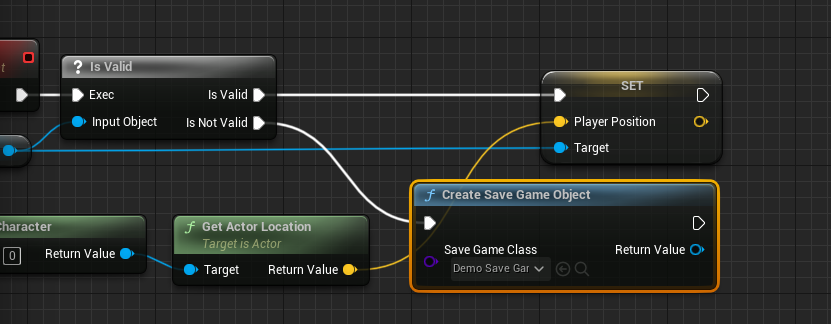
Create Save Game Objectnode. This dynamically instantiates a new instance of the customSaveGameclass, effectively creating a fresh, empty save data container. This new object is then assigned to theGame Instance‘sSaveGamevariable, ensuring that there is always a validSaveGameobject to work with, even if no prior save data was found. This proactive creation ensures that subsequent save operations will have a valid target, preventing null reference errors and providing a consistent starting point for new game sessions.
Performance Considerations: Synchronous vs. Asynchronous Saving
When it comes to writing data to disk, performance is a key consideration, especially for games with large amounts of data or those running on less powerful hardware. Unreal Engine provides two distinct nodes for saving data, catering to different performance profiles:
Save Game to Slot(Synchronous): This node executes immediately and blocks the game thread until the save operation is complete. It is suitable for scenarios where only a small amount of data needs to be saved and the brief pause is negligible or acceptable. For example, saving settings or very minor game state changes that don’t impact real-time gameplay. Its simplicity makes it easy to implement, but overuse with large datasets can lead to noticeable hitches or freezes in gameplay, detrimental to player experience.Async Save Game to Slot(Asynchronous): This node performs the save operation on a separate thread, allowing the game thread to continue executing uninterrupted. This is the recommended approach for saving substantial amounts of game data, such as entire world states, large inventories, or complex player profiles, particularly in open-world or online games where maintaining a smooth frame rate is paramount. By offloading the disk I/O to another thread, it prevents gameplay stuttering and ensures a fluid experience. Developers must, however, consider the implications of asynchronous operations, such as handling completion callbacks or potential errors that might occur outside the main game loop.
The choice between these two methods depends heavily on the specific needs of the game and the volume of data being saved, providing developers with the flexibility to optimize for responsiveness and data integrity.
Player Interaction: Integrating Save/Load into Gameplay
The final step in establishing a functional save/load system is to link its operations to player input or specific game events. This typically involves integrating custom events defined in the Game Instance with player character controls. For demonstration purposes, a common setup involves assigning keyboard inputs (e.g., ‘1’ for Save, ‘2’ for Load) within the Player Character blueprint.
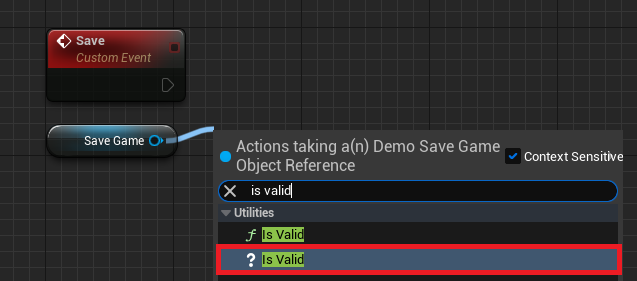
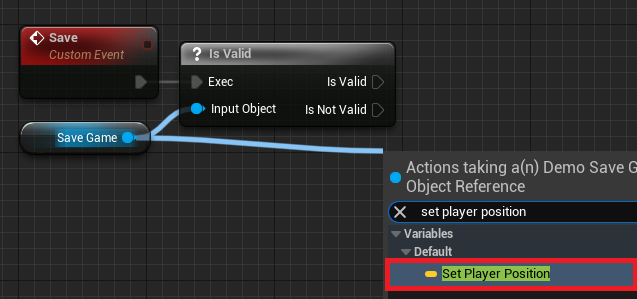
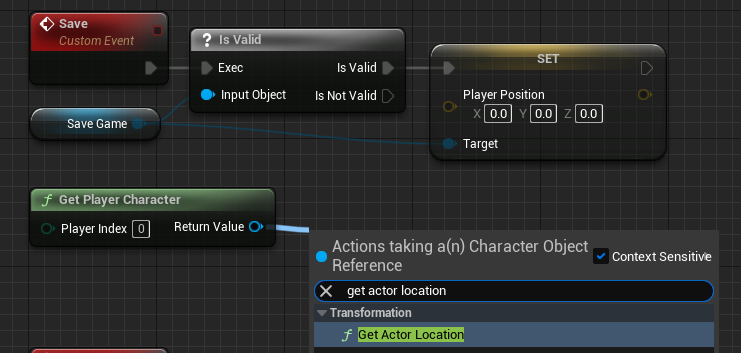
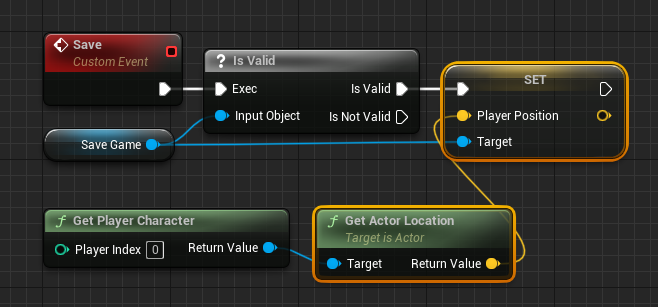
When a designated key is pressed, the Player Character first retrieves a reference to the Game Instance and then casts it to the game’s custom Game Instance class. This allows the character blueprint to access the "Save" or "Load" custom events defined earlier. For instance, pressing ‘1’ would trigger the "Save" event: the system would first validate the SaveGame object, then retrieve the player’s current Actor Location using a Get Player Character and Get Actor Location node, and finally update the PlayerPosition variable within the SaveGame object. Subsequently, it would call either Save Game to Slot or Async Save Game to Slot to write this updated data to disk. Conversely, pressing ‘2’ would invoke the "Load" event, which would execute the Does Save Game Exist logic, load the PlayerPosition from the save file, and then teleport the player character to those coordinates using Set Actor Location. This direct integration ensures that players have intuitive control over their game progress, enhancing user agency and overall game enjoyability.
Industry Impact and Developer Empowerment
The robust and accessible SaveGame system in Unreal Engine 5 represents more than just a technical feature; it’s a significant enabler for game developers across the spectrum. For independent developers and small studios, it drastically lowers the barrier to entry for implementing complex persistence mechanics, allowing them to focus their limited resources on innovative gameplay, artistic vision, and storytelling rather than reinventing core engine functionalities. This can lead to a quicker time-to-market for indie titles and a higher quality baseline for their releases.
For larger AAA studios, the system offers a standardized and efficient framework that can be extended and customized, reducing development cycles and technical debt. It allows teams to iterate faster on features that rely on persistent data, ensuring consistency across vast game worlds and intricate systems. The emphasis on both synchronous and asynchronous saving options also provides critical performance optimization pathways, essential for graphically intensive and data-heavy titles. The simplified workflow, coupled with Unreal Engine 5’s other advanced features like Nanite and Lumen, positions developers to create more ambitious and polished games with greater ease.
Expert Perspectives on UE5’s Persistence Capabilities
"The SaveGame system in Unreal Engine 5 is a testament to Epic Games’ understanding of developer needs," remarked Dr. Alistair Finch, a lead engineer specializing in game systems architecture at a prominent independent studio. "It provides a clear, robust pathway for data persistence that scales from simple settings to complex open-world states. For our team, it means less time debugging bespoke serialization solutions and more time crafting compelling experiences."
An Epic Games spokesperson, speaking on the impact of such built-in features, stated, "Our goal with Unreal Engine 5 is to democratize advanced game development. The SaveGame system is a perfect example of this philosophy in action. By providing powerful, easy-to-use tools for critical functionalities like saving and loading, we empower developers of all sizes to realize their creative visions without being bogged down by foundational engineering challenges."
Conclusion
Unreal Engine 5’s built-in SaveGame system stands out as a critical component in the engine’s suite of tools, offering a robust, flexible, and developer-friendly solution for game data persistence. By abstracting the complexities of file I/O and providing clear architectural guidelines, it enables developers to efficiently implement saving and loading functionalities crucial for modern gaming experiences. This system not only enhances the quality and reliability of games built on UE5 but also significantly contributes to greater development efficiency, allowing creative teams to dedicate more resources to innovation and player engagement. As game worlds grow in complexity and player expectations continue to rise, the significance of such streamlined, high-performance persistence solutions within leading game engines like Unreal Engine 5 will only become more pronounced, shaping the future of interactive entertainment.
About the Author