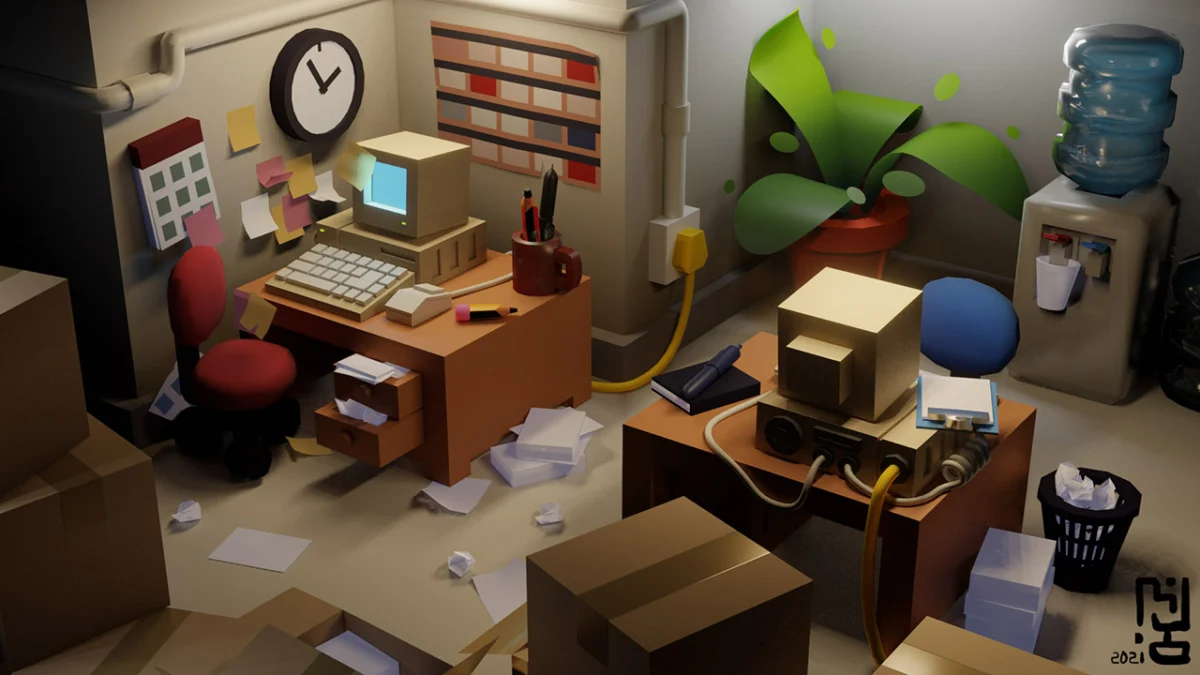
The digital art and 3D modeling industry continues to experience robust growth, with the Blender ecosystem serving as a significant hub for both emerging talent and established professionals. As of March 20, 2026, a consistent stream of job opportunities are being posted across various platforms, indicating sustained demand for skilled Blender artists. This report compiles the latest openings from prominent job boards, offering a snapshot of the current employment landscape for individuals proficient in this powerful open-source 3D creation suite.
Overview of Current Opportunities
The current job market for Blender artists reflects a diverse range of roles, from entry-level positions to senior specialist roles. Analysis of listings on Blender Artists, ArtStation, and 3djobs.xyz reveals a consistent demand across several key sectors. These sectors include, but are not limited to, game development, architectural visualization, motion graphics, product design, and freelance project work. The sheer volume of opportunities suggests that Blender’s adoption rate by both independent studios and larger corporations has continued its upward trajectory.
Key Trends in Job Postings:
- Increased Demand for Specialization: While generalist Blender artists are still sought after, there’s a noticeable trend towards roles requiring specific expertise. This includes advanced proficiency in areas such as character rigging, environmental design, technical art, and VFX integration.
- Remote Work Dominance: The post-pandemic landscape has solidified remote work as a primary model for many creative roles. A significant percentage of the listed positions are advertised as fully remote, offering flexibility to artists regardless of their geographical location.
- Game Development Sector Strength: The video game industry remains a primary driver of demand for Blender artists. Roles range from creating in-game assets and environments to character modeling and animation for both AAA titles and independent projects.
- Architectural Visualization Growth: The demand for realistic 3D renderings and animations in architecture and real estate continues to be a strong market. Many firms are actively seeking Blender artists to produce high-quality visualizations for client presentations and marketing.
- Emergence of AI Integration Roles: While still nascent, early signs point to a growing need for Blender artists who can work with or develop AI-driven tools and workflows. This could involve creating assets for AI training, developing AI-assisted modeling techniques, or integrating AI elements into existing 3D pipelines.
Platform-Specific Job Market Analysis
Blender Artists: This community-driven forum continues to be a vital resource for Blender-specific job postings. The "Paid Work" section, in particular, showcases a steady influx of opportunities, often from smaller studios, independent creators, and those seeking freelance collaborators. The nature of these postings frequently leans towards project-based work, ranging from character modeling and animation for short films to creating assets for indie game projects. The discussions within these threads often provide valuable insights into project scope, client expectations, and typical rates for various services, making it an invaluable resource for freelancers.

ArtStation: As a leading platform for digital artists, ArtStation’s job board features a broader spectrum of creative roles, including those that specifically require Blender proficiency. Here, one can find opportunities from larger game studios, animation houses, and VFX companies. The postings on ArtStation tend to be more formal, often detailing specific software requirements beyond Blender, such as experience with other industry-standard DCC applications, game engines like Unreal Engine or Unity, and project management software. The emphasis is often on building complex pipelines and contributing to larger, multi-disciplinary teams.
3djobs.xyz: This specialized job board aggregates 3D-related employment opportunities from across the web. Its inclusion of Blender-specific roles means that artists can find listings that might be overlooked on more general platforms. The site’s focus on the 3D industry allows for a concentrated view of the market, helping artists identify trends and potential employers within this niche. The diversity of employers posting on 3djobs.xyz, from small startups to established corporations, makes it a comprehensive resource.
Historical Context and Industry Evolution
The rise of Blender as a professional tool has been a gradual but significant development over the past two decades. Initially perceived as a hobbyist’s software, Blender has undergone substantial improvements through consistent development and a robust open-source community. The Blender Foundation’s efforts, including successful crowdfunding campaigns and the ongoing development of new features and rendering engines like Cycles and Eevee, have propelled it into mainstream professional use.
- Early Adoption (Pre-2010s): During its early years, Blender was primarily used by independent artists and small studios due to its open-source nature and lower barrier to entry compared to commercial alternatives. Job postings requiring Blender were relatively rare and often limited to specific niche projects.
- Mid-2010s Growth: As Blender’s capabilities expanded, particularly with the introduction of more stable versions and improved rendering pipelines, its adoption in professional pipelines began to increase. Studios started experimenting with Blender for specific tasks, leading to a slow but steady rise in job demand.
- Late 2010s to Present: The release of Blender 2.8x marked a significant turning point, with a modernized interface and substantial performance enhancements. This period saw a dramatic increase in professional adoption, with many studios integrating Blender into their workflows for asset creation, animation, and even full pipeline development. The open-source model fostered rapid innovation, allowing Blender to keep pace with or even surpass some commercial software in certain areas. The widespread availability of high-quality online tutorials and educational resources further democratized its use, leading to a larger pool of skilled artists.
The current job market in March 2026 is a direct reflection of this evolution. The demand for Blender artists is no longer a niche phenomenon but a mainstream requirement across multiple industries. This sustained demand underscores Blender’s maturity as a professional-grade 3D creation tool.
Supporting Data and Market Indicators
While specific real-time job market data can fluctuate, broader industry trends provide strong indicators of the sustained demand for Blender artists. Reports from industry analysis firms consistently highlight the growth of the 3D content creation market, driven by sectors like gaming, virtual reality, augmented reality, and digital media.

- Global 3D Content Creation Market: Projections from various market research firms indicate that the global 3D content creation market is expected to continue its upward trajectory, with compound annual growth rates (CAGRs) often cited in the double digits. This expansion directly translates to an increased need for skilled 3D artists, with Blender playing an increasingly significant role due to its accessibility and versatility.
- Game Development Spending: The global video game market continues to break revenue records annually. This robust financial performance fuels investment in game development, necessitating a larger workforce of 3D artists to create the visually rich environments and characters that define modern gaming experiences. Blender’s efficiency in asset creation and its integration with popular game engines make it a valuable tool in this sector.
- Rise of Virtual Production: The adoption of virtual production techniques in film and television, which heavily relies on real-time rendering and 3D environments, has created new avenues for Blender artists. The ability of Blender’s Eevee render engine to provide near real-time feedback makes it an attractive option for pre-visualization and virtual set creation.
- Open Source Software Adoption: The general trend of increased adoption of open-source software in professional environments also benefits Blender. Companies are increasingly recognizing the cost-effectiveness and flexibility offered by open-source solutions, leading to greater integration of Blender into commercial pipelines.
Artist Perspectives and Industry Reactions
The sustained demand for Blender artists has been met with a mix of excitement and strategic adaptation from both artists and employers.
Artist Sentiment: Many freelance and in-house Blender artists express a sense of professional validation as their skill set becomes increasingly sought after. The flexibility offered by remote work and the ability to contribute to diverse projects are often cited as major benefits. There is a strong sense of community and shared learning within the Blender artist sphere, fostering continuous skill development.
Employer Adaptations: Employers are increasingly recognizing the value of Blender. Some studios that previously relied solely on commercial software are now actively incorporating Blender into their pipelines, either for specific tasks or as a primary tool. This often involves training existing staff or actively recruiting artists with proven Blender expertise. The cost-effectiveness of Blender also makes it an attractive option for startups and independent studios with limited budgets.
Educational Institutions: Universities and vocational schools are increasingly offering courses and degrees that include comprehensive training in Blender. This reflects an understanding of the market demand and aims to equip students with the skills necessary to secure employment in the 3D industry.
Broader Impact and Future Implications
The continued growth of job opportunities for Blender artists has several significant implications for the broader digital creation landscape.

- Democratization of 3D Creation: Blender’s open-source nature and free accessibility have significantly lowered the barrier to entry for aspiring 3D artists. This democratization is fostering a more diverse and talented global workforce, leading to greater innovation and a wider array of creative outputs.
- Increased Competition and Specialization: As more individuals gain proficiency in Blender, the job market is likely to become more competitive. This will likely drive further specialization, with artists excelling in niche areas such as procedural generation, character animation, or real-time rendering becoming highly valuable.
- Influence on Software Development: The success and widespread adoption of Blender can influence the development of commercial 3D software. Features and workflows popularized by Blender may be adopted by competitors, leading to an overall advancement in 3D creation technology.
- Economic Opportunities: The consistent demand for Blender artists creates significant economic opportunities for individuals and small businesses worldwide. Freelancers can build sustainable careers, and studios can leverage this talent pool to produce high-quality content more efficiently.
The job market for Blender artists on March 20, 2026, is a testament to the software’s maturity and the evolving demands of the digital content industry. As technology continues to advance, and as Blender itself undergoes further development, the outlook for skilled Blender professionals remains exceptionally bright. The ongoing availability of these opportunities across various platforms highlights the integral role that Blender plays in shaping the future of 3D art and animation.
For those seeking to enter or advance their careers in this dynamic field, continued learning, specialization, and engagement with the vibrant Blender community are paramount. The trend towards remote work also offers unprecedented flexibility and access to a global job market, making this an opportune time for individuals with a passion for 3D creation to thrive.
About the Author