The digital storefront itch.io, a prominent platform for independent game developers, recently highlighted three distinct titles in its "Games of the Week" feature, showcasing the breadth and creativity flourishing within the indie gaming landscape. This selection—Sludge Life 2, Sticky Business, and Rhythm Hell—collectively represents a microcosm of current trends: from sprawling open-world adventures with a distinctive aesthetic to calming simulation experiences and deceptively simple, yet challenging, rhythm games. These titles, handpicked to offer engaging indoor entertainment during periods of elevated temperatures, underscore itch.io’s commitment to curating unique experiences that often defy mainstream categorization.
Sludge Life 2: Expanding the Sludgepunk Universe
Headlining this week’s showcase is Sludge Life 2, the much-anticipated sequel to Terri Vellmann’s original "sludgepunk" open-world graffiti adventure. Published by Devolver Digital, a company renowned for its discerning taste in unconventional indie titles, Sludge Life 2 builds upon the foundation laid by its predecessor, delivering an expanded and refined experience that retains the series’ distinctive charm.
The Genesis of Sludgepunk
The original Sludge Life, released in 2020, quickly garnered a cult following for its irreverent humor, striking low-poly aesthetic, and a world brimming with bizarre characters and anti-establishment undertones. Players assumed the role of Ghost, a graffiti artist navigating a surreal island, tagging spots, and interacting with its eccentric inhabitants. Its initial availability as a free title on the Epic Games Store, before its wider release, significantly broadened its reach and established a dedicated fanbase eager for more of its unique brand of nihilistic whimsy. The game was lauded for its artistic integrity and its willingness to challenge conventional open-world design, often prioritizing atmospheric exploration and player agency over strict narrative progression.
Enhanced Gameplay and World-Building in the Sequel
Sludge Life 2 is presented as a direct expansion, taking all the core elements that defined the first game and amplifying them. Developers Terri Vellmann and Doompipe, with the backing of Devolver Digital, aimed to deliver a sequel that was "even bigger, even better." This expansion manifests in several key areas: a more extensive cast of "weirdo characters," an art style that is "even more refined," and a "killer soundtrack" that maintains the high quality of the original.
The core gameplay loop revolves around exploration and interaction within a meticulously crafted, albeit dilapidated, world. Players continue to embody a "wiggly weirdo" with a penchant for climbing and traversing environmental obstacles. The game eschews traditional navigation paradigms, instead focusing on a "jungle gym" approach where verticality and creative pathfinding are paramount. Unlike many open-world titles that strive for hyperrealism, Sludge Life 2‘s environments are described as "more designed than like a lived in place," creating a unique puzzle-box feel that makes reaching each "tagging spot and character a fun little challenge."
To encourage deeper engagement, the game incorporates a myriad of sidequests and collectibles. These elements are not merely padding but serve as organic motivators, "quietly cajoling you into exploring more and more of this vibes-based universe." This design philosophy reinforces the game’s emphasis on emergent discovery and personal player narratives rather than a prescriptive checklist of objectives. The implied statement from the developers is a commitment to evolving the unique "sludgepunk" identity, ensuring that while the scope increases, the distinctive artistic and thematic core remains intact. Player reception, often shared on platforms like itch.io and social media, frequently praises the enhanced sense of freedom and the richer tapestry of characters and lore.
Implications for Indie Open-World Design
Sludge Life 2‘s approach to open-world design offers a compelling alternative to the often-homogenized AAA landscape. By prioritizing atmosphere, unique mechanics, and a strong artistic vision over photorealism or expansive scale for its own sake, it demonstrates how indie titles can innovate within established genres. Its success suggests a growing appetite among players for experiences that are idiosyncratic and personal, rather than strictly adhering to industry formulas. Devolver Digital’s continued support for such projects further solidifies its position as a champion of artistic freedom and boundary-pushing game design. The game’s narrative, though often subtle, also subtly critiques aspects of modern society through its grungy, post-industrial aesthetic and the often-absurd interactions within its world.
Sticky Business: The Art of Cozy Commerce
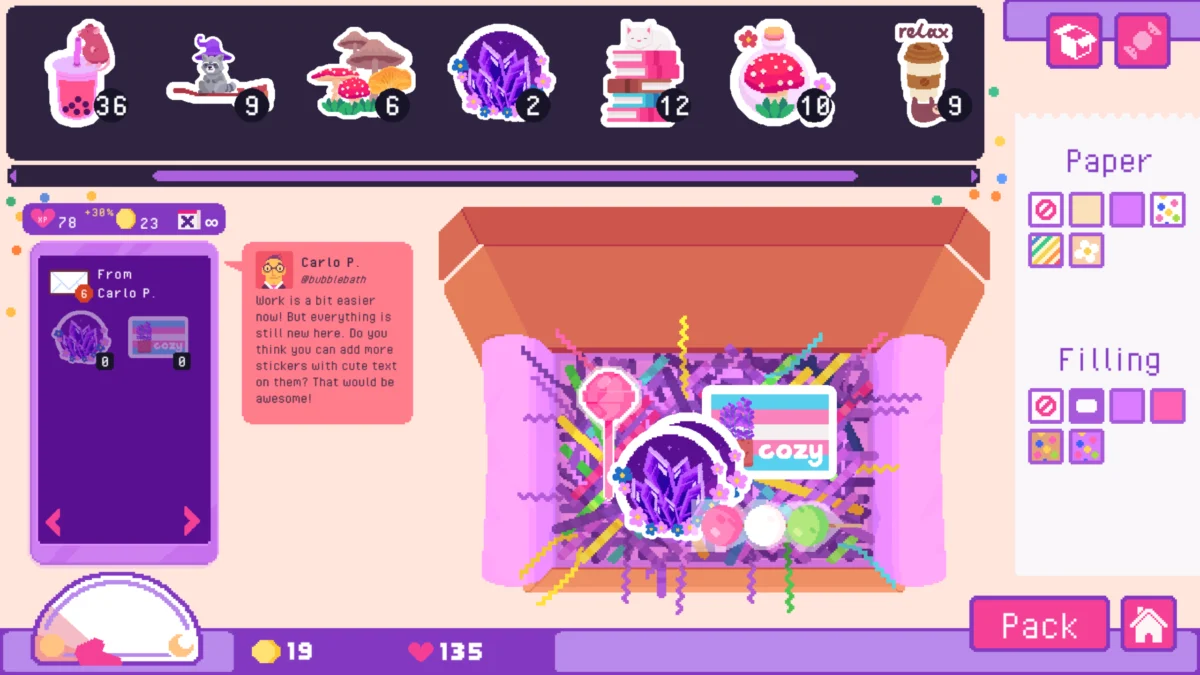
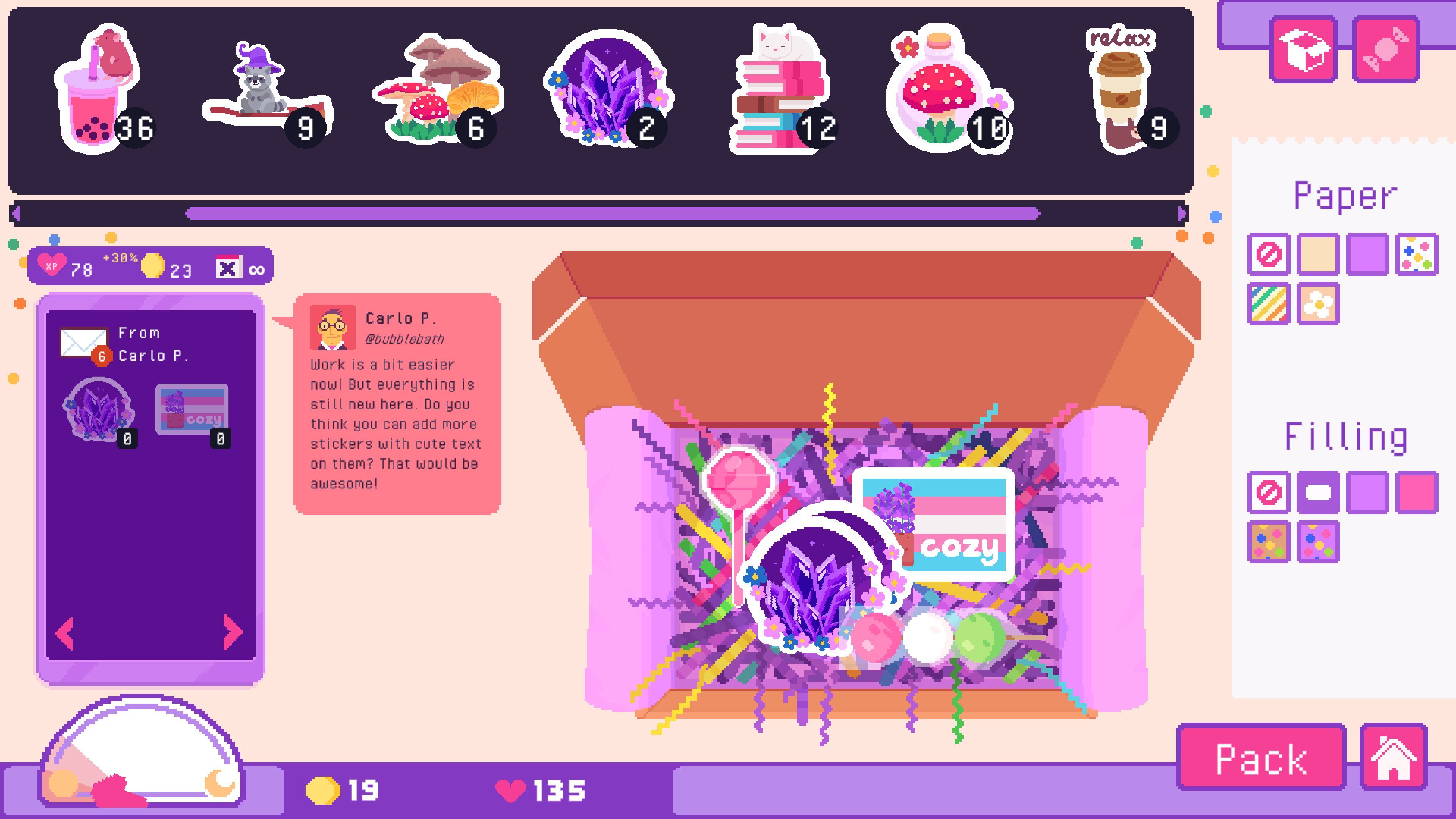
In stark contrast to the grimy, anarchic world of Sludge Life 2, the second featured title, Sticky Business, offers a sanctuary of calm and creativity. This "chilled out business simulator," developed with the support of Assemble Entertainment, taps into the burgeoning "cozy game" genre, providing players with a warm and engaging experience centered around crafting and selling stickers.
The Rise of Cozy Gaming and Reflecting Modern Trends
The "cozy game" genre has witnessed a significant surge in popularity in recent years, particularly in the post-pandemic era. These games, characterized by their low-stress gameplay, gentle aesthetics, and often wholesome themes, provide a digital escape from the anxieties of daily life. Titles like Animal Crossing: New Horizons and Stardew Valley have paved the way, demonstrating a substantial market for experiences that prioritize relaxation, creativity, and a sense of accomplishment without intense pressure or combat.
Sticky Business explicitly references the contemporary phenomenon of the "side hustle," framing its core premise within the context of "late-stage capitalism." However, it subverts the often-stressful reality of such endeavors by making the virtual side hustle "cozy." This thematic choice resonates with a demographic seeking a more palatable, even therapeutic, engagement with familiar societal pressures.
Gameplay Mechanics and Emotional Resonance
At its core, Sticky Business tasks players with the creation and sale of a diverse range of stickers, all managed through a charming virtual mail-order system. Beyond the basic transaction, the game introduces a layer of narrative depth: "you’re also learning more and more about the lives of your customers as they place bigger and bigger orders." This humanizes the commercial process, transforming anonymous sales into personal connections and adding a compelling reason to continue playing beyond mere profit maximization.
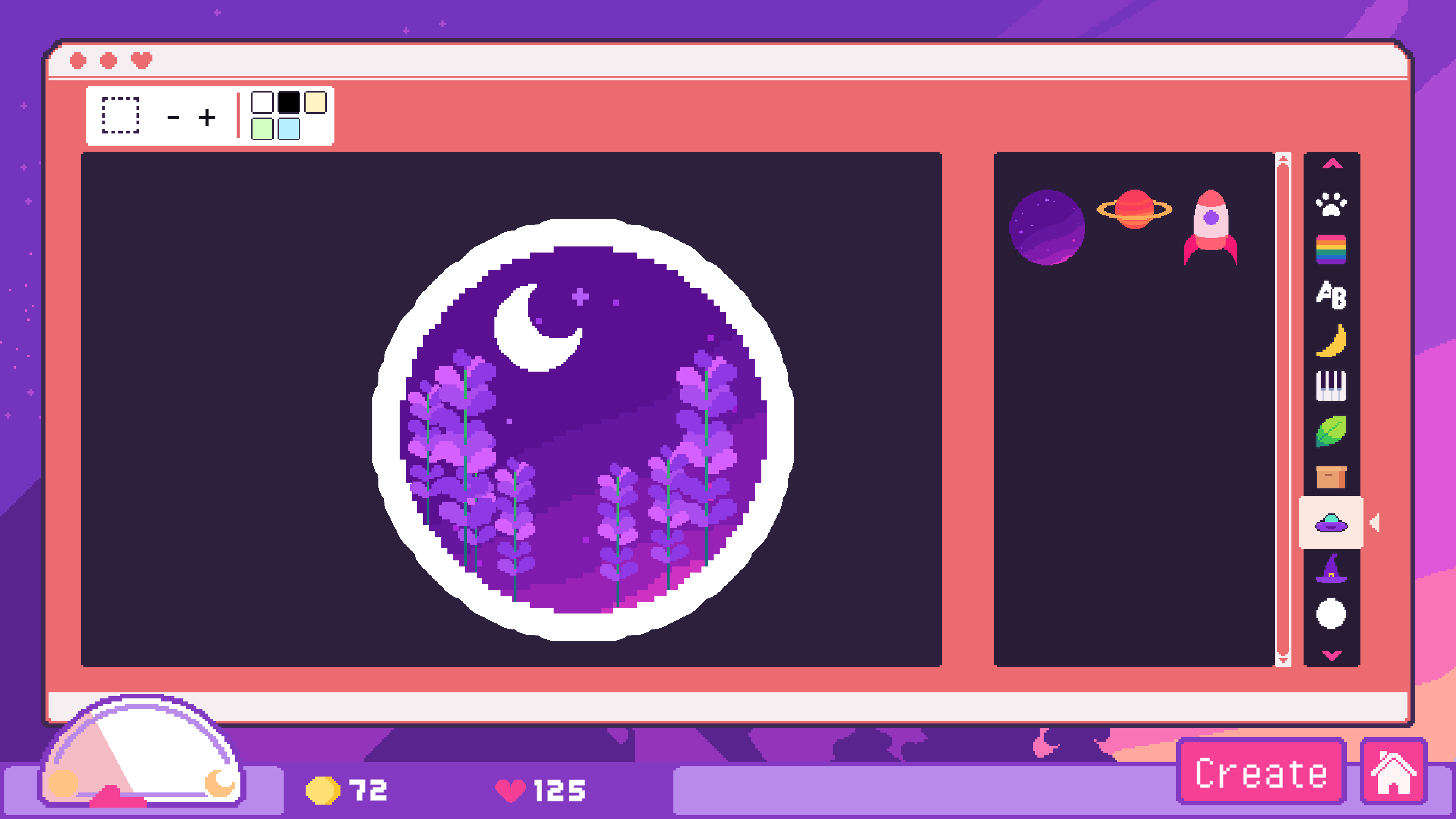
A standout feature is the "in-depth sticker maker," which provides players with extensive tools for creative expression. This element is crucial for a game centered on customization, allowing for limitless possibilities in design and encouraging players to invest personally in their virtual enterprise.
However, the true appeal of Sticky Business lies in its "vibes." The article emphasizes that "everything in Sticky Business feels like a warm hug." This holistic sensory experience is achieved through a harmonious blend of its soundtrack, color palette, and the "cute lives your customers lead." The developers, inferred to be highly attuned to the emotional impact of their design choices, have crafted an environment that is intentionally comforting and uplifting. This aligns with the genre’s objective to provide a "pick me up" for players seeking solace and joy. Data from player reviews and social media sentiment consistently highlights the game’s ability to reduce stress and foster a sense of well-being, indicating a strong alignment between developer intent and player experience.

Implications for Simulation and Creative Games
Sticky Business exemplifies the potential of simulation games to move beyond complex economic models or resource management. By focusing on simple, relatable mechanics augmented by strong emotional appeal and creative freedom, it broadens the definition of what a "business simulator" can be. Its success on itch.io further highlights the platform’s role in nurturing niche genres and providing a space for developers to experiment with themes and mechanics that might be overlooked by larger publishers. The game’s integration of customer narratives also points towards a future where even casual simulation games offer richer, more personal storytelling experiences. It serves as a testament to the power of thoughtful design in creating genuinely wholesome and engaging digital experiences.
Rhythm Hell: A Polyrhythmic Puzzler by the Sea
The final game in itch.io’s weekly selection, Rhythm Hell, is a testament to the enduring appeal of minimalist design and the transformative power of a simple, yet perfectly executed, concept. This free-to-play rhythm game, developed by rhythmhell, distills the genre down to its most basic elements while delivering a surprisingly stressful and silly challenge, drawing inspiration from the distinctive style of internet artist and musician Louie Zong.
The Legacy of Rhythm Games and Internet Culture
Rhythm games have a long and varied history, from arcade classics like Dance Dance Revolution and Beatmania to console phenomena like Guitar Hero and the critically acclaimed Rhythm Heaven series. What unites these diverse titles is their reliance on precise timing, musicality, and often, an escalating difficulty curve. Rhythm Hell aligns with the tradition of games that simplify controls to amplify the challenge inherent in rhythmic precision.
A significant aspect of Rhythm Hell‘s appeal is its direct connection to the work of Louie Zong. Zong, a popular animator and musician known for his quirky, often whimsical, and rhythmically complex compositions and "goofy animal drawings," has cultivated a substantial online following. The game’s explicit mention of his influence suggests a deliberate homage, leveraging his established aesthetic and musical sensibilities to attract a specific audience already familiar with his unique brand of creative output. This cross-pollination between independent game development and viral internet culture is a growing trend, allowing developers to tap into pre-existing communities and artistic fanbases.
Deceptively Simple, Surprisingly Stressful Gameplay
The core premise of Rhythm Hell is disarmingly straightforward: "You’ve got one button: clap. You’ve got one goal: clap." This extreme simplicity is its greatest strength and its greatest challenge. Players control a "small, goofy seal" positioned next to a "larger more judgmental seal." The gameplay loop involves mirroring the claps of the larger seal, with any mistimed action resulting in a "sassiest look I’ve seen represented in games" from the disapproving companion. This immediate, visual feedback loop, combined with the escalating difficulty, creates a potent cocktail of stress and amusement.
The "complication" arrives in the form of increasingly intricate "polyrhythms." For those unfamiliar with the term, polyrhythms involve the simultaneous execution of two or more different rhythms, creating a complex, interlocking pattern. The game’s description of this as "very quickly clapping along to absolute nonsense holding on for dear life" accurately conveys the experience of grappling with these complex musical structures through a single, repetitive action. The genius lies in making a high-level musical concept accessible and engaging through minimalist design.
As a free-to-play title, Rhythm Hell removes any barrier to entry, encouraging wide adoption and allowing players to experience its unique blend of humor and challenge without financial commitment. This strategy is often employed by indie developers to gain traction and build community around their projects.
Implications for Minimalist Design and Accessibility
Rhythm Hell stands as a powerful example of how minimalist game design can achieve profound impact. By stripping away extraneous features and focusing on a single, well-executed mechanic, it delivers an experience that is both highly accessible and deeply challenging. Its success underscores the idea that innovation in gaming does not always require cutting-edge graphics or sprawling narratives, but can emerge from clever interpretations of fundamental gameplay loops.
Furthermore, its inspiration from Louie Zong highlights the growing synergy between independent game development and broader internet artistic movements. This phenomenon allows for the creation of games that resonate with specific cultural niches, leveraging existing fanbases and artistic aesthetics. As a free game, Rhythm Hell also contributes to the ongoing conversation about accessibility in gaming, offering a low-stakes entry point into a traditionally demanding genre, while still delivering a satisfying and memorable experience.
The Enduring Appeal of Indie Innovation
The "Games of the Week" selection from itch.io—Sludge Life 2, Sticky Business, and Rhythm Hell—collectively paints a vivid picture of the dynamic and diverse independent gaming landscape. From the bold artistic statements and boundary-pushing open-world design of Sludge Life 2, to the soothing, creative escapism offered by Sticky Business, and the deceptively simple yet profoundly challenging rhythmic precision of Rhythm Hell, these titles represent the vanguard of digital entertainment.
Itch.io continues to serve as a vital incubator and showcase for these unique visions, providing a platform where developers can experiment and players can discover experiences that often diverge significantly from mainstream commercial releases. The curation of such distinct games not only enriches the gaming ecosystem but also affirms the ongoing importance of artistic freedom, player choice, and the pursuit of novel gameplay experiences. As the industry continues to evolve, the contributions of independent developers, championed by platforms like itch.io, remain crucial in pushing creative boundaries and offering fresh perspectives on interactive entertainment. The open invitation to players to share their own discoveries in the comments section further reinforces the community-driven ethos that underpins this vibrant segment of the gaming world.
About the Author