The global gaming industry is witnessing a significant shift toward cross-platform accessibility and the expansion of established intellectual properties, as evidenced by a wave of new releases and soft launches across mobile, PC, and console platforms. This week’s developments highlight a strategic move by major publishers and independent studios alike to capture diverse audiences through real-time competitive play, open-world exploration, and the revitalization of social sandbox environments. As the market continues to evolve, the integration of high-fidelity graphics and complex gameplay mechanics on mobile devices remains a primary driver for growth, with several high-profile titles bridging the gap between traditional handheld gaming and high-performance desktop experiences.
Strategic Transitions in Competitive and Action Gaming
A cornerstone of this week’s industry movement is the evolution of the CookieRun franchise. Devsisters has officially launched CookieRun: OvenSmash on iOS and Android, marking a pivotal departure for the series. Historically known for its "endless runner" mechanics, the franchise is now entering the real-time PvP battle action arena. This transition reflects a broader industry trend where established mobile IPs are being re-engineered to support competitive multiplayer frameworks, aiming to increase player retention through skill-based matchmaking and live-service updates. Analysts suggest that by moving into the PvP space, Devsisters is positioning the CookieRun brand to compete with established MOBA and brawler titles, leveraging an existing fan base to penetrate a more hardcore gaming demographic.
Simultaneously, the competitive landscape is seeing the emergence of "Field Day," the debut title from Bit Odd. Based in Finland, Bit Odd is a studio composed of veteran developers formerly associated with Supercell’s "Clash of Clans" and "Clash Royale" teams. Field Day represents a hybrid genre, blending the tactical elements of a Multiplayer Online Battle Arena (MOBA) with the high-stakes tension of an extraction shooter. Currently in early access across Canada, Indonesia, Malaysia, and the Philippines, the game is being closely watched as a bellwether for the "Supercell alumni" wave of startups. The choice of soft-launch regions follows a traditional industry pattern, utilizing high-engagement markets to stress-test server infrastructure and refine monetization loops before a wider global rollout.
The Expansion of High-Fidelity Open Worlds and Anime IPs
The intersection of Japanese media properties and global gaming markets continues to strengthen with Netmarble’s release of The Seven Deadly Sins: Origin. Based on the widely successful manga and anime IP, this open-world RPG has launched simultaneously on mobile, PlayStation 5, and Steam. The move to a multi-platform release strategy underscores Netmarble’s commitment to "high-spec" gaming, ensuring that the visual fidelity of the anime is preserved across all hardware. This release follows the success of previous adaptations but shifts the focus toward a more expansive, exploration-based gameplay loop, similar to the industry-wide "Genshin Impact effect" that has redefined expectations for mobile-compatible RPGs.
In addition to new entries, the market is seeing the return of legacy social platforms. Social First, a developer that recently acquired the Pixel Worlds IP from Kukouri, has announced a relaunch of the social sandbox MMO scheduled for March 31. This relaunch is significant as it involves several of the original creators returning to manage the property. In an era where user-generated content (UGC) and social interaction drive the longevity of digital platforms, the revitalization of Pixel Worlds on both mobile and PC indicates a renewed interest in mid-tier sandbox environments that offer alternatives to dominant platforms like Roblox or Minecraft.
Chronology of Upcoming Major Releases and Testing Phases
The second quarter of 2025 is shaping up to be a dense period for both simulation enthusiasts and indie fans. The following timeline outlines the confirmed release dates and testing windows for several high-profile titles:
- March 31: Relaunch of Pixel Worlds (Mobile and PC) by Social First.
- April 7: Mobile debut of Sea of Stars (Playdigious), following its critical success on PC and consoles.
- April 21: Launch of Vampire Crawlers: The Turbo Wildcard (Poncle) on PC and consoles, with a mobile release to follow.
- May 19: Farming Simulator 26 (Giants Software) arrives on Nintendo Switch, iOS, and Android.
- May 26: Slime Rancher (Playdigious) launches on iOS and Android.
- Late 2024/Early 2025: Ongoing public tests for Aniimo (Kingsglory Games) ahead of a full multi-platform release.
This schedule demonstrates a calculated staggering of releases, allowing publishers to maximize visibility during specific market windows. For instance, the May releases of Farming Simulator and Slime Rancher suggest a push for "cozy" and simulation-based gaming during the late spring season, targeting demographics that favor long-term, non-combative engagement.
Analysis of Porting Strategies and Pricing Models
A notable trend in this week’s news is the role of specialized porting studios like Playdigious. By bringing titles like Sea of Stars and Slime Rancher to mobile, Playdigious is enabling "premium" indie experiences to reach a mobile audience that is increasingly willing to pay upfront for high-quality content. Sea of Stars will be available for $9.99, with a 10% discount for early pre-orders, while Slime Rancher will debut at a discounted $7.99 before rising to its standard $8.99 price point.
This pricing strategy contrasts with the dominant free-to-play (F2P) model on mobile. However, the success of premium ports suggests that there is a sustainable niche for one-time purchase games that offer a complete experience without the intrusion of microtransactions. For developers like Sabotage Studio (Sea of Stars) and Monomi Park (Slime Rancher), these ports represent a "long-tail" revenue strategy, extracting further value from established hits by lowering the barrier to entry through platform ubiquity.
Furthermore, Poncle’s announcement regarding Vampire Crawlers: The Turbo Wildcard highlights a tiered platform release. By launching on PC and consoles first at a $9.99 price point, the developer can establish a "premium" reputation and gather feedback from the core community before adapting the touch-interface and optimization requirements necessary for a successful mobile launch. This "PC-first" approach is becoming a standard methodology for indie developers to ensure technical stability before tackling the fragmentation of the Android and iOS ecosystems.
Diversification into Educational and Niche Markets
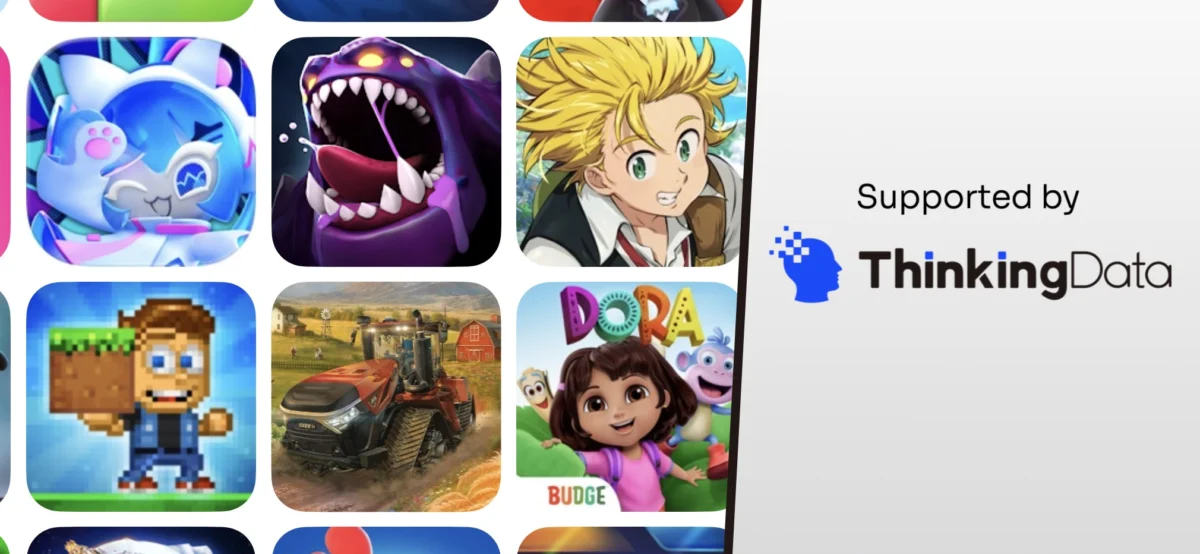
The mobile gaming sector is also expanding its reach into specialized demographics, such as the early childhood education and "dark fantasy" niches. Budge Studios has released "Dora: Explore and Play!" across the App Store, Google Play, and Amazon App Store. Designed as an interactive extension of Nickelodeon’s new Dora series, the game represents the growing "kid-tech" sector where media brands use mobile devices to provide interactive storytelling. This segment remains highly resilient, as parents continue to seek curated, ad-free educational content for younger users.
On the opposite end of the thematic spectrum, Coregames has launched Darklord: Vampire Survival worldwide. This title targets the "dark fantasy" action-RPG audience, a segment that has seen a resurgence in popularity. Based in Singapore, Coregames’ entry into the global market reflects the ongoing decentralization of game development, with Southeast Asian studios increasingly producing high-quality content for a global audience. The game’s release on both iOS and Android ensures maximum reach in regions where mobile is the primary, and often only, gaming platform.
Broader Industry Implications and Future Outlook
The current influx of releases and announcements points toward three primary conclusions regarding the state of the global gaming industry. First, the distinction between "mobile games" and "traditional games" is continuing to blur. With titles like The Seven Deadly Sins: Origin and Aniimo targeting consoles, PC, and mobile simultaneously, developers are prioritizing "platform-agnostic" design. This requires significant investment in scalable engines (such as Unity or Unreal Engine 5) that can deliver high performance on a desktop while remaining functional on a smartphone.
Second, the "Supercell effect" remains a powerful force in the industry. The launch of Field Day by Bit Odd is a testament to the influence of the Helsinki gaming hub. As veteran developers from multi-billion-dollar franchises form new studios, they bring with them a deep understanding of "mobile-first" retention and monetization, which they are now applying to more complex, hybrid genres.
Finally, the revitalization of IPs like Pixel Worlds and the expansion of the CookieRun universe suggest that brand equity is more valuable than ever. In a crowded marketplace where user acquisition costs are at an all-time high, leveraging a known name or a returning team of original creators provides a significant competitive advantage.
As the industry moves toward the mid-point of 2025, the success of these titles will likely depend on their ability to maintain "live-ops" support—regularly updating content to keep players engaged in an increasingly competitive attention economy. The shift toward cross-platform play is no longer a luxury but a strategic necessity for studios aiming for global reach and long-term financial viability.
About the Author