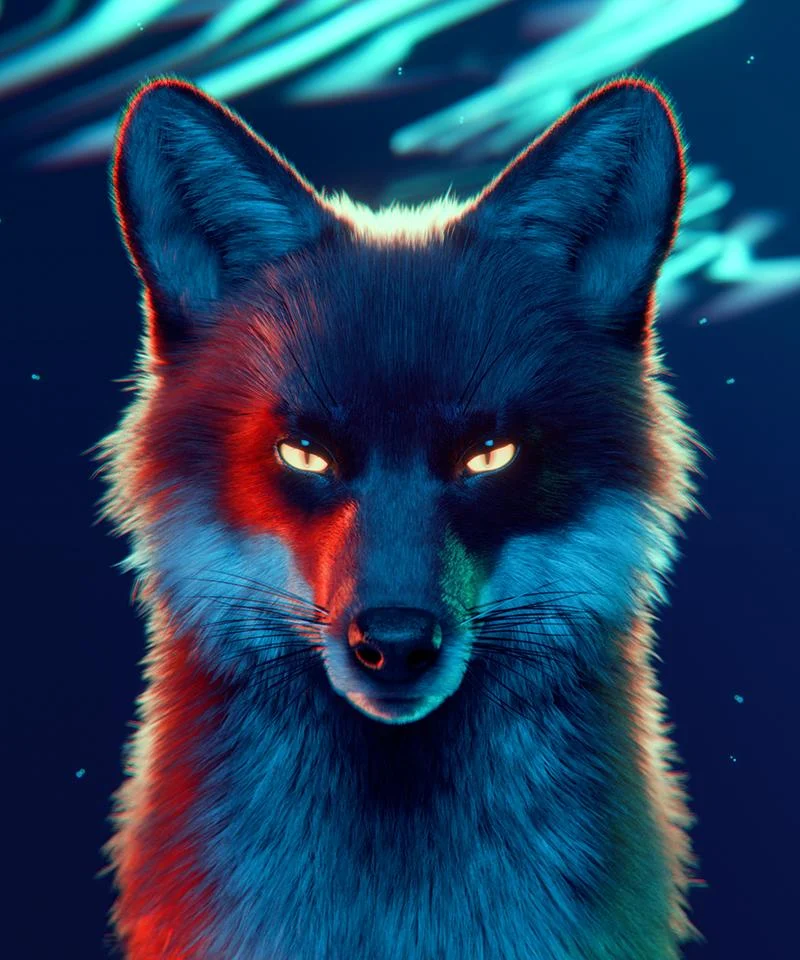
The vibrant and ever-evolving landscape of 3D digital art is consistently populated by a multitude of talented artists who contribute their creations to online forums, fostering a collaborative and inspiring environment. Each week, BlenderNation, a prominent online platform dedicated to the open-source 3D creation suite Blender, dedicates a segment to highlighting some of the most exceptional works emerging from the Blender Artists community. This past week, a particular piece, titled "The Fox," has garnered significant attention, showcasing a remarkable level of artistic skill and technical proficiency within the Blender ecosystem.
The piece, as featured by BlenderNation’s editor Bart van den Broek, represents a culmination of artistic vision and mastery over complex 3D software. While the initial announcement provides a glimpse of the artwork and its placement within the weekly showcase, a deeper dive into the context, the artist’s process, and the broader implications of such community-driven recognition reveals the significant role these platforms play in nurturing digital art talent.
The Genesis of Community Spotlight: BlenderNation’s Role
BlenderNation has established itself as a cornerstone for the Blender community since its inception in 2006. Founded by Bart van den Broek, who possesses a long-standing history with Blender, including early tutorial creation and involvement with its initial development phases, the platform serves as a vital conduit for news, tutorials, and, crucially, the celebration of user-generated content. The weekly spotlight feature, originating from the vast submissions on the Blender Artists forum, is more than just a curated gallery; it’s an acknowledgment of dedication, skill, and the creative spirit that defines the Blender user base.
The Blender Artists forum itself is a sprawling digital metropolis where artists at all levels, from burgeoning hobbyists to seasoned professionals, converge to share their work, solicit feedback, and engage in discussions about techniques and workflows. With hundreds of artists contributing weekly, the sheer volume of output necessitates a discerning eye to identify pieces that not only demonstrate technical prowess but also possess artistic merit and originality. "The Fox," by earning its place in this selective showcase, signifies its success in meeting these high standards.
"The Fox": A Deeper Look at the Artwork
While specific details about "The Fox" beyond its title and visual representation are not immediately provided in the initial announcement, the quality of the rendered image suggests a high degree of sophistication. Typically, artworks that receive such recognition involve intricate modeling, meticulous texturing and shading, sophisticated lighting setups, and often, advanced rendering techniques. The implied subject matter, "The Fox," hints at a potential focus on organic modeling, fur simulation, and atmospheric lighting, all areas where Blender has seen significant advancements in recent years.
The visual impact of "The Fox" is likely a key factor in its selection. The image suggests a piece that is not only technically sound but also emotionally resonant or aesthetically captivating. Whether it’s a realistic portrayal, a stylized interpretation, or a narrative scene, the artwork has evidently succeeded in capturing the attention and admiration of the BlenderNation editor.

Supporting Data and Trends in Digital Artistry
The rise of platforms like BlenderNation and forums like Blender Artists is intrinsically linked to broader trends in digital art and content creation. The accessibility of powerful 3D software, coupled with the democratization of online sharing, has led to an unprecedented surge in the number of individuals engaging with digital art.
- Growth of Open-Source Software: Blender’s transition to an open-source model has been a pivotal factor. It removed financial barriers to entry, allowing a global community to access, learn, and contribute to its development. This has fostered a diverse and innovative user base. According to reports from the Blender Foundation, the software consistently ranks among the most downloaded and actively used 3D creation tools worldwide.
- Community-Driven Development: The open-source nature of Blender fosters a symbiotic relationship between its users and developers. Artists on forums like Blender Artists not only share their work but also provide valuable feedback and bug reports, directly influencing the software’s evolution. This collaborative spirit ensures that Blender remains at the forefront of digital art technology.
- The Rise of Digital Art as a Profession: The demand for high-quality 3D art has exploded across various industries, including film, animation, video games, advertising, and architectural visualization. This has created a significant market for skilled 3D artists, making platforms that showcase talent increasingly important for career development.
- Influence of Online Galleries and Showcases: Websites like ArtStation, Behance, and BlenderNation serve as crucial digital portfolios and discovery platforms. They allow artists to gain visibility, connect with potential clients and employers, and receive recognition for their efforts. The weekly spotlight on BlenderNation acts as a micro-level endorsement within this larger ecosystem.
The Artist’s Journey and Technical Considerations (Inferred)
While the specific artist behind "The Fox" is not detailed in the provided snippet, the act of creating such a piece typically involves a dedicated and often lengthy process. Based on the common workflows for producing high-quality 3D art, the artist likely undertook several key stages:
- Conceptualization and Reference Gathering: The initial idea for "The Fox" would have been developed, possibly involving extensive research into fox anatomy, behavior, and desired artistic style.
- Modeling: This stage involves building the 3D geometry of the fox and its environment. This could range from low-polygon modeling for stylized effects to high-polygon sculpting for photorealistic detail. Tools within Blender such as the sculpting brushes, box modeling techniques, and modifiers would have been instrumental.
- Texturing and Shading: Applying surface details and material properties is critical for realism and aesthetic appeal. This involves creating or sourcing textures (images that define surface color, roughness, etc.) and setting up shaders (materials that dictate how light interacts with the surface). For fur, specialized hair and fur systems within Blender would have been employed, requiring meticulous grooming and material definition.
- Rigging and Posing (Optional but likely): If the fox is depicted in a dynamic pose, the artist would have likely rigged the model. This involves creating a skeletal structure and controls to allow for animation or posing.
- Lighting and Rendering: Establishing a compelling lighting setup is paramount to conveying mood and depth. This involves placing virtual lights within the 3D scene and then using a render engine (such as Blender’s Cycles or Eevee) to calculate how light interacts with the scene to produce a final 2D image. Achieving realistic fur rendering, in particular, can be computationally intensive and requires a deep understanding of light scattering and subsurface scattering properties.
- Post-Processing: Often, the rendered image is further enhanced in image editing software (like Photoshop or GIMP) to adjust colors, contrast, add effects, and refine the overall look.
The commitment required for each of these stages, especially for a piece aiming for public recognition, underscores the dedication of the artists in the Blender community.
Official Responses and Community Engagement (Inferred)
While the provided text is an excerpt from a news post, the very act of featuring "The Fox" on BlenderNation implies a positive reception and endorsement from the platform’s editor, Bart van den Broek. His long-standing involvement and understanding of the Blender community lend significant weight to such a spotlight.
In a broader sense, the "official response" from the Blender community itself is often seen in the comments and discussions that follow such features on forums and social media. Artists frequently offer words of encouragement, praise specific aspects of the work, and inquire about the techniques used, thereby fostering further learning and engagement. The Blender Artists forum, in particular, is a space where artists are encouraged to share their progress and receive constructive criticism, contributing to a culture of continuous improvement.
Broader Impact and Implications
The spotlight on "The Fox" and other exceptional artworks serves several crucial functions within the digital art landscape:
- Inspiration and Motivation: Showcasing high-quality work inspires other artists, particularly those who are newer to Blender, demonstrating what is achievable with dedication and skill. It sets benchmarks and encourages artists to push their own creative boundaries.
- Skill Validation and Career Advancement: For the artist featured, such recognition can be a significant boost to their portfolio and professional reputation. It can lead to increased visibility within the industry, potentially attracting freelance opportunities, job offers, or commissions.
- Community Cohesion: These features strengthen the sense of community by highlighting shared achievements and fostering a collective appreciation for artistry. It reinforces the idea that Blender is not just software but a platform for a global creative movement.
- Demonstration of Software Capabilities: Each spotlighted piece acts as a testament to the capabilities of Blender. By showcasing diverse styles and complex projects, these artworks demonstrate the software’s versatility and power to a wider audience, including potential new users and industry professionals.
- Economic Impact: The digital art market is a growing economic sector. Platforms like BlenderNation, by facilitating the discovery of talent, indirectly contribute to this economy by connecting artists with opportunities.
In conclusion, the weekly spotlight on BlenderNation, exemplified by the recent feature of "The Fox," is a vital component of the Blender ecosystem. It not only celebrates individual artistic achievements but also plays a crucial role in nurturing talent, fostering community, and demonstrating the immense creative potential unlocked by open-source 3D software. As digital art continues to evolve and permeate more aspects of our lives, the importance of such dedicated platforms in recognizing and elevating artists will only continue to grow. The continued emergence of pieces like "The Fox" promises a future where digital artistry is more accessible, celebrated, and impactful than ever before.
About the Author