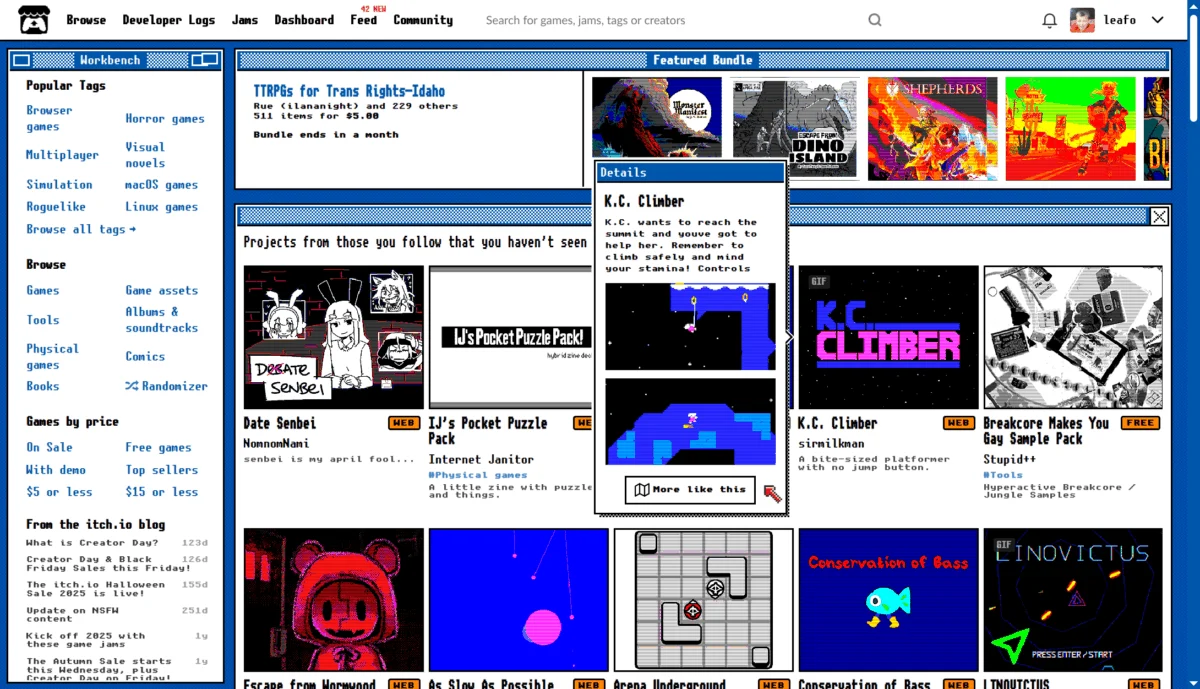
The popular independent game marketplace itch.io has officially concluded its "Ameyega mode" experiment, a retro-themed user interface overlay launched as its annual April Fools’ Day prank. While intended as a lighthearted homage to vintage computing aesthetics, the temporary interface generated a significant spectrum of reactions from its diverse user base, ranging from nostalgic appreciation to widespread frustration over usability and accessibility issues. The platform announced the mode’s conclusion with a brief update, acknowledging the community’s engagement and providing a temporary link for logged-in users to revisit the pixelated homepage.
The Annual Tradition of Digital Pranks: Context and Intent
April Fools’ Day has long been a fixture in the tech and gaming industries, with companies leveraging the occasion to showcase their brand personality, engage with their communities, and sometimes even subtly test new concepts. Major players like Google, Blizzard Entertainment, and Valve have historically participated, often introducing elaborate, fantastical products or temporary interface changes that generate significant buzz. These pranks serve multiple purposes: they offer a moment of levity, reinforce brand identity, and can even become viral marketing moments. For a platform like itch.io, known for its strong connection to indie developers and experimental content, an April Fools’ prank fits seamlessly into its ethos of creativity and unconventional approaches.
Itch.io, which hosts hundreds of thousands of games, assets, and tools from independent creators, has cultivated a reputation for being developer-friendly and community-centric. Its platform often features unique jams, bundles, and a flexible publishing model that distinguishes it from larger, more corporate digital storefronts. Engaging in a fun, if sometimes disruptive, prank like "Ameyega mode" aligns with this identity, positioning the platform as a place that doesn’t take itself too seriously and appreciates the historical roots of digital entertainment. The intent behind "Ameyega mode" was ostensibly to evoke a sense of nostalgia for the early days of personal computing and gaming, specifically drawing inspiration from classic systems like the Amiga, Commodore 64, and early PC interfaces, which were characterized by pixelated graphics, limited color palettes, and distinct blocky fonts.
The Genesis of Ameyega Mode: A Pixelated Homage
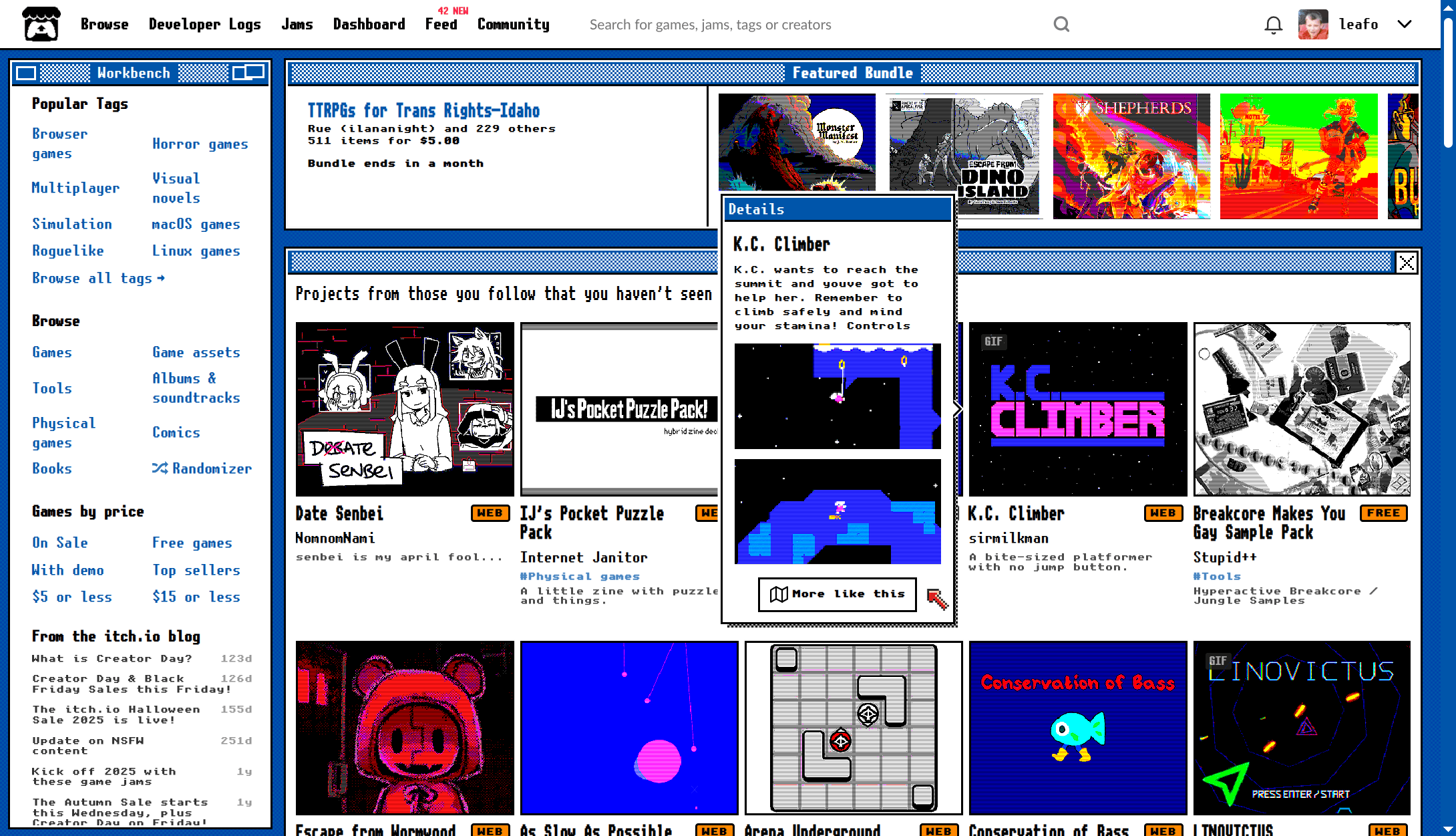
"Ameyega mode" transformed the modern, clean interface of itch.io into a deliberately anachronistic design. The core of its aesthetic was the extensive use of pixel fonts, specifically crediting "viznut.fi/unscii/" for the fonts employed across the homepage. This choice immediately imparted a retro feel, mimicking the character-based displays common in the 1980s and early 1990s. Beyond just fonts, the entire visual presentation adopted a low-resolution, high-contrast style, reminiscent of graphical user interfaces from decades past. Buttons, navigation elements, and even images were rendered with a discernible pixel grid, reducing the visual fidelity in favor of a distinct retro charm. The color scheme also leaned into this retro vibe, often featuring stark contrasts and limited palettes that harked back to early display technologies.
The prank was initially launched on or shortly after April 1st, with itch.io noting a slight delay in its deployment. This delay, humorously acknowledged by the platform ("I got it out late"), led to an extension of the mode’s availability beyond the typical single-day run of April Fools’ pranks. This extension, while perhaps intended to allow more users to experience the unique interface, also prolonged the period of both enjoyment and frustration for the community. The development team’s choice to implement such a comprehensive visual overhaul, even temporarily, suggests a significant investment in its creation, indicative of a genuine desire to deliver a memorable and impactful prank that resonated with a segment of their user base nostalgic for computing’s golden age. It was a clear attempt to connect with users on a cultural level, tapping into a shared appreciation for the history of digital media.
Chronology of the Ameyega Mode Event
The "Ameyega mode" prank unfolded over several days, extending beyond the typical 24-hour window for April Fools’ jokes, a decision that contributed to both its prolonged impact and the intensity of user feedback.
- Early April 1st (or slightly thereafter): Itch.io activates "Ameyega mode" across its homepage. Users logging into the platform or navigating to the homepage are greeted with the drastically altered, pixelated interface. Initial reactions begin to appear on social media platforms like Twitter, Reddit, and various gaming forums, ranging from confusion and surprise to immediate delight.
- April 1st – April 3rd (Extended Run): Itch.io officially acknowledges the prank in an update post, stating, "Happy April 1st. We’ll run this one a bit longer because I got it out late." This extension means the retro interface remains active for several days, giving more users a chance to encounter it, but also exacerbating any usability issues for those who found it difficult. During this period, the comments section of the update post begins to fill rapidly, providing a direct channel for user feedback.
- April 2nd – April 4th: Peak Engagement and Controversy: As more users encounter "Ameyega mode," the discussion intensifies. A clear divide emerges between those who love the nostalgic aesthetic and those who find it genuinely disruptive. Reports of technical glitches, particularly concerning the site’s dark mode setting, become more frequent. Users express frustration over accessibility and navigation challenges.
- Post-Conclusion (Shortly after April 4th): Itch.io officially announces the end of "Ameyega mode." The homepage reverts to its standard design. However, the platform provides a special URL (
https://itch.io/?ameyega) allowing logged-in users to revisit the retro interface, indicating an understanding that some users genuinely appreciated it. Shortly after the mode’s conclusion, reports from users confirm that the dark mode functionality, which had been broken for some during the prank, is restored, suggesting a quick post-mortem fix by the itch.io team.
This chronology highlights the dynamic nature of the prank, from its initial rollout and enthusiastic reception by some, to the growing chorus of concern over its practical implications, and finally, its resolution and the subsequent technical adjustments.
Community Reactions: A Polarized Digital Landscape
The comments section of itch.io’s announcement post, alongside discussions on social media, paints a vivid picture of a deeply polarized community reaction to "Ameyega mode." With nearly 40 comments directly on the announcement, and countless more across other platforms, the feedback was robust and often passionate.
The Enthusiasts of Nostalgia:
A significant portion of the community embraced "Ameyega mode" with open arms, celebrating its retro charm and nostalgic appeal. These users often expressed a genuine desire for the mode to become a permanent, optional theme. Comments such as "I love how most people hate it, and I’m over there being like jack_nicholson_yes.gif" captured the sentiment of those who found joy in the old-school aesthetic. Others explicitly requested: "Please please please make an option to keep this, it’s SO much easier to read for me wow I love love love it," or "I would like for itch.io to change to it permanently. I was sad to find out it was a joke." For this group, "Ameyega mode" was not just a prank but a delightful callback to formative gaming experiences, and for some, surprisingly, a more comfortable visual experience. The request for it to be a permanent feature underscores the strong emotional connection some users have to these retro aesthetics.
The Detractors: Usability and Accessibility Concerns:
On the other side of the spectrum were users who found "Ameyega mode" to be a significant impediment to their ability to use the platform. Complaints centered heavily on usability, readability, and critical accessibility issues. Users reported difficulty navigating the site, struggling to read text, and even finding certain features, like the "feed option," temporarily inaccessible. One particularly poignant comment highlighted an accessibility concern: "Oh so cool, i’m disabled and I CAN’T WATCH THIS! How do you get this crap off?!" This feedback underscores the critical importance of inclusive design, even for temporary aesthetic changes. Another user lamented, "omg please change it back this is so hard to navigate and there is no option in my feed to see new updates I follow. I hate thisssss." The sentiment of frustration was palpable, with many viewing the prank as having gone "too far" and negatively impacting their routine use of the platform.
Technical Glitches: The Dark Mode Dilemma:
A recurring and prominent complaint revolved around the "Ameyega mode’s" incompatibility with itch.io’s dark mode setting. Numerous users reported that their preferred dark theme was broken by the retro overlay, resulting in an unreadable or jarring interface. Comments like "Yeah, and never do it again, please. Because you messed up, Dark mode and I can’t get it to work. And it looks like I’m not the only one who’s having that problem" and "it’s over but dark mode is not working now…" illustrate this significant technical oversight. The disruption of a core user preference like dark mode, which is often chosen for comfort or accessibility reasons, transformed a humorous prank into a genuine inconvenience for many. The platform’s quick fix for dark mode after the prank concluded ("EDIT: four hours after posting this, the front page is showing Dark mode correctly. Apparently they’re paying attention!") demonstrated responsiveness but also highlighted a potential lack of thorough testing for compatibility.
The "Jump Scare" and Confusion:
Beyond the love and hate, a subset of users simply experienced confusion or a momentary "jump scare" upon encountering the drastically changed homepage. One user’s comment, "Top tier jump scare. This one got me," perfectly encapsulated this initial shock. For these users, the prank effectively achieved its goal of surprise, albeit potentially disorienting. This reaction highlights the effectiveness of the prank in its initial delivery, before the long-term usability concerns set in for some.
Broader Implications and Lessons Learned
The "Ameyega mode" prank, while a temporary diversion, offers several valuable insights into user experience design, community management, and the delicate balance of humor in digital platforms.
The Primacy of Accessibility and User Choice: The most significant lesson from the "Ameyega mode" experiment is the critical importance of accessibility and user choice in interface design. Even a temporary aesthetic change, if not carefully implemented, can alienate a significant portion of the user base, particularly those with specific visual or cognitive needs. The strong negative reactions related to readability and navigation underscore that design decisions, even for a joke, must consider the diverse ways users interact with a platform. Platforms like itch.io, which aim to be inclusive for creators and players alike, must ensure that any interface modification, permanent or temporary, maintains a baseline level of usability for all. Web Content Accessibility Guidelines (WCAG) are not just for compliance but for fostering an inclusive environment.
The Double-Edged Sword of Brand Personality: While "Ameyega mode" reinforced itch.io’s quirky, indie brand image and its willingness to experiment, it also demonstrated the potential pitfalls of such bold moves. For every user who appreciated the humor and nostalgia, there was another who felt frustrated or even alienated. Balancing a unique brand personality with practical user needs is a constant challenge for any digital service. This prank showed that while a sense of fun can enhance brand perception, it should not come at the cost of core functionality or user comfort.
The Value of User Feedback for UI/UX Evolution: The sheer volume and intensity of feedback, both positive and negative, provide itch.io with invaluable data. The enthusiastic requests for "Ameyega mode" to become a permanent option indicate a genuine desire among a segment of users for customizable themes or retro skins. This could inspire itch.io to explore offering more optional UI themes in the future, allowing users to personalize their experience without forcing a single aesthetic on everyone. Conversely, the complaints about dark mode compatibility and navigation highlight specific areas for improvement in future UI updates or themed implementations, emphasizing the need for rigorous testing across different user configurations and accessibility settings.
The Evolution of Digital Pranks: "Ameyega mode" serves as a case study in the evolving nature of digital April Fools’ pranks. While the initial surprise element remains effective, the duration and impact of such pranks on core functionality are increasingly scrutinized by users. As digital platforms become integral to daily life for work, entertainment, and communication, the tolerance for disruptive pranks diminishes. The shift towards offering an opt-out or providing a quick fix for issues like the dark mode bug reflects a growing awareness among developers of the need to balance humor with user experience.
In conclusion, itch.io’s "Ameyega mode" was a memorable April Fools’ prank that successfully engaged its community, albeit with a highly divided reception. It showcased the platform’s playful spirit and its connection to gaming history, while simultaneously offering crucial lessons about the complexities of user interface design, accessibility, and the delicate art of digital humor. The decision to keep the mode accessible via a special link suggests itch.io understands the divergent preferences within its community, and perhaps, lays the groundwork for more customizable user experiences in the future.
About the Author