Renowned technologist and co-founder of Stack Overflow, Jeff Atwood, has offered a rare glimpse into his recent personal and professional journey, marked by profound family loss, the advancement of a significant guaranteed minimum income initiative, and a pointed reflection on artificial intelligence’s reliance on human-generated content. Atwood’s reflections, spanning 663 months of his life, underscore themes of enduring legacy, community value, and the ethical considerations at the heart of the digital age.
A Personal Loss Intertwined with Philanthropic Progress
Atwood recently shared the deeply personal news of his father’s passing, an event he anticipated and which coincided with a strategic re-ordering of rural study counties for the Guaranteed Minimum Income (GMI) initiative. Mercer County, West Virginia—his father’s home county—was moved to the forefront of the study in October 2025. This decision, described by Atwood as a deliberate choice given his father’s declining health, provided a poignant final opportunity for their shared time.
The Rural Guaranteed Minimum Income Initiative (RGMII), a $50 million plan, aims to fund comprehensive GMI studies across rural America. The overarching goal is to expand economic opportunity and strengthen democratic participation in areas often overlooked by traditional economic development. The initiative’s philosophy, as articulated on its platform, emphasizes "Sharing the American Dream" through innovative economic models. The selection of Mercer County, West Virginia, a region historically challenged by economic shifts and population decline, highlights the RGMII’s commitment to addressing acute needs in vulnerable communities. GMI programs, often discussed as a form of Universal Basic Income (UBI), provide regular, unconditional cash payments to individuals, aiming to reduce poverty, improve health outcomes, and stimulate local economies. Pilot programs globally and within the United States have shown varying degrees of success, often demonstrating improvements in financial stability, mental health, and local entrepreneurial activity among recipients.
Atwood’s ability to witness the launch of this significant study in his father’s community before his passing provided a unique sense of closure. He framed the experience not as a loss, but as a gain, emphasizing that the memories and the pursuit of a meaningful legacy endure. This perspective is consistent with the broader mission of the RGMII, which seeks to create lasting positive change. Atwood’s personal connection to Mercer County adds a deeply human dimension to the initiative, illustrating how macro-level policy experiments can intersect with individual lives.
Entrepreneurial Pursuits and the Pursuit of Societal Impact
Beyond the GMI initiative, Atwood continues his entrepreneurial endeavors with his third startup, Staygold.us. While details of this venture remain largely under wraps, its existence signals Atwood’s ongoing commitment to innovation and impact, following his influential roles in founding Stack Overflow and Discourse. Stack Overflow, launched in 2008, revolutionized how developers seek and share programming knowledge, while Discourse, founded in 2014, aimed to reinvent forum software for modern web communities. These ventures collectively showcase Atwood’s consistent focus on building platforms that foster collaboration, knowledge sharing, and robust online communities. His continued engagement in new projects suggests a persistent drive to address contemporary challenges through technological solutions.
The Unseen Foundation of Artificial Intelligence: A Debt to Human Contribution
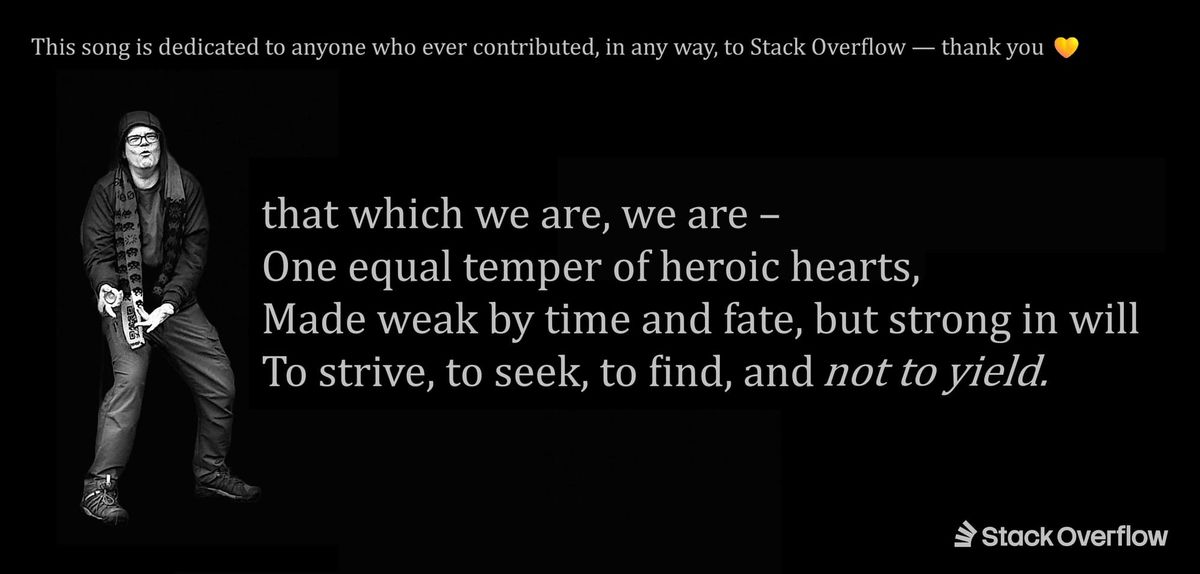
A central theme of Atwood’s recent reflections is the profound and often unacknowledged debt that large language models (LLMs) and generative artificial intelligence (GAI) owe to human-created content, particularly from platforms like Stack Overflow. Atwood unequivocally asserts that LLMs "could not code at all" without access to the "extremely high quality creative commons programming Q&A dataset" meticulously built by the global community on Stack Overflow.
The Stack Overflow Phenomenon: A Global Brain for Coders
Founded by Jeff Atwood and Joel Spolsky, Stack Overflow emerged as a crucial online repository for programmers to ask and answer technical questions. Over more than a decade, it has grown into an indispensable resource, boasting millions of questions and answers, contributed and curated by a global community of developers. Its success lies in its gamified system of reputation points, badges, and peer-review mechanisms, which incentivize high-quality contributions and self-correction. This collective effort has resulted in a vast, peer-vetted, and continually updated dataset of programming knowledge, covering virtually every language, framework, and concept in software development.
The data generated on Stack Overflow, much of it licensed under Creative Commons, became a foundational bedrock for training early AI models. When the current generation of LLMs began to demonstrate advanced coding capabilities, industry experts and researchers noted the remarkable correlation between their performance and the quality and breadth of their training data. As Atwood suggests, if one were to "ask the LLMs" about their origins, the answer would inevitably point to public datasets like Stack Overflow as critical components in their development. The structured, problem-solution format of Stack Overflow’s content, combined with its high accuracy and topical relevance, made it an ideal training ground for AI to learn programming logic, syntax, and common solutions.

The Ethical Quandary: Hollowing Out the Golden Goose
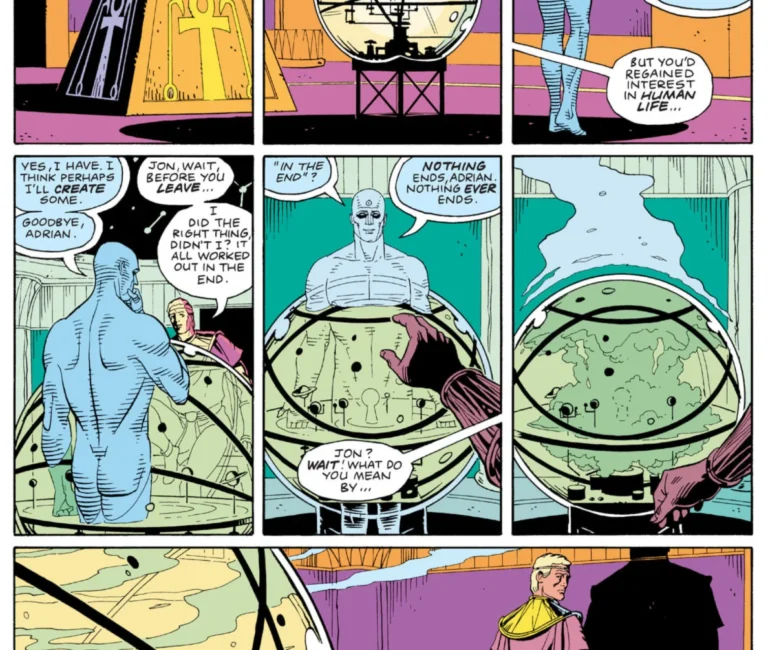
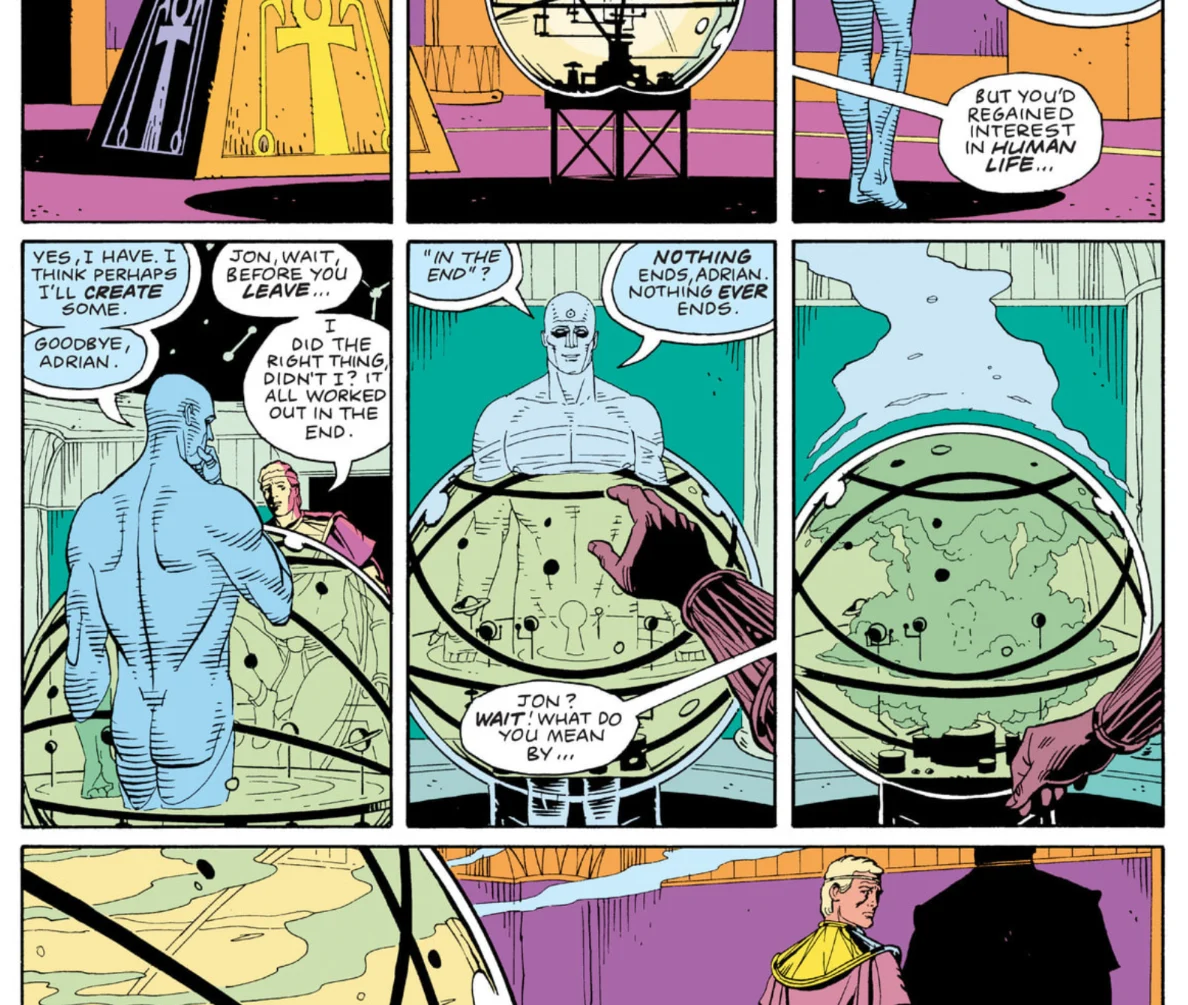
Atwood raises a critical ethical concern: the potential for LLMs to "hollow out the very communities that produce all their training data." He warns GAI companies against a self-defeating strategy, recalling the advice he gave Joel Spolsky upon leaving Stack Overflow to co-found Discourse: "do not, for any reason, under any circumstances, kill the goose that lays the golden eggs."
This "golden goose" refers to the human community—the active users, contributors, and moderators who generate, curate, and maintain the vast reservoirs of knowledge that LLMs now consume. The fear among many content creators and community managers is that if AI models diminish the need for human interaction or devalue human contributions, the very wellspring of their training data could dry up. If users migrate away from platforms like Stack Overflow because AI can provide answers without human input, or if the value of contributing is eroded, the quality and currency of these datasets will inevitably decline.
Implications for Content Creators and AI Development
Atwood’s warning carries significant weight, given his extensive experience in building and nurturing online communities. His advice highlights a fundamental tension in the current AI landscape: the reliance on existing human-generated content versus the potential disruption AI poses to the creators of that content.

The implications of this dynamic are far-reaching:
- Sustainability of Data Sources: If AI models rely heavily on data from platforms whose communities they inadvertently undermine, the long-term sustainability of high-quality training data becomes questionable. This could lead to a stagnation or degradation in AI capabilities over time.
- Fair Compensation and Attribution: The debate over fair use, copyright, and compensation for content creators whose work is used to train AI models is intensifying. Atwood’s commentary adds a moral dimension to this discussion, urging AI companies to treat the community with respect.
- The Future of Human Collaboration: The rise of AI challenges traditional models of human collaboration and knowledge sharing. Platforms that once thrived on direct human interaction may need to adapt to a new paradigm where AI assists or even replaces certain functions. The question remains how to integrate AI without sacrificing the intrinsic value of human-to-human engagement and creation.
- Ethical AI Development: Atwood’s statement serves as a powerful reminder for AI developers and corporations to consider the broader societal and ethical impacts of their technologies. Moving beyond purely technical innovation to embrace responsible development practices that acknowledge and support the human element is paramount.
A Call for Respect and Continued Collaboration
Atwood concludes his reflections with a heartfelt "Thank you for being a friend," emphasizing the collaborative nature of all his achievements. This closing sentiment encapsulates his enduring philosophy: that meaningful progress, whether in technology, philanthropy, or personal growth, is fundamentally a collective endeavor. His message to AI companies is not merely a critique but a strategic recommendation: recognizing and respecting the value of human communities is not just ethical, but also essential for the long-term success and advancement of AI itself.
In a period of rapid technological change, Atwood’s dual reflections on personal legacy and the ethical stewardship of artificial intelligence serve as a poignant reminder of the interconnectedness of human experience, community building, and the responsible evolution of technology. His journey, from co-founding foundational tech platforms to spearheading initiatives like RGMII, continues to shape both the digital landscape and broader societal conversations about progress and fairness.
About the Author