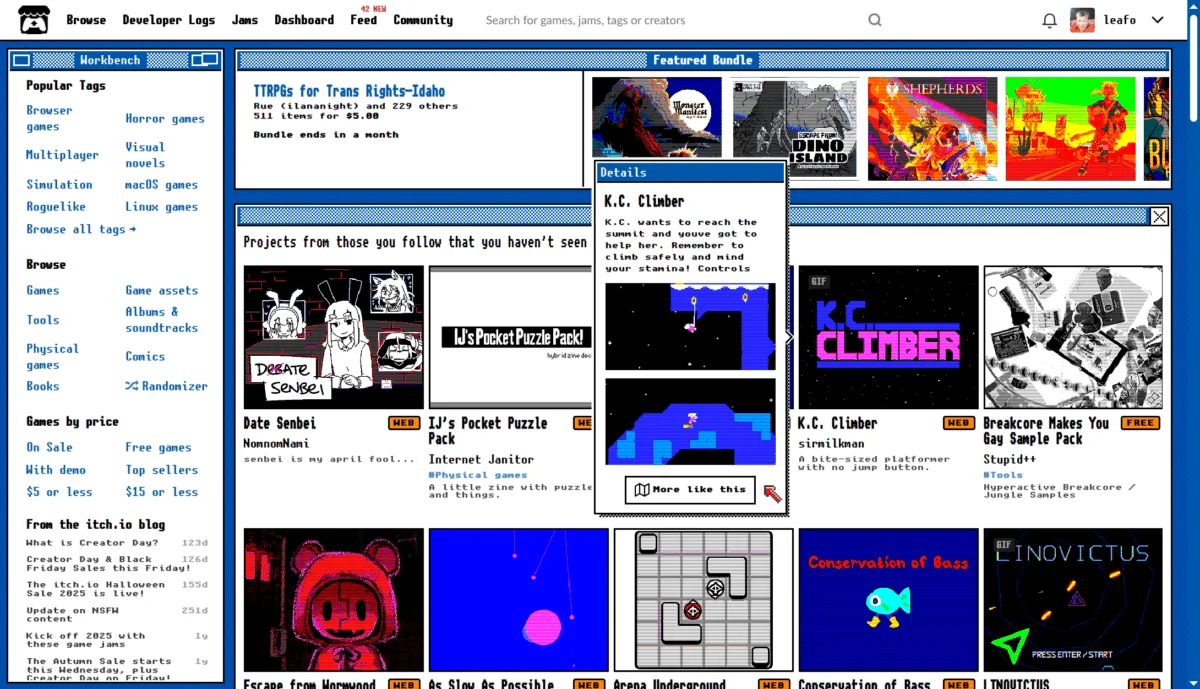
The independent game platform itch.io has officially concluded its "Ameyega mode," a temporary, retro-themed homepage redesign initially launched as an April Fools’ Day prank. While the pixelated, ASCII art-inspired interface delighted a segment of its user base with a wave of nostalgia, it simultaneously presented significant usability challenges and technical glitches for others, igniting a broader discussion on digital aesthetics, accessibility, and the enduring appeal of retro computing.
The "Ameyega Mode" Unveiled: A Nostalgic Digital Prank
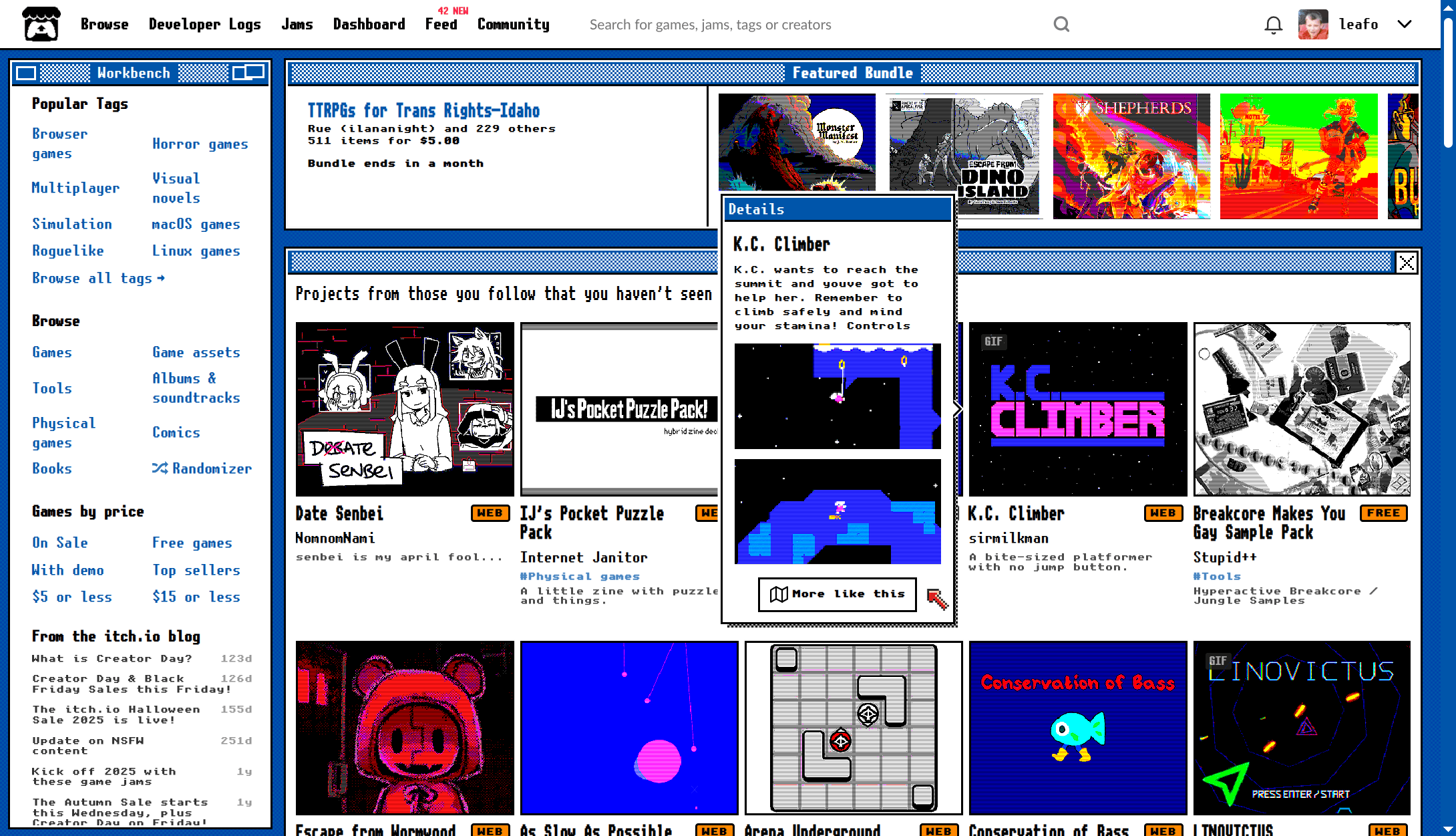
On April 1st, a day notorious for elaborate hoaxes and lighthearted mischief across the internet, itch.io transformed its typically modern and streamlined homepage into a stark, pixel-art landscape. Dubbed "Ameyega mode," the aesthetic was a clear homage to classic computing interfaces, particularly those of 8-bit and 16-bit systems like the Amiga, known for their distinctive graphical capabilities and command-line aesthetics. The platform announced the feature with a brief update, acknowledging its late deployment but promising to keep it active for an extended period, stating, "We’ll run this one a bit longer because I got it out late." This extension provided a longer window for users to experience, react to, and debate the unique interface. The mode officially concluded shortly thereafter, with itch.io providing a temporary URL for logged-in users to revisit the nostalgic layout: https://itch.io/?ameyega. This gesture underscored the platform’s awareness of the mode’s appeal to a specific demographic, even as it reverted to its standard interface.
Behind the Pixels: The Technical and Cultural Homage
The visual style of "Ameyega mode" was not merely a superficial alteration but a deliberate dive into a rich vein of computing history. The use of monospace fonts and blocky graphics evoked an era when computing was more about text-based interfaces and limited color palettes, forcing creativity within constraints. itch.io credited http://viznut.fi/unscii/ for the fonts used on the homepage, highlighting the specific technical inspiration behind the retro transformation. Unscii is a font that provides a full set of Unicode characters in an 8×16 pixel grid, making it ideal for creating authentic-looking terminal-style displays.
The choice of an Amiga-inspired theme is particularly resonant within the indie game development community that itch.io serves. The Amiga, launched by Commodore in 1985, was a groundbreaking personal computer renowned for its advanced graphics and sound capabilities, making it a beloved platform for early game developers and enthusiasts. Its legacy continues to influence modern indie games, many of which intentionally adopt pixel art, chiptune music, and retro gameplay mechanics to evoke a sense of nostalgia or explore stylistic limitations. By tapping into this aesthetic, itch.io’s "Ameyega mode" resonated deeply with users who grew up with these systems or appreciate the historical roots of digital entertainment. It served as a playful reminder of the platform’s commitment to independent creators and the diverse, often experimental, nature of the games it hosts.
User Engagement and Diverse Reactions: A Spectrum of Feedback
The implementation of "Ameyega mode" triggered a significant volume of user feedback, as evidenced by the comment section of the announcement, which quickly accumulated dozens of reactions. The responses were markedly polarized, revealing a clear divide between those who celebrated the nostalgic experience and those who found it disruptive and impractical.
On one side, a vocal contingent expressed profound appreciation for the retro aesthetic. Comments such as "The ASCII art homepage was a delightful throwback – it actually made browsing feel nostalgic and charming" highlighted the emotional connection many users felt. Others, like one user stating, "I love how most people hate it, and I’m over there being like jack_nicholson_yes.gif," reveled in the unique experience. Several users went further, expressing a desire for the mode to become a permanent, optional theme: "Please please please make an option to keep this, it’s SO much easier to read for me wow I love love love it" and "I really like this theme. Can it be a permanent option?" These sentiments underscore a significant demand within the community for customizable interfaces that cater to different aesthetic preferences, particularly those with a strong inclination towards retro computing culture.
Conversely, a substantial portion of the feedback was critical, focusing primarily on usability and accessibility issues. The stark, low-resolution graphics, while authentic to the retro theme, proved challenging for many to navigate. Comments such as "omg please change it back thus is so hard to navigate and there is no option in my feed to see new updates I follow. I hate thisssss" and "how to disable? i cant see anything, help" were common. Some users reported significant frustration, with one exclaiming, "Oh so cool, i’m disabled and I CAN’T WATCH THIS! How do you get this crap off?!" This highlighted a critical accessibility concern, as the design, while artistically intentional, inadvertently created barriers for users who rely on clearer, more conventional interfaces for readability and navigation. The temporary nature of the prank did not mitigate the immediate frustration for those who found their primary access point to the platform compromised.
Navigating Technical Glitches and Rapid Response
Beyond aesthetic preferences, the "Ameyega mode" also introduced temporary technical issues, most notably impacting the platform’s dark mode functionality. Several users reported that the dark mode setting, a popular feature for reducing eye strain and catering to specific visual preferences, ceased to function correctly on the retro-themed homepage. Comments like "it’s over but dark mode is not working now…" and "Because you messed up, Dark mode and I can’t get it to work" indicated a clear disruption to a core UI feature.
The promptness of itch.io’s response to these technical complaints was commendable. One user, who initially posted about the dark mode issue, later updated their comment: "EDIT: four hours after posting this, the front page is showing Dark mode correctly. Apparently they’re paying attention!" This quick resolution demonstrates itch.io’s commitment to maintaining user experience and addressing critical bugs, even during a playful event. It also highlights the inherent challenges of deploying significant, temporary UI changes to a live platform with a diverse user base and existing accessibility features. While the prank was intended to be fun, the platform’s ability to quickly identify and rectify issues ensured that the disruption was minimal and temporary for most.
The End of an Era, With a Glimpse of the Past
With the official conclusion of "Ameyega mode," itch.io has reverted its homepage to its standard, modern design. The decision to keep a temporary access URL for logged-in users, allowing them to revisit the retro interface, serves as a conciliatory gesture to those who enjoyed the prank and wished for its permanence. This approach acknowledges the positive feedback while prioritizing the broader user base’s need for a consistent, accessible, and functional platform. The statement that the temporary access would remain "until the next time we make substantial changes to the homepage" suggests that while "Ameyega mode" itself may not return in its current form, itch.io remains open to future experiments and perhaps even incorporating elements of user-driven feedback into subsequent redesigns or optional themes.
Implications for Community, Brand, and Future UI
The "Ameyega mode" experiment offers several implications for itch.io and the broader digital platform landscape. Firstly, it reinforced itch.io’s brand identity as a quirky, community-focused platform that embraces experimentation and celebrates the diverse history of gaming. Unlike larger, more corporate gaming platforms, itch.io often engages in unconventional initiatives that resonate with its indie ethos. This April Fools’ prank, despite its mixed reception, solidified that image, fostering a sense of shared experience, even if that experience was one of collective bewilderment or delight.
Secondly, the strong user demand for a permanent "Ameyega mode" or similar optional themes presents a compelling case for future UI customization. In an era where personalization is a key aspect of user experience, offering diverse visual themes could enhance user engagement and satisfaction. While implementing such features requires development resources and careful consideration of accessibility, the enthusiasm generated by this temporary prank suggests a tangible benefit. Platforms that cater to niche interests, like itch.io, could particularly benefit from offering themes that align with specific subcultures, such as retro gaming enthusiasts.
Finally, the incident serves as a practical lesson in the delicate balance between novelty and accessibility in UI design. While temporary, humorous changes can generate buzz and engagement, they must be carefully managed to avoid alienating users or creating undue barriers. The rapid response to the dark mode issue demonstrated itch.io’s operational agility and commitment to user support. For other platforms considering similar ventures, the "Ameyega mode" experience highlights the importance of user testing, providing clear opt-out mechanisms for temporary changes, and having robust systems in place to address unforeseen technical conflicts.
The Enduring Appeal of Retro Aesthetics
Ultimately, the "Ameyega mode" underscored the enduring appeal of retro aesthetics in the digital age. In a world of increasingly sleek and homogeneous interfaces, the raw, pixelated charm of older computing paradigms offers a distinct visual and nostalgic experience. For many, it’s a connection to the formative years of computing and gaming, a reminder of simpler times, or an appreciation for the artistry born out of technical limitations. As itch.io continues to be a vibrant hub for independent game development, its playful foray into the past, however temporary, served as a powerful testament to the rich tapestry of digital history that continues to inspire and shape the future of interactive entertainment.
About the Author