One year after first inviting Americans to commit to "Share the American Dream," tech entrepreneur and "Coding Horror" founder Jeff Atwood, alongside his wife Betsy, has announced a significant expansion of their philanthropic efforts, pledging $50 million – half of their remaining wealth – to establish the Rural Guaranteed Minimum Income Initiative (RGMII). This ambitious program aims to address systemic poverty by providing direct, unconditional cash transfers to families in underserved rural communities across the United States, building upon an initial $21 million in immediate aid already distributed.
The couple’s journey into large-scale philanthropy began in January 2025 with the "Share the American Dream" pledge, a two-pronged commitment. The first pillar called for immediate support for organizations effectively assisting those most in need, while the second focused on longer-term contributions of time or funds to ensure the American Dream remains fair and attainable for future generations. This initiative was deeply inspired by the powerful adage, "From those to whom much is given, much is expected," a quote famously attributed to Mary Gates, mother of Microsoft co-founder Bill Gates.
The Genesis of a Philanthropic Vision
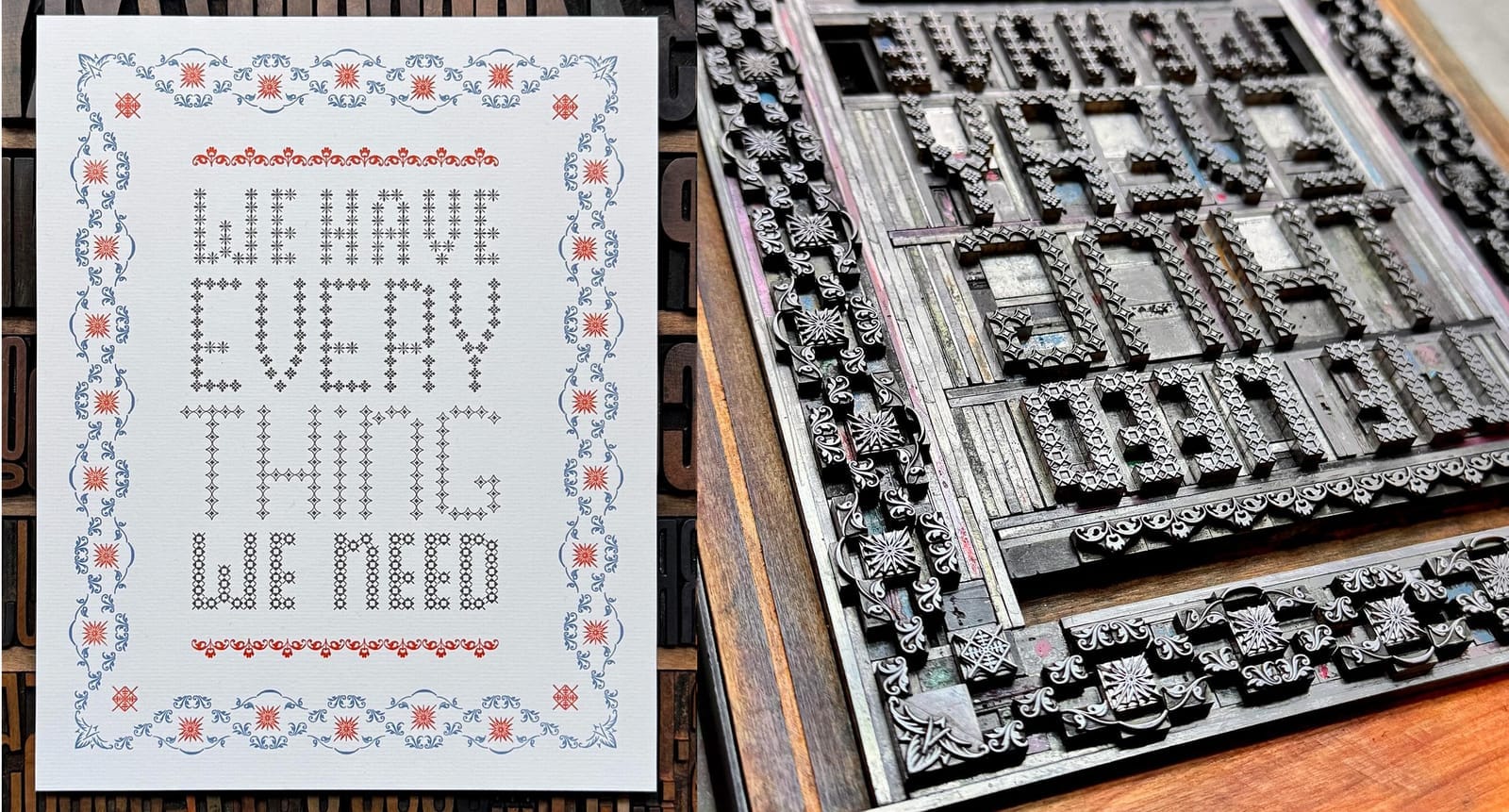
Jeff Atwood, widely recognized for co-founding Stack Overflow and his influential "Coding Horror" blog, found himself reflecting profoundly on the concept of "enough" following the reported $1.8 billion acquisition of Stack Overflow by Prosus in 2021. This personal introspection, coupled with his wife Betsy’s articulate philosophy – "We have everything we need; how do we make sure everybody has what they need?" – laid the groundwork for their expansive giving. Betsy Atwood emphasized the fundamental human right to basic necessities: "Do you have a comfortable place to live? Do you have enough to eat? Do you have healthcare? If you have the basics, you’re in a good place in life, and everybody should have that opportunity."
Initially, the Atwoods channeled $1 million to eight non-profit charities in January 2025, addressing urgent needs. However, the scale of immediate crises prompted a rapid increase in their commitment, with an additional $13 million in donations distributed within months, bringing the total immediate aid to $21 million. This responsive action underscored the pressing nature of poverty and hardship across the nation.

From Immediate Relief to Systemic Change: The Embrace of GMI
While crucial, the Atwoods recognized that reactive "firefighting" against individual crises was unsustainable. A more strategic, long-term approach was necessary to tackle the root causes of poverty and foster conditions where fewer such "fires" would ignite. Their initial ideas for this systemic change included founding a new organization, akin to a modernized RAND Corporation or Lever for Change, to empower experts to devise pathways for preserving the American Dream.
By March 2025, a clear consensus emerged: the most effective "road not taken" for addressing systemic inequality was Guaranteed Minimum Income (GMI). This decision marked a pivotal shift from broad, speculative ideas to a focused, evidence-based intervention. The Atwoods publicly announced their commitment to GMI, recognizing its potential to provide a stable foundation for families struggling against generational poverty.
Understanding Guaranteed Minimum Income (GMI)
Guaranteed Minimum Income (GMI) is a form of direct cash transfer designed to provide a regular, unconditional income floor for individuals and families whose earnings fall below a certain threshold. It distinguishes itself from Universal Basic Income (UBI) by being targeted. While UBI typically provides a fixed income to all citizens regardless of their wealth or employment status, GMI specifically directs funds to those who demonstrate the most need, ensuring resources are concentrated where they can have the greatest impact on lifting people out of poverty.
The concept of direct cash transfers has a rich, albeit often overlooked, history, dating back to proposals by figures like Thomas Paine in the late 18th century and gaining significant traction in the 20th century with economists like Milton Friedman advocating for a "negative income tax," a precursor to modern GMI. Over the past decade, numerous pilot programs and studies worldwide, from Finland to Stockton, California, have demonstrated the positive effects of direct cash transfers. These studies consistently show recipients using funds for basic necessities like food, housing, and healthcare, often leading to improved physical and mental health, reduced crime rates, and increased opportunities for education and employment. Crucially, fears of recipients misusing funds or reducing work effort have largely been unsubstantiated by empirical data.

The Rural Imperative: RGMII’s Strategic Focus
The Atwoods’ initiative, the Rural Guaranteed Minimum Income Initiative (RGMII), strategically focuses its efforts on rural counties. This decision is underpinned by several key factors:
- Economic Efficiency: Dollars tend to stretch further in rural areas due to lower costs of living, maximizing the impact of each contribution.
- Prevalence of Poverty: Rural America often experiences higher rates of poverty and fewer social services compared to urban or suburban areas. Data from organizations like the U.S. Department of Agriculture’s Economic Research Service frequently highlights persistent poverty in non-metropolitan counties, with rates often exceeding national averages.
- Manageable Populations for Study: Smaller populations in rural counties allow for tighter, more controlled studies, facilitating robust data collection and analysis on the efficacy of GMI.
- Overlooked Talent and Potential: Jeff Atwood emphasized his personal connection to rural America, noting that these regions are often overlooked despite possessing "incredible untapped talent." By investing in these communities, RGMII seeks to unlock this potential.
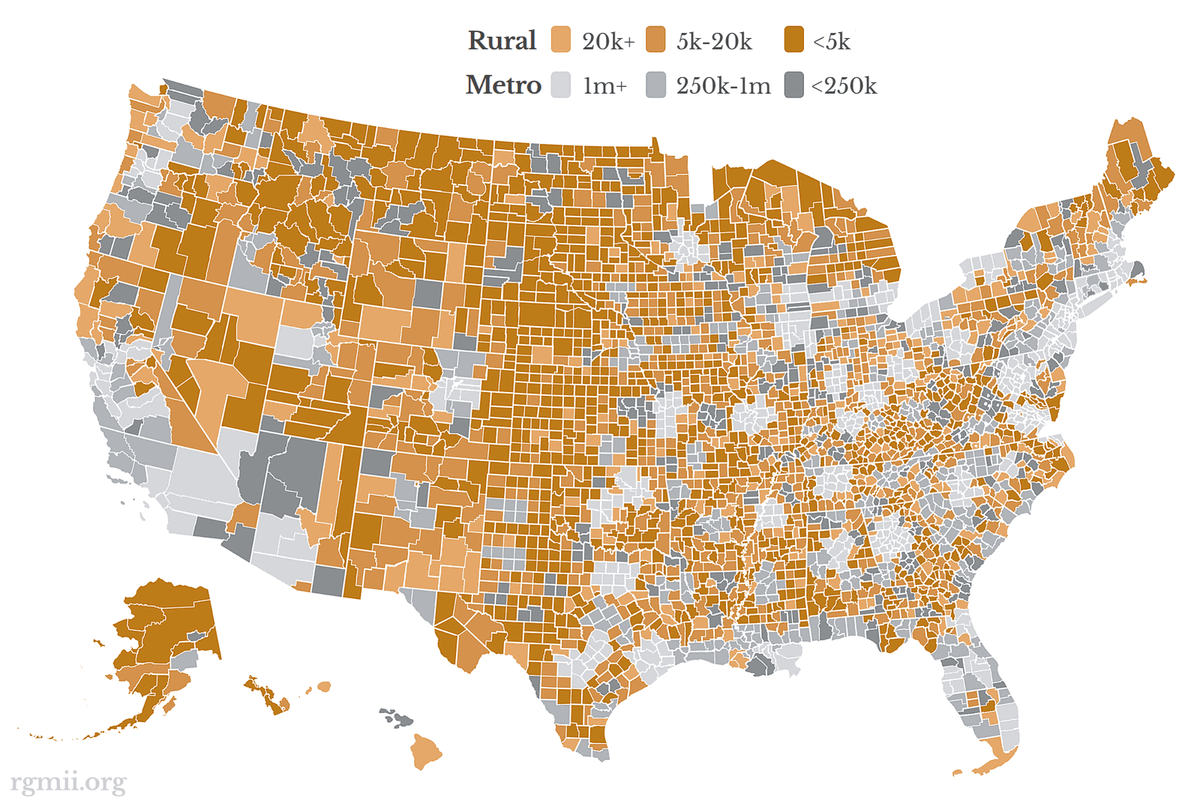
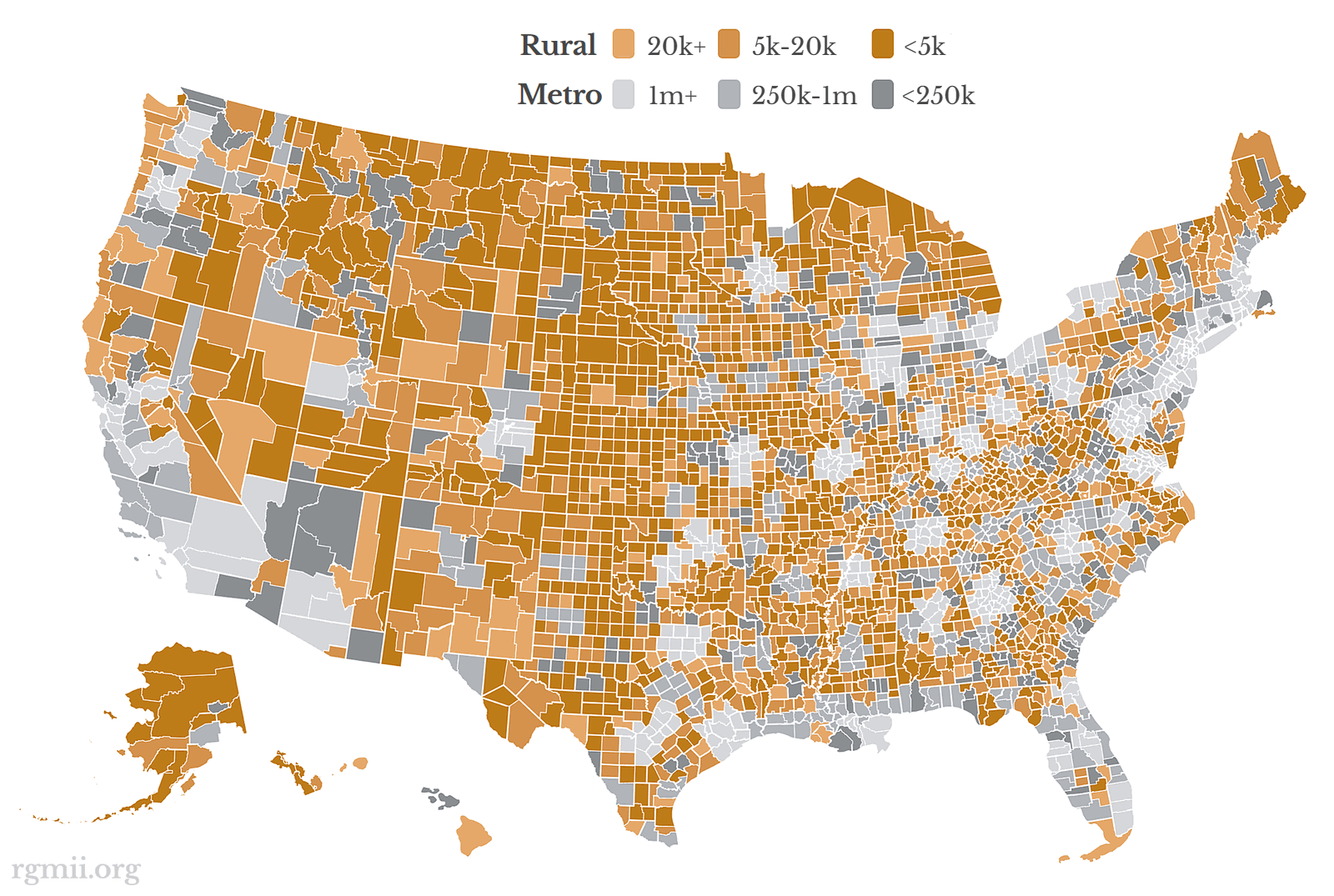
A map depicting the stark contrast between metropolitan (grey) and rural (gold) counties across the U.S. on the RGMII website visually underscores the vastness of the rural landscape and the scale of the initiative’s potential reach.

Initial Rollout and Early Impact
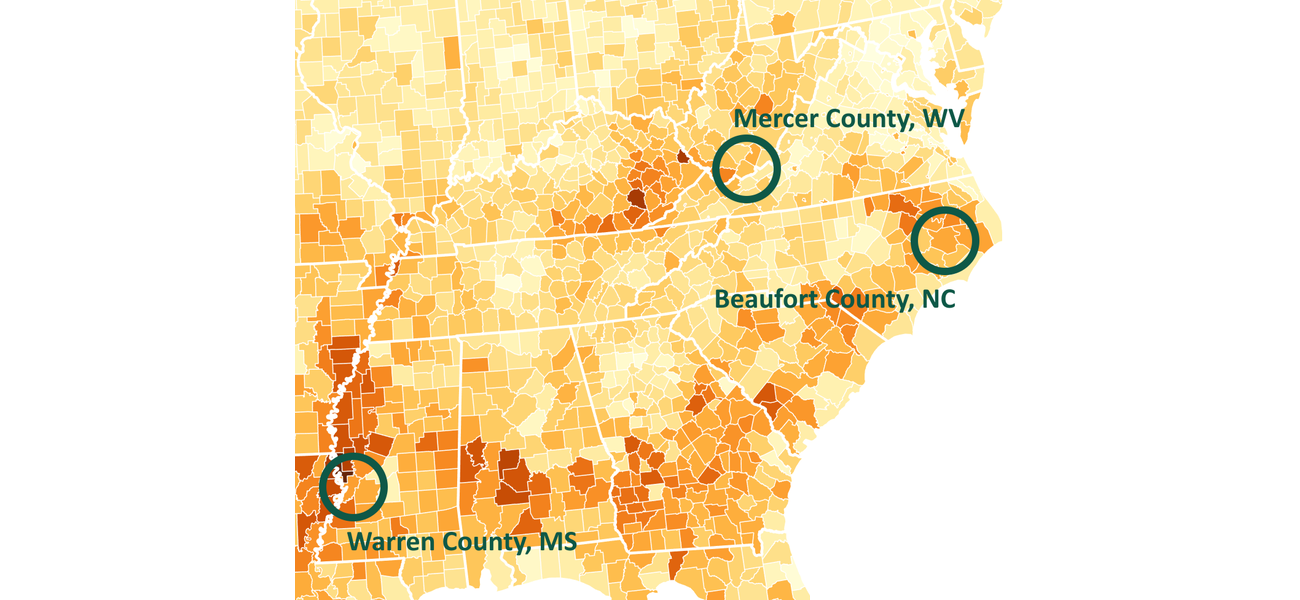
RGMII has swiftly moved from concept to execution, funding three county-level programs already underway in Mercer, West Virginia; Beaufort, North Carolina; and Warren, Mississippi. These programs are designed to provide financial assistance to thousands of individuals, lifting them out of poverty for a period of 16 months. A crucial component of RGMII is its commitment to transparency and data sharing, ensuring that results and insights from these pilot programs contribute to the broader understanding and advocacy for GMI.
The profound, immediate impact of GMI is vividly illustrated by the testimony of Stacy D., a RISE Recipient in West Virginia. Her story encapsulates the daily struggles faced by families in generational poverty: "I moved here with my family. And I have no family up here other than who I brought with me. So, how most people can be like, ‘Hey, I’m having a hard time. Got $20 or a pack of diapers.’ I have nobody up here to do that. So, if me and my husband don’t figure it out, it don’t get figured out." Stacy, a mother of five who had to stop working due to a high-risk pregnancy and then faced vehicle breakdown, highlights how GMI provides a critical lifeline, enabling her to secure transport for her children’s medical appointments and restore her family’s mobility and independence. Her closing remarks, "This is gonna… it’s going to do a lot!" resonate with the tangible difference GMI can make in real lives.
The Broader Philanthropic Landscape and GMI’s Potential
The Atwoods’ $50 million pledge represents a substantial investment in the direct cash transfer movement, placing them among the leading philanthropic advocates for GMI in the United States. This commitment comes at a time when traditional charitable models are increasingly being scrutinized for their administrative overhead and sometimes limited long-term impact. Proponents of direct cash transfers argue that they empower individuals to make the best financial decisions for their own families, bypassing bureaucratic inefficiencies and allowing for immediate response to personal needs.
Research from organizations like GiveDirectly, which specializes in direct cash transfers in developing countries, consistently demonstrates that recipients use the money for productive purposes, investing in small businesses, education, healthcare, and home improvements. Similar findings from U.S.-based GMI/UBI pilot programs have strengthened the evidence base, showing improvements in financial stability, food security, educational outcomes for children, and overall community well-being. By focusing on generating open data and sharing results, RGMII aims to contribute significantly to this growing body of evidence, providing policymakers and the public with robust information on GMI’s effectiveness in a distinctly American, rural context.
A Call to Action and Future Vision
Jeff Atwood’s ultimate ambition for RGMII extends far beyond the initial three counties: "But I think we can do considerably more. With your help, we hope to reach all 50 states over time." This vision underscores a long-term commitment to systemic change rather than isolated interventions. He reiterates his belief that the "path of love is the only survivable path" and that giving money to those most in need is "perhaps the most radical act of love we can take on."
The RGMII invites everyone to participate in this movement. Individuals are encouraged to visit rgmii.org to learn more about GMI’s history, explore study results, and understand how it works. Spreading awareness and engaging with elected representatives are identified as crucial steps in demystifying GMI and fostering broader acceptance. For those "to whom much is given," the initiative offers an opportunity to sponsor county-scale GMI studies, directly contributing to the expansion of the program and the generation of further data.
As Jeff Atwood frames it, this initiative is his "third and final startup," not aimed at establishing a personal foundation but rather at advancing the fundamental concept of direct cash transfer. The profound conviction that "dreams, like happiness, are only real when shared" serves as the guiding principle for the RGMII, aspiring to rebuild and share the American Dream with those who need it most. This philanthropic endeavor promises to be a lifetime of work, dedicated to proving that investing directly in human dignity through financial empowerment can create a more equitable and resilient nation. All future GMI content will be housed on a dedicated site, rgmii.org, while Coding Horror will revert to its typical technical blog posts.
About the Author