The extended reality (XR) landscape is currently undergoing a period of rapid hardware iteration and shifting monetization strategies, as evidenced by a series of high-profile leaks and official announcements from industry leaders Samsung, Meta, and Rokid. As the market transitions from niche enthusiast devices to mainstream consumer electronics, the focus has shifted toward the integration of artificial intelligence (AI), the development of smartglasses without bulky displays, and the introduction of recurring revenue models for software features. Recent developments indicate that while hardware capabilities are converging toward a standardized user experience, the competitive battlefield is moving toward software ecosystems and the implementation of "Hardware-as-a-Service" (HaaS) subscriptions.
Samsung and Google Smartglasses Leak Reveal Standardized Interaction Models
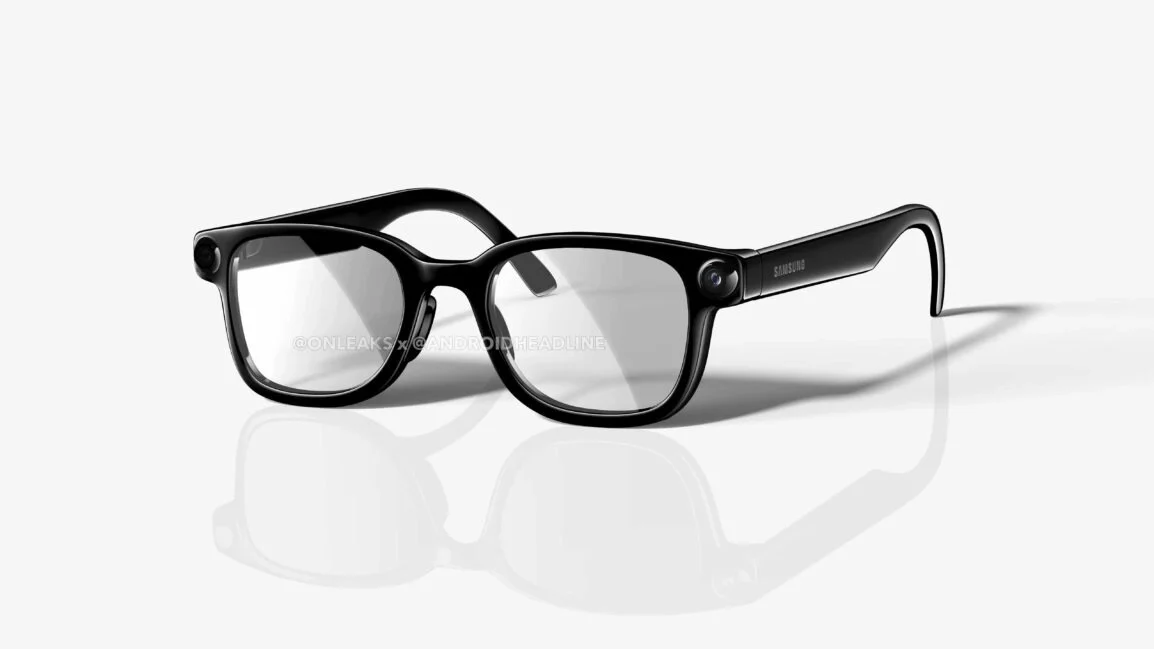
Internal leaks regarding the upcoming collaboration between Samsung, Google, and the luxury eyewear brand Gentle Monster have provided the first concrete look at the hardware’s companion software and user interface. The leaked screenshots of the mobile companion application suggest a streamlined setup process similar to existing wearables, allowing users to pair devices, manage media galleries, and adjust device settings.
Technical details regarding user interaction reveal that Samsung is opting for a conservative approach to input methods. Rather than relying on sophisticated hand-tracking—a staple of high-end headsets like the Apple Vision Pro—the Samsung smartglasses utilize capacitive touch surfaces on the temples. Reported gestures include single-finger horizontal swipes for media control, taps for play/pause functions, and two-finger swipes for volume adjustment. Furthermore, the hardware features a dedicated physical button on the right temple for capturing photos and videos. To enhance the ecosystem’s synergy, Samsung has integrated a "Now Bar" notification system for its smartphones and smartwatches, providing immediate previews of captured media. This approach mirrors the functionality of the Ray-Ban Meta smartglasses, suggesting an industry-wide consensus on the most effective form factor for non-immersive AR wearables.

Meta Introduces Meta One Subscription for Advanced Smartglasses Features
In a move that has sparked significant discussion regarding the future of wearable monetization, Meta has quietly introduced a premium subscription tier titled "Meta One." This service is designed to unlock advanced capabilities on the Ray-Ban Meta smartglasses that were previously expected to be part of the base hardware experience. The primary feature affected by this rollout is "Conversation Focus," an audio-processing tool that utilizes the device’s microphone array to isolate the speech of a person the user is looking at while suppressing ambient noise.
According to technical specifications, Meta has implemented a usage cap of three hours for the free tier of Conversation Focus. Users requiring expanded access—up to 15 hours—must subscribe to Meta One Premium. Meta spokespersons have confirmed that this limitation is not due to cloud computing costs or AI rate limits; the feature operates locally on the glasses’ onboard processor. This indicates a strategic shift toward software-gated features as a means of generating recurring revenue. Meta has indicated that this is the beginning of a broader testing phase for optional subscription plans, suggesting that future AI-driven capabilities and "frontier" models may also reside behind a paywall. Analysts suggest this move is an attempt to recoup the massive research and development costs associated with Reality Labs, Meta’s metaverse and hardware division.
Rokid Teases High-Performance AR Hardware and AI-Centric Operating System
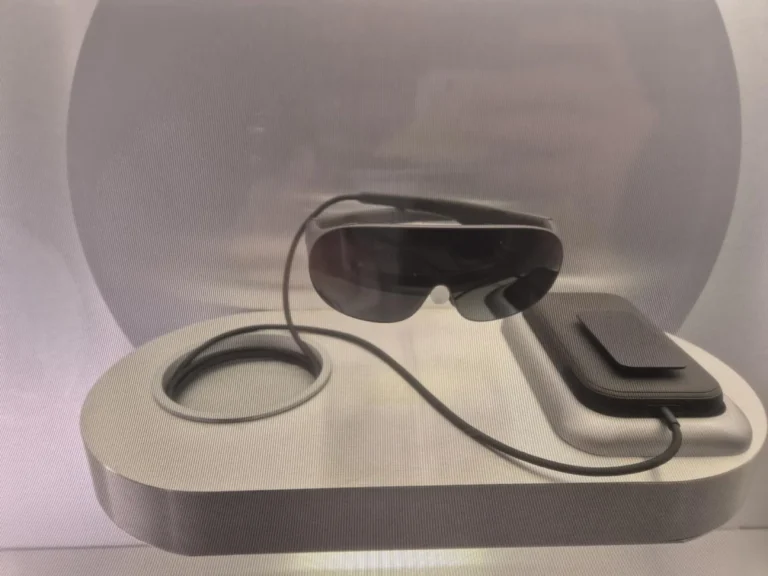
At its recent "Open Day" event in China, Rokid unveiled its latest hardware and software roadmap, positioning itself as a primary competitor to XREAL and Meta. The company announced its new 6-degree-of-freedom (6DOF) AR glasses, which utilize an external computing puck powered by the Qualcomm Snapdragon 8 Elite Gen 5 processor. The glasses feature a 58-degree field of view (FOV) and a resolution of 3840×1200 at 90Hz. Notably, the device uses a "hybrid waveguide" optical solution and microOLED displays, achieving a luminosity of 600 nits.
Beyond hardware, Rokid introduced YodaOS, which the company describes as the first operating system designed specifically for AI-integrated glasses. A core component of this system is "AIUI," a user interface that dynamically adapts how information is presented based on the context of a user’s query. For example, financial inquiries trigger infographics rather than text-based responses. In a significant move for the Chinese market, Rokid also announced that its glasses now support both Alipay and WeChat Pay, marking the first time an AR wearable has achieved dual-platform payment compatibility in the region.

Software Integration and Accessibility Milestones
The XR software ecosystem continues to expand with the arrival of long-requested applications and community-driven ports. Discord has officially launched a native application on the Meta Quest Store, allowing VR users to stream their gameplay and communicate via voice and text without exiting their immersive environment. While the initial release has been met with reports of high memory usage and occasional stability issues, the move represents a critical step in making VR headsets viable social communication hubs.
Simultaneously, the launch of PortalVR on Steam has ignited a debate regarding the nature of VR gaming. The application allows users to play VR-exclusive titles on traditional flat screens by utilizing alternative controllers, such as smartphones or Nintendo Joy-Cons, to simulate spatial movement. While some VR purists argue that this compromises the intended experience of titles like Half-Life: Alyx, accessibility advocates have praised the software for allowing individuals with motion sickness or physical disabilities to experience high-quality XR content.
Advancements in Brain-Computer Interfaces and Regulatory Oversight
The future of XR input methods is also being shaped by advancements in Brain-Computer Interfaces (BCI). Meta recently showcased "Brain2Qwerty v2," an improved non-invasive BCI capable of translating neural activity into text at higher speeds than previous iterations. In the invasive sector, Elon Musk’s Neuralink has proposed a new "transdural" procedure designed to reduce the risks associated with brain implants while maintaining high signal fidelity. These technologies suggest a long-term trajectory where physical controllers and touch gestures may eventually be replaced by direct neural commands.
As the technology becomes more prevalent, regulatory bodies are beginning to intervene. The state of Illinois recently enacted a ban on the use of smartglasses while driving, joining a growing list of jurisdictions concerned about distracted driving. This regulatory trend highlights the ongoing tension between the utility of "heads-up" information displays and the safety requirements of real-world environments.

Broader Industry Implications and Market Outlook
The convergence of these events points to an industry at a crossroads. The transition toward subscription-based features by market leaders like Meta suggests that the initial purchase price of XR hardware may no longer cover the full suite of its capabilities. This could lead to a fragmented user experience where "premium" users have access to superior sensory and AI tools.
Furthermore, the rise of AI-centric operating systems like Rokid’s YodaOS indicates that the next generation of wearables will be defined less by their visual fidelity and more by their ability to act as intelligent personal assistants. As Samsung and Google prepare to enter the smartglasses market, the industry is bracing for a tripartite competition between Meta’s social-first approach, Apple’s high-end productivity focus, and the Samsung/Google ecosystem’s integration with the broader Android landscape. The coming year will likely determine whether consumers are willing to accept the "Hardware-as-a-Service" model in exchange for the increasingly sophisticated AI capabilities being integrated into daily eyewear.
About the Author