The landscape of social media has undergone a profound transformation following Elon Musk’s acquisition of Twitter, now rebranded as X, prompting significant debate and a fervent call from prominent voices in the tech community for a radical shift towards decentralized platforms. Jeff Atwood, co-founder of Stack Overflow and Discourse, recently articulated a widely shared sentiment among users and industry observers regarding the platform’s trajectory under its new ownership, asserting that the changes have rendered the service detrimental to mental well-being and advocating for a complete abandonment of the platform in favor of open-source, federated alternatives. This stance underscores a growing disillusionment with centralized digital spaces controlled by individual powerful entities and highlights the imperative for user empowerment and collective ownership in the digital realm.
A Legacy Unravels: Twitter’s Pre-Musk Era
Before its tumultuous acquisition, Twitter, launched in 2006, had cultivated a unique position in the global digital ecosystem. It evolved beyond a mere microblogging service into a critical "digital town square," a real-time information network, and a platform for political discourse, social movements, and cultural exchange. Its immediacy and global reach made it indispensable for journalists, activists, celebrities, and everyday users alike. Despite its undeniable influence, Twitter was not without its challenges. The platform grappled with persistent issues such as misinformation, harassment, and the complexities of content moderation, particularly during politically charged periods like the U.S. presidential election cycles, notably the "Trump era." These challenges sparked ongoing debates about free speech, platform responsibility, and the psychological toll of constant exposure to conflict and negativity within its public arena.
The "Free Speech Colosseum" and its Early Challenges
The initial "strategery" of social media, as critics often describe it, involved "jamming a million people in a colosseum and letting them fight it out with free speech." This approach, while fostering vibrant, diverse conversations, also created an environment where the most extreme voices could gain disproportionate traction, leading to what many perceived as an unhealthy and often toxic discourse. Experts in social sciences frequently highlight that human brains are designed for stable relationships numbering around 150, suggesting that large-scale, anonymous interactions inherent in platforms like Twitter could be fundamentally at odds with human psychological well-being. This perspective posits that attempts to gather vast numbers of people into a single, centralized "marketplace of ideas" often result in chaos rather than constructive engagement, a sentiment echoed by figures like Paul Ford, who critically observed the inherent difficulties in scaling human interaction beyond intimate community settings.
The Acquisition and Immediate Aftermath
Elon Musk’s interest in Twitter became public in early 2022, culminating in a dramatic acquisition saga that involved a hostile takeover bid, legal battles, and ultimately, a $44 billion purchase completed in October 2022. Musk articulated his vision for Twitter as a bastion of "free speech absolutism" and a foundational component of an "everything app" he termed X. However, the implementation of his vision quickly led to widespread disruption and controversy.
"How Bad Could It Be?": Early User Reactions
Upon Musk’s takeover, many users, including Jeff Atwood, approached the transition with a cautious optimism, or at least a willingness to observe. Atwood himself stated he gave the "post-Elon Twitter era a week, thinking ‘how bad could it possibly be?’" This period of observation, however, quickly turned into profound dismay for many. The rapid succession of policy changes, mass layoffs (reportedly cutting approximately 80% of the workforce), and a perceived erratic management style led to an immediate degradation of user experience and trust. Reports from various tech publications and user communities detailed a decline in site stability, an increase in problematic content, and a general sense of organizational disarray. Advertisers, wary of the shifting content moderation policies and the potential for brand damage, began to significantly reduce or pause their spending on the platform, leading to a substantial drop in revenue.

A Paradigm Shift: Key Changes Under Musk
Musk’s tenure ushered in a series of radical changes that profoundly altered Twitter’s identity and functionality. The introduction of paid verification (Twitter Blue, now X Premium) decoupled the blue checkmark from verified identity, leading to a surge in impersonation and confusion. Content moderation policies shifted, often appearing inconsistent or driven by the personal preferences of the owner, rather than established community guidelines.
Content Moderation and the "Woke Virus" Narrative
A significant point of contention has been the evolution of content moderation. Musk publicly stated his intention to combat what he termed the "woke virus," implying a desire to roll back what he perceived as overly restrictive speech policies. This approach led to the reinstatement of numerous previously banned accounts, including controversial figures, and a general perception among critics that the platform was becoming more permissive towards hate speech, misinformation, and harassment. Data from research organizations and civil society groups, such as the Center for Countering Digital Hate, indicated a measurable increase in hateful content and disinformation on the platform following the acquisition, contributing to a sense of insecurity among vulnerable user groups and further alienating advertisers. The narrative around fighting a "woke virus" also alienated a significant portion of the user base and workforce, as evidenced by the mass resignations and criticisms from former employees.
The Exodus of Advertisers and Users
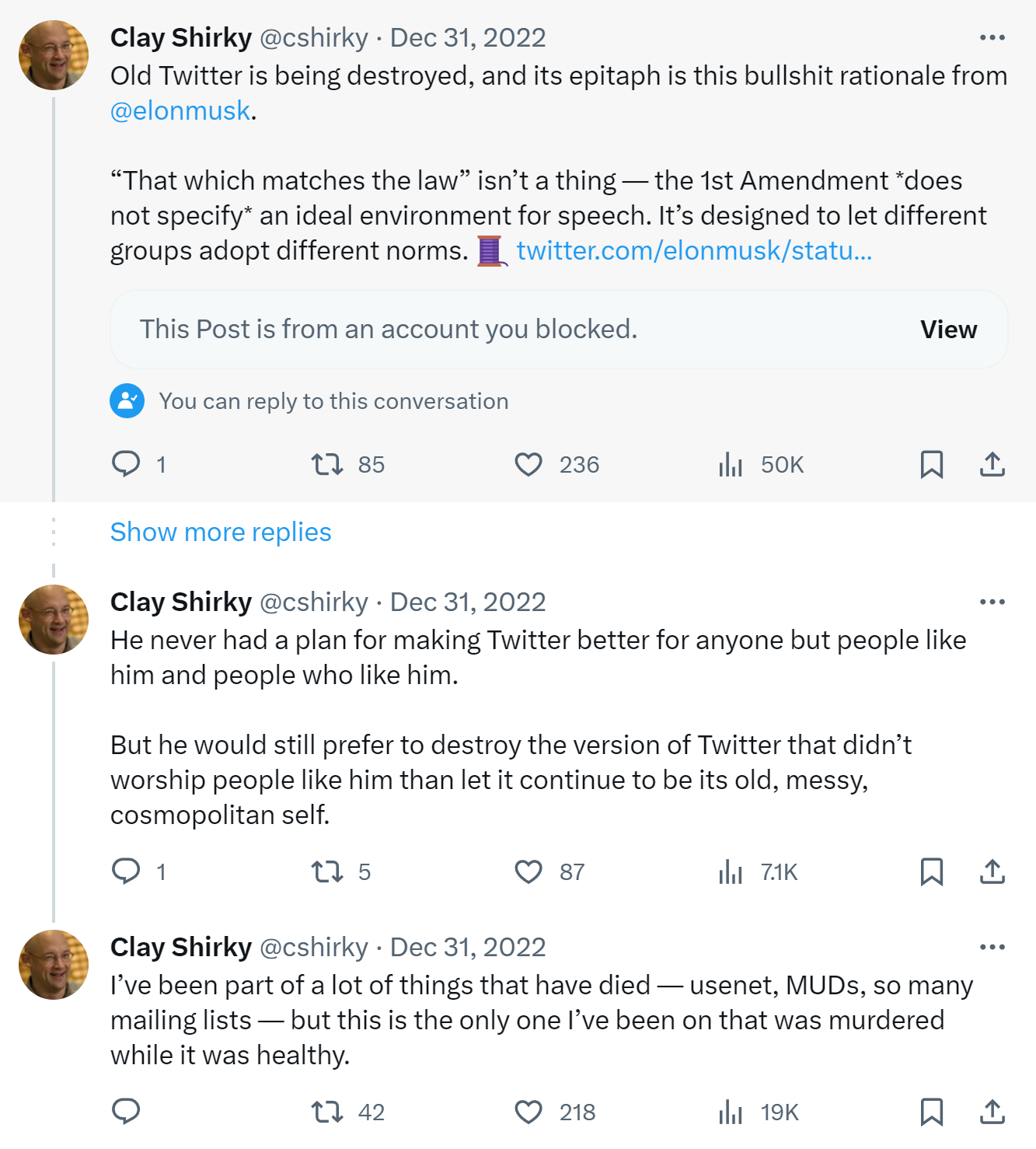
The changes under Musk precipitated an exodus of both advertisers and users. Major brands, including General Motors, Pfizer, and United Airlines, either paused or significantly reduced their advertising spend on Twitter/X, citing concerns about brand safety and the platform’s content environment. This advertiser flight reportedly led to a drastic decline in the platform’s revenue, with reports suggesting a drop of over 50% in advertising income in the first year post-acquisition. Concurrently, a segment of the user base, particularly those concerned about content moderation, harassment, or the platform’s general direction, began to actively seek alternatives. While exact user numbers are fluid, anecdotal evidence and reports from alternative platforms like Mastodon and Threads indicated a noticeable migration away from Twitter/X. Clay Shirky, a prominent internet scholar, encapsulated this sentiment with a poignant farewell in late 2022, describing Twitter’s transformation as being "murdered while it was healthy" at the whims of a billionaire.
The Call for Disavowal and Decentralization
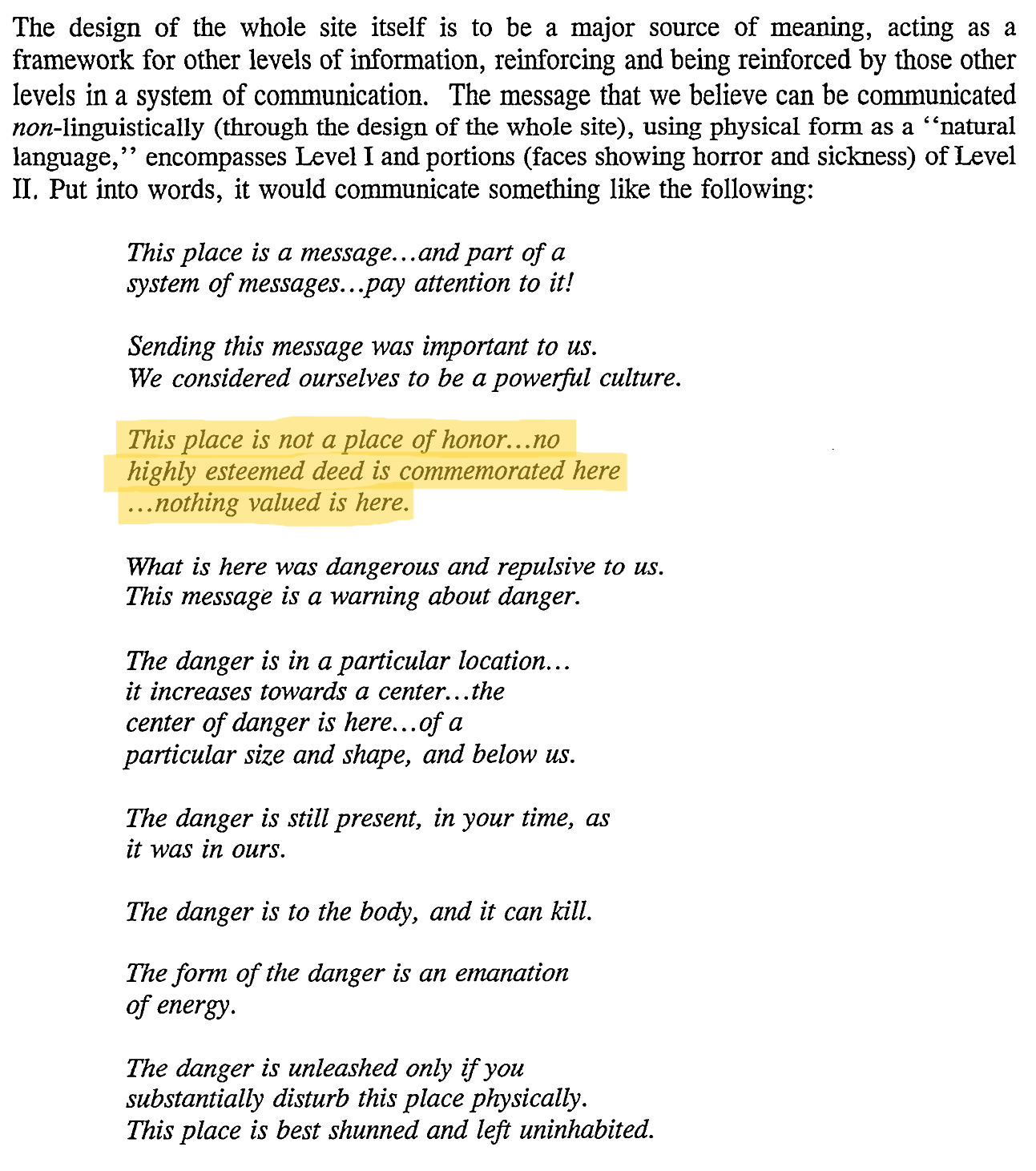
Against this backdrop of rapid change and perceived decline, Jeff Atwood’s call to "disavow Twitter and never look at it again" resonates with a growing segment of the online community. His argument is rooted not just in the immediate negative impacts but in a fundamental critique of centralized platform ownership. He contends that no one who values their mental health should remain on Twitter, nor should they link to it, thereby ceasing to provide the attention it needs to thrive. Atwood advocates for a symbolic and practical entombment of Twitter, akin to the long-term nuclear waste warning messages, to serve as a perpetual caution against the dangers of unchecked power in digital spaces.
The Dangers of Centralized "King-Run" Platforms
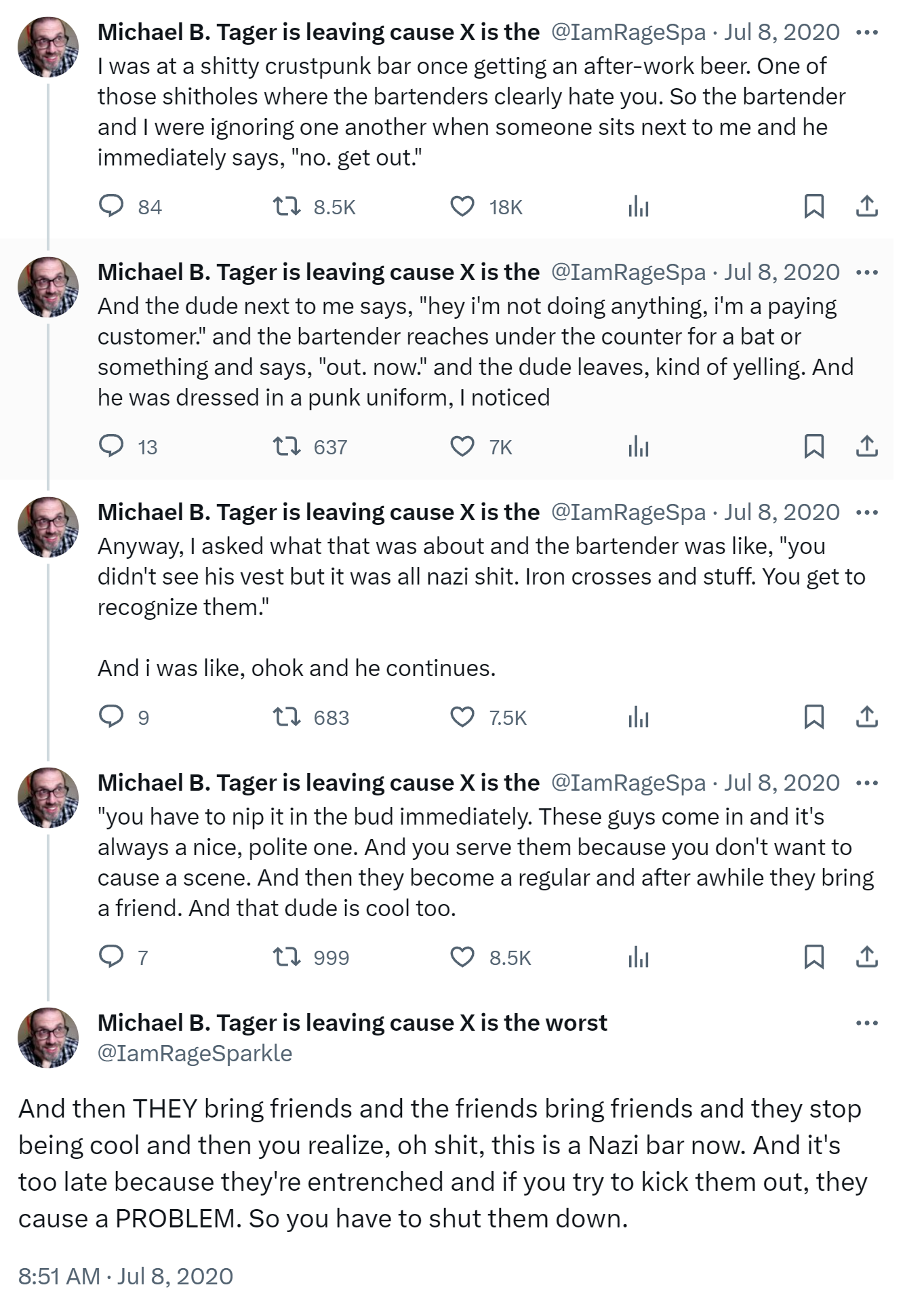
Atwood’s core argument against centralized platforms, particularly those controlled by a single individual, is that they inherently carry "the very real dangers of any platform run by a king, a dictator, a tyrant, a despot, an autocrat." This model, he argues, exposes users to the risk of having their content "rug-pulled out from under you at any time," or witnessing their "favorite bar… slowly transforms into a Nazi bar." This vivid analogy, drawn from a bartender’s anecdote about the necessity of immediately expelling undesirable elements to prevent a complete takeover, underscores the fragility of community spaces when governance is concentrated and susceptible to individual whims. The implication is that a platform’s culture and safety can rapidly deteriorate if its leadership is unwilling or unable to maintain a robust and consistent moderation standard.
The "Digital Sharecropper" Analogy
Atwood extends his critique to the economic model of "free" centralized services, characterizing users as "digital sharecroppers." In this analogy, users provide the content, data, and engagement that fuel the platform’s value, but they retain little to no ownership or control over their digital labor or the environment in which it resides. The "free" nature of these services, he argues, comes at a hidden cost: the sacrifice of autonomy, data privacy, and the stability of one’s digital presence. He challenges users to "grow up" and recognize that these services are not truly free, but rather a trade-off that often benefits the platform owner at the expense of the user. This perspective highlights the need for users to be more discerning about where they invest their digital lives and to understand the power dynamics at play.
The Promise of Federated Alternatives: Mastodon and Beyond
As an antidote to the perils of centralized control, Atwood passionately advocates for decentralization, urging users to explore alternatives to Twitter, "ideally open source, federated alternatives." He points to Mastodon, an open-source, federated social network, as a prime example of a viable path forward. Mastodon operates on the ActivityPub protocol, allowing independent servers (instances) to communicate with each other, forming a "fediverse" (federated universe). Users choose an instance to join, which is governed by its own community rules and moderated by its administrators, while still being able to interact with users on other instances. This model distributes power and moderation responsibilities across a network of communities rather than concentrating it in a single corporate entity.
Empowering Users Through Collective Ownership
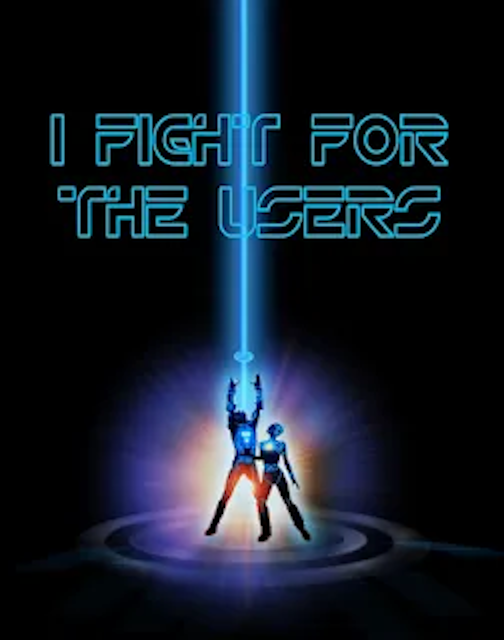
Atwood’s long-standing work with the Discourse project, an open-source forum software, reflects his commitment to "collective ownership of the content and the communities we build online." He acknowledges that this approach, while more robust and empowering, is "more work" and "not ‘free’" in the conventional sense. However, he argues that the investment is worthwhile because it is the "only survivable long term path forward." This philosophy aligns with a "Tron-like view" of the software industry, where the primary goal should be to "empower users (with strong moderation tools), not exploit them." The messy nature of democracy, he posits, mirrors the messiness of federated alternatives – it requires effort and commitment, but it is ultimately more resilient and equitable.
Philanthropy and a Symbolic Farewell
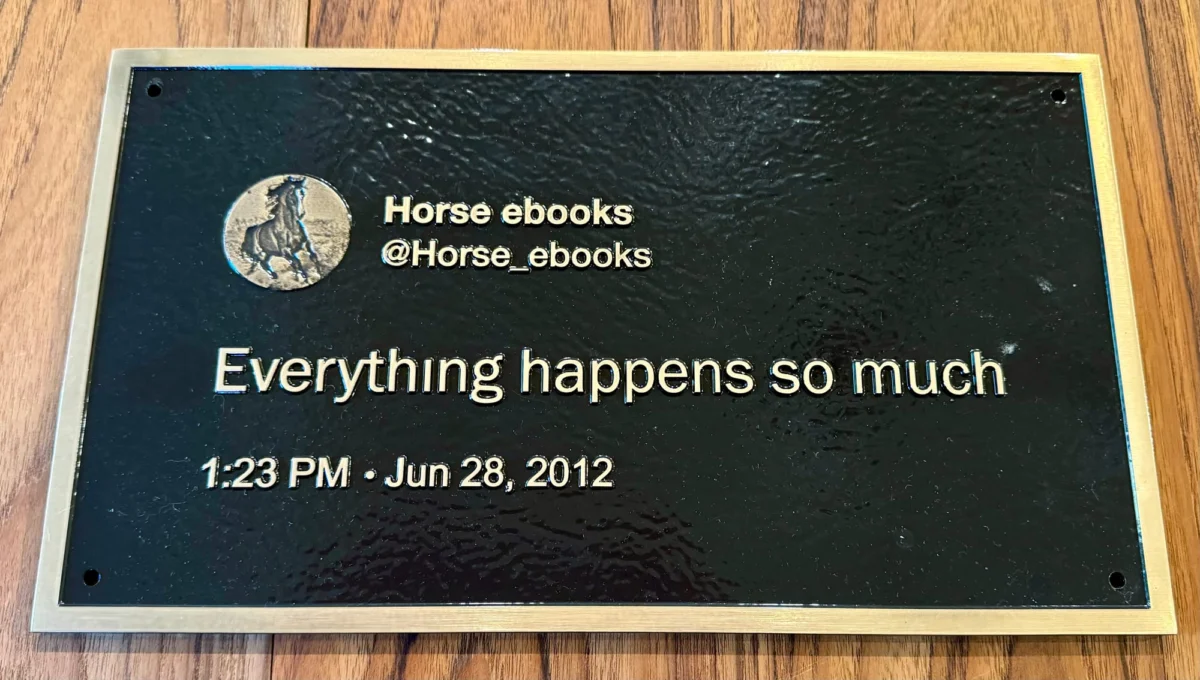
To further inspire this "leap of faith" towards decentralized alternatives, Jeff Atwood initiated a unique philanthropic endeavor. He announced an auction of 10 museum-quality brass plaques featuring what he considers "the best tweet of all time," a famously cryptic and humorous tweet from the @horse_ebooks account. All proceeds from these auctions are designated to benefit The Trevor Project, an organization providing crisis intervention and suicide prevention services to LGBTQ youth. This initiative serves a dual purpose: raising funds for a vital cause and making a symbolic gesture against the current state of Twitter/X, aiming to "piss Elon off," as Atwood candidly stated. The choice of @horse_ebooks, an account also now present on Mastodon, further reinforces the message of transition and the viability of alternative platforms. Atwood personally guarantees that each signed plaque "will easily outlive what’s left of Twitter," a bold prediction on the longevity of the platform under its current stewardship.
Broader Implications for the Digital Landscape
The dramatic shifts at Twitter/X and the subsequent push for decentralization carry profound implications for the future of social media and the broader digital landscape. The episode has starkly highlighted the vulnerabilities inherent in platforms where control is concentrated in the hands of a few, or even a single individual. It has brought to the forefront debates about platform governance, the balance between free speech and moderation, and the ethical responsibilities of tech magnates.
The Future of Social Media Governance
The Twitter/X situation serves as a critical case study in the challenges of social media governance. It underscores the difficulty of reconciling diverse interpretations of "free speech" with the need to prevent harassment, misinformation, and the spread of harmful content. The advertiser exodus demonstrates that economic pressures can significantly influence platform behavior, but also that brand safety is a paramount concern for corporations operating in the digital space. The rise of the fediverse and the advocacy for open-source solutions suggest a potential paradigm shift towards models that prioritize community self-governance, transparency, and user control. This distributed model, while presenting its own challenges in terms of scalability and consistent moderation across instances, offers a more resilient and democratic vision for online interaction.
A Turning Point for User Control and Data Ownership
Ultimately, the events surrounding Twitter/X and the subsequent calls for decentralized alternatives represent a potential turning point in how users perceive and interact with social media. It is a moment of reckoning for the "free" internet model, prompting a re-evaluation of the true costs associated with convenience and centralization. The emphasis on empowering users, providing robust moderation tools, and fostering collective ownership marks a significant departure from the prevailing corporate-controlled social media paradigm. As more users and developers embrace federated networks and open-source solutions, the digital landscape may evolve towards a more diverse, resilient, and user-centric future, where the power dynamics are rebalanced away from singular "kings" and towards the collective.
About the Author