The global mobile gaming landscape in the first half of 2026 has been defined by a significant recalibration of market power, characterized by the meteoric rise of new hypercasual giants, a resurgence in high-value venture capital investment, and the continued revenue dominance of established titans like Tencent. As the industry moves through the second quarter of the year, data from leading analytical firms including AppMagic, Sensor Tower, and Drake Star reveal a market that is both consolidating through strategic mergers and acquisitions and diversifying through the success of innovative puzzle and merge mechanics. From the unexpected dominance of the Chinese studio Learnings to the multi-billion dollar recovery of the investment sector, the mobile gaming ecosystem is demonstrating a robust capacity for growth despite shifting user acquisition costs and evolving platform privacy standards.
The Emergence of Learnings: A New Hypercasual and Puzzle Powerhouse
One of the most striking developments in the 2026 mobile market is the sudden and sustained rise of the Chinese development studio Learnings. According to recent data from AppMagic, the studio has successfully navigated the challenging hypercasual and puzzle landscape to generate over 40 million downloads in a single month across just three primary titles: Amaze Go, Meowdoku, and Vita Mahjong. This performance highlights a strategic pivot toward "hybrid-casual" models that blend simple mechanics with deeper retention hooks.

Vita Mahjong has emerged as the studio’s flagship title, amassing over 237 million lifetime downloads. This success is bolstered by Amaze Go, which has surpassed 68 million installs, and the rapid growth of Meowdoku, a title that has quickly reached the 10 million download milestone. Meowdoku, in particular, has become a market sensation; Sensor Tower reports it was the fastest-growing game globally by downloads in June 2026, securing 8.9 million new installs in that month alone. This figure placed it significantly ahead of high-profile competitors such as Pokémon Champions, which recorded 5.1 million downloads in the same period.
The studio’s ambitions extend beyond simple puzzle games. Learnings is currently making significant inroads into the lucrative merge category with its title Mystery Town. In the second quarter of 2026, Mystery Town’s in-app purchase (IAP) revenue began to rival that of Merge Mansion, a long-standing leader in the genre developed by Metacore. This shift suggests that the "merge" market, once thought to be dominated by a few entrenched players, is susceptible to disruption by studios capable of aggressive user acquisition and refined ad creative strategies.
Ad Creative Dominance and User Acquisition Strategy
The success of Learnings is inextricably linked to its dominance in the advertising space. SocialPeta’s ad creative charts for June 2026 show that the studio has mastered the art of digital visibility. On the iOS platform, Learnings held the top four positions for ad creative reach with Tile Explorer, Vita Mahjong, Amaze Go, and Meowdoku. The studio’s footprint was equally formidable on Android, claiming the top three spots with Zen Word, Tile Explorer, and Vita Mahjong.

Industry analysts suggest that this level of ad saturation is a primary driver of their download volume. By maintaining a high volume of diverse ad creatives—including Zen Word (ranked 6th on iOS) and Jigsawscapes (ranked 12th)—Learnings has managed to keep user acquisition costs manageable while scaling rapidly. This aggressive marketing posture is a hallmark of the 2026 mobile environment, where the ability to capture attention in a crowded marketplace is as critical as the core gameplay loop.
Tencent and the Revenue Giants of H1 2026
While new players are capturing the download charts, the revenue landscape remains dominated by established industry leaders, most notably Tencent. Sensor Tower estimates indicate that Tencent’s flagship MOBA, Honor of Kings, has reclaimed its position as the world’s top-grossing mobile game for the first half of 2026. The title saw an 18% year-on-year increase in revenue and a 32% surge in downloads, contributing significantly to Tencent’s total gross IAP revenue of approximately $5 billion for the half-year period.
The broader publisher rankings for 2026 also reflect a shift in momentum for other major players:

- Supercell: The Finnish developer experienced a polarized half-year. Brawl Stars saw a massive 59% revenue increase, driven by successful live-ops and new character introductions. However, this growth was offset by a 68% decline in revenue for Clash Royale, leading to what analysts describe as an "essentially flat" net result for the company.
- Century Games: Moving into the position of the second-biggest publisher by growth in 2026, Century Games saw its title Kingshot grow by 11%. More impressively, its merge title Tasty Travels: Merge Game saw a 145% increase in revenue and a 127% increase in downloads.
- Whiteout Survival: This title led the market in revenue growth for June, with an 11% month-on-month increase that added approximately $10.5 million to its monthly earnings.
- Microfun: The publisher broke into the top 10 rankings following a 34% revenue boost for Gossip Harbor and a staggering 118% increase for Flambe: Merge & Cook.
A Resurgence in Global Gaming Investment and M&A
The second quarter of 2026 marked a turning point for the financial health of the gaming industry. Following a period of conservative spending, investment in the sector hit a 12-month high, exceeding $2.5 billion across 96 private financing rounds. According to a report by Drake Star, this resurgence was primarily fueled by advancements in gaming AI, adtech, and hardware.
Key financial transactions during this period included:
- AppsFlyer: Secured a landmark $1 billion funding round involving partners like Google, Unity, Meta, and Moloco, signaling deep industry confidence in attribution and marketing analytics.
- General Intuition: Raised $320 million, highlighting the continued appetite for AI-integrated gaming experiences.
- M&A Activity: The quarter saw 51 announced mergers and acquisitions. Most notable was Supercell’s acquisition of Metacore, a move that consolidates Supercell’s influence in the merge-puzzle genre. Additionally, the acquisition of Playstack by IMC (a TPG investment vehicle) underscores the trend of private equity firms seeking value in mid-sized publishing houses.
The IPO of Liftoff Mobile and the funding of Palmer Luckey’s ModRetro also contributed to a sense of renewed vitality in the public and hardware markets. Drake Star characterized Q2 2026 as the second-highest quarter for disclosed financing value in the last three years, suggesting that the "venture winter" that previously chilled the industry has officially thawed.

Platform Diversification: Netflix and Jam City
As the mobile market matures, platform holders and long-term developers are finding success through niche targeting and brand longevity. Netflix, which has been steadily building its internal games division, reported a significant breakthrough with its "Netflix Playground" initiative. Launched in April 2026, the service aimed at preschool-aged children has seen its daily player count triple, resulting in a 600% year-on-year increase in engagement for that demographic.
While Netflix co-CEO Greg Peters noted that the games division is still "scratching the surface" of its potential, the data is promising. AppMagic estimates that Netflix Playground has reached 2.4 million downloads, with 25% of those coming from the United States. This suggests that Netflix is successfully leveraging its existing streaming IP to capture the attention of younger audiences who are increasingly moving away from traditional television toward interactive media.
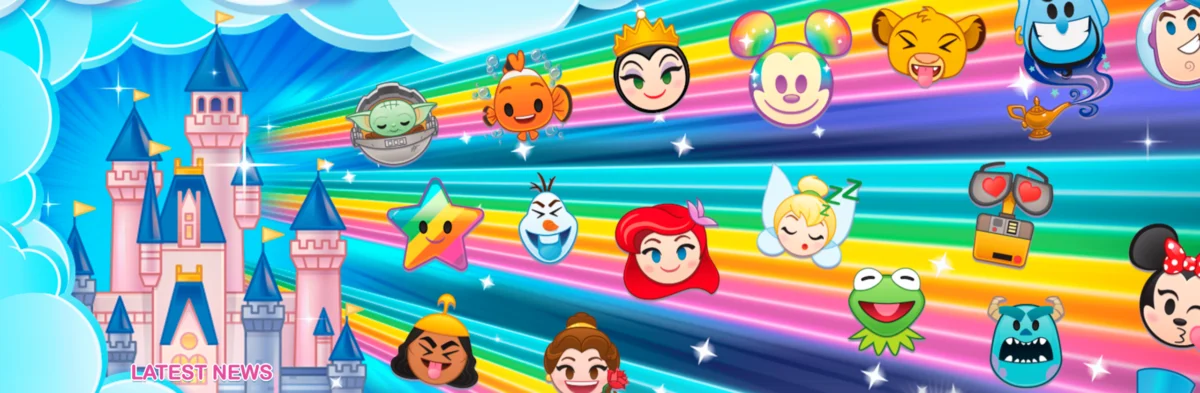
In terms of longevity, Jam City’s Disney Emoji Blitz celebrated its 10th anniversary in 2026. The game has surpassed 54 million lifetime downloads, a rare feat in the volatile mobile market. Jam City revealed that players have engaged in over 1 trillion rounds of play, with Tinker Bell remaining the most-played emoji in the game’s history. This milestone reinforces the value of strong IP and consistent live-operations in maintaining a profitable user base over a decade.

Broader Impact and Industry Implications
The data from the first half of 2026 points toward a mobile gaming industry that is becoming increasingly sophisticated in how it manages both users and capital. The dominance of a studio like Learnings proves that there is still room for rapid ascent in the market, provided a developer can master the intersection of hypercasual accessibility and aggressive digital marketing.
Furthermore, the stabilization of revenue for giants like Tencent and the explosive growth of "mid-core" casual titles like Whiteout Survival indicate that the "spending fatigue" once feared by analysts has been mitigated by better-targeted in-app offerings and seasonal events. The massive influx of capital into adtech and AI suggests that the next phase of growth will be driven by automation in user acquisition and more personalized gaming experiences.
As the industry moves into the latter half of 2026, the focus is expected to shift toward the integration of these new AI tools and the continued consolidation of the market through M&A. With investment at a three-year high and flagship titles showing double-digit growth, the mobile gaming sector appears positioned for a period of sustained economic expansion, even as it navigates the complexities of a highly competitive global stage.
About the Author