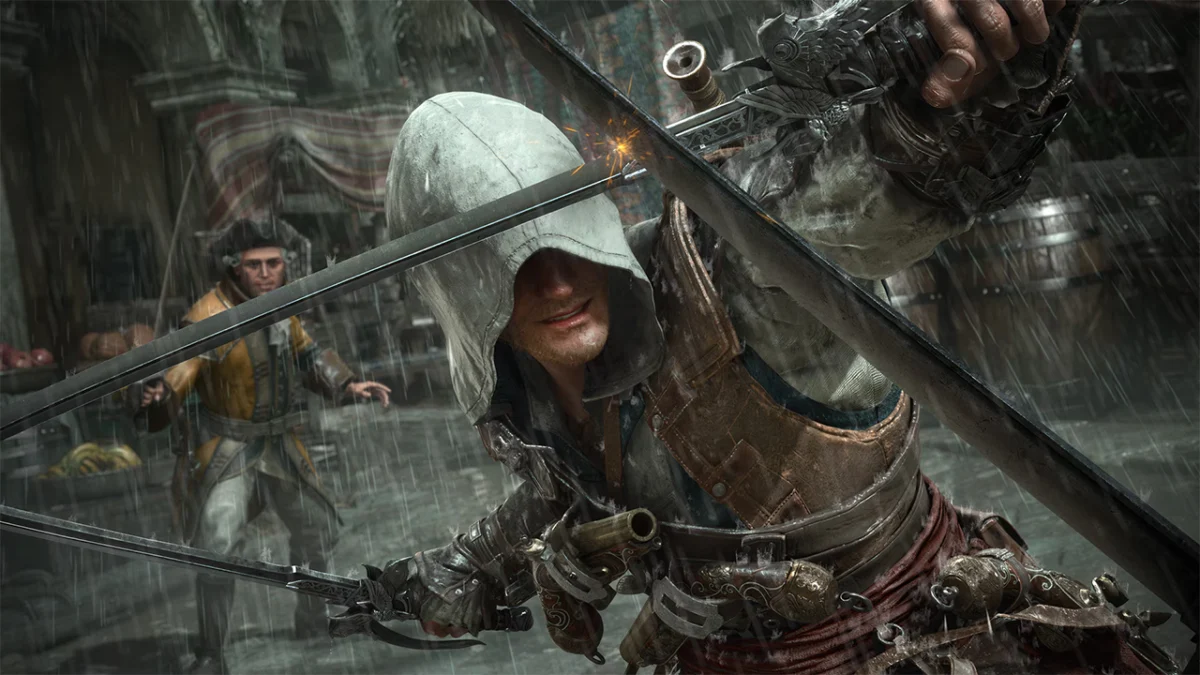
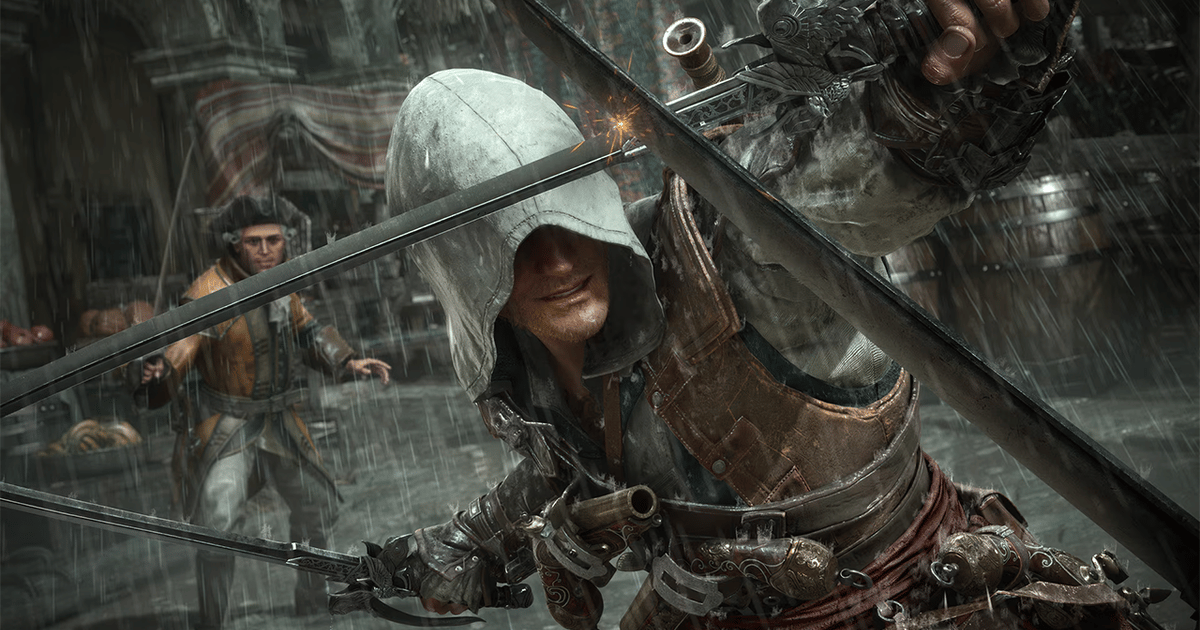
Ubisoft’s latest re-release, Assassin’s Creed Black Flag Resynced, has achieved a significant commercial milestone, selling an impressive 3.5 million copies globally within just two weeks of its launch. This rapid uptake has allowed the title to surpass the publisher’s internal annual sales expectations, providing a much-needed boost amidst a complex financial quarter. The robust performance of the piratical adventure, alongside the continued success of the mobile RPG Invincible: Guarding the Globe, offered bright spots in an otherwise challenging first quarter, where overall net bookings experienced a 9 percent year-on-year decline.
Ubisoft’s Q1 Fiscal Landscape: A Mixed Picture
The French video game giant disclosed these figures as part of its Q1 fiscal report for FY2027, covering the period from April 1st to June 30th, 2026. The report, issued on July 24, 2026, revealed net bookings totaling €256 million ($291 million), marking a 9 percent decrease compared to the same period in the previous fiscal year. Despite this downturn, Ubisoft stated that its net bookings slightly exceeded its internal guidance, primarily due to the "record performance" delivered by Invincible: Guarding the Globe, a mobile title that initially launched in 2024 and has since cemented its position as a key revenue driver.
The back-catalog, encompassing older titles, contributed €221 million to Q1 bookings, a 15 percent year-on-year reduction. This decline was largely attributed to the absence of bookings from Assassin’s Creed Shadows, which had significantly contributed to the prior-year quarter following its release on March 20, 2025. The comparison highlights the cyclical nature of game sales, where major new releases in one period can skew year-on-year comparisons, making the strong performance of Black Flag Resynced even more remarkable given it’s a re-release.
Yves Guillemot, CEO of Ubisoft, acknowledged the quarter’s mixed results but emphasized the positive contributions. "We delivered first-quarter net bookings slightly above guidance. This performance was led by a record contribution from Invincible: Guarding the Globe while the rest of our portfolio, including Rainbow Six Siege, performed in line with our expectations," Guillemot stated in the earnings report. His remarks underscored the strategic importance of both new and evergreen titles in maintaining financial stability.
The Resurgence of a Classic: Assassin’s Creed Black Flag Resynced
The exceptional sales performance of Assassin’s Creed Black Flag Resynced is a testament to the enduring appeal of the original 2013 title and the growing market for high-quality remasters and remakes. The original Assassin’s Creed IV: Black Flag was critically acclaimed for its expansive open world, compelling pirate theme, and engaging naval combat, elements that set it apart within the long-running franchise. Its protagonist, Edward Kenway, quickly became a fan favorite.
The "Resynced" version, while details of its enhancements were not fully elaborated in the initial report, is presumed to have leveraged modern hardware capabilities to deliver improved graphics, smoother gameplay, and potentially new quality-of-life features. Industry observers suggest that such a re-release benefits from a confluence of factors: nostalgia from original players, the opportunity for a new generation of gamers to experience a classic with contemporary polish, and the proven brand power of the Assassin’s Creed franchise. For Ubisoft, this success validates a strategy of revisiting beloved entries, potentially signaling future re-releases or remakes of other popular titles from its extensive back catalog. The 3.5 million unit sale in two weeks significantly outpaced what would typically be considered a successful launch for a remaster, which often aims for 1-2 million units within its first quarter. This performance indicates a high level of anticipation and market demand, placing it among the fastest-selling remasters in recent memory.
Mobile’s Unsung Hero: Invincible: Guarding the Globe
While much attention understandably falls on AAA console and PC releases, Ubisoft’s Q1 report clearly illustrates the increasingly vital role of mobile gaming in its financial strategy. Invincible: Guarding the Globe, a mobile RPG based on the popular comic book and animated series, launched in 2024 and has since become a consistent and substantial revenue generator. Its "record performance" in Q1 FY2027 highlights the significant potential of adapting well-known intellectual properties into engaging mobile experiences.
The mobile gaming market continues its upward trajectory, often demonstrating more stable and predictable revenue streams through in-app purchases and live-service models compared to the more volatile sales cycles of premium console titles. For Ubisoft, Invincible: Guarding the Globe represents a successful diversification of its portfolio, reaching a broader audience and providing a steady cash flow that helps offset fluctuations in other segments. This success underscores a broader industry trend where major publishers are investing heavily in mobile divisions, leveraging existing IPs to tap into a lucrative and ever-expanding player base. The sustained performance of Invincible nearly two years post-launch is a testament to its effective live-service model, continuous content updates, and strong community engagement.
Strategic Transformation and Organizational Restructuring
Beyond the immediate financial figures, Ubisoft’s Q1 report offered insights into the company’s ongoing "transformation" and significant organizational restructuring efforts. Guillemot detailed these changes, stating, "We also continued to execute our transformation. This included further targeted rightsizing actions and the ongoing re-concentration of resources towards our highest-potential opportunities. At the same time, the leadership of our new operating model and organization continues to take shape, including the appointment of Christoph Hartmann to lead Creative House 2 in building a world-class portfolio of battlefield-driven experiences."
This "rightsizing" initiative, which Ubisoft publicly announced previously, has been a central theme in the company’s recent corporate strategy. It has involved a series of difficult decisions, including the closure of multiple development studios, notably those in Winnipeg, Canada, and Belgrade, Serbia. Furthermore, proposed layoffs have been announced within Ubisoft’s global publishing division and its studio in Barcelona, Spain. These actions, while painful for affected employees, are part of a broader mandate to streamline operations, reduce overheads, and reallocate resources to focus on core franchises and strategic growth areas. The appointment of Christoph Hartmann, an industry veteran, to oversee "Creative House 2" specifically for "battlefield-driven experiences," signals a clear strategic direction towards consolidating expertise and fostering specialized development units. This move is designed to ensure that future titles in genres like Ghost Recon or potentially new tactical shooters receive focused attention and consistent vision.
The transformation aims to make Ubisoft a more agile and "gamer-centric" company, as previously stated by its leadership. This involves dismantling aspects of its traditional studio ecosystem in favor of a more centralized, franchise-focused approach. The long-term implications of such a significant overhaul are yet to be fully realized, but they are intended to foster greater efficiency and higher quality output for its flagship titles.
Looking Ahead: A Diversified and Strengthened Pipeline
Ubisoft’s outlook for the coming fiscal years (FY2027-28 and FY2028-29) projects a "significantly stronger and diversified pipeline of content." This forward-looking statement signals a commitment to leveraging its most valuable intellectual properties. The company anticipates the release of new entries in major franchises, including Assassin’s Creed, Far Cry, and Ghost Recon. These tentpole releases are crucial for Ubisoft’s long-term revenue growth and market positioning.
The Assassin’s Creed franchise, following the success of Black Flag Resynced and with Shadows having launched in the previous fiscal year, continues to be a cornerstone of Ubisoft’s strategy. New installments are expected to maintain the series’ momentum, exploring diverse historical settings and gameplay mechanics. Similarly, Far Cry and Ghost Recon, both established brands with dedicated fan bases, are poised to deliver new experiences that will contribute significantly to future bookings.
In addition to new premium titles, Ubisoft is also forecasting increased returns from its live-service efforts, primarily driven by the ongoing success and continued support for Rainbow Six Siege. Launched in 2015, Siege has evolved into a formidable esports title and a consistent revenue generator through its seasonal content, battle passes, and cosmetic items. Ubisoft’s commitment to investing in and expanding its live-service portfolio reflects an industry-wide recognition of their potential for sustained engagement and long-term profitability. This diversified approach, combining high-impact new releases with robust live-service offerings and popular remasters, is central to Ubisoft’s strategy for navigating the competitive and ever-evolving video game market.
Industry Implications and Analyst Outlook
The Q1 FY2027 report from Ubisoft presents a nuanced picture for industry analysts. On one hand, the overall decline in net bookings and back-catalog performance indicates ongoing challenges and the impact of the restructuring. The absence of a major new release on the scale of Assassin’s Creed Shadows from the prior year naturally affected comparisons. On the other hand, the stellar performance of Assassin’s Creed Black Flag Resynced and the consistent, record-breaking contribution from Invincible: Guarding the Globe demonstrate Ubisoft’s ability to capitalize on its existing IP and diversify its revenue streams effectively.
Analysts will likely view the strong remaster sales as a positive indicator of brand loyalty and the potential for further monetization of legacy titles. The continued strength of mobile gaming and live-service titles like Invincible and Rainbow Six Siege provides a stable base amidst the company’s broader transformation. The success in these areas suggests that while Ubisoft undergoes significant internal changes, its core strengths in IP management and diversified content delivery remain robust. The market will be closely watching the execution of the promised "significantly stronger and diversified pipeline" over the next two fiscal years, as this will be critical in demonstrating the long-term benefits of the current "rightsizing" and strategic realignment efforts. The strategic appointments, like that of Christoph Hartmann, will be scrutinized for their impact on the creative direction and delivery of these upcoming tentpole franchises, which are essential for Ubisoft to regain its growth momentum in the highly competitive global gaming landscape.
About the Author