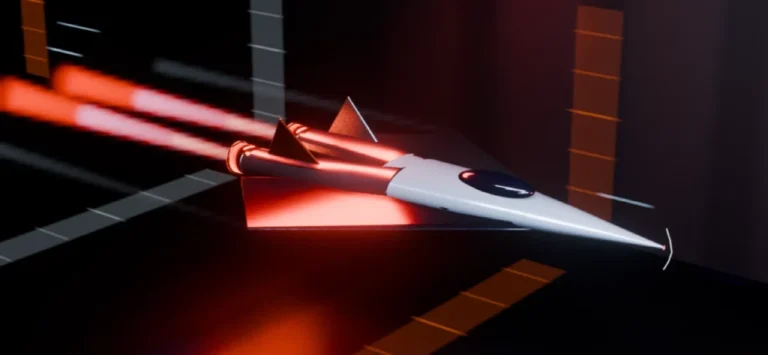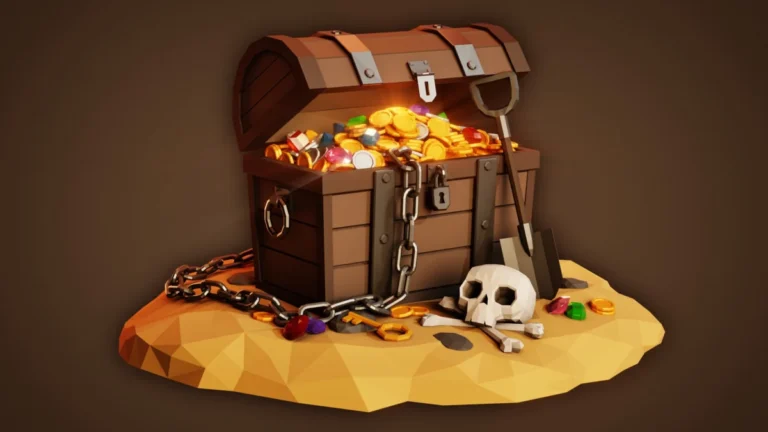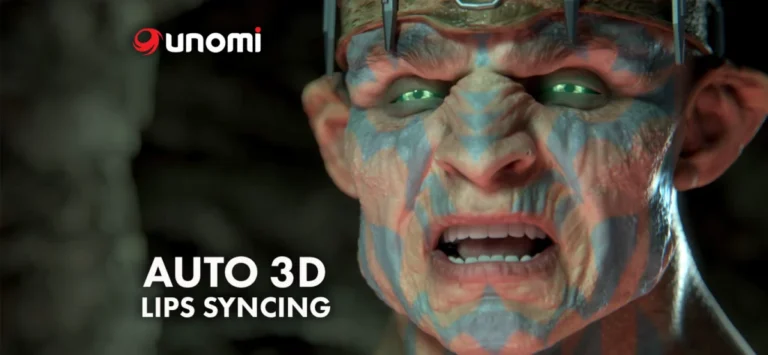
Every week, the Blender Artists forum serves as a vibrant nexus for a burgeoning community of 3D artists, a digital crucible where imagination takes tangible form through the versatile open-source software, Blender. This platform, a cornerstone of the Blender ecosystem, consistently hosts an influx of hundreds of artistic submissions, ranging from hyper-realistic architectural visualizations and intricately designed character models to imaginative animated shorts and abstract digital sculptures. BlenderNation, a leading online publication dedicated to the Blender 3D software, has taken on the crucial role of curating and highlighting the most exceptional pieces from this prolific output. Through its weekly "Blender Artists Spotlight" feature, the publication aims to elevate deserving artists, provide them with broader exposure, and inspire both novice and seasoned creators within the global 3D art community.
The initiative, spearheaded by Bart van den Broek, the founder and editor of BlenderNation, reflects a long-standing commitment to fostering and celebrating digital artistry. Van den Broek’s deep roots in the Blender community, which he co-founded and has actively nurtured since its early days, lend significant credibility and passion to this endeavor. His history includes authoring some of the earliest Blender tutorials, contributing to the software’s development during its tenure under Not a Number, and playing a pivotal role in the historic crowdfunding campaign that ultimately led to Blender’s open-sourcing – a landmark event in the history of free and open-source software. Since launching BlenderNation in 2006, van den Broek has maintained a consistent daily output of news and features, solidifying its position as an indispensable resource for Blender users worldwide.
The Genesis and Evolution of the Blender Artists Forum
The Blender Artists forum, a key component of the Blender Foundation’s outreach, has evolved from a nascent online discussion board into a sprawling digital gallery and collaborative workspace. Established to facilitate communication and knowledge sharing among Blender users, it has grown in tandem with the software’s capabilities and the expanding global user base. Initially, the forum served as a vital channel for bug reporting, feature requests, and the sharing of early user-generated content. As Blender matured and gained traction in professional and educational sectors, the forum’s role expanded significantly. It became a primary venue for artists to showcase their portfolios, receive constructive criticism, engage in peer-to-peer learning, and even forge professional connections.
The sheer volume of daily uploads to the forum underscores the dynamic nature of the 3D art scene. While an exact real-time count is not publicly available, anecdotal evidence and the consistent flow of new posts suggest that hundreds of distinct artworks are shared weekly. These submissions represent a diverse spectrum of artistic endeavors, including:
- Character Design and Modeling: Intricate human and creature models, often with detailed texturing and rigging for animation.
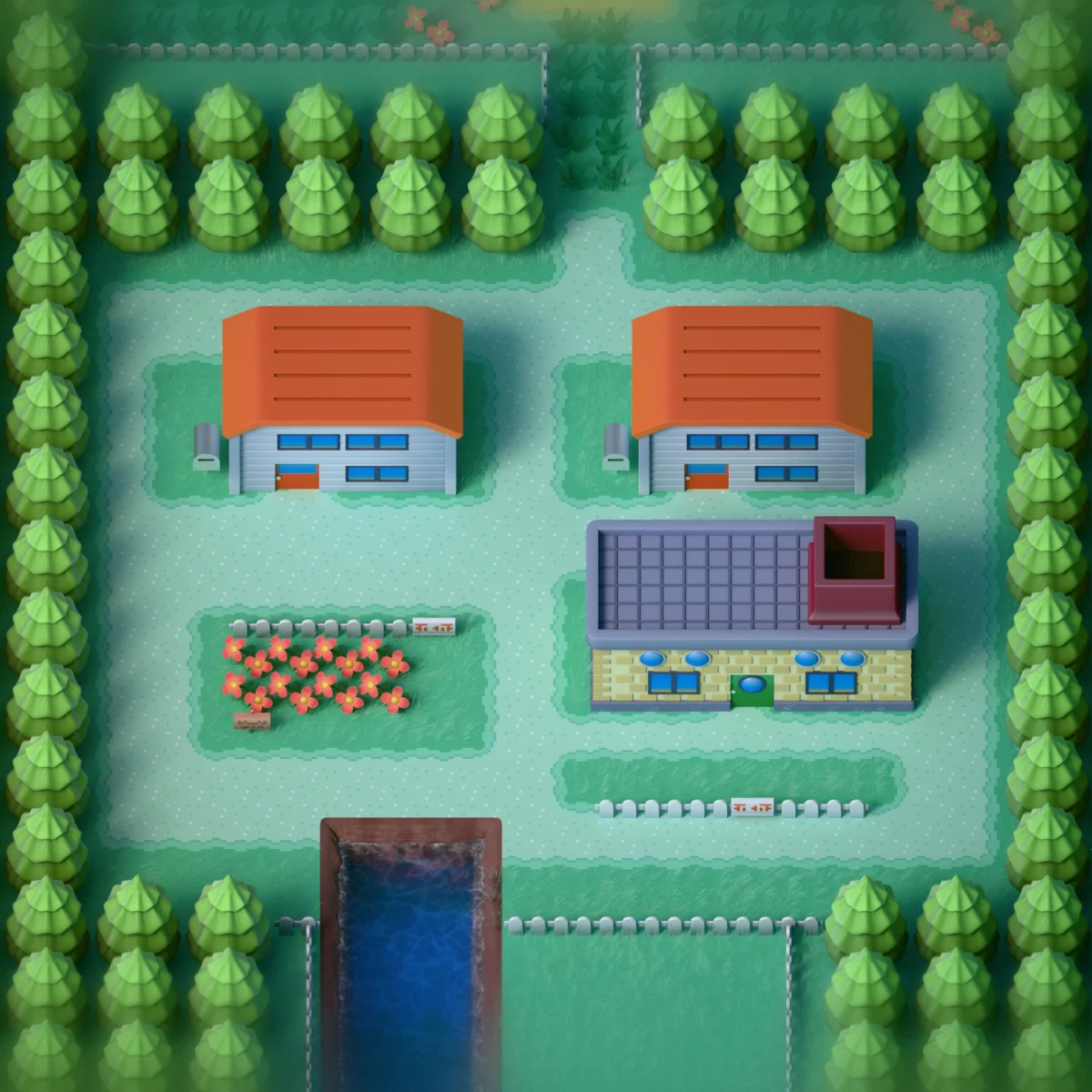
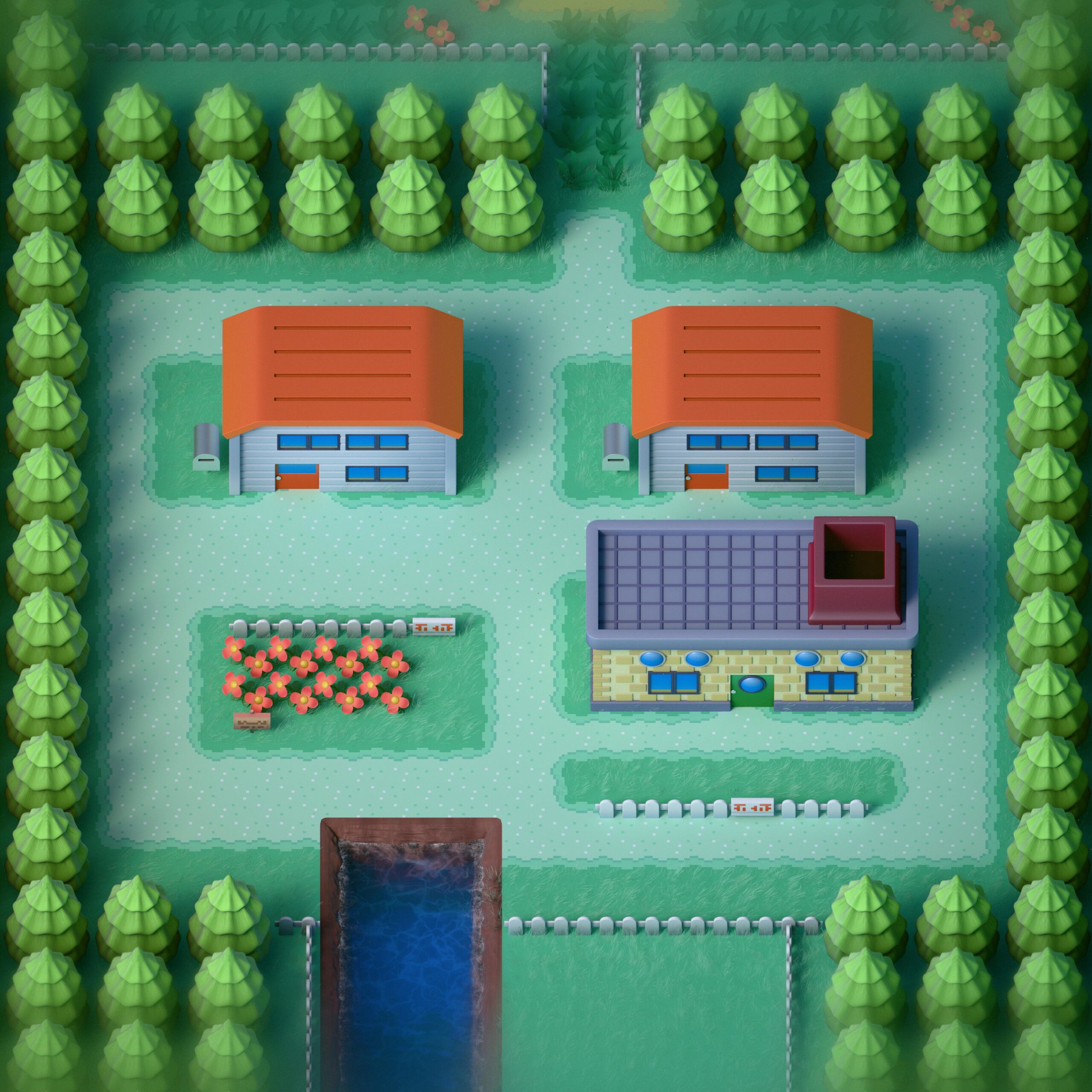
- Environment Art: Photorealistic or stylized landscapes, urban scenes, and interior designs, demonstrating mastery of lighting, texturing, and composition.
- Product Visualization: Highly realistic renders of products, from furniture and electronics to vehicles, used for marketing and design prototyping.
- Architectural Visualization: Detailed renderings of buildings and interior spaces, often indistinguishable from actual photographs.
- Abstract and Conceptual Art: Experimental pieces that push the boundaries of 3D art, exploring form, color, and light in unique ways.
- Short Films and Animations: Narrative or experimental animated sequences, showcasing storytelling and motion graphics skills.
The quality of these submissions has seen a remarkable upward trajectory over the years, fueled by advancements in Blender’s rendering capabilities (such as Cycles and Eevee), the availability of online learning resources, and the increasing accessibility of powerful hardware. This continuous improvement in artistic output necessitates a dedicated platform like BlenderNation to sift through the wealth of talent and bring deserving artists to the forefront.
The BlenderNation Spotlight: A Curatorial Approach
The "Blender Artists Spotlight" is not merely a passive aggregation of popular works; it represents a deliberate curatorial effort. Bart van den Broek, drawing on his extensive experience and deep understanding of the Blender community, selects pieces that exhibit not only technical proficiency but also artistic merit, originality, and compelling narrative or aesthetic qualities. The selection process likely involves evaluating several key aspects of each artwork:
- Technical Skill: The artist’s command over Blender’s tools, including modeling, texturing, lighting, rendering, and compositing. This includes attention to detail, precision in execution, and efficient use of software features.
- Artistic Vision: The originality of the concept, the strength of the composition, the effective use of color theory, and the overall aesthetic appeal. Does the artwork evoke an emotion or tell a story?
- Innovation and Experimentation: The artist’s willingness to explore new techniques, push creative boundaries, or offer a fresh perspective on familiar subjects.
- Impact and Memorability: Does the artwork leave a lasting impression? Does it stand out from the crowd due to its unique style or compelling subject matter?
By consistently spotlighting these exemplary works, BlenderNation serves multiple crucial functions within the Blender ecosystem. It provides invaluable positive reinforcement and recognition for artists, potentially opening doors to freelance opportunities, commissions, or even full-time employment in the 3D industry. For aspiring artists, these spotlights act as tangible proof of what can be achieved with Blender, offering inspiration and setting aspirational benchmarks for their own learning journeys.
Data and Trends in the 3D Art Landscape
While precise data on the economic impact of art shared on forums like Blender Artists is difficult to quantify, industry reports provide a broader context for the growing significance of 3D art. The global 3D rendering software market, for instance, is projected to grow significantly in the coming years. Reports from market research firms like Grand View Research and Mordor Intelligence indicate a compound annual growth rate (CAGR) in the high single digits, driven by demand from sectors such as gaming, film and television, architecture, automotive, and product design.
Blender’s increasing market share, often cited as a major contributor to this growth, is directly linked to the vibrancy of its online community and the continuous output of high-quality work showcased through platforms like BlenderNation. The open-source nature of Blender democratizes access to professional-grade 3D tools, allowing a wider pool of individuals to enter and contribute to the field. This influx of talent fuels innovation and diversity within the 3D art landscape.
Furthermore, the rise of digital art marketplaces and the increasing demand for visually rich content across all media platforms—from social media and streaming services to virtual and augmented reality experiences—further underscore the relevance and value of the skills honed by artists using Blender. The works highlighted on BlenderNation are not just digital creations; they represent a growing segment of the digital economy.
The Role of BlenderNation and its Founder
Bart van den Broek’s personal journey with Blender is deeply intertwined with the software’s own evolution. His early involvement in creating tutorials laid the groundwork for accessible learning, a crucial element in building a large and engaged user base. His participation in the open-sourcing campaign was a pivotal moment, transforming Blender from a niche tool into a globally accessible powerhouse. Founding BlenderNation was a natural extension of this commitment, providing a dedicated media outlet to cover the software’s development, industry news, and, most importantly, the creative output of its users.
The weekly spotlight feature, therefore, is more than just a content segment; it’s a continuation of a lifelong dedication to the Blender community. It leverages van den Broek’s expertise to identify and promote talent, effectively acting as a talent scout and a tastemaker within the digital art sphere. The platform’s consistent daily output ensures that BlenderNation remains at the forefront of Blender-related news, making it a trusted source for artists, developers, and industry professionals alike.
Broader Implications and Future Outlook
The consistent showcasing of exceptional 3D art from the Blender Artists forum has several far-reaching implications for the digital creative industry:
- Democratization of Artistry: By highlighting work created with an accessible, free tool, BlenderNation reinforces the idea that professional-grade art creation is not limited to those with expensive software licenses. This empowers individuals from diverse economic backgrounds to pursue careers in 3D art.
- Talent Pipeline Development: The spotlights serve as a de facto portfolio for emerging artists, offering them visibility that can lead to professional opportunities. This creates a valuable talent pipeline for studios and companies seeking skilled 3D artists.
- Community Growth and Engagement: Regular features that celebrate user achievements foster a sense of community and encourage ongoing participation. Artists are motivated to share their work when they know it might be recognized and appreciated by a wider audience.
- Advancement of 3D Art Standards: By consistently presenting high-quality examples, BlenderNation helps to elevate the perceived value and technical standards of 3D art. This can influence client expectations and drive further innovation within the field.
- Promotion of Open-Source Software: The success of Blender and the vibrant community around it, amplified by publications like BlenderNation, serves as a powerful testament to the viability and potential of open-source software in professional creative industries.
Looking ahead, the Blender Artists forum is likely to continue its trajectory of growth, with an ever-increasing volume and quality of submissions. As 3D technology integrates further into emerging fields like the metaverse, AI-driven content creation, and advanced visualization, the role of platforms like BlenderNation in nurturing and showcasing talent will become even more critical. The weekly spotlights will remain a vital beacon, illuminating the path for countless artists and underscoring the profound creative potential unlocked by accessible, powerful tools and a dedicated global community. The ongoing commitment of BlenderNation and its founder to this mission ensures that the vibrant tapestry of digital art created with Blender will continue to be celebrated and inspire for years to come.
About the Author