The digital storefront itch.io has recently highlighted a diverse collection of newly released and updated browser-based games, providing a convenient entry point for players seeking immediate entertainment without the commitment of a download. This curated selection, spanning genres from evocative visual novels to dynamic puzzle platformers, underscores the vibrant activity within the independent game development community and the platform’s role in making accessible gaming experiences readily available. The initiative serves as a testament to the ongoing creativity fostered by game jams and the enduring appeal of instant-play titles, which cater to a broad audience looking for quick, engaging diversions.
The Enduring Appeal of Browser-Based Gaming
Browser-based games occupy a unique niche in the digital entertainment landscape, offering unparalleled accessibility. Unlike their downloadable counterparts, these titles can be launched with a single click, eliminating installation times, storage concerns, and compatibility issues. This ease of access makes them ideal for casual players, those with limited hardware resources, or individuals simply seeking a low-friction gaming experience during a break or a relaxed weekend. Itch.io, a prominent platform for independent game developers, has long championed this format, providing creators with tools to publish and players with a vast library of free and paid browser-compatible titles. The platform’s commitment to supporting diverse development efforts often sees a surge of new browser games following major game jams, where developers are challenged to create complete experiences within tight deadlines, frequently targeting the web as an accessible distribution channel. This latest collection is a direct outcome of such creative bursts, featuring games born from recent events like Ludum Dare 56, GBJAM 12, and the Made With Defold Jam 2024.
Featured Titles: A Glimpse into Indie Creativity
The eight highlighted games exemplify the breadth of imagination and technical skill present in the indie scene. Each title, while designed for quick engagement, often carries deeper thematic elements or introduces novel gameplay mechanics, demonstrating that brevity does not preclude depth or innovation.
Dead Names: A Poignant Sci-Fi Visual Novel
"Dead Names," developed by Flower Studio, is a short science fiction visual novel that delves into themes of letting go. Set against the backdrop of a solitary winter day in a speculative future, the game utilizes a distinctive pixel art style reminiscent of classic Game Boy aesthetics. This choice of visual fidelity not only evokes a sense of nostalgia but also effectively contributes to the game’s atmospheric quality, allowing players to immerse themselves in its narrative without graphical distractions. A notable aspect of "Dead Names" is its inclusion of LGBTQIA themes, providing a platform for diverse storytelling within the indie space. The game’s delivery as a Game Boy ROM further solidifies its retro appeal, offering a unique blend of modern narrative with vintage presentation. Visual novels, as a genre, prioritize storytelling and character development, often exploring complex emotional landscapes. "Dead Names" leverages this strength to deliver a compact yet impactful emotional journey, resonating with players who appreciate narrative depth in their gaming experiences. The deliberate pacing and focus on character interiority typical of visual novels allow for a reflective experience, aligning perfectly with the game’s central theme of acceptance and moving forward.
Tiny Truck Racing: Fast-Paced Pixelated Action

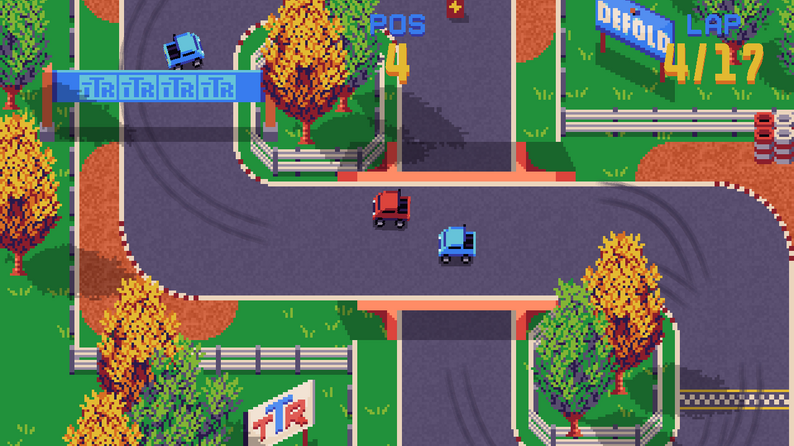
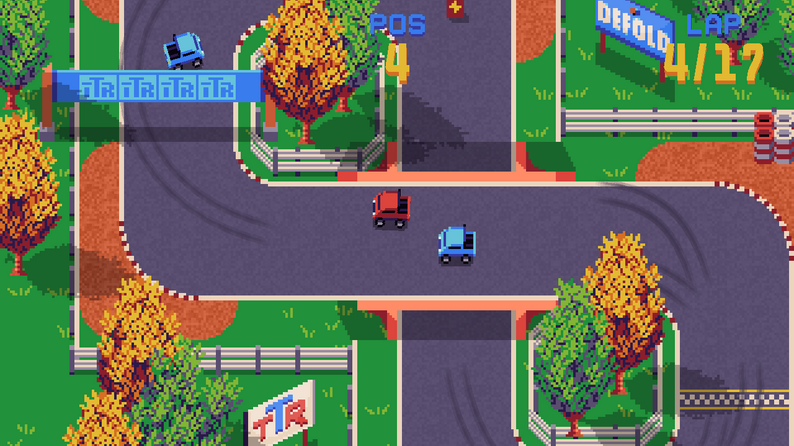
For players seeking adrenaline and competitive spirit, "Tiny Truck Racing" by Benjames171 offers a fast-paced racing experience. The game features charming pixel art tracks where players control diminutive trucks, vying for victory across various modes. These include a standard Single Race for quick contests, a Tournament mode for extended challenges, and a Time Trial for enthusiasts looking to perfect their lap times. With a selection of four distinct trucks and strategically placed nitro cans that provide temporary speed boosts, the game promises engaging action and replayability. "Tiny Truck Racing" was developed specifically for the Made With Defold Jam 2024, showcasing the capabilities of the Defold engine in creating polished, performance-efficient browser games. Game jams like this encourage developers to experiment with core mechanics and deliver complete, albeit concise, gaming experiences. The success of "Tiny Truck Racing" in translating classic arcade racing sensibilities into a modern browser format speaks to the versatility of contemporary web development tools and the enduring appeal of simple, well-executed racing mechanics. The multiple game modes extend the game’s lifespan beyond its initial jam scope, inviting players to repeatedly test their skills and strategies.
Nomad Idle: An Evolving Auto-Battler Experience
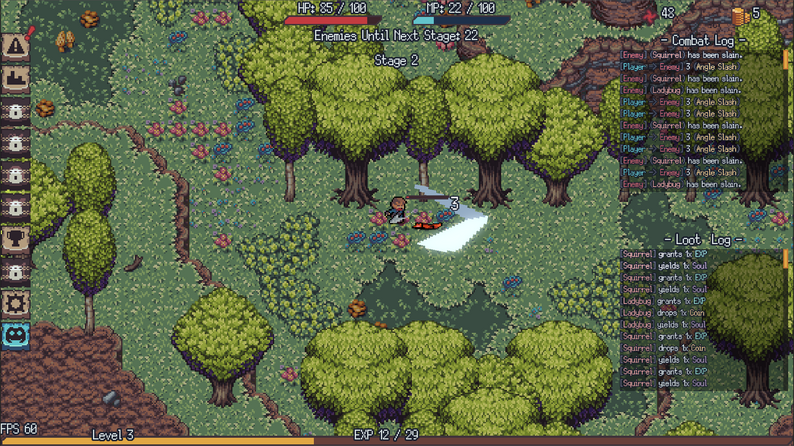
"Nomad Idle," created by TheFoxKnocks, represents the ever-popular idle game genre, infused with auto-battler mechanics. This title, recently updated to version 0.5, allows players to craft intricate character builds designed to automatically combat hordes of enemies. The core gameplay loop involves strategic decision-making regarding character progression: players unlock and level up various stats, craft superior equipment, and select passive skills that enhance their character’s combat efficacy. While much of the action unfolds autonomously, allowing for a relaxed, background-oriented playstyle, "Nomad Idle" also incorporates active character-specific skills. These skills can be manually activated to accelerate progress, providing a layer of player agency within the largely automated system. Idle games have gained significant traction due to their ability to provide a sense of progression and reward with minimal active input, making them ideal for multitasking or casual play. "Nomad Idle" skillfully balances this passive progression with intermittent opportunities for player intervention, offering a satisfying blend of strategic planning and immediate gratification. The continuous updates, as indicated by the 0.5 version, suggest an ongoing commitment from the developer to refine and expand the game’s features, a common trajectory for successful idle titles that thrive on long-term engagement.
Laura’s Room: A Tense Psychological Horror Short
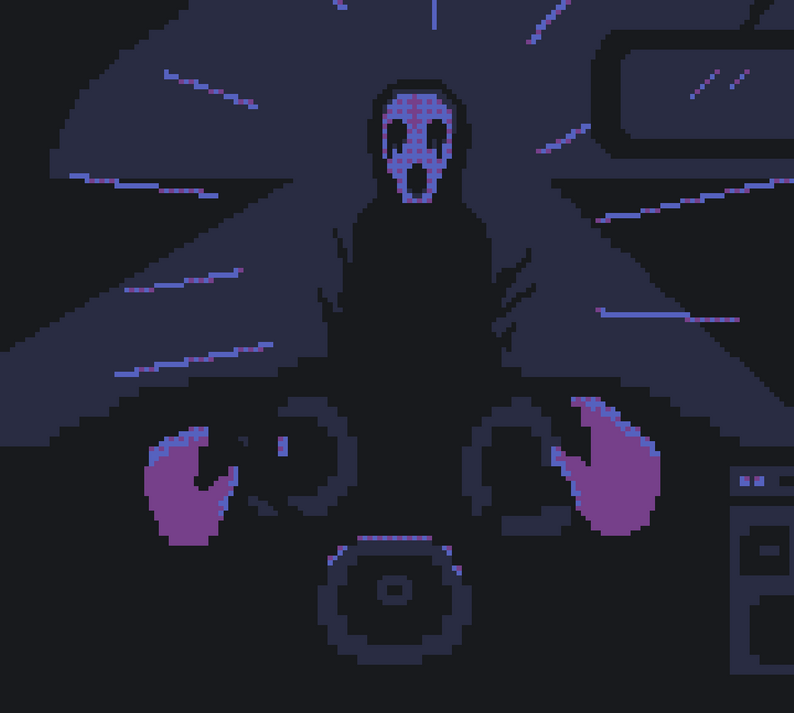
From Morgis, "Laura’s Room" delivers a concise yet impactful psychological horror experience. Developed for GBJAM 12, the game plunges players into the shoes of Danni, who finds herself driving alone on a rain-slicked road in the dead of night, desperately fleeing an unseen threat. The game masterfully employs a Game Boy-inspired aesthetic, utilizing its limited color palette and pixelated graphics to amplify the sense of dread and isolation. This retro visual style, often associated with simpler times, paradoxically enhances the unsettling atmosphere of the horror narrative, proving that high-fidelity graphics are not a prerequisite for effective psychological tension. The atmospheric gameplay focuses on building suspense through environmental storytelling and subtle cues rather than overt jump scares, a hallmark of effective psychological horror. "Laura’s Room" demonstrates how constraints, such as those imposed by game jams, can foster creative solutions that enhance the overall experience. The brevity of the game ensures that the tension remains high throughout, delivering a potent dose of fear without overstaying its welcome.
Hamster Shelter: Post-Apocalyptic Resource Management
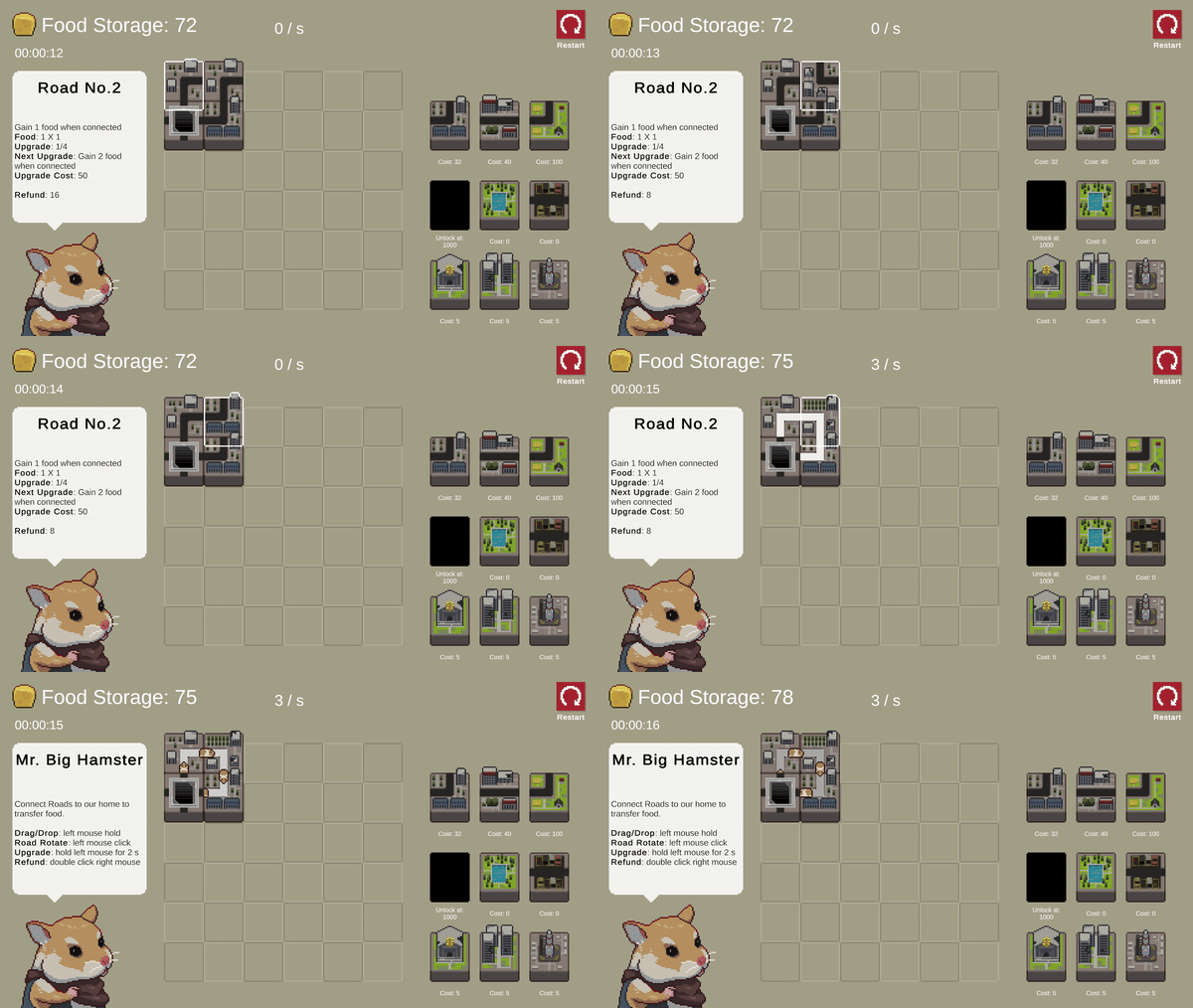
"Hamster Shelter" by Doonutsaur offers a unique blend of post-apocalyptic survival and relaxed resource management. In this game, players are tasked with guiding tiny hamsters through a desolate world, ensuring their survival by building roads to their homes and diligently transporting food supplies. A distinctive feature of "Hamster Shelter" is its ability to operate in the background, allowing players to engage with other tasks while their hamster colony continues its operations. This design choice aligns with the "relaxing" gameplay tag, offering a low-stress experience where progress is made steadily over time. The game was a submission for Ludum Dare 56, a prominent game jam known for challenging developers to create games within a very short timeframe around a specific theme. The post-apocalyptic setting, often associated with gritty survival, is given a charming twist through the perspective of tiny, industrious hamsters. This juxtaposition creates an engaging and surprisingly comforting take on a usually bleak genre, appealing to players who enjoy management simulations with a gentle pace.
Mouse Mouse: An Innovative Mouse-Controlled Platformer
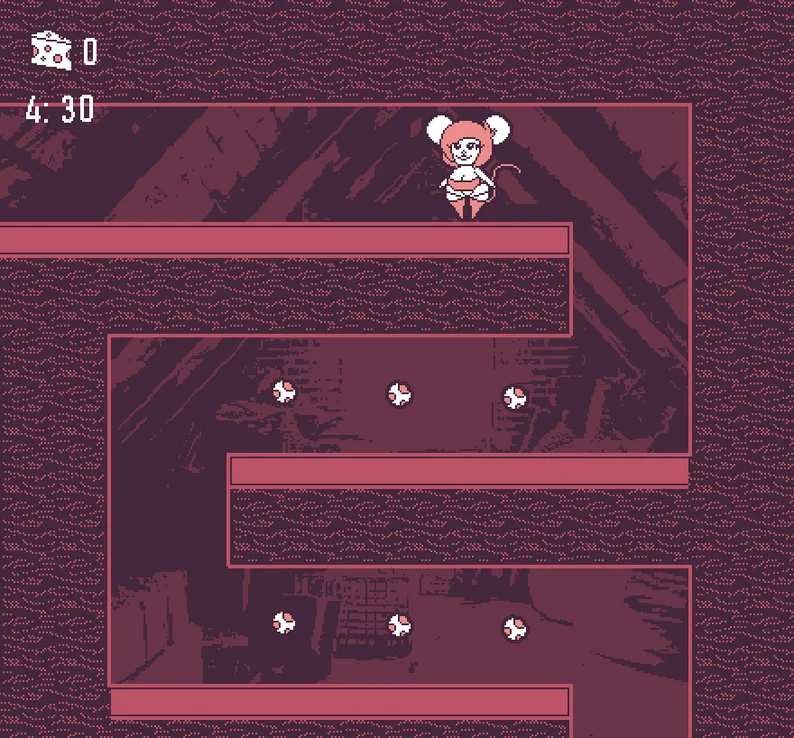
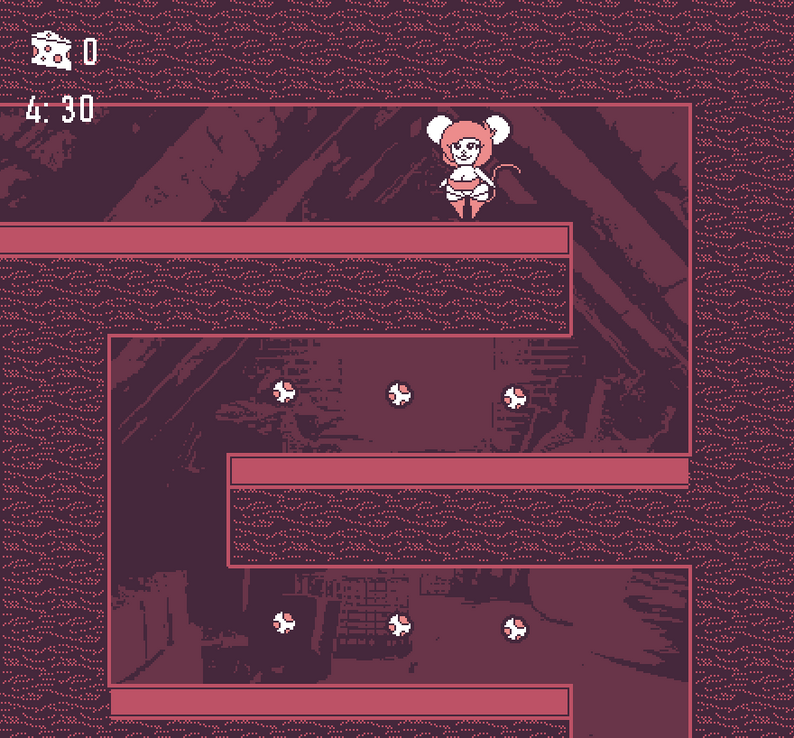
"Mouse Mouse" by APLoveStudio introduces a clever twist on traditional platforming mechanics. This short pixel art platformer challenges players to control a literal mouse character using their computer mouse. The objective is to jump, climb, and collect cheese as quickly as possible. The innovative control scheme provides a fresh challenge, requiring players to adapt their muscle memory and coordination to navigate the environment. Created within a demanding 48-hour window for Ludum Dare 56, "Mouse Mouse" exemplifies the ingenuity that can arise from strict time constraints. The game’s minimalist pixel art style is both functional and aesthetically pleasing, focusing player attention on the precise movements required for success. The concept of using the mouse to control a character in a platformer, a genre typically dominated by keyboard or gamepad input, positions "Mouse Mouse" as an intriguing experiment in user interface design and player interaction. Its fast-paced nature and clear objectives make it an ideal candidate for speedrunning enthusiasts or players looking for a quick, skill-based challenge. One developer, APLoveStudio, publicly expressed gratitude for the game’s feature, stating, "thank you for featuring mouse mouse!!!" highlighting the positive impact of such showcases on indie creators.
Play With Me: A Spooky Twist on Virtual Pets
From Aslan Games, "Play With Me" offers a spooky reinterpretation of the virtual pet genre. Players are invited to interact with three enigmatic creatures residing within a forgotten toy. Each creature presents its own unique set of minigames, creating a varied and engaging experience. Developed for Ludum Dare 56, the game expertly blends a creepy atmosphere with its retro-inspired visuals. The nostalgic aesthetic, often associated with childhood toys and simpler games, is cleverly subverted to create an unsettling ambiance. This juxtaposition of innocence and dread is a powerful tool in horror, making the "spooky" element particularly effective. Virtual pet games typically focus on nurturing and companionship, but "Play With Me" introduces an element of the unknown and perhaps even menace, challenging player expectations. The inclusion of multiple minigames ensures that interactions with the creatures remain fresh and intriguing, encouraging players to delve deeper into the mystery of the forgotten toy and its inhabitants.
Jelly Gang: A Physics-Based Puzzle Platformer
"Jelly Gang" by Split82 rounds out the selection with a unique physics-based puzzle platformer. In this game, players take control of a collective of 30 squishy characters. The distinctive mechanic lies in how these characters are controlled: only those within a designated "focus region" around the player’s mouse cursor respond to commands. This introduces a significant strategic layer, requiring players to carefully manage their jelly-like entourage, guiding specific groups while others remain static or react to environmental physics. Also a Ludum Dare 56 entry, "Jelly Gang" offers a fresh take on the platformer genre by blending precise platforming with mass management and environmental puzzles. The physics engine plays a crucial role, dictating how the squishy characters interact with each other and their surroundings, leading to emergent gameplay situations. This innovative control scheme and the emphasis on strategic grouping set "Jelly Gang" apart, providing a compelling challenge for players who enjoy experimental gameplay and physics-driven puzzles.
The Impact of Game Jams and Community Feedback
The prevalence of games developed during events like Ludum Dare, GBJAM, and the Made With Defold Jam within this collection highlights the critical role these jams play in fostering innovation and bringing new titles to light. Game jams provide structured environments where developers, often working individually or in small teams, can rapidly prototype ideas, experiment with mechanics, and bring a concept to completion under strict time limits. This pressure often leads to creative breakthroughs and highly focused gameplay experiences.
Beyond the initial development, platforms like itch.io serve as vital distribution channels, allowing these jam creations to reach a global audience. The "New & Popular Browser Games from the last 7 days" section on itch.io further amplifies visibility for these emerging titles, acting as a dynamic leaderboard and discovery engine for players and critics alike. Community engagement is also a cornerstone of the itch.io ecosystem; developers often solicit feedback on their jam entries, which can inform future updates or inspire entirely new projects. This collaborative environment benefits both creators, who gain valuable insights, and players, who get to witness games evolve and improve over time.
The comments section of the original announcement reflects this dynamic, with developers expressing appreciation for being featured and engaging with itch.io editors regarding game visibility. One developer, "yogurtthehorse," inquired about the selection process for featured games, indicating the high value placed on such exposure within the indie community. The response from itch.io’s Leafo, acknowledging the volume of quality submissions from Ludum Dare, underscores the competitive yet vibrant landscape of indie game development.
Broader Implications and the Future of Accessible Gaming
The continuous influx of high-quality, free browser-based games has several broader implications for the gaming industry. Firstly, it democratizes access to gaming, lowering the barrier to entry for millions who may not own dedicated gaming hardware or prefer not to invest in expensive titles. This expands the potential audience for interactive entertainment significantly.
Secondly, it serves as an invaluable proving ground for independent developers. Creating browser games, especially within game jam constraints, allows developers to hone their skills, test novel concepts, and build a portfolio without significant financial overhead. The direct-to-player model facilitated by platforms like itch.io empowers these creators, giving them greater control over their intellectual property and revenue streams.
Finally, this trend indicates a growing appreciation for concise, well-crafted experiences. In an era where many games demand hundreds of hours of commitment, these browser titles offer satisfying diversions that respect players’ time. They represent a counter-narrative to the "games as a service" model, emphasizing immediate fun and creative expression.
As digital distribution continues to evolve, the role of platforms like itch.io and the appeal of browser-based gaming are likely to grow. They represent a significant component of the indie game movement, fostering creativity, accessibility, and a direct connection between creators and their audience, ultimately enriching the global gaming landscape.
About the Author